
Protecting your Honda Click scooter from daily wear and tear is a priority for many riders in the Philippines, where congested roads, tight parking spaces, and unpredictable weather are part of the daily commute. The turn signals on your scooter are particularly vulnerable to damage, whether from a stray stone kicked up on the highway or an accidental bump in a crowded motorcycle parking lot. Installing a dedicated signal light protector is a practical and cost-effective way to shield these essential safety components from cracks and scratches while adding a customized look to your ride.
To find the best signal light protector for your Honda Click, you must navigate a variety of aftermarket options, ranging from rugged metal grilles to sleek, transparent acrylic covers. Making the right choice requires understanding the specific generation of your scooter—such as the Click 125i or Click 160 across their various design versions—and evaluating how different materials perform under intense tropical heat and heavy rain. This guide will walk you through the available styles, compatibility checks, material characteristics, and installation practices to help you select a guard that offers reliable protection without compromising your safety on the road.
Why Use a Signal Light Guard and Available Types
Motorcycle parking in urban areas of the Philippines is notoriously tight, with scooters often packed handlebar-to-handlebar in multi-level malls, transit hubs, and roadside bays. In these environments, minor impacts and side-swipes are common occurrences that can easily scratch or crack the exposed plastic lenses of your turn signals. Replacing an entire OEM signal light assembly can be costly and time-consuming, making preventive protection a highly sensible investment. With prices for aftermarket guards typically ranging from ₱150 to ₱800, they offer an affordable layer of security compared to the cost of replacing factory lighting components.
Products mentioned in this guide
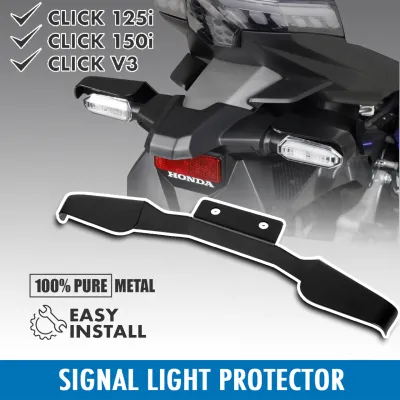
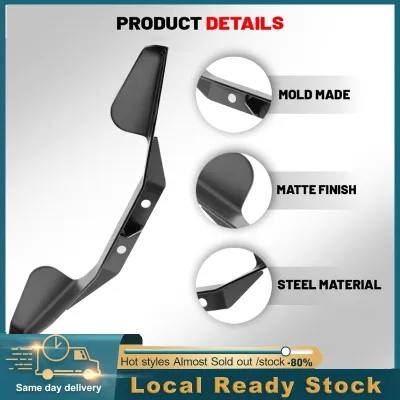
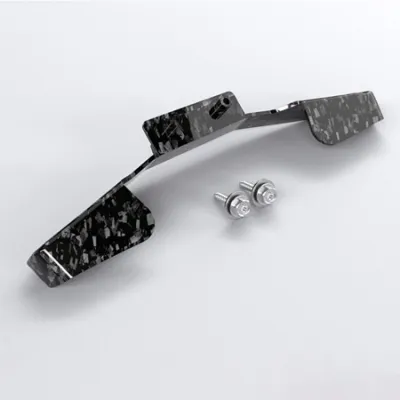
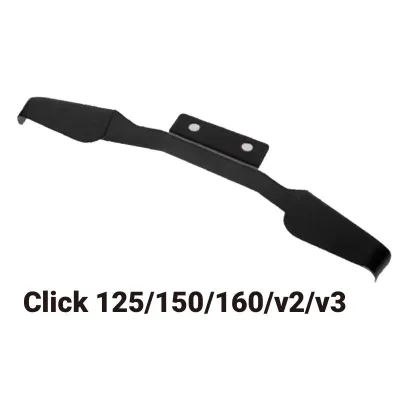
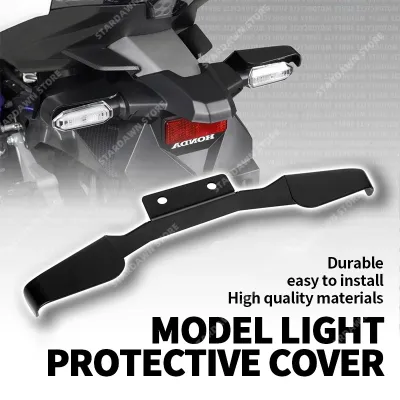
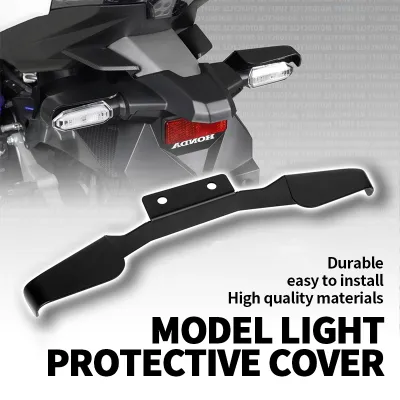
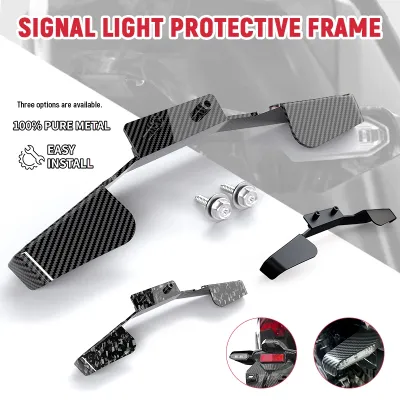
Prices are valid at publication and may change. Please refer to the product page for the latest price.
Beyond parking mishaps, riding on provincial roads or through active construction zones exposes your scooter to flying gravel, road debris, and splashing mud, all of which can degrade or break the light housings over time. Aftermarket manufacturers offer several distinct styles of signal light protectors to address these challenges, allowing riders to balance aesthetic preferences with functional needs.
Grille-style guards feature a series of horizontal, vertical, or mesh-patterned bars, typically made of durable plastic or lightweight metal. They give the scooter a rugged, adventure-oriented appearance reminiscent of larger touring motorcycles. While they excel at deflecting larger debris and absorbing direct impacts from bumps, the open gaps in the grille design mean they do not offer complete protection against fine dust, mud, or very small pebbles.
Full-cover or wrap-around shields are solid, continuous covers made from clear or tinted acrylic or polycarbonate materials. They wrap entirely over the signal light lens, acting as a physical barrier against water, mud, dust, and small road debris. This style is highly effective at keeping the original lens pristine, though riders must be careful to choose high-clarity options that do not significantly dim or distort the light output.
Aesthetic trim protectors, often styled with carbon-fiber patterns or matte black finishes, focus heavily on visual customization. They typically frame the edges of the signal light rather than covering the lens itself. While they offer excellent protection against corner scratches and minor scrapes along the fairing edges, they provide minimal defense against direct frontal impacts on the lens.
Checking Compatibility and Installation Requirements
Before purchasing any signal light protector, you must accurately identify the exact model and generation of your Honda Click. The Honda Click nameplate spans multiple generations and engine displacements, including the Click 125i, Click 150i, and Click 160, which are categorized into different design versions such as V1, V2, and V3. Because Honda redesigns the fairings, headlight clusters, and rear tail sections with each new iteration, a signal light guard designed for a V2 model will not align with the mounting points or contours of a V3 or a Click 160. Always verify your scooter’s manufacturing year and specific model variant against the product specifications before making a purchase.

The mounting method is another critical factor that dictates both the ease of installation and the long-term durability of the protector. Most aftermarket guards utilize one of two primary installation methods:
Adhesive-based installation is common for lightweight plastic and acrylic guards, which rely on double-sided automotive adhesive tape to secure themselves directly onto the signal light lens or the surrounding fairing. While this offers a quick, tool-free installation, the success of the bond depends entirely on surface preparation. The tropical humidity and high ambient temperatures in the Philippines can weaken poor-quality adhesives, potentially causing the guard to detach while riding at high speeds. To prevent this, the mounting surface must be thoroughly cleaned with isopropyl alcohol to remove all traces of wax, grease, and road grime before applying the tape.
Bolt-on installation is typical for heavy-duty metal or structural plastic guards, which secure directly to the scooter’s existing fairing screws or dedicated mounting brackets. This method provides a highly secure, vibration-resistant attachment that is ideal for rough roads. However, riders must exercise caution during installation. Over-tightening bolts into the scooter’s plastic fairings can easily strip the threads or crack the bodywork. Always refer to your original-vehicle documentation for torque guidelines, and consider consulting a qualified motorcycle mechanic if the installation requires removing body panels or modifying structural components.
Additionally, you must verify that the installed guard maintains adequate clearance. A poorly fitting protector can rub against the painted fairings, gradually wearing away the paint and exposing the plastic underneath to moisture and UV damage. Ensure there is a small, consistent gap between the guard and the bodywork to accommodate engine vibrations and road bumps.
Material Choices and Routine Maintenance
The longevity and performance of your signal light protectors depend heavily on the materials used in their construction. Because motorcycles in the Philippines are subjected to intense sunlight, heavy monsoon rains, and occasionally salty coastal air, choosing weather-resistant materials is essential.
ABS plastic is a highly popular material choice due to its lightweight nature, affordability, and impact resistance. It can be easily molded to match the complex, sharp angles of the Honda Click’s bodywork. However, unpainted or low-grade ABS plastic is susceptible to UV degradation. Over time, prolonged exposure to the sun can cause the plastic to fade, turn chalky, or become brittle and prone to cracking. When selecting plastic guards, look for options that feature UV-resistant coatings or are painted with high-quality automotive finishes.
Metal options, such as stainless steel or anodized aluminum, offer superior physical protection against heavy impacts and give the scooter a premium, mechanical look. Aluminum is lightweight and naturally resistant to rust, making it an excellent choice for wet climates. Stainless steel is incredibly strong but heavier; if the protective paint or powder coating on a steel guard becomes chipped by road debris, the exposed metal can quickly develop surface rust due to high humidity. Regular inspections are necessary to spot and touch up any chipped paint before corrosion spreads.
Maintaining your signal light protectors is straightforward but requires the right approach to avoid damaging your scooter. Clean the guards regularly using mild soap, warm water, and a soft microfiber cloth to remove accumulated road grime, salt, and mud. Avoid using harsh chemical solvents, abrasive cleaners, or stiff brushes, as these can scratch clear acrylic covers, strip the protective anodized layer from aluminum, or degrade the adhesive tape holding the guards in place. Always ensure that any cleaning product used is explicitly labeled as safe for automotive plastics, paints, and rubber seals.
Pre-Purchase Checklist for Signal Light Guards
When browsing online marketplaces or visiting local motorcycle accessory shops in the Philippines, having a structured evaluation process will help you avoid low-quality products that do not fit properly. Use the following checklist to guide your purchasing decision:
Confirm Exact Model Fitment: Avoid listings that use generic terms like “universal fit” or “fits most scooters.” Ensure the seller explicitly states compatibility with your specific Honda Click version (e.g., Click 125i V3). If in doubt, send a direct message to the seller to confirm.
Analyze Buyer Reviews and Photos: Look closely at real-world photos uploaded by other riders on ecommerce platforms. Check for consistent gap tolerances, alignment with the fairing lines, and the overall quality of the finish. Pay attention to feedback regarding how well the adhesive holds up over time or if the metal brackets require bending to fit.
Verify Package Completeness: Ensure the product package includes all necessary mounting hardware, such as pre-cut automotive-grade double-sided tape, bolts, or spacers. If the guard relies on adhesive, verify if you need to purchase additional high-quality tape separately to ensure a secure bond.
Assess Road Legality and Visibility: Ensure the design of the guard does not completely block or severely distort the amber light emitted by your turn signals. Local traffic regulations require signaling devices to be clearly visible to other motorists from a reasonable distance, both during the day and at night.
Frequently Asked Questions (FAQ)
Will installing an aftermarket signal light guard void my scooter's warranty?
Installing cosmetic, external accessories like stick-on or bolt-on signal light protectors generally does not void your scooter’s overall manufacturer warranty. These parts are non-invasive and do not alter the mechanical or electrical systems of the vehicle. However, if the installation process involves splicing into the factory wiring harness, drilling permanent holes into the frame, or causes physical damage to the original fairings, those specific components or related systems may lose warranty coverage. To ensure peace of mind, always consult your local authorized Honda dealership or carefully review your warranty booklet before performing any modifications.
Do signal light guards reduce the visibility of the turn signals?
Some signal light guard designs can reduce visibility, depending on their construction and finish. Thick grille bars, dense mesh patterns, or heavily tinted acrylic covers can block or scatter the light beam, making your turn signals harder to see for oncoming traffic or motorists behind you. This is a significant safety concern, especially when riding during heavy tropical downpours or at night. To maintain optimal safety and comply with local road regulations, choose protectors that feature slim, widely spaced grilles or highly transparent, optically clear covers that allow the amber light to shine through brightly from multiple viewing angles.
Community discussion
Share your experience or ask a question. Comments are reviewed before publication.