
Selecting the right radiator cover for your Honda Click V2 in the Philippines requires balancing physical protection with engine cooling efficiency. The Honda Click V2, widely known locally as the “Game Changer,” is a staple on Philippine roads, prized for its fuel efficiency and nimble handling. However, its liquid-cooled engine relies on a side-mounted radiator that is highly vulnerable to flying gravel, road debris, and heavy monsoon splashes. A well-chosen radiator cover shields these delicate cooling fins from impact, but a poorly designed one can restrict airflow and lead to engine overheating in dense, stop-and-go traffic.
To make an informed decision, riders must evaluate the materials used, analyze the mesh patterns for optimal airflow, and verify exact fitment compatibility. Because the Philippine climate presents unique challenges—ranging from intense summer heat to torrential rains and salty coastal air—the durability of the accessory is just as important as its visual appeal. This guide outlines the essential factors to consider when selecting and verifying a radiator cover to keep your scooter running cool and protected.
Why Add a Radiator Cover to Your Honda Click V2?
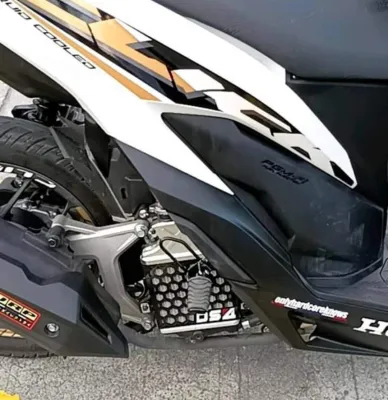
The primary motivation for installing an aftermarket radiator cover is to safeguard the cooling system from physical damage. The Honda Click V2 features a side-mounted radiator positioned on the right side of the engine block. While this placement utilizes natural air draft while riding, it also exposes the radiator directly to debris kicked up by the front tire or passing vehicles. On Philippine roads, where loose gravel, asphalt chips, and small stones are common, an unprotected radiator can easily suffer bent fins or, worse, a punctured coolant channel. A puncture leads to rapid coolant loss, which can cause severe engine damage if not detected immediately.
Products mentioned in this guide
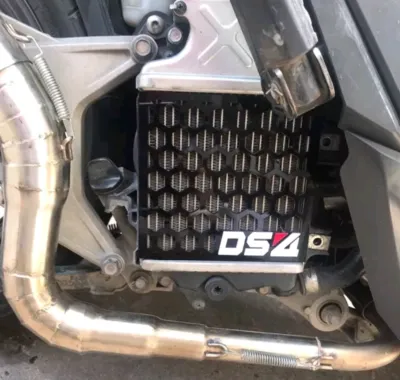
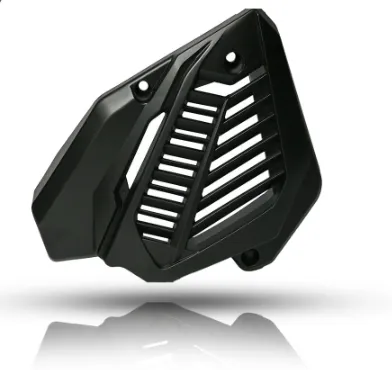
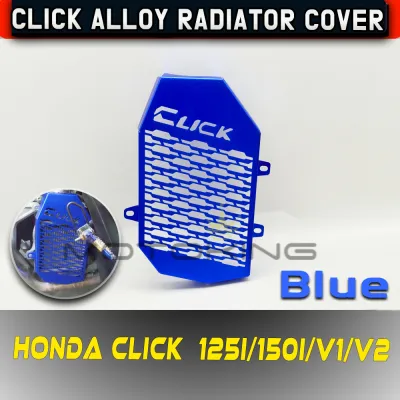
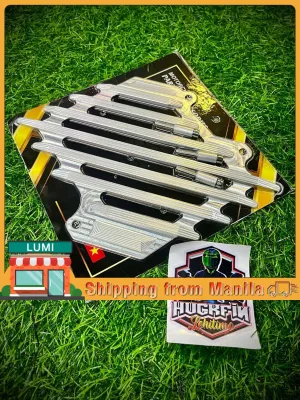
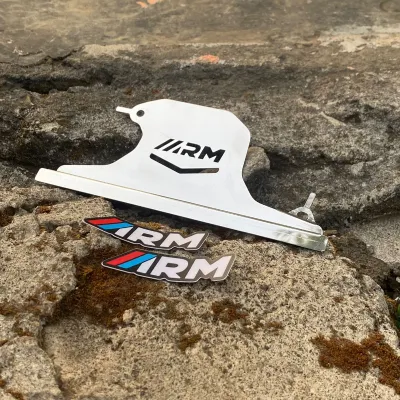
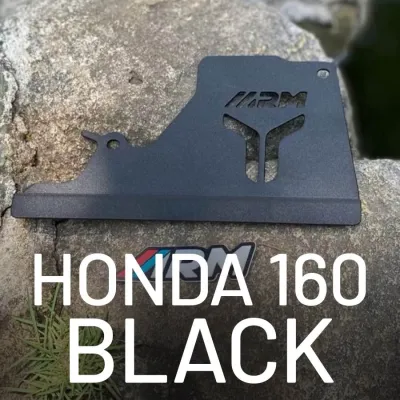
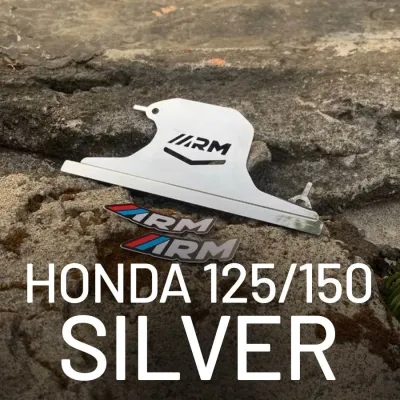
Prices are valid at publication and may change. Please refer to the product page for the latest price.
In addition to stone impacts, daily commuting exposes the radiator to organic debris. Insects, dried leaves, and road grime can accumulate within the cooling fins over time. This buildup acts as an insulating layer, gradually reducing the radiator’s ability to dissipate heat. A radiator cover with a fine yet breathable mesh acts as a primary barrier, catching these particles before they lodge deep inside the metal fins. Cleaning a removable cover is significantly easier and safer than trying to pick debris out of delicate aluminum fins, which bend under the slightest pressure.
However, adding any physical barrier in front of the radiator inherently alters the aerodynamics of the cooling system. The radiator relies on a steady, unobstructed stream of air to lower the temperature of the coolant flowing through its internal tubes. If a radiator cover features a poorly engineered design with insufficient open area, it will restrict this airflow. In the Philippines, where ambient temperatures frequently exceed 30 degrees Celsius and urban traffic jams can keep a scooter idling for long periods, restricted airflow can quickly lead to elevated engine temperatures. Riders must carefully weigh the protective benefits of a cover against this potential thermal risk.
Beyond functional protection, many scooter owners view a radiator cover as a key aesthetic upgrade. The stock plastic radiator shroud on the Honda Click V2 is functional but plain. Aftermarket covers are available in various colors, finishes, and designs, allowing riders to customize the look of their scooter’s lower profile. Whether you prefer a sleek, stealthy black look or a polished metallic finish that coordinates with other accessories, a radiator cover offers an affordable way to personalize your ride while serving a practical purpose.
Evaluating Materials and Mesh Designs
When assessing radiator covers, the choice of material directly impacts the accessory’s longevity, weight, and thermal performance. The three most common materials found in the Philippine market are stainless steel, aluminum, and ABS plastic. Each material has distinct characteristics that perform differently under local environmental conditions, such as high humidity and coastal salt exposure.

Stainless steel is highly favored for its exceptional strength and resistance to corrosion. In coastal regions of the Philippines, where salty air accelerates rust, a high-quality stainless steel cover will maintain its structural integrity and appearance over years of use. It provides the highest level of protection against heavy stone impacts, as the metal is difficult to dent or puncture. However, stainless steel is heavier than other options and tends to retain heat longer, which is a minor consideration for overall thermal management.
Aluminum offers a lightweight alternative that boasts excellent natural heat dissipation properties. Aluminum radiator covers do not rust, making them highly suitable for wet tropical climates. They are often anodized in various colors, providing a durable finish that resists fading under intense sunlight. The trade-off is that aluminum is softer than stainless steel; while it will easily deflect small pebbles and insects, a high-velocity stone impact may dent the cover, though it will still protect the radiator underneath.
ABS plastic covers are the most budget-friendly option and are completely immune to rust and corrosion. They are lightweight and can be molded into intricate, aggressive designs that match the sporty styling of the Honda Click V2. However, ABS plastic is susceptible to UV degradation over time. Prolonged exposure to the harsh Philippine sun, combined with the high operating temperatures of the engine, can cause cheap plastic covers to become brittle and crack. If choosing plastic, it is crucial to verify that the material is high-grade, heat-resistant ABS.
The mesh pattern and density are critical factors that determine the balance between protection and airflow. A honeycomb pattern is widely regarded as an efficient design, as it offers high structural strength while maximizing the open surface area for air passage. Slotted or louvred designs can also be effective, provided the openings are angled to scoop air inward while deflecting debris outward. Avoid covers with extremely fine, window-screen-style wire mesh; while they block the smallest dust particles, they create high air resistance that can starve the radiator of cooling air during low-speed city riding.
Lastly, pay close attention to the surface finishes and edge treatments of the cover. High-quality metal covers undergo a deburring process to ensure all edges are smooth. Rough, sharp metal edges on a cheap cover can rub against the scooter’s original plastic shroud or engine casing due to engine vibrations, leading to unsightly scratches or deep gouges over time. Look for covers with rounded edges or those that include rubber dampeners to isolate the metal from the scooter’s bodywork.
Verifying Fitment and Accessory Clearance
A common pitfall for scooter owners is purchasing an accessory that does not align with their specific vehicle generation. The Honda Click has gone through multiple design iterations in the Philippines, including the V1 (125i and 150i), the V2 (often called the “Game Changer”), and the newer V3 or Click 160 models. Although these scooters share similar engine layouts, their radiator shrouds, mounting bolt locations, and physical dimensions vary. A radiator cover designed for a V1 or a Click 160 will not fit a V2 without forced bending or drilling new holes, which can compromise the mounting security.
Before making a purchase, riders must verify the exact model year and version compatibility. The Honda Click V2 features specific mounting points on the radiator shroud that require precise alignment. High-quality aftermarket covers are designed as direct bolt-on accessories, meaning they utilize the existing factory bolts and holes without requiring any modifications to the scooter. Always double-check the product specifications and seller listings to ensure they explicitly state compatibility with the Click V2 125i or 150i “Game Changer” models.
Another critical aspect is evaluating physical clearance with other aftermarket accessories. Many riders in the Philippines customize their scooters with crash bars, leg shields, customized exhaust pipes, or aftermarket suspension components. Because the radiator is located on the right side of the engine, a bulky radiator cover might interfere with these accessories. For instance, some heavy-duty crash bars wrap closely around the lower side panels of the scooter. If a radiator cover protrudes too far outward, it may rub against the crash bar, causing vibration noise and paint wear. Measure the available clearance around your radiator shroud before selecting a cover design.
The mounting mechanism itself deserves careful scrutiny. Prioritize covers that secure directly to the radiator shroud using steel bolts. Some low-cost covers rely on double-sided adhesive tape or plastic zip ties for installation. While these methods are quick and easy, they are highly unreliable. The combination of engine heat, road vibrations, and exposure to water during heavy downpours or bike washes will rapidly degrade adhesives. A loose cover can rattle, shift out of place, or fall off entirely while riding, posing a safety hazard to you and other motorists. Bolt-on designs provide a secure, permanent fitment that withstands daily road abuse.
Sourcing and Verifying Products in the Philippines
Finding a reliable radiator cover for your Honda Click V2 involves navigating both local physical shops and online e-commerce platforms. In the Philippines, motorcycle accessory shops are abundant, particularly in major hubs like 10th Avenue in Caloocan, or local motorcycle parts dealers in provincial cities. Shopping in person allows you to physically inspect the material quality, feel the weight of the metal, and check the smoothness of the edges before spending your money.
If you prefer the convenience of online marketplaces, you must exercise caution to avoid low-quality counterfeits or incompatible parts. Start by identifying verified sellers or official brand stores on your preferred e-commerce platform. Look for listings that provide detailed product descriptions, including the exact materials used, physical dimensions, and clear photos of the mounting points. Avoid listings with vague descriptions or those that use generic stock photos that do not match the actual product.
Cross-referencing seller specifications with your scooter’s actual radiator dimensions is an effective way to ensure a perfect fit. If the listing does not provide measurements, do not hesitate to message the seller directly. Ask for the distance between the mounting bolt holes and compare this measurement with the bolt spacing on your Honda Click V2’s radiator shroud. A reliable seller should be able to provide these details or confirm compatibility based on your scooter’s specific model year.
User reviews are an invaluable resource when shopping online. Look for reviews written by verified buyers in the Philippines, as they often share real-world feedback on how the product performs in local conditions. Pay close attention to reviews that include photos or videos of the installed cover on a Click V2. These visual aids allow you to verify if the bolt holes aligned perfectly and if the cover sits flush against the shroud. Furthermore, look for long-term feedback regarding thermal performance; if multiple reviewers mention that their scooter’s engine temperature warning light began flashing after installing a specific cover, it is a clear sign that the mesh design restricts too much airflow and should be avoided.
Frequently Asked Questions (FAQ)
Will a radiator cover cause my Honda Click V2 to overheat?
A properly designed radiator cover will not cause your Honda Click V2 to overheat under normal riding conditions. High-quality covers are engineered with a balanced mesh density that allows sufficient airflow to pass through while blocking harmful road debris. However, if you install a cover with an extremely restrictive pattern, or if the mesh becomes clogged with dirt and mud, airflow will be compromised. It is highly recommended to monitor your scooter’s engine temperature indicator on the digital instrument panel after installing a new cover. If you notice the temperature warning light illuminating or if the engine feels unusually hot during your daily commute, safely pull over, inspect the cover for blockages, and consult a qualified motorcycle mechanic to verify your cooling system’s operation.
Can I install the radiator guard myself, or do I need a mechanic?
Most radiator covers designed for the Honda Click V2 are straightforward to install and can be completed as a DIY project at home. The process typically requires basic hand tools, such as a socket wrench set or a screwdriver, to remove the existing factory bolts on the radiator shroud, position the cover, and secure it back in place. However, if you are uncomfortable working on your scooter, or if you have installed aftermarket accessories like crash bars that block access to the radiator, professional installation is highly recommended. A qualified mechanic can ensure the cover is mounted securely with the correct torque, verify that there is no rubbing against other components, and confirm that the installation does not interfere with the scooter’s cooling efficiency or safety.
Community discussion
Share your experience or ask a question. Comments are reviewed before publication.