
Selecting the right radiator cover for your Honda Click V3 is a critical decision that balances engine protection with optimal cooling performance. The best radiator cover options for this popular scooter are those engineered from high-grade stainless steel or durable aluminum mesh, designed specifically to match the mounting points of the V3 generation. These guards shield the delicate aluminum fins of your radiator from road debris without restricting the vital airflow required to keep the liquid-cooled engine running at its ideal operating temperature.
For daily commuters and touring riders in the Philippines, the choice often comes down to balancing structural rigidity against aesthetic preferences. While stainless steel grilles offer maximum resistance against flying gravel on provincial roads, lightweight ABS plastic or carbon-fiber-style covers provide a sleek, integrated look for urban riding. Understanding how different materials, airflow patterns, and mounting mechanisms affect your scooter’s cooling system will ensure you choose a cover that protects your investment without risking engine damage.
Why Install a Radiator Guard on Your Honda Click V3?
The Honda Click V3 features a liquid-cooled engine that relies heavily on its side-mounted radiator to dissipate heat. While this cooling system is highly efficient, the radiator core itself is positioned in a vulnerable area behind the front wheel. As you ride, the front tire naturally kicks up road debris, loose gravel, and small stones directly toward the exposed radiator. Without a protective guard, these objects strike the soft aluminum fins of the radiator core with considerable force.
Products mentioned in this guide
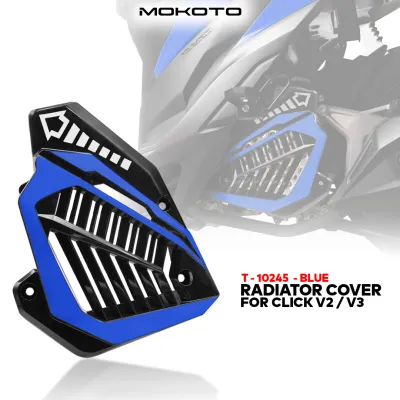
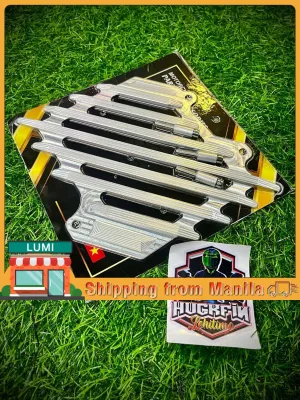
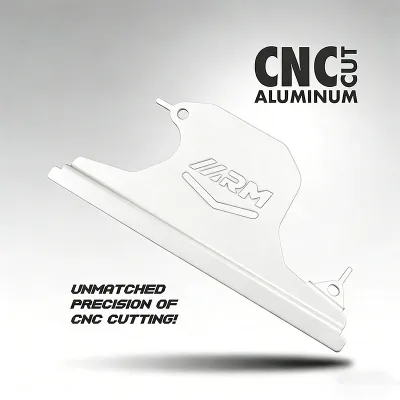
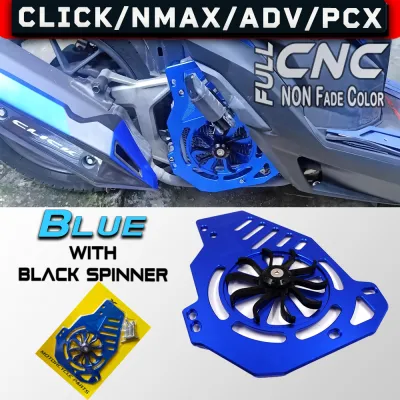
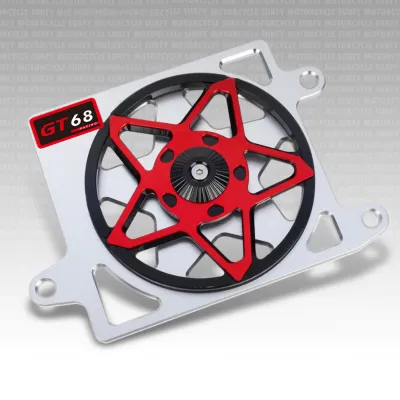
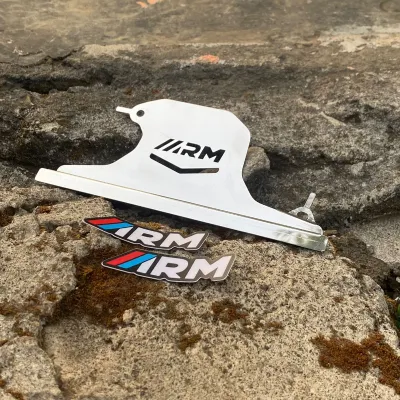
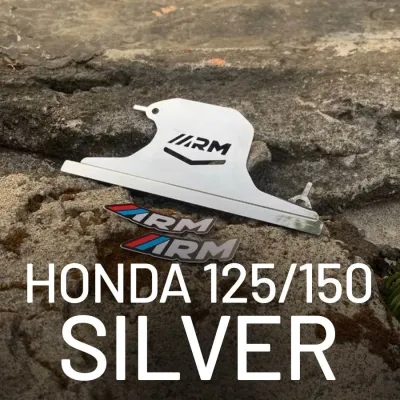
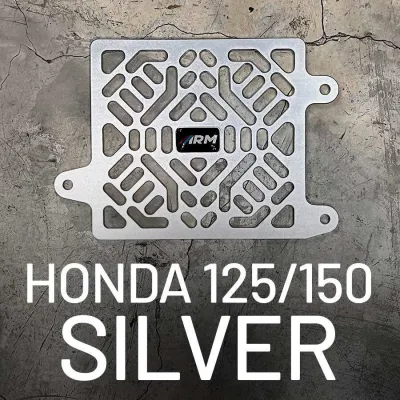
Prices are valid at publication and may change. Please refer to the product page for the latest price.
Bent radiator fins represent a serious mechanical hazard for liquid-cooled scooters. When the thin aluminum fins are crushed or flattened by road debris, they restrict the passage of air through the core. This reduction in airflow directly impairs the radiator’s ability to lower the temperature of the circulating coolant. Over time, accumulated damage can lead to localized hot spots, cooling inefficiency, and eventually engine overheating, which can result in costly cylinder head or gasket repairs.
Beyond physical impacts, riding in tropical environments like the Philippines exposes your radiator to organic debris. Swarms of insects, dried leaves, and road grime can quickly clog the narrow gaps between the fins. During the rainy season, wet mud and silt from flooded streets can bake onto the hot radiator core, creating an insulating layer that traps heat. A well-designed radiator cover acts as a primary physical barrier, deflecting larger debris and making it much easier to clean away accumulated dirt during routine maintenance.
In addition to vital mechanical protection, installing a radiator cover serves as a popular cosmetic upgrade. The stock plastic shroud of the Honda Click V3 is functional but relatively plain. An aftermarket grille adds a customized touch to the scooter’s right-side profile. Whether you prefer the rugged look of brushed stainless steel, the sporty appearance of anodized aluminum, or the modern aesthetic of a carbon-fiber-weave pattern, a radiator guard allows you to personalize your ride while serving an essential protective function.
Key Selection Criteria for Click V3 Radiator Covers
When shopping for a radiator cover on local online marketplaces or at physical motorcycle accessory shops, it is easy to be swayed by style alone. However, choosing a cover requires evaluating several practical dimensions to ensure long-term reliability and engine safety.

Fitment and Compatibility The most critical step is verifying that the accessory is designed specifically for the Honda Click V3. Honda has updated the Click series through several generations, including the V1, V2, and the V3. Because the exterior plastics, fairing shapes, and radiator shroud mounting points have evolved with each iteration, a guard designed for an older model will not align properly with the V3. Attempting to force an incompatible cover onto your scooter can stress the mounting tabs, cause annoying vibrations, or even block the cooling fan. Always verify your vehicle model year and consult the product documentation before purchasing.
Airflow and Cooling Efficiency A radiator guard must strike a delicate balance between physical protection and air permeability. The primary purpose of the radiator is to allow ambient air to pass through its core to cool the liquid inside. If a radiator cover has a design that is too solid, features excessively thick decorative plates, or uses an ultra-dense mesh pattern, it will act as a windblock. This restriction is particularly dangerous during slow-moving urban traffic in congested metropolitan areas, where natural airflow is minimal and the cooling fan must work harder to pull air through the radiator. Look for designs that maximize the open surface area while maintaining a pattern tight enough to deflect stones.
Build Quality and Edge Finishing Inspect the physical construction of the cover, paying close attention to the edges and joints. High-quality metal guards undergo a deburring process to ensure all edges are smooth. Poorly manufactured, low-cost alternatives often have sharp, rough edges that can pose multiple hazards. These sharp edges can easily slice through your hands or cleaning cloths during routine washing. Furthermore, during installation and daily riding, a rough metal edge can scratch the surrounding painted plastics of your scooter’s bodywork, leading to unsightly damage and potential paint peeling.
Mounting Mechanism Evaluate how the cover attaches to the scooter. The most reliable radiator covers utilize a direct bolt-on design that secures directly to the existing factory mounting points of the radiator shroud. This method ensures the guard remains firmly in place despite engine vibrations and rough road conditions. Some budget-friendly or purely decorative covers rely on heavy-duty automotive adhesive tapes or plastic zip-ties. While adhesive options can be secure if applied to a perfectly clean, degreased surface, the high heat radiating from the engine compartment can degrade the adhesive over time, potentially causing the cover to loosen or fall off during a ride.
Top Material Options for Click V3 Radiator Covers
Motorcycle accessory manufacturers utilize a variety of materials to construct radiator guards, each offering distinct trade-offs in terms of impact resistance, weight, corrosion prevention, and cost. Understanding these material properties will help you select the right option for your typical riding routes.
Stainless Steel and Aluminum Mesh Grilles
For riders seeking the highest level of physical protection, metallic grilles are the industry standard. These covers are typically constructed from either stainless steel or anodized aluminum, offering robust defense against high-velocity road debris.
Stainless Steel Grilles Stainless steel is favored for its exceptional tensile strength and high impact resistance. A stainless steel guard can easily withstand the impact of large stones kicked up by trucks on national highways without bending or puncturing. This makes it the ideal choice for riders who frequently travel long distances or traverse provincial roads where loose gravel is common. These metal grilles are widely available in price bands ranging from ₱300 to ₱800, depending on the thickness and finish. However, stainless steel is heavier than other materials. If you choose a stainless steel cover, ensure it is coated with a high-quality powder finish or rust-resistant paint. If the protective coating chips due to stone impacts, the exposed metal can develop surface rust over time when exposed to rain and humidity.
Aluminum Mesh Grilles Aluminum alternatives offer a compelling middle ground by providing excellent protection at a fraction of the weight. Aluminum is naturally resistant to rust, meaning that even if the surface finish is scratched by road debris, the underlying metal will not corrode or degrade. Many aluminum guards feature anodized finishes, which chemically bond the color to the metal, offering vibrant styling options that resist fading under the tropical sun. The primary trade-off is that aluminum is softer than stainless steel. Under a direct, high-force impact from a heavy rock, an aluminum guard may dent or deform, though it will still successfully prevent the rock from puncturing the delicate radiator core beneath it.
ABS Plastic and Carbon Fiber-Style Covers
If your primary goals are lightweight styling, seamless aesthetic integration, and protection against lighter debris, polymer-based covers are highly popular options.
ABS Plastic Covers High-quality ABS (Acrylonitrile Butadiene Styrene) plastic is the same material used for your scooter’s factory body panels. ABS plastic covers are molded to match the exact contours of the Honda Click V3, providing a clean, factory-installed appearance. These covers are incredibly lightweight and completely immune to rust and corrosion, making them highly durable against rain and road salt. These polymer options are highly affordable, typically falling within the ₱150 to ₱400 price band. However, when purchasing plastic covers, it is crucial to verify that the material is UV-treated. Low-quality, cheap plastics can become brittle and fade after prolonged exposure to intense sunlight, leading to cracking around the mounting holes due to engine vibrations.
Carbon Fiber-Style Inserts Carbon fiber-style covers are typically made from ABS plastic or lightweight composites finished with a carbon-weave pattern or a real carbon-fiber overlay. These accessories are highly valued for their sporty, premium aesthetic. They integrate beautifully with the modern, aggressive lines of the Click V3. From a protective standpoint, these covers excel at blocking insects, mud, and small road grime. However, riders must recognize their physical limitations. While carbon composites are strong, thin plastic or carbon-look covers do not possess the same energy-absorbing deformation properties as metal. A large, sharp stone striking a plastic cover at high speed can crack or shatter the guard, whereas a metal grille would simply dent.
Safe Installation and Maintenance Guidelines
Installing a radiator cover on your Honda Click V3 is a straightforward task that can often be completed at home with basic hand tools. However, because you are working directly adjacent to the engine’s primary cooling component, you must follow specific safety and care guidelines to avoid causing accidental damage.
Pre-Installation Preparation Before mounting your new radiator cover, take the time to inspect and clean the area. Over weeks or months of riding, dirt, small pebbles, and insects may have already lodged themselves inside the radiator fins. If you install the guard directly over this debris, you will trap it against the core, permanently restricting airflow and making future cleaning much more difficult. Use a can of compressed air or a very gentle water spray from a garden hose to blow out any trapped particles from the backside of the radiator outward. Never use a high-pressure washer or a stiff brush directly on the fins, as this will instantly bend the soft aluminum.
Handling the Radiator Fins The aluminum fins that make up the radiator core are incredibly thin and fragile. They can be bent out of shape by the slightest pressure from a screwdriver, a mounting bracket, or even a firm touch from your fingers. When positioning your new radiator cover, handle it by its outer frame or mounting tabs. Never press the guard directly against the delicate core during alignment. If you accidentally bend a few fins during the process, you can use a specialized radiator fin comb to gently straighten them, but it is far better to avoid contact entirely.
Secure Fastening and Clearance Checks When securing the mounting screws, refer to your scooter’s manual to locate the correct torque specifications. Over-tightening the bolts can strip the threads in the soft plastic mounting tabs of the shroud or put unnecessary stress on the radiator frame. Once the cover is bolted in place, perform a thorough clearance check. Ensure that no part of the guard, its brackets, or the mounting hardware rubs against the rubber coolant hoses, the radiator cap, or the electrical wiring leading to the cooling fan. Ongoing vibration during rides can cause rubbing parts to wear down, potentially leading to coolant leaks or electrical shorts. If the installation requires removing body panels or working near complex components, consult a qualified mechanic.
Routine Maintenance and Cleaning Maintaining your radiator cover is essential to preserve both its appearance and its cooling efficiency. During your regular motorcycle washes, inspect the guard for any trapped leaves, plastic bags, or accumulated road grime. To clean the cover, spray it with a mild motorcycle-safe soap and let it sit for a few minutes to soften any dried mud or insect splatters. Gently rinse the soap away using a low-pressure water stream. Avoid using high-pressure jet sprays directly at the radiator area. The intense pressure can force dirt and sand straight through the guard’s mesh, packing it deeply into the radiator fins or bending the fins themselves, which defeats the protective purpose of the cover.
Frequently Asked Questions (FAQ)
Will a radiator cover cause my Honda Click V3 to overheat?
A properly engineered radiator cover with an open mesh or slotted grille pattern will not cause your Honda Click V3 to overheat. These guards are designed to protect the core while allowing ample ambient air to pass through freely. However, you must avoid installing solid, unvented decorative plates or covers with extremely dense, fine mesh patterns that restrict airflow. Restricting the air intake can lead to overheating, especially when idling in heavy traffic or climbing steep mountain passes under heavy loads. Always choose a reputable brand that prioritizes open-air area in its design.
Can I use a Click V2 radiator cover on a V3 model?
You should not attempt to use a radiator cover designed for the Honda Click V2 on a V3 model. Although the two scooter generations share similar engine platforms, Honda introduced significant design updates to the exterior bodywork, front fairings, and radiator shroud for the V3 model. The mounting tab locations, bolt hole spacing, and overall dimensions of the radiator shroud differ between the V2 and V3 generations. Attempting to fit a V2 cover onto a V3 will result in poor alignment, potential damage to the mounting points, and insecure fastening that can lead to the cover falling off during operation. Always purchase accessories explicitly labeled for the V3.
Community discussion
Share your experience or ask a question. Comments are reviewed before publication.