
For classic Honda VTEC LEV (Low Emission Vehicle) engines, the standard recommended engine oil viscosity grades are 5W-30 and 10W-30. These grades provide the ideal balance of cold-start flow and high-temperature protection required by the precise hydraulic demands of Honda’s variable valve timing system. Before purchasing or changing your motor oil, always verify your vehicle’s specific requirements by checking the oil filler cap, the dipstick handle, or the owner’s manual, as minor variations exist across different engine codes such as the D15, D16, or B16 series.
Using the manufacturer-specified viscosity grade is critical not just for basic lubrication, but for the correct operation of the VTEC system itself. Because VTEC relies on hydraulic engine oil pressure to actuate the camshaft profiles, using an incorrect oil weight can lead to poor performance, delayed engagement, or accelerated engine wear.
Recommended Viscosity Grades for Honda VTEC LEV Engines
Selecting the correct oil viscosity is the first step in maintaining the health of your Honda VTEC LEV engine. These engines, prominent in popular models from the late 1990s and 2000s, were designed with specific internal clearances that differ from modern, ultra-thin oil standards. For most driving conditions, a high-quality 5W-30 or 10W-30 multi-grade oil serves as the baseline standard recommended by Honda.
Products mentioned in this guide
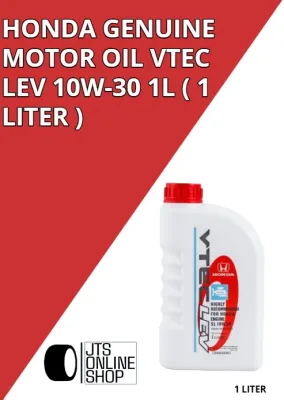
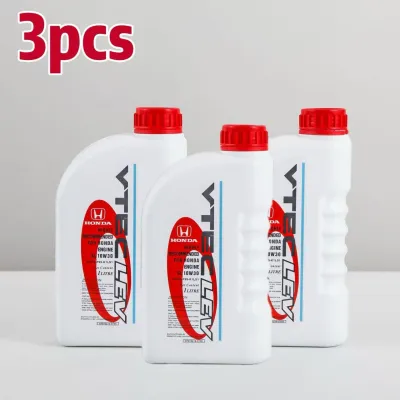
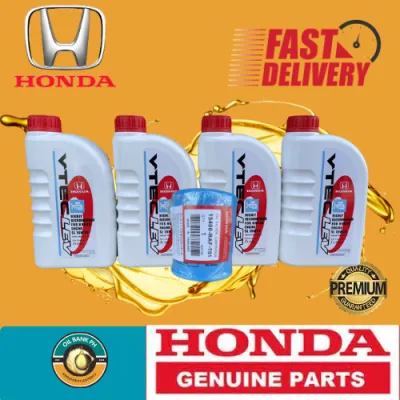
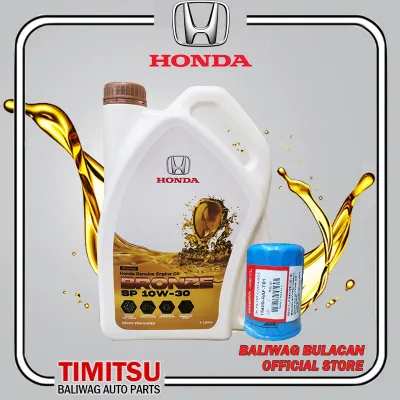
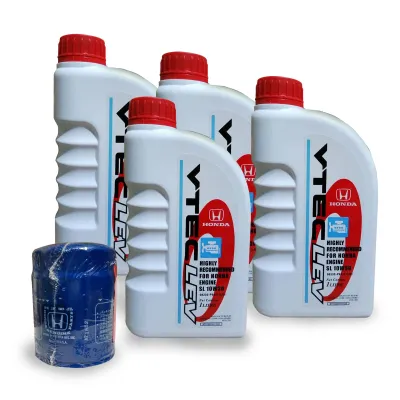
Prices are valid at publication and may change. Please refer to the product page for the latest price.
To determine the exact specification for your vehicle, locate your engine code (usually stamped on the engine block, such as D15B, D16W, or B16A) and cross-reference it with your owner’s manual. If the manual is unavailable, physical indicators on the car itself often provide the answer. Check the top of the oil filler cap or the handle of the engine dipstick, which frequently feature the recommended SAE viscosity grade stamped directly into the plastic.
Understanding the safety boundary of your engine’s lubrication system is vital before performing any oil change. If you plan to perform a DIY oil change, always ensure you have the correct oil filter and tools specified in your original-vehicle service manual. If you are unsure about the compatibility of a specific oil grade with your modified or high-mileage engine, consult a qualified automotive professional before proceeding with the service.
Decoding Viscosity Numbers: Why VTEC Relies on Proper Flow
The Society of Automotive Engineers (SAE) grading system on an oil bottle tells a specific story about how the fluid behaves under different thermal conditions. In a grade like 5W-30, the “5W” stands for Winter and indicates the oil’s flow capability at cold temperatures; a lower number means the oil remains more fluid in cold weather, allowing it to pump quickly through the engine upon startup. The second number, “30,” represents the oil’s kinematic viscosity at normal operating temperature (100°C), indicating the thickness and strength of the protective oil film when the engine is fully warmed up.

For a VTEC engine, these numbers have direct mechanical consequences. The VTEC system operates using oil pressure as a hydraulic actuator. When your engine reaches a specific RPM threshold, the engine control unit (ECU) signals a spool valve to open, sending highly pressurized engine oil through internal galleries to slide a locking pin into place. This pin locks the low-rpm rocker arms to a high-rpm rocker arm, engaging the high-lift camshaft profile to boost power.
If the oil viscosity is too high (too thick) during startup, the oil cannot flow quickly enough to build the immediate pressure needed for smooth operation, which can delay VTEC engagement and cause localized wear on the camshaft lobes. Conversely, if the oil viscosity is too low (too thin) at operating temperature, the oil pressure may drop below the threshold required to keep the locking pins engaged, causing the system to disengage erratically and failing to maintain a protective barrier between fast-moving metal components under heavy load.
Adjusting for Engine Mileage and Tropical Climates
Operating a vehicle in a tropical climate like the Philippines introduces unique challenges for engine lubrication. High ambient temperatures, high humidity, and prolonged idling in heavy traffic subject the engine oil to intense thermal stress. Under these conditions, engine oil tends to thin out more rapidly, accelerating the rate of thermal breakdown and reducing the effective thickness of the protective oil film.
For older, high-mileage Honda VTEC LEV engines, internal components like piston rings, valve guides, and journal bearings naturally wear down over time, resulting in slightly wider clearances. If your engine has accumulated high mileage and is experiencing minor oil consumption, a slight drop in oil pressure, or faint mechanical noise, it may be appropriate to adjust your viscosity grade. Stepping up from a baseline 5W-30 to a slightly thicker high-temperature viscosity, such as a 10W-40, can help seal the wider clearances, reduce oil consumption, and stabilize oil pressure in hot weather.
However, you must avoid the temptation to use modern, ultra-thin oil grades like 0W-20 in these older engines. While 0W-20 is excellent for modern engines designed with extremely tight tolerances, it is far too thin for older VTEC LEV designs. Using an ultra-thin oil in an older engine can result in insufficient oil film strength, leading to rapid wear of critical engine components and a high risk of oil pressure warnings, especially during long drives in tropical heat.
Beyond Viscosity: API Standards and Synthetic vs. Conventional
While choosing the correct viscosity grade is essential, you must also look at the quality standards and oil formulations available on the market. The American Petroleum Institute (API) grades oils based on their performance and protective qualities. For gasoline engines, look for current API service categories such as API SP or API SN on the product label. These modern standards are fully backward-compatible with older engines, offering superior resistance to high-temperature deposits, better sludge control, and enhanced wear protection for your VTEC system.
When shopping for engine oil in the Philippines, you will generally find three primary formulations: full synthetic, synthetic blend (semi-synthetic), and conventional (mineral) oil. Full synthetic oils offer the highest thermal stability and resistance to oxidation, making them the ideal choice for coping with extreme summer heat and stop-and-go traffic. A high-quality full synthetic oil typically costs between ₱500 and ₱900 per liter, but it provides the longest service life and the best protection for high-revving VTEC components.
If you are on a tighter budget, synthetic blends—which usually range from ₱300 to ₱500 per liter—or high-quality conventional oils are perfectly acceptable alternatives. These oils will protect your VTEC LEV engine effectively, provided you adhere strictly to the recommended service intervals. No matter which formulation you choose, always check the product label to ensure the oil is authorized for gasoline engines and matches the manufacturer’s original specification before pouring it into your engine.
Frequently Asked Questions (FAQ)
Can I use 0W-20 in an older Honda VTEC LEV engine?
Using a 0W-20 viscosity oil in an older Honda VTEC LEV engine is not recommended and can pose significant mechanical risks. Older engine designs feature larger bearing clearances that require a thicker oil film, such as a 5W-30 or 10W-30, to prevent metal-on-metal contact. If you use an ultra-low viscosity oil like 0W-20, the oil film may fail under high operating temperatures and heavy loads, leading to low oil pressure, noisy operation, and accelerated wear on critical engine components.
How often should I change the oil in a VTEC LEV engine?
The recommended oil change interval depends on the type of oil you use and your daily driving habits. If you use a high-quality full synthetic oil under normal driving conditions, changing the oil every 10,000 kilometers or every six months is standard. For semi-synthetic or conventional oils, or if you frequently drive in severe conditions such as heavy stop-and-go traffic in hot tropical climates, you should shorten the interval to every 5,000 kilometers or every three months. Additionally, make it a habit to check your engine oil level using the dipstick at least once every two weeks, as older VTEC engines can consume small amounts of oil between changes, and running low can starve the VTEC solenoid of the pressure it needs to operate.
Community discussion
Share your experience or ask a question. Comments are reviewed before publication.