
A breathable raincoat is designed to keep you dry from both external rain and internal sweat, but its performance is heavily influenced by the surrounding climate. For cyclists navigating tropical roads, where heavy downpours often coincide with intense heat and high humidity, a standard plastic raincoat can quickly turn into a personal sauna. Understanding how breathable fabrics function—and where their physical limits lie—is essential for staying comfortable and safe during wet-weather rides.
While marketing promises absolute dryness, the reality of cycling in a tropical environment requires a strategic approach. It is not just about buying the most expensive technical shell; it is about understanding how moisture moves, how humidity affects fabric performance, and how mechanical design features can assist where fabric technology reaches its limit.
How Breathable Raincoat Materials Work
To understand how a breathable raincoat functions, it helps to look at the microscopic level. These garments generally rely on one of two primary technologies to manage moisture: microporous membranes or hydrophilic coatings.
Products mentioned in this guide

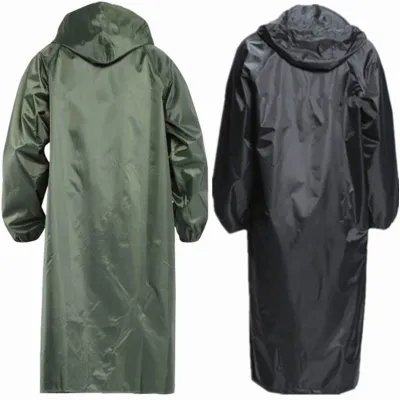

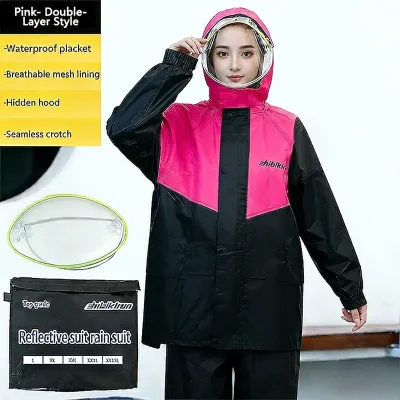
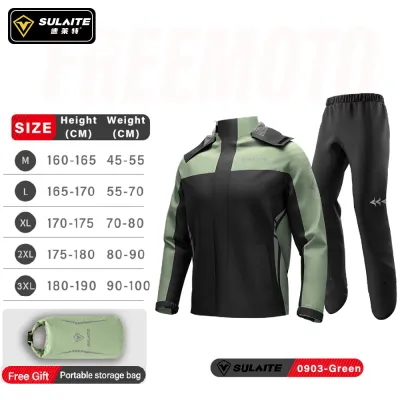
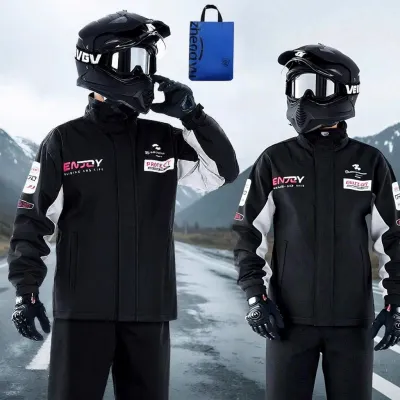
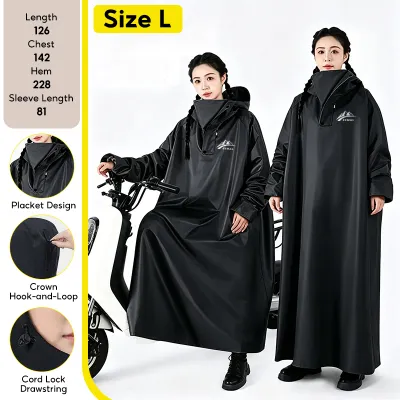
Prices are valid at publication and may change. Please refer to the product page for the latest price.
Microporous membranes feature billions of microscopic pores per square inch. These pores are thousands of times smaller than a single droplet of liquid water, which prevents rain from penetrating the fabric. However, they are also hundreds of times larger than a molecule of water vapor, allowing the sweat vapor generated by your body during a climb or sprint to escape.
Hydrophilic non-porous coatings work on a chemical level rather than a physical one. These solid coatings absorb moisture from the high-humidity zone next to your skin and transport it along molecular chains to the outer surface of the fabric, where it can evaporate.
Regardless of the internal technology, the outer face of the fabric must be treated with a Durable Water Repellent (DWR) finish. This chemical treatment causes rainwater to bead up and roll off the jacket rather than soaking into the face fabric. If the outer fabric becomes saturated—a state known as “wetting out”—it creates a continuous barrier of liquid water that completely blocks sweat vapor from escaping, rendering the breathable membrane useless.
The driving force behind all breathable fabrics is a vapor pressure gradient. Moisture naturally moves from areas of high heat and high humidity (the microclimate inside your jacket) to areas of lower heat and lower humidity (the outside air). Without this gradient, moisture transfer slows down or stops entirely.
The Tropical Climate Challenge: Breathability vs. High Humidity
In the Philippines, the rainy season brings a unique set of atmospheric conditions that challenge the physics of breathable rainwear. When you ride in a tropical downpour, the ambient temperature is often high, and the relative humidity outside your jacket can easily reach 90 to 100 percent.

This high external humidity severely weakens the vapor pressure gradient. Because the air outside your jacket is already saturated with moisture, there is very little physical drive for the sweat vapor inside your jacket to pass through the membrane. As a result, even the most advanced breathable raincoat will struggle to transfer moisture efficiently during a warm, humid tropical storm.
This limitation often leads to a phenomenon where riders believe their raincoat has leaked. In reality, the moisture on the inside of the jacket is often accumulated sweat and condensation that has failed to escape. When your skin is warm and the fabric is cooled by external rain, your sweat vapor quickly condenses back into liquid water on the inner lining of the jacket.
Because fabric breathability is physically limited by tropical humidity, mechanical ventilation becomes your primary defense against overheating. Features that allow physical airflow, such as underarm zippers (pit zips), mesh-lined pockets, and open back vents, allow warm, humid air to escape directly. This physical air exchange is far faster and more effective at cooling your body than the passive molecular transfer of any fabric membrane.
Choosing the Right Rain Gear for Humid Cycling
Selecting the right rain gear for tropical cycling requires balancing waterproof protection with maximum airflow. A heavy, tightly fitted mountaineering jacket will likely cause you to overheat within minutes of pedaling, making a lighter, more ventilated design a much better choice.
Consider the structural style of the garment. Fitted cycling jackets offer aerodynamic benefits and prevent flapping in the wind, but they must have robust mechanical vents to prevent sweat buildup. On the other hand, a cycling poncho offers a looser fit that naturally allows air to circulate from the open hem, though it provides less protection in high-wind conditions and can catch the air like a sail.
When evaluating jackets, look for specific design features tailored for active use. Underarm zippers allow you to dump heat quickly without exposing your chest to direct rain. Back flaps with mesh linings act like chimneys, letting hot air rise and escape while keeping water out. Adjustable cuffs and drawcords allow you to customize the fit, letting you loosen the garment for more airflow when the rain eases.
Check the garment tags and product specifications for waterproof and breathability indicators, but interpret them with caution. While manufacturers often display ratings like 10,000mm (waterproofness) or 10,000g/m² (breathability), these tests are conducted in controlled laboratory settings that do not replicate the high heat and humidity of tropical roads. Instead of focusing solely on these numbers, prioritize fully taped seams, high-quality zippers, and the presence of physical ventilation features.
Maintaining Your Raincoat's Breathability Over Time
A breathable raincoat requires proper care to maintain its performance, as dirt, body oils, and road grime can quickly degrade both the membrane and the DWR coating. For cyclists, road spray containing oil and grit from wet asphalt is particularly damaging to technical fabrics.
Standard household laundry detergents and fabric softeners should be avoided when washing technical rainwear. These products often leave behind chemical residues that attract water, causing the outer fabric to wet out more quickly. Fabric softeners can also physically clog the microscopic pores of a breathable membrane or break down the adhesives used in taped seams.
Always consult the manufacturer’s specific care label inside the garment before washing. Generally, it is safest to use a specialized liquid cleaner designed for technical outerwear. Wash the jacket on a gentle cycle with warm water, and rinse it thoroughly to ensure all soap residue is removed.
Over time, the factory-applied DWR coating will wear off, especially in high-friction areas like the shoulders (from backpack straps) and underarms. You can recognize this when water no longer beads up on the surface but instead soaks into the outer fabric, leaving dark, wet patches.
To restore the water-repellent performance, you can apply a spray-on or wash-in DWR replenishment product, which is widely available at outdoor gear shops and online marketplaces. After applying the treatment, some garments require gentle heat from a tumble dryer or a low-temperature iron (using a towel as a barrier) to activate the DWR, but you must verify this step on the garment’s care label to avoid melting the synthetic fibers.
Frequently Asked Questions (FAQ)
Does a higher price always guarantee better breathability?
A higher price tag often reflects advanced membrane technologies, lighter materials, and superior construction quality, but it does not guarantee perfect comfort in tropical conditions. When the external humidity in the Philippines reaches near-saturation levels, even a premium jacket costing over ₱5,000 will experience a drop in breathability due to the lack of a vapor pressure gradient. For tropical cycling, a moderately priced jacket with excellent mechanical ventilation (like pit zips and back vents) will often keep you more comfortable than an expensive, unvented jacket made from the most advanced fabric.
How can I test if my raincoat is still breathable?
You can perform a simple, observable check at home using a cup of hot water. Carefully pour hot, steaming water into a mug, then stretch a single layer of your clean, dry raincoat tightly over the top of the cup. Hold a clean, cool glass upside down over the fabric; if the membrane is still breathable, you should see water vapor pass through the raincoat and condense on the inside of the glass within a few seconds. To check the DWR coating, simply flick a few drops of water onto the dry exterior of the jacket; if the water beads up and rolls off immediately, the DWR is functioning, but if it flattens and sinks into the fabric, the outer layer needs to be retreated.
Community discussion
Share your experience or ask a question. Comments are reviewed before publication.