
A valvetronic exhaust pipe gives you the ability to alter your motorcycle’s sound and performance characteristics on the fly by routing exhaust gases through different paths at the touch of a button. By utilizing an adjustable internal valve, this system lets you switch between a restricted, quiet path for neighborhood riding and an unrestricted, free-flowing path for high-performance scenarios. Choosing when to use each mode depends entirely on your immediate riding environment, local noise regulations, and the specific performance demands of your engine.
Understanding how this technology operates allows you to maximize the utility of your machine without causing unnecessary disruption or risking mechanical damage. Whether you are navigating tight residential streets in the early morning or accelerating on an open highway, managing your exhaust flow ensures a balance between riding pleasure and civic responsibility.
What Is a Valvetronic Exhaust Pipe and How Does It Work?
A valvetronic exhaust pipe is a variable-valve exhaust system designed to give riders real-time control over their vehicle’s acoustic profile and backpressure characteristics. Unlike traditional fixed exhausts, which force you to choose between a loud, high-flow pipe or a quiet, restrictive muffler, a valvetronic system integrates both options into a single unit. This dual-character design relies on a movable valve positioned inside the exhaust piping, which redirects the flow of exhaust gases based on your input.
Products mentioned in this guide

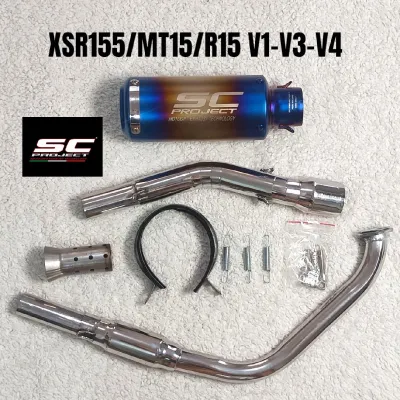
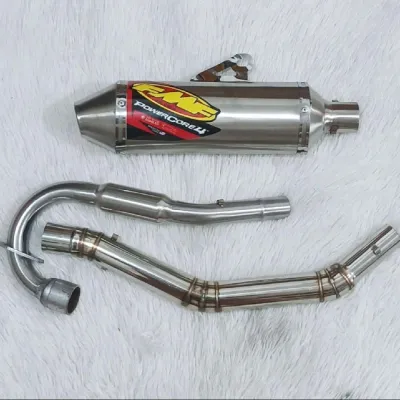
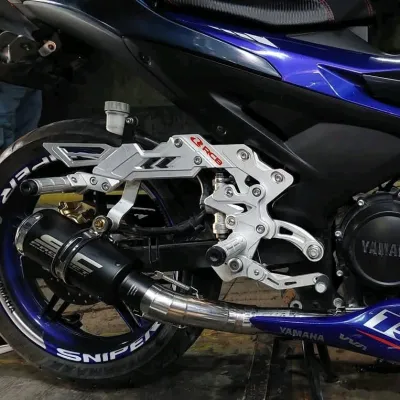
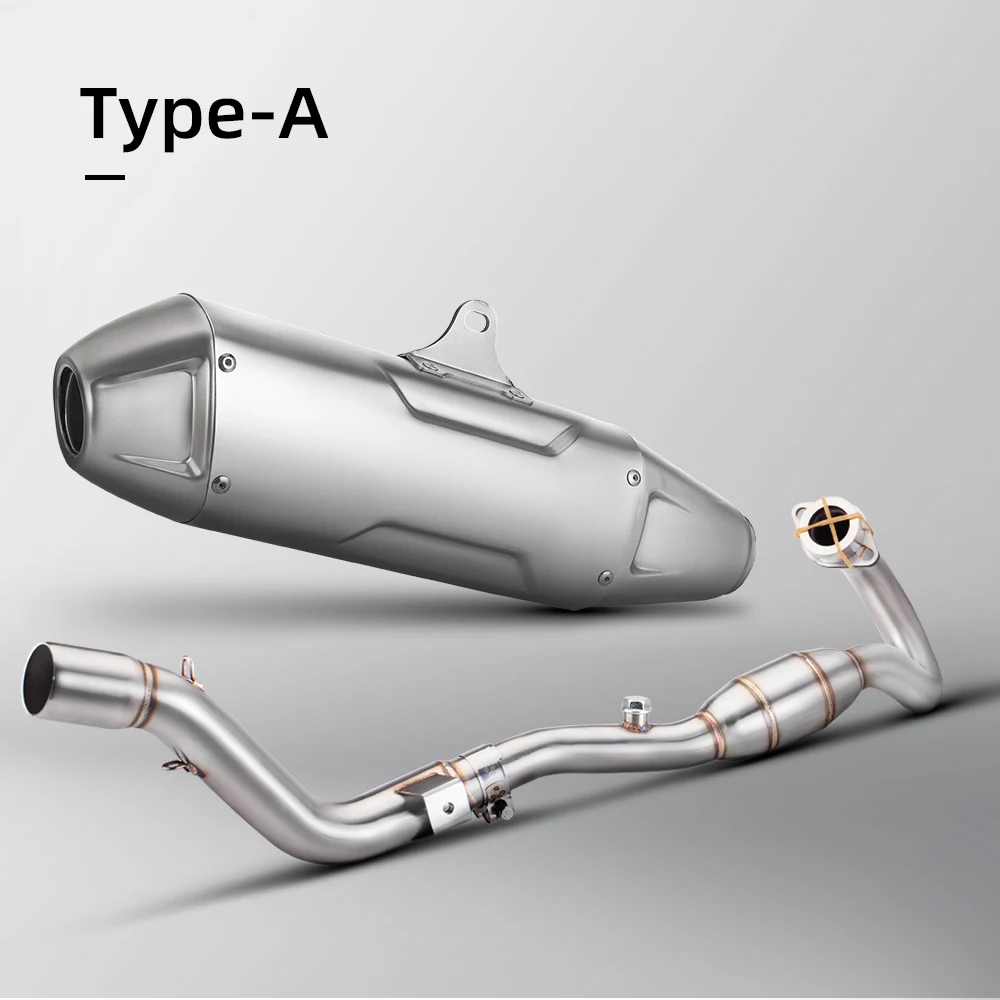
![[COD]Austin Racing Exhaust Motorcycle Exhaust Escape Moto Universal exhaust Muffler Ending Exhaust Pipe Link Pipe For Yamaha Honda Kawasaki Suzuki KTM rc390 LC135 150 Nmax 155 NVX125 Wave 110i Wave125i 51MM](https://img.lazcdn.com/g/p/55bf49ae11ee61ca1929fbe13abe31d7.png_400x400q80.png_.webp)
Prices are valid at publication and may change. Please refer to the product page for the latest price.
The core mechanism consists of an internal butterfly valve or baffle plate situated within a split pathway inside the muffler. When the valve is closed, the exhaust gases are forced to travel through a longer, baffled route filled with sound-dampening materials, which significantly reduces the decibel level. When the valve is opened, the gases take the path of least resistance, bypassing the heavy baffling to exit directly through a straight-through pipe, resulting in a deeper, louder, and more aggressive sound.
Actuating this internal valve is typically achieved through one of two primary methods: vacuum-actuated systems or electronic servo motors. Vacuum-actuated setups rely on engine vacuum pressure routed through silicone hoses to a vacuum diaphragm, controlled by an electronic solenoid switch. Electronic systems, on the other hand, utilize a high-torque electric servo motor mounted directly to the exhaust valve linkage, offering precise control without the need for complex vacuum lines.
The physical state of the valve directly impacts both the sound profile and the engine’s backpressure. A closed valve increases backpressure, which can actually scavenge exhaust gases more effectively at lower engine speeds, helping to maintain low-end torque. Conversely, an open valve minimizes backpressure, allowing the engine to breathe more freely at high RPMs, which is critical for maximizing top-end horsepower and achieving a sporty exhaust note.
When to Use the Quiet (Closed Valve) Mode
Operating your motorcycle in the quiet, closed-valve mode is highly recommended when riding through residential areas, gated subdivisions, and quiet barangays. Early morning departures and late-night arrivals demand a level of consideration for your neighbors, as sudden, loud exhaust notes can cause significant disturbance. Keeping the valve closed ensures your motorcycle starts up and idles at a respectful volume, preventing unnecessary friction within your community.

Low-speed city cruising is another scenario where the quiet mode proves highly beneficial. In dense urban traffic, where stop-and-go riding is the norm, a loud exhaust does not contribute to performance and can quickly become a source of rider fatigue. The closed valve maintains the necessary backpressure to keep your low-end torque responsive, making urban maneuvering smoother while keeping the ride peaceful.
During long-distance touring on open highways, a constant, high-decibel exhaust drone can lead to a condition known as rider exhaustion or auditory fatigue. Utilizing the quiet mode during steady-state cruising significantly lowers the ambient noise level beneath your helmet, allowing you to stay alert and comfortable over hours of continuous riding. This reduction in noise also makes it easier to hear ambient traffic sounds, sirens, or communication systems.
Additionally, keeping the valve closed is highly advantageous when passing through strict security checkpoints, toll plazas, or designated noise-sensitive zones. Many commercial establishments and high-security residential areas in the Philippines employ guards who monitor vehicle noise levels. Approaching these areas in quiet mode prevents unnecessary delays, inspections, or confrontations, ensuring a seamless transition through security gates.
When to Use the Open (Performance) Mode
The open, high-performance mode of your valvetronic exhaust pipe is best reserved for highway riding and high-RPM acceleration. When your engine is operating in its upper powerband, it produces a high volume of exhaust gas that must be expelled as quickly as possible. Opening the valve reduces restrictive backpressure, allowing the engine to breathe efficiently and deliver its maximum potential power at higher speeds.
Track days and spirited riding sessions on unrestricted, closed courses represent the ideal environment for the open mode. In these controlled settings, you can fully exploit the improved throttle response and aggressive exhaust note without violating public road etiquette or local ordinances. The tactile feedback of a free-flowing exhaust enhances the overall riding experience, providing clear auditory cues for gear shifts and throttle modulation.
Opening the valve can also serve a practical safety function during overtaking maneuvers on busy roads. The sudden increase in volume provides an immediate audible presence that alerts surrounding motorists, truck drivers, and pedestrians to your position. In heavy traffic or on provincial highways where blind spots are common, being heard can be just as crucial as being seen when executing a quick pass.
However, using the open mode requires a strong sense of social responsibility. Because the open valve significantly increases the decibel output of your motorcycle, it should never be used in crowded city centers, near hospitals, schools, or in quiet residential zones. Restricting the use of the open mode to appropriate times and locations ensures that you can enjoy your motorcycle’s performance without contributing to noise pollution.
How to Operate and Maintain Your Valvetronic System
Operating a modern valvetronic exhaust pipe is highly convenient, with manufacturers offering several user-friendly interfaces. High-quality valvetronic exhaust systems in the local market typically range from ₱15,000 to over ₱50,000 depending on the brand and motorcycle model, making it a significant investment that requires proper care. The most common method is a physical remote key fob that mounts directly to your handlebars, allowing you to toggle the valve state with a single thumb press. Other premium systems offer smartphone integration via Bluetooth, enabling you to customize valve behavior or set specific operational parameters through a dedicated app. Some advanced setups feature an automatic RPM-threshold controller, which monitors your engine speed and automatically opens the valve once you cross a preset RPM limit.
Maintaining the physical components of your valvetronic system is essential to prevent premature mechanical or electrical failure. For vacuum-actuated systems, you must regularly inspect the vacuum lines for signs of dry rot, cracking, or heat damage, especially since motorcycles operate in hot, humid tropical climates. For electronic systems, ensure that the wiring harnesses and electronic servo motor seals are intact and free from water ingress, particularly after riding in heavy monsoon rains or during routine bike washes.
Carbon buildup is the primary enemy of any variable exhaust valve, as soot and exhaust byproducts can cause the internal mechanism to seize. To prevent this, it is highly recommended to take your motorcycle on occasional high-RPM runs on open roads, as the sustained heat helps burn off soft carbon deposits from the valve seat. Conversely, avoid frequent short trips where the exhaust system never reaches full operating temperature, as this encourages wet soot to accumulate and harden around the valve pivot points.
You should also remain vigilant for warning signs that indicate your valvetronic system requires immediate attention. A metallic rattling noise coming from the muffler often points to a loose valve linkage or a worn return spring. If you notice a delayed response when pressing the control button, or if your motorcycle’s dashboard displays an actuator or sensor fault light, disable the system and inspect the actuator immediately to avoid driving with a partially blocked exhaust path.
Legal and Safety Considerations in the Philippines
Before installing a valvetronic exhaust pipe on your motorcycle in the Philippines, it is crucial to understand the legal framework surrounding aftermarket modifications. The Land Transportation Office (LTO) and local government units (LGUs) enforce strict regulations regarding vehicle noise, with specific decibel limits (often capped at 99 decibels at a specified distance and RPM). While a valvetronic system allows you to comply with these limits by keeping the valve closed on public roads, operating the vehicle with an open valve in restricted zones can lead to heavy fines, confiscation of the exhaust, or registration issues.
You must also consider the impact of aftermarket modifications on your motorcycle’s factory warranty and emissions compliance. Modifying the original exhaust system, particularly if it involves cutting the stock pipes or bypassing the catalytic converter, will almost certainly void your manufacturer’s engine and electrical warranties. Furthermore, altering the exhaust routing can affect the air-fuel mixture, potentially causing the engine to run lean and fail emissions testing during your annual LTO registration renewal.
Physical safety is another critical factor due to the extreme operating temperatures generated by high-performance exhaust systems. When routing the vacuum lines, electrical wiring, or mounting the servo motor, you must ensure there is adequate clearance from heat-sensitive plastic fairings, fuel lines, and brake hoses. Failure to secure these components properly can result in melted wires, vacuum leaks, or in extreme cases, localized fires due to contact with hot exhaust piping.
Because of the complexity involved in wiring electronic actuators, routing vacuum lines, and adjusting the engine’s ECU tuning, professional installation is highly recommended. A qualified technician can ensure that the electrical connections are properly fused and waterproofed to withstand local weather conditions. Professional installation also guarantees that the system is leak-free, preventing harmful exhaust gases from escaping prematurely and ensuring your engine runs safely across both valve modes. Always verify your specific motorcycle model, year, interface, mounting position, and road legality in your product and vehicle documentation before proceeding with any modifications.
Frequently Asked Questions (FAQ)
What should I do if the exhaust valve gets stuck?
If your valvetronic exhaust valve becomes stuck, your first step should be to check the vacuum lines for leaks or inspect the electrical connections to the servo motor. Ensure that the actuator is receiving power and that no fuses have blown. You should never attempt to force the valve open or closed manually using pliers or screwdrivers, as this can easily bend the internal shaft or damage the delicate gears inside the electronic actuator. If the valve remains seized after verifying the electrical and vacuum systems, consult a qualified motorcycle mechanic to disassemble the unit, clean the carbon deposits, or replace the faulty actuator to prevent excessive backpressure and potential engine damage.
Does a valvetronic exhaust improve fuel efficiency?
While a valvetronic exhaust system optimizes engine breathing by reducing backpressure at high RPMs, its direct impact on your daily fuel efficiency is relatively minor. In quiet mode, the increased backpressure can slightly improve low-end torque, which may help you accelerate more efficiently at low speeds, but this does not translate to significant fuel savings. Ultimately, your motorcycle’s fuel economy is heavily determined by your personal throttle habits, the accuracy of your ECU’s fuel map, and routine maintenance tasks like clean air filters and proper tire pressure. Using the open mode frequently often leads to more aggressive riding, which will naturally increase your overall fuel consumption.
Community discussion
Share your experience or ask a question. Comments are reviewed before publication.