
Navigating the sudden, torrential downpours of the Philippine wet season often leaves drivers struggling with slick roads, reduced visibility, and the sudden threat of hydroplaning. While specialized all-season rain tires offer enhanced water evacuation and improved wet grip compared to standard touring tires, they are not a universal shield against deep floodwaters, and their real-world performance remains strictly limited by water depth, vehicle speed, and physical tire wear. Understanding how these tires interact with wet asphalt and standing water is essential for making informed safety decisions before the next monsoon hits.
Choosing the right tire involves balancing design capabilities with the harsh realities of local road conditions. During heavy rains, the thin layer of water between your tire and the road acts as a lubricant, drastically reducing traction. All-season rain tires are engineered specifically to address this hazard, but they require active maintenance and realistic driver expectations to perform their job effectively.
What design features help all-season rain tires handle heavy downpours?
All-season rain tires utilize specialized tread patterns, deep circumferential grooves, and high-density siping to channel water away from the tire’s contact patch and maintain direct contact with the road. These design elements work together to reduce the risk of hydroplaning during heavy rainfall, though their effectiveness depends entirely on the tire’s physical condition and the volume of water on the road.
Products mentioned in this guide
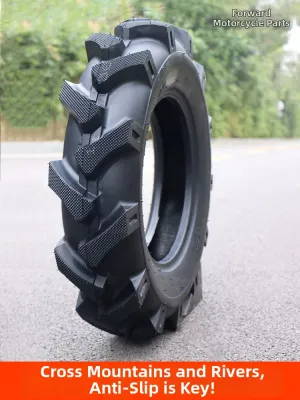
Prices are valid at publication and may change. Please refer to the product page for the latest price.
Hydrodynamic Tread Patterns and Grooves
The primary defense against wet-weather sliding is the tire’s tread geometry. Rain-focused tires often feature directional (V-shaped) or highly asymmetrical tread patterns designed to act as physical pumps. As the tire rotates, these sweeping grooves sweep water from the center of the tread outward, clearing a dry path for the rubber to grip. The depth and width of these channels dictate how many liters of water the tire can displace per second. Standard tires often have blockier, closed designs that trap water, whereas rain-optimized models prioritize open, continuous channels to maximize evacuation speed.
Microscopic Siping and Biting Edges
While large grooves handle the bulk of water displacement, sipes—tiny slits cut into the tread blocks—manage the remaining microscopic film of water. As the tire rolls onto the pavement, these slits flex and open, creating a vacuum effect that sucks up residual moisture and exposes the rubber directly to the road surface. This action provides the “biting edges” necessary for stable acceleration and braking on slick, wet asphalt. Without adequate siping, a tire is more likely to slip during sudden stops or sharp turns on wet roads.
Specialized Rubber Compounds
The chemical composition of the tire tread plays a critical role in wet-weather traction. Manufacturers formulate rain tires using specialized silica-rich rubber compounds that remain highly flexible even when cooled by rain. This pliability allows the tread to conform to the microscopic roughness of the road surface, increasing the actual contact area. However, because rubber formulations vary widely across brands, drivers must verify the specific wet-grip ratings and product labels provided by the manufacturer to understand the tire’s certified performance limits.
How do rain tires perform in shallow floods and standing water?
In shallow standing water, rain tires perform significantly better than standard tires by rapidly evacuating water to prevent the vehicle from riding on a liquid film. However, once water depth exceeds the physical height of the tire’s tread grooves, even the most advanced rain tire will hydroplane, losing all steering and braking control.

The Physics of Hydroplaning
Hydroplaning occurs when the speed of the vehicle causes a wedge of water to build up in front of the tire faster than the tread can evacuate it. When this upward hydraulic pressure equals the downward weight of the vehicle, the tire is lifted completely off the road surface, riding on a cushion of water. At this point, turning the steering wheel or pressing the brakes has zero effect because there is no physical contact with the pavement. Rain tires delay the onset of hydroplaning to higher speeds, but they cannot eliminate the physical phenomenon entirely.
Wet Roads vs. Flooded Roads
It is vital to distinguish between a wet road surface and a flooded road. A wet road has a thin, manageable layer of moisture that fits easily within the tire’s groove depth. A flooded road, even a shallow one with only a few centimeters of standing water, presents a volume of liquid that far exceeds what any passenger car tire can displace. When driving through standing water, the tire’s design becomes secondary to vehicle speed; reducing your speed is the only reliable way to prevent hydroplaning when encountering deep puddles.
Severe Vehicle and Mechanical Risks
Attempting to drive through deep or moving floodwater carries extreme risks that extend far beyond tire traction. Water entering the engine intake can cause immediate, catastrophic engine failure (hydrolock), while moisture in the electrical system can disable critical safety features. Furthermore, moving floodwater can easily sweep a vehicle off the road, regardless of the tire type or tread pattern. If you cannot clearly see the road surface, or if the water level rises near the bottom of your vehicle’s doors, you must stop, turn around, and seek an alternative route rather than relying on tire technology to push through.
Are all-season rain tires sufficient for monsoon driving in the Philippines?
All-season rain tires are highly effective for typical monsoon highway and city driving in the Philippines, but they are only one part of a larger vehicle safety system. Their real-world sufficiency is heavily influenced by vehicle weight, suspension condition, tire inflation, and, most importantly, driver behavior.
Vehicle Weight and Suspension Dynamics
A tire cannot work in isolation; its performance is directly tied to the vehicle’s overall dynamics. Heavier vehicles exert more downward force, helping the tire cut through standing water more effectively. Conversely, lighter vehicles—especially those utilizing smaller tire specifications such as a 500×12 size often found on light utility vehicles or classic compacts—require even greater vigilance because their smaller contact patches and lighter vehicle weights make them highly sensitive to water accumulation. Additionally, worn shock absorbers or misaligned suspension can prevent the tire from maintaining an even, firm footprint on the road, severely reducing wet grip.
The Exponential Impact of Tread Wear
The safety advantage of a rain tire degrades rapidly as the tread wears down. A brand-new rain tire with deep grooves offers maximum water evacuation, but as the tread depth decreases, the volume of the channels shrinks exponentially. By the time a tire is half-worn, its ability to resist hydroplaning is significantly compromised. Drivers must recognize that a worn rain tire may perform worse than a new standard tire, making regular wear checks a non-negotiable part of wet-season preparation.
The Role of Correct Tire Pressure
Maintaining the correct tire pressure is critical for ensuring the tread pattern functions as designed. Under-inflation causes the center of the tread to bow inward, reducing the contact patch and trapping water underneath the tire rather than channeling it away. Over-inflation, on the other hand, stiffens the tire and reduces the overall footprint, leading to a harsh ride and reduced lateral grip on wet curves. Always adjust your tire pressure according to the vehicle manufacturer’s specifications, which are typically found on a placard inside the driver’s door jamb.
Route Assessment and Driving Habits
While high-quality rain tires provide a valuable safety margin, they cannot compensate for reckless driving or poorly maintained infrastructure. Potholes hidden beneath standing water, sudden debris, and localized flooding require active defensive driving. Drivers should evaluate their daily routes and avoid known flood-prone areas during heavy downpours. Adjusting your speed, increasing your following distance, and avoiding sudden steering inputs remain the most effective ways to stay safe during the monsoon season.
What should you inspect before relying on rain tires this wet season?
Before the heavy monsoon rains begin, you must conduct a thorough physical inspection of your tires to verify their tread depth, structural integrity, and inflation pressure. Any signs of uneven wear, dry rot, or shallow tread mean the tires cannot safely handle wet roads and must be serviced or replaced.
Measuring Tread Depth and Wear Bars
To check if your tires are ready for wet roads, locate the built-in tread wear indicators (TWI). These are small, raised rubber bars situated inside the main tread grooves. If the surrounding tread has worn down to be flush with these bars, the tire has reached its legal wear limit and must be replaced immediately. For wet-season driving, waiting until the wear bars are flush is highly risky; many safety professionals recommend replacing tires once the tread depth drops below 3 millimeters to maintain adequate water evacuation.
Visual Inspections for Structural Damage
Inspect the entire surface of each tire, including the inner and outer sidewalls. Look for cracks, cuts, bulges, or embedded objects like nails and screws. Sidewall bulges indicate internal structural damage, often caused by hitting potholes, and present a severe risk of a sudden blowout. Additionally, check for uneven tread wear, which often points to wheel misalignment, improper inflation, or worn suspension components. If you detect any of these issues, seek professional assistance to correct the underlying mechanical problem before installing new tires.
Verifying Inflation Pressure
Use a reliable pressure gauge to check all four tires, plus the spare, when they are cold—meaning the vehicle has been parked for at least three hours. Always inflate the tires to the pressure recommended on the vehicle’s door jamb placard or in the owner’s manual. Do not use the maximum inflation pressure printed on the tire sidewall, as this figure represents the maximum pressure the tire can safely hold, not the optimal pressure for your specific vehicle’s handling and safety.
Knowing When to Consult a Professional
Establish clear safety boundaries for your vehicle’s operation. If you experience a persistent vibration in the steering wheel, if the vehicle pulls to one side during braking on wet roads, or if you observe any deep cracks or dry rot on the tire surface, halt highway driving immediately. These symptoms indicate that the tire’s structural integrity or the vehicle’s alignment is compromised. Consult a qualified tire professional or an authorized service center to perform a professional inspection, wheel balancing, and alignment to ensure your vehicle remains safe and controllable throughout the wet season.
Community discussion
Share your experience or ask a question. Comments are reviewed before publication.