
Diesel engines rely on high heat and compression to ignite fuel. Unlike gasoline engines that use spark plugs to constantly ignite the fuel-air mixture, diesel engines utilize glow plugs to preheat the combustion chamber before and during the initial starting phase. While glow plugs are highly durable components designed to last for many years, they eventually degrade due to extreme thermal cycling and electrical wear. Understanding when and why these components fail is essential for maintaining a reliable diesel vehicle, especially when navigating daily commutes, sudden tropical downpours, or humid morning starts.
In tropical regions such as the Philippines, drivers often assume that warm ambient temperatures eliminate the need for glow plugs. However, even in warm climates, a diesel engine requires a specific internal temperature to achieve clean, efficient combustion during a cold start—which refers to starting an engine that has cooled down to ambient temperature, regardless of the weather outside. When glow plugs begin to fail, they can cause sluggish starting, increased emissions, and unnecessary strain on your starter motor and battery.
Recognizing the Warning Signs of Failing Glow Plugs
A failing glow plug will usually reveal itself through noticeable changes in how your diesel engine behaves immediately after you turn the key. The most common indicator is difficulty starting the engine, particularly after it has sat idle overnight or during cooler, rainy mornings. If the combustion chamber does not reach the required temperature quickly, the fuel injected into the cylinder will not ignite efficiently, forcing the starter motor to crank the engine repeatedly before it finally catches.
Products mentioned in this guide
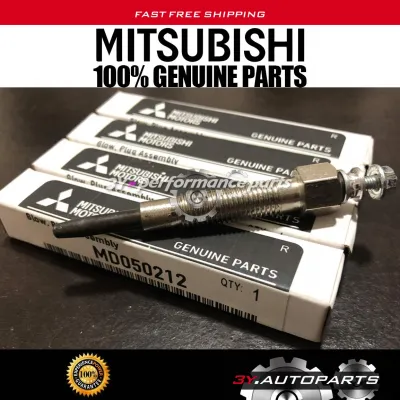
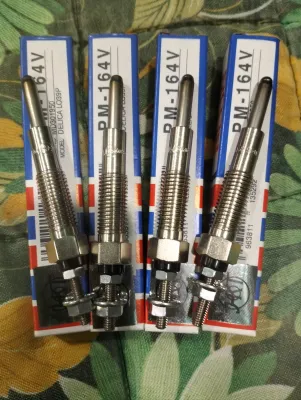
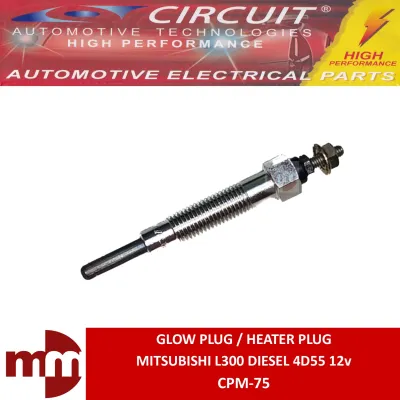
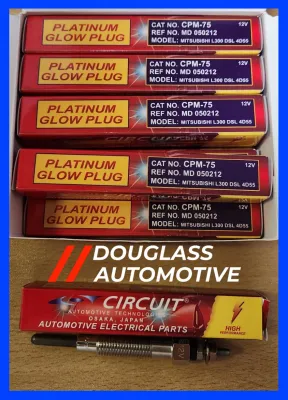
![[4 Pcs] Mitsubishi L300 Glow Plug - Made in Japan](https://img.lazcdn.com/g/p/77aba40f60ed734170f85edd43dc7599.jpg_400x400q80.jpg_.webp)
![TLCAR PARTS [2011 - 2020 2.2L] Ford Ranger Glow Plug Set - [2016 - 2018 2.2L] Ford Everest Glow Plug Set - Genuine JMC Ford Auto Parts - BK3Q6M090AB](https://img.lazcdn.com/g/p/760bbd9be99e2c85346a7e4e465574dc.jpg_400x400q80.jpg_.webp)
Prices are valid at publication and may change. Please refer to the product page for the latest price.
Once the engine does start, failing glow plugs can cause a highly unstable or rough idle. You might experience noticeable engine vibrations, sputtering, or misfires during the first few minutes of operation. This occurs because one or more cylinders are running cold, leading to incomplete combustion until the engine reaches its normal operating temperature. If the rough idling smooths out after the vehicle warms up, it is a strong sign that the initial heating system is at fault.
Exhaust smoke during the warm-up phase is another clear warning sign of glow plug degradation. If you notice a puff of white smoke when the engine finally starts, this is typically unburnt diesel fuel that has passed through the combustion chamber without igniting properly. Conversely, dark gray or black smoke can indicate incomplete combustion caused by insufficient heat, which leaves heavy carbon deposits. Monitoring your tailpipe during a cold start can provide immediate clues about the health of your ignition system.
Modern diesel vehicles are equipped with onboard diagnostic systems that monitor the electrical circuit of the glow plugs. If a plug fails, has incorrect resistance, or experiences a wiring fault, the vehicle’s computer will typically illuminate the check engine light or a dedicated glow plug warning light on the dashboard—often shaped like a coiled wire. Ignoring this light can lead to progressive starting issues and increased wear on other engine components, so it should always prompt a thorough inspection.
Conditions and Factors That Affect Glow Plug Lifespan
The actual lifespan of a glow plug is determined by how often it undergoes thermal cycling rather than a simple mileage count. Vehicles used primarily for short, frequent trips experience rapid heating and cooling cycles, which subjects the metal and ceramic heating elements to intense thermal stress. In contrast, vehicles driven on long, sustained highway journeys undergo fewer thermal cycles per kilometer, allowing the glow plugs to last significantly longer before the heating elements degrade.

Fuel quality and combustion health also play a major role in how long these components remain functional. Poor-quality diesel fuel or fuel contaminated with moisture can lead to uneven combustion and excessive carbon buildup inside the cylinder. This carbon can accumulate directly on the glow plug tip, insulating it from the combustion chamber or causing hot spots that accelerate physical degradation. Additionally, worn fuel injectors with poor spray patterns can spray raw fuel directly onto the hot glow plug tip, causing thermal shock and premature failure.
The health of your vehicle’s electrical system directly influences glow plug longevity. Glow plugs rely on a precise voltage delivered by the battery and regulated by a control module or relay. If the battery voltage is consistently low, or if the relay sticks in the “on” position, the glow plugs may be subjected to prolonged electrical current, causing them to overheat and burn out. Conversely, under-voltage can prevent them from reaching the necessary temperature, leading to carbon fouling.
Because operating conditions vary so widely, there is no universal replacement interval for glow plugs. Some manufacturers recommend inspecting them every 50,000 to 100,000 kilometers, while others design them to last much longer under ideal conditions. To ensure reliability, always consult your specific vehicle owner’s manual for the manufacturer-defined inspection intervals and maintenance schedules, rather than relying on generic online estimates.
Testing and Replacing Glow Plugs Safely
If you suspect a glow plug has failed, you can perform a basic diagnostic check using a digital multimeter. With the engine turned off and cool, disconnect the electrical connector from the top of the glow plug. Set your multimeter to measure resistance (ohms) and place the positive probe on the glow plug terminal and the negative probe on a clean ground point on the engine block. A healthy glow plug will typically show a very low, stable resistance reading; an open circuit or an unusually high resistance reading indicates a failed plug that needs replacement.
When purchasing replacement parts, it is critical to verify the exact part numbers, thread sizes, and voltage ratings specified in your vehicle’s service manual. Installing a glow plug with the wrong specifications can lead to poor starting performance, electrical system damage, or physical contact with the piston inside the cylinder. Always cross-reference the replacement part with the original equipment manufacturer (OEM) guidelines to ensure complete compatibility.
Replacing glow plugs carries a significant risk of physical damage to the engine. Over time, carbon deposits can lock the threads and the heating tip inside the cylinder head, making the plug brittle and difficult to extract. Applying excessive force during removal can easily snap the glow plug, leaving a portion of the threaded body or the tip stuck inside the cylinder head. Removing a snapped plug often requires specialized extraction tools or, in severe cases, the complete removal of the cylinder head, resulting in expensive repair bills.
To minimize this risk, DIY enthusiasts should establish clear stop conditions. If a glow plug does not loosen with moderate torque, or if you feel any binding or springiness in the metal as you turn the wrench, stop immediately. Do not attempt to force the plug out. At this point, it is highly recommended to consult a qualified mechanic who has the experience and specialized tools to extract stubborn or carbon-locked plugs safely without damaging the engine block.
Supporting Diesel Ignition Health Through Routine Care
Maintaining the overall health of your diesel engine’s starting system can significantly extend the life of your glow plugs. Since these components draw a massive amount of electrical current during the preheating phase, keeping your battery and alternator in top condition is essential. A weak battery forces the glow plug relay to work harder and can lead to voltage fluctuations that damage the delicate heating elements. Regularly testing your battery and cleaning its terminals helps ensure a stable power supply.
Using high-quality diesel fuel from reputable service stations is another practical way to protect your ignition system. Clean fuel burns more completely, reducing the amount of soot and carbon that can accumulate on the glow plug tips. Avoid using unverified aftermarket fuel additives or low-grade biodiesel blends unless they are explicitly approved by your vehicle’s manufacturer, as some additives can alter combustion temperatures and accelerate thermal wear on the plugs.
Drivers should also avoid the habit of excessive or repeated dry cranking. If your diesel engine does not start after the first few attempts, continuously turning the key will not help; instead, it will overheat the glow plugs and rapidly drain your battery. If the engine fails to start, allow the system to rest for a few minutes to let the glow plugs cool down before attempting to start the vehicle again, or begin troubleshooting the fuel and electrical systems.
Finally, keeping up with scheduled engine oil and filter changes is vital for minimizing internal carbon accumulation. Clean engine oil helps maintain proper cylinder compression and reduces the amount of blow-by gases that contribute to carbon deposits. By keeping the internal combustion environment as clean as possible, you reduce the risk of carbon fouling on the glow plugs, ensuring they can heat up quickly and operate efficiently for their entire intended lifespan.
Community discussion
Share your experience or ask a question. Comments are reviewed before publication.