
Finding the right motorcycle helmet storage is often an afterthought for riders. After a long, humid commute through city traffic, the immediate instinct is to set your gear down on the nearest flat surface. However, leaving expensive helmets on tables or chairs creates clutter and increases the risk of accidental drops. Wall-mounted helmet hooks offer an efficient, space-saving alternative that keeps your gear organized, dry, and out of harm’s way.
The ideal number of helmet hooks for your household depends on factors beyond the simple count of motorcycles in your garage. You must consider the number of active daily riders, your collection of spare or passenger helmets, the layout of your home, and the structural capacity of your walls. Choosing the correct capacity—typically ranging from 1 to 5 hooks—ensures every piece of gear has a safe home.
Here is a quick-reference summary of the 1 to 5 hook capacity spectrum:
Products mentioned in this guide
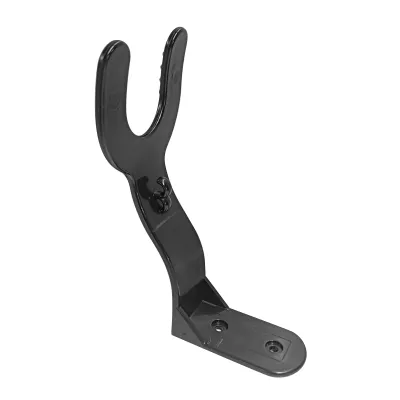
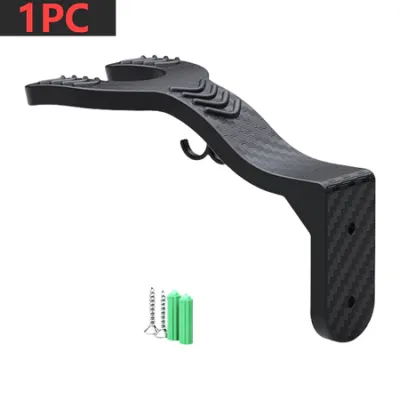
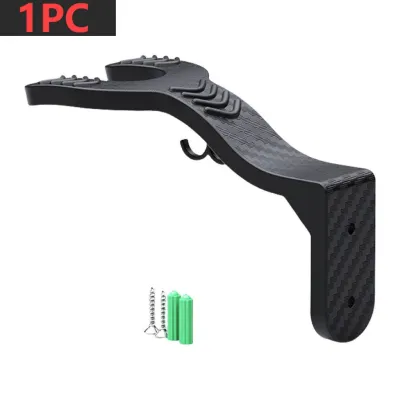
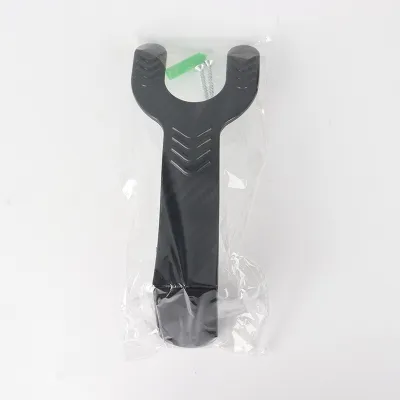
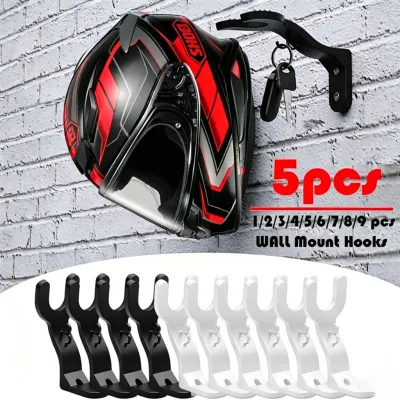
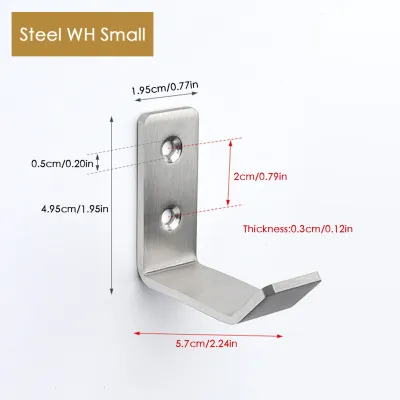
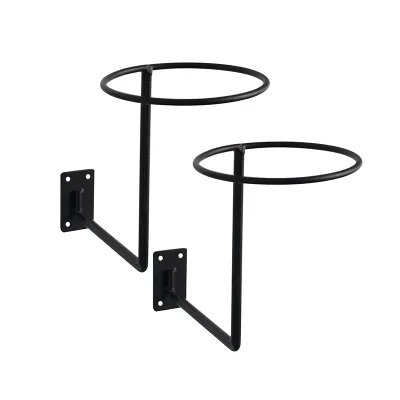
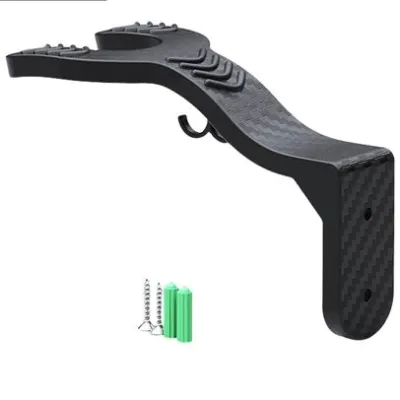
Prices are valid at publication and may change. Please refer to the product page for the latest price.
- 1 Hook: Best for solo commuters with a single daily-use helmet and limited wall space.
- 2-3 Hooks: Ideal for couples, solo riders with regular passengers, or individuals who use different helmets for different riding conditions.
- 4-5 Hooks: Perfect for multi-rider families, active riding clubs, or those wanting a centralized storage shelf for helmets, jackets, and accessories.
Purchasing a wall mount rack with a slight capacity buffer is highly recommended. For example, if you have two daily helmets, choosing a 3-hook rack prevents clutter and provides immediate storage for guest helmets. This extra space also prevents the temptation to stack helmets, which can damage delicate interior liners and scratch visors.
Step 1: Count Your Active Riders and Daily Helmets
The first step in determining your storage needs is calculating the baseline number of hooks required for everyday use. Start by counting the active riders living in your household who commute daily. In many households, multiple family members rely on scooters or underbones for daily transport, meaning helmet storage needs can multiply quickly.
The golden rule of motorcycle gear storage is simple: allocate one dedicated hook per daily-use helmet. While it might seem space-efficient to hang multiple helmets from a single hook or stack them on a shelf, doing so introduces significant risks to your safety gear.
Helmets protect your head through a specialized layer of Expanded Polystyrene (EPS) foam liner. This EPS liner is highly sensitive to pressure and is engineered to deform under impact to absorb energy. Stacking helmets or hanging them in a way that forces the weight of one helmet onto another can compress this protective foam over time. Any structural compression or alteration to the EPS liner compromises its safety performance, rendering an expensive helmet unsafe.
Beyond structural safety, improper storage poses serious hygiene risks, especially in tropical climates. Riding in hot and humid conditions inevitably leads to sweat and hair oils accumulating inside your helmet’s comfort liner. If you stack helmets or share hooks, you trap this moisture inside the dark, unventilated interiors. This creates an ideal breeding ground for bacteria, mold, and unpleasant odors, which can easily transfer to the next helmet or user.
Your daily commuting routine also dictates how your storage should be organized. If multiple riders leave at different times, they need quick, unobstructed access to their gear. Individual hooks mounted on a single wall-mounted shelf allow each rider to grab their helmet and keys without disturbing other gear, streamlining the morning rush and preventing accidental drops.
Step 2: Account for Spares, Passengers, and Extra Gear
Once you have established your daily baseline, it is time to account for hidden storage requirements. Many riders overlook the need for extra hooks until they find themselves with passenger helmets or wet riding gear cluttering their living spaces.

If you are a solo rider who regularly carries a pillion passenger—whether it is a spouse, family member, or friend—you must allocate at least one extra hook for their helmet. Leaving a passenger helmet sitting on the floor or tucked away in a dusty closet makes it inconvenient to access and increases the likelihood of damage.
Additionally, consider your collection of spare and guest helmets. In tropical regions, riders often maintain a variety of helmet types. You might use a heavy full-face helmet for long highway trips, but prefer a lighter, more ventilated open-face or half-face helmet for quick errands to the local market or neighborhood store. Each of these helmets requires proper storage to maintain its longevity. Keeping a dedicated hook for guest helmets also ensures that when friends visit, their gear is stored safely rather than piled on your furniture.
Furthermore, high-quality helmet racks often double as comprehensive gear stations. A 1-5PCS hook system featuring an integrated shelf or additional lower pegs can organize more than just helmets. You can use the extra capacity to hang heavy riding jackets, wet rain suits, riding gloves, knee guards, and even your motorcycle keys.
During the rainy season, having a dedicated, ventilated space to hang damp rain gear alongside your helmet is incredibly useful. Before finalizing your purchase, physically gather all the helmets, jackets, and accessories you intend to store. Laying them out gives you a clear visual representation of the total capacity and spacing you will need on your wall.
Step 3: Evaluate Wall Space and Mounting Safety
Before purchasing a multi-hook rack, you must evaluate the physical limitations of your designated storage area. A rack that is too large for your wall or improperly installed poses a major safety hazard to both your household and your expensive riding gear.
Begin by measuring the available horizontal and vertical wall space in your entryway, hallway, or garage. A single-bar rack designed to hold 4 to 5 helmets requires a significant amount of continuous horizontal width. If your wall space is limited or interrupted by door frames and structural columns, a modular system of individual, independent hooks is a much more practical choice. Modular hooks allow you to arrange your storage vertically, diagonally, or staggered to fit tight or awkwardly shaped spaces.
The material of your walls plays a crucial role in determining how you install the rack. Residential walls are commonly constructed from solid concrete, concrete hollow blocks (CHB) with plaster, or lightweight drywall and gypsum board partitions in modern condominium units. Each material requires specific hardware and installation techniques to ensure safety.
Always check the manufacturer’s specified load limits on the product packaging before beginning installation. Never guess the weight capacity of a hook or wall anchor. A single full-face helmet typically weighs between 1.3 and 1.8 kilograms. When you multiply this by four or five helmets, and add the weight of heavy riding jackets or wet rain gear, the total load on the rack can easily exceed 10 kilograms.
For solid concrete or hollow block walls, you must use a masonry drill bit to create pilot holes, followed by high-quality plastic wall plugs (tox) or steel expansion bolts. These anchors expand inside the concrete, providing the high tensile strength needed to support heavy loads.
If you are mounting a heavy 4-5 hook rack on drywall partitions, extreme caution is required. Screwing directly into drywall without proper support is highly dangerous; the weight of multiple helmets will quickly pull the screws out, causing the entire rack to collapse. To prevent this, you must locate the wooden or metal wall studs behind the drywall using a stud finder and secure the rack’s mounting screws directly into them. If studs are unavailable, you must use heavy-duty toggle bolts or hollow-wall anchors specifically rated for the total weight of your gear.
Choosing the Right 1-5PCS Rack Configuration for Your Home
With your capacity needs and wall measurements in hand, you can now select the specific product configuration that best suits your home layout. Manufacturers offer several distinct styles of 1-5PCS helmet hook racks, each tailored to different lifestyles and space constraints.
1-Piece Configurations Single-hook setups are the ultimate space-saving solution for solo riders, students living in dormitories, or individuals renting studio apartments. When choosing a single hook, look for designs that integrate a small top shelf or utility hooks. This allows you to keep your helmet, keys, wallet, and riding sunglasses in one compact, centralized location, maximizing your vertical wall space without cluttering the room.
2 to 3-Piece Configurations This is the most popular and versatile configuration for average households. It perfectly accommodates couples or solo riders who maintain a primary helmet and a spare passenger helmet. When shopping for a 2-hook or 3-hook rack, pay close attention to the spacing between the mounting points. Ensure there is at least 30 centimeters of clearance between each hook. Adequate spacing prevents helmet visors and outer shells from bumping into each other when hung side-by-side, protecting them from scratches. This setup also leaves plenty of room to hang a damp riding jacket to air out between rides.
4 to 5-Piece Configurations Designed for multi-rider families, active riding groups, or collectors, these high-capacity configurations keep large amounts of gear highly organized. When choosing a 4 or 5-hook setup, decide whether a single solid-bar rack or a modular multi-pack fits your space better. Solid-bar racks offer a clean, uniform look but require a wide, unobstructed wall. Modular multi-packs, on the other hand, provide maximum flexibility. You can install three hooks in your entryway for daily use and place the remaining two in your garage or bedroom for spare gear, adapting perfectly to your home’s layout.
Material and Finish Considerations Regardless of the capacity you choose, always inspect the design of the hooks themselves. Look for racks that feature rubber-dipped, silicone-coated, or foam-padded tips. Bare metal or sharp plastic hooks can easily scratch your helmet’s paint or, worse, tear the delicate fabric and compress the EPS foam of the interior liner when you slide the helmet onto the hanger. A soft, rounded protective tip ensures your helmet remains in pristine condition.
Frequently Asked Questions (FAQ)
Can I hang two helmets on one heavy-duty hook to save space?
Even if a hook is constructed from heavy-duty steel and rated for high weight capacities, you should never hang two helmets on a single hook. When you stack helmets, the outer shell of the top helmet presses directly against the interior liner or delicate visor of the bottom helmet. This constant pressure can compress the protective EPS liner, compromising its safety performance in an impact. Additionally, the high humidity and tropical climate of the Philippines mean sweat-soaked helmets need maximum airflow to dry. Stacking them traps moisture inside the liners, leading to the rapid growth of bacteria, mold, and persistent sour odors.
How high should I mount the helmet rack on the wall?
For optimal ergonomics, you should mount your helmet hooks at or slightly above the eye level of the primary users—typically between 1.5 and 1.7 meters from the floor. This height allows you to lift and place your helmet onto the hook comfortably without straining your back or shoulders. Always ensure there is sufficient vertical clearance below the hooks. Hanging helmets and any attached wet riding gear should hang completely free without touching the floor, shoe racks, or lower shelves. This prevents the gear from collecting floor dust, getting damp from wet shoes, or being accidentally kicked by household foot traffic.
Community discussion
Share your experience or ask a question. Comments are reviewed before publication.