
Navigating the sudden downpours, waterlogged streets, and intense highway heat of the Philippines requires tires that can adapt instantly to extreme environmental shifts. While Sailun offers a range of budget-friendly passenger and commercial tires, their performance in these demanding tropical conditions depends entirely on selecting the correct tread designs, rubber compounds, and load ratings specified for wet traction and heat dissipation. By understanding how to read tire sidewall markings, inspect physical tread features, and perform seasonal maintenance, you can determine if a specific Sailun tire model meets the safety and durability requirements of your daily drive.
What specific tire features matter for heavy monsoon rains and flooded roads?
When a vehicle travels over a wet surface, a thin film of water can build up between the tire tread and the pavement. If this water is not cleared rapidly, the tire loses contact with the road entirely, a dangerous phenomenon known as hydroplaning or aquaplaning. To prevent this, tires rely on deep circumferential grooves—the continuous channels running around the circumference of the tire—to collect and direct water away from the contact patch.
In addition to circumferential grooves, lateral grooves or sweeping directional channels are critical for pushing water out to the sides of the tire. A directional tread pattern, often shaped like a V, is highly efficient at pumping water away from the center of the tire at highway speeds. For everyday passenger vehicles, symmetric or asymmetric tread patterns with wide lateral channels provide a balanced approach, ensuring water is evacuated continuously regardless of the direction of travel.
Products mentioned in this guide
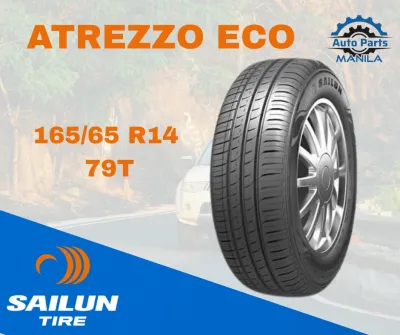
1 Lazada user ratings
🛠️Durability:good 💰Price:fair enough 🦶Traction:good 🛞 Sulit din naman at maganda ang design ng gulong compare sa iba.
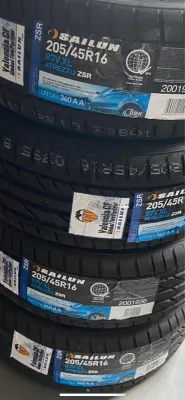
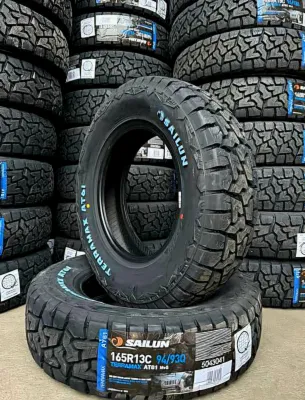
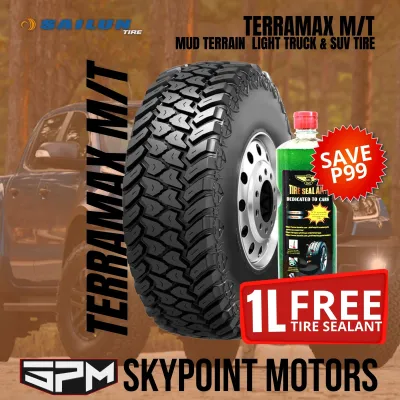
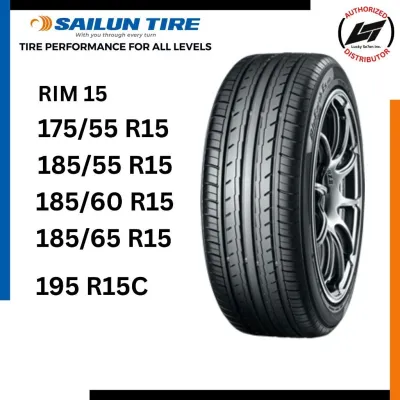
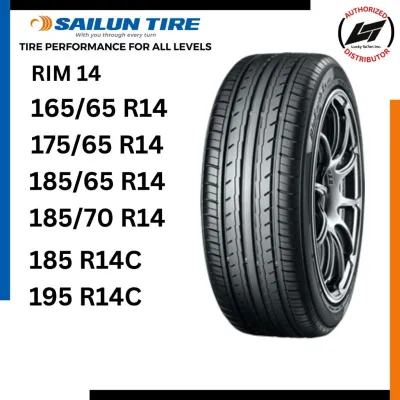
Prices are valid at publication and may change. Please refer to the product page for the latest price.
Sipes are tiny slits cut into the tread blocks that flex as the tire rolls. As these sipes make contact with the road, they open up to create a vacuum effect, sucking up microscopic films of water and allowing the rubber to grip the asphalt directly. These biting edges are crucial for maintaining traction during braking and cornering on slick, wet surfaces, especially during the initial minutes of a heavy downpour when oil and dust mix with rainwater to create an extremely slippery layer.
The chemical composition of the tread rubber determines how well it conforms to the microscopic roughness of the road surface. In wet and warm conditions, the rubber compound must remain flexible enough to grip the road but firm enough to resist rapid wear from high ambient temperatures. Modern tire manufacturers often incorporate silica into their rubber compounds, which enhances wet grip by improving molecular bonding and flexibility at a wide range of temperatures without sacrificing tread life.
How can you verify if a Sailun tire model meets these wet-weather requirements?
You can verify if a Sailun tire model is equipped for heavy rain by checking the Uniform Tire Quality Grading (UTQG) traction rating molded into the sidewall and physically inspecting the tread depth and channel layout. The UTQG traction rating is a standardized indicator of a tire’s ability to stop on wet concrete and asphalt under controlled testing conditions. This rating is represented by letters, with “AA” being the highest possible grade, followed by “A”, “B”, and “C”. For the heavy downpours common in tropical climates, choosing a tire with a traction rating of “A” or higher is highly recommended to ensure adequate stopping power.

When looking at a specific Sailun model, such as the Sailun Atrezzo series, observe the width and depth of the main circumferential grooves. There should be at least three or four wide, continuous channels running around the tire. If the tread blocks are tightly packed with very narrow channels, the tire is optimized for dry performance or quiet highway cruising rather than rapid water evacuation, making it less suitable for flooded city streets or waterlogged highways.
In addition to the physical inspection, look for the European Union tire label or official manufacturer specification sheets if available. These labels provide a clear wet grip rating, graded from A to E. A higher wet grip rating indicates shorter braking distances on wet roads. When purchasing Sailun tires, ask the authorized dealer for the technical data sheet of the specific model and size, as wet grip ratings can vary slightly between different tire widths and aspect ratios within the same product line.
Remember that tire specifications are only a baseline; actual on-road safety depends on maintaining proper tread depth. Even a tire with an “A” traction rating will hydroplane if the tread is worn down. Always consult your vehicle’s original equipment manufacturer (OEM) manual to ensure any replacement Sailun tire matches the recommended speed rating, load index, and physical dimensions required for your specific vehicle model and year.
Which tire characteristics help manage heat buildup on hot tropical asphalt?
Managing heat buildup on hot tropical asphalt requires a combination of robust internal casing structures, heat-resistant rubber compounds, and low rolling resistance designs. When a vehicle travels on sun-baked roads, the combination of high ambient temperatures and the friction generated by constant flexing causes the tire’s internal temperature to rise. This heat buildup increases the internal air pressure and accelerates the chemical degradation of the rubber, which can lead to tread separation or sudden tire failure if left unchecked.
To combat this heat, tires are constructed with internal layers of steel belts, polyester cords, and nylon cap plies. These materials are engineered to distribute mechanical stress evenly across the tire footprint, reducing localized friction and hot spots. High-quality casing materials help dissipate heat away from the tread area and toward the sidewalls, where air flowing past the moving vehicle can cool the tire more effectively.
The stiffness of the tread compound plays a major role in heat generation. As a tire rolls, it undergoes continuous deformation and recovery, a process called hysteresis. A compound that is too soft or has high rolling resistance will deform excessively, generating significant internal heat. Harder or more advanced silica-infused compounds maintain their structural integrity under high temperatures, reducing rolling resistance and minimizing the heat generated during long highway drives.
How do you check Sailun tire specifications for heat resistance and durability?
To confirm if a Sailun tire is rated for tropical heat and heavy loads, you must check the UTQG temperature rating, the speed rating, and the load index printed on the tire’s sidewall. The UTQG temperature grade measures a tire’s resistance to the generation of heat and its ability to dissipate heat when tested under controlled indoor laboratory conditions. This grade is marked as “A”, “B”, or “C”, with “A” representing the highest level of heat resistance. For vehicles driven frequently on hot highways in the Philippines, selecting a tire with a temperature grade of “A” is crucial for long-term durability.
The speed rating, represented by a letter (such as H, V, or W) at the end of the tire size service description, indicates the maximum speed at which the tire can safely carry its load under specified conditions. A higher speed rating generally indicates that the tire is constructed to withstand higher levels of centrifugal force and heat buildup. Similarly, the load index is a numerical code that specifies the maximum weight the tire can support. Exceeding this load limit causes excessive sidewall flexing, which generates dangerous levels of heat and increases the risk of a blowout.
Before purchasing any Sailun tire, compare the sidewall markings with the specifications listed in your vehicle owner’s manual. The manual will state the exact load index and speed rating required for safe operation. You should also consult Sailun’s official fitment guides or speak with a certified tire technician to verify that the chosen tire model is compatible with your vehicle’s suspension and alignment settings, as incorrect fitment can cause uneven wear and localized heat buildup.
What maintenance steps ensure optimal tire performance in changing tropical weather?
Maintaining optimal tire performance through alternating wet and dry tropical seasons requires regular cold-inflation pressure checks, visual inspections for physical damage, and monitoring the tread wear indicator bars. Tire pressure fluctuates with ambient temperature changes; for every 10-degree Celsius change in temperature, tire pressure can change by about 1 to 2 pounds per square inch (psi). Under-inflated tires flex excessively, generating dangerous heat on dry roads and reducing water evacuation efficiency on wet roads, while over-inflated tires have a smaller contact patch, reducing overall grip.
Flooded streets can hide deep potholes, sharp debris, and corrosive road chemicals. After driving through waterlogged areas, conduct a thorough visual inspection of your tires once they are dry. Look for cuts, bulges, or punctures in the tread and sidewalls, and check for embedded debris like stones or nails that could cause slow leaks. Additionally, inspect the tires for signs of dry rotting or cracking, which can be accelerated by constant exposure to intense tropical sunlight and UV radiation.
Tires feature built-in tread wear indicator bars—narrow bands of rubber molded into the tread grooves at a height of 1.6 millimeters. When the tread wears down to the level of these bars, the tire is legally worn out and must be replaced immediately. However, for driving in heavy monsoon rains, waiting until the tread reaches 1.6 millimeters is highly risky, as water evacuation capabilities drop significantly once tread depth falls below 3 millimeters. Replacing your tires before they reach the absolute limit is a critical safety practice.
Any tire maintenance, wheel alignment, or replacement should be performed by a qualified professional at an authorized service center. Incorrect mounting, improper wheel balancing, or misaligned suspension can cause rapid, uneven tire wear and compromise your vehicle’s handling and braking performance. Always follow the vehicle manufacturer’s original instructions for tire rotation intervals and torque specifications for lug nuts to ensure your vehicle remains safe on the road.

Community discussion
Share your experience or ask a question. Comments are reviewed before publication.