
Tire size directly impacts your vehicle’s fuel efficiency. Larger, wider, or heavier tires increase rolling resistance and rotational mass, which forces the engine to burn more fuel to maintain momentum. Conversely, narrower and lighter tires reduce friction and aerodynamic drag, helping to optimize your fuel economy.
In the Philippines, where daily commutes often involve stop-and-go traffic along congested urban highways or long drives across provincial roads under intense tropical heat, understanding this mechanical relationship is highly practical. Choosing the right tire dimensions can help you manage your monthly fuel expenses while ensuring your vehicle remains safe and stable.
The Mechanical Link Between Tire Dimensions and Fuel Consumption
Rolling resistance is the physical force that opposes the motion of your tires as they roll across a surface. Every time a tire rotates, the weight of the vehicle causes the rubber to deform slightly at the contact patch. This constant flexing generates heat and consumes energy, which your engine must continuously supply in the form of fuel.
Products mentioned in this guide
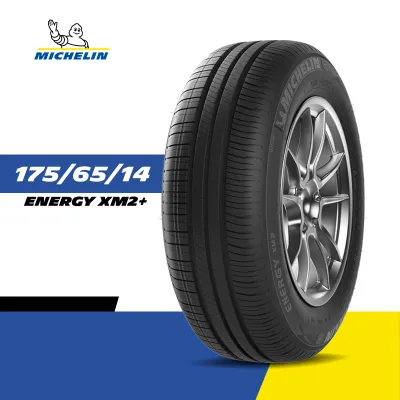
25 Lazada user ratings
🛠️Durability:goods since reliable brand 💰Price:sulit na sulit dahil sa vouchers 🦶Traction:di pa na try since first time using the brand fast …Read full reviewShow less
🛠️Durability:goods since reliable brand 💰Price:sulit na sulit dahil sa vouchers 🦶Traction:di pa na try since first time using the brand fast shipping and well-packaged! thanks
Both tires were well packed and in good condition. It was shipped immediately by the seller. Recent lang din ang production date which is 25…Read full reviewShow less
Both tires were well packed and in good condition. It was shipped immediately by the seller. Recent lang din ang production date which is 2525. Until next transaction.
Fast delivery, well packed, bought 4pcs from this shop with free 4 tire valves. Thank you sa seller, rider at Lazada 💰Price:9.9 sale big sav…Read full reviewShow less
Fast delivery, well packed, bought 4pcs from this shop with free 4 tire valves. Thank you sa seller, rider at Lazada 💰Price:9.9 sale big savings
DOT is 2024 as communicated by the seller thru chat and legit na 2024 siya thanks
Prices are valid at publication and may change. Please refer to the product page for the latest price.
Wider tires naturally create a larger contact patch with the road. While this broader footprint improves traction and cornering stability, it also increases the total area of rubber undergoing deformation. The resulting increase in rolling resistance requires more energy to overcome, leading to higher fuel consumption over time.
The physical weight of the tire also plays a critical role in fuel economy through rotational inertia. Unlike static weight inside the cabin, tires represent unsprung, rotating mass. Heavier tires require significantly more engine torque to start spinning from a complete stop. In heavy city traffic, where stop-and-start driving is constant, the energy required to repeatedly overcome this rotational inertia can noticeably lower your fuel mileage.
Decoding Tire Specs: Which Numbers Actually Impact Fuel Economy?
To understand how your specific tires affect fuel economy, you must look at the standard size markings on the sidewall, such as 205/55R16. The first number, the section width in millimeters, has the most direct impact on your fuel consumption. A wider tire increases the vehicle’s frontal area, which elevates aerodynamic drag at highway speeds while simultaneously increasing rolling resistance.

The second number is the aspect ratio, which represents the sidewall height as a percentage of the section width. A higher aspect ratio means a taller sidewall, which provides more cushioning against deep potholes and uneven road surfaces. While taller sidewalls can experience more lateral flex during cornering, their direct effect on rolling resistance is generally marginal compared to width and weight.
The final number indicates the wheel diameter in inches. Upgrading to larger wheels, such as moving from 15-inch to 17-inch rims, often requires installing lower-profile tires to maintain the same overall tire height. However, larger metal rims are typically heavier than the rubber sidewall they replace, which increases the overall rotational mass of the wheel assembly.
If the overall outer diameter of the tire changes significantly during an upgrade, it can also alter your vehicle’s final drive gearing. A larger overall diameter effectively results in taller gearing, which can lower engine RPM at highway speeds but force the engine to work harder during acceleration, ultimately shifting your fuel efficiency dynamics depending on your driving environment.
Grip vs. Efficiency: Navigating the Trade-Offs for Your Driving Needs
Selecting the right tire size requires balancing the desire for maximum fuel economy with the necessity of road safety. Wider tires offer a larger contact patch, which provides reliable grip, shorter braking distances, and better handling stability. This extra traction is particularly valuable when navigating wet roads during the heavy monsoon rains common in tropical climates.
However, the physical dimensions of the tire do not act alone; the rubber compound and tread pattern are equally influential. Some modern tires are engineered with specialized silica-infused compounds designed to lower rolling resistance without compromising wet-weather grip. Conversely, aggressive tread designs, such as those found on all-terrain or mud tires, create high rolling resistance regardless of their physical size due to the friction generated by the deep tread blocks.
For drivers who primarily commute on dry, flat highways or spend hours in slow-moving city traffic, prioritizing a narrower, fuel-efficient tire specification can yield noticeable savings at the pump. However, if your daily routes involve winding mountain passes, wet provincial highways, or frequent heavy loads, prioritizing wet grip and stability over marginal fuel savings is a much safer choice.
How to Verify and Select the Right Tire Size for Your Vehicle
Before making any changes to your vehicle’s tire dimensions, you must consult the manufacturer’s original specifications. This information is easily located on the tire placard—typically found on the driver’s side door jamb, inside the glove compartment, or on the inside of the fuel filler door—as well as in your owner’s manual. These documents list the approved tire sizes, load indexes, speed ratings, and recommended inflation pressures for your specific vehicle model.
Deviating from these recommended specifications carries serious safety and operational risks. Installing tires with an incorrect outer diameter can cause your speedometer and odometer to display inaccurate readings, potentially leading to unintended speeding. It can also disrupt the calibration of your anti-lock braking system (ABS) and electronic stability control (ESC), which rely on precise wheel-speed sensor data to function correctly.
Furthermore, oversized tires can rub against the inner fender liners or suspension components, especially when turning tightly or carrying heavy loads. Because tire selection directly impacts your vehicle’s braking, handling, and safety systems, always consult a qualified tire professional before making any size modifications. A professional can verify that any alternative size you consider remains compatible with your vehicle’s suspension geometry and road legality.
Frequently Asked Questions (FAQ)
Does downsizing my tires improve fuel efficiency?
Downsizing to a narrower tire width or a lighter wheel assembly can marginally improve fuel efficiency by reducing rolling resistance and rotational mass. However, you must never install tires with a lower load index or speed rating than what your vehicle manufacturer specifies. Downsizing below these safety limits can compromise handling, increase braking distances, and lead to premature tire failure under heavy loads or high tropical temperatures.
Will switching to lightweight alloy wheels save more fuel than changing tire size?
Switching to high-quality, lightweight alloy wheels reduces unsprung and rotational mass, which can improve acceleration response and slightly lower fuel consumption in stop-and-go driving. However, this modification is often a significant financial investment, sometimes costing upwards of ₱20,000 to ₱40,000 for a set, making it less cost-effective than simply choosing fuel-efficient tires. For safety, any aftermarket wheel must be verified for structural compatibility, load rating, and proper fitment with your vehicle’s original specifications.
Community discussion
Share your experience or ask a question. Comments are reviewed before publication.