
Achieving a deep, resonant rumble from your motorcycle exhaust is a highly satisfying upgrade that enhances the overall riding experience. However, finding a quality bassy sound muffler that delivers this acoustic profile without attracting unwanted law enforcement attention requires a careful balance. In the Philippines, where road regulations are strictly enforced, riders must understand both the acoustics of their exhaust systems and the local legal limits to avoid costly penalties.
You can successfully obtain a bassy, low-frequency tone while remaining completely street-legal by focusing on high-volume slip-on mufflers with dense internal acoustic packing. Keeping your motorcycle’s catalytic converter intact and utilizing adjustable baffle inserts allows you to control the overall decibel output. This approach ensures your bike delivers a deep, satisfying growl without exceeding the maximum noise thresholds set by national transportation authorities.
Understanding the Physics of a Bassy Exhaust Note
The distinct sound your motorcycle makes is the result of high-pressure exhaust gas pulses exiting the engine cylinders and traveling rapidly down the exhaust pipe. These pulses create sound waves that vibrate at various frequencies. To achieve a deep, bassy tone, you must manipulate these sound waves so that low-frequency vibrations are emphasized while high-frequency, raspy noises are filtered out.
Products mentioned in this guide
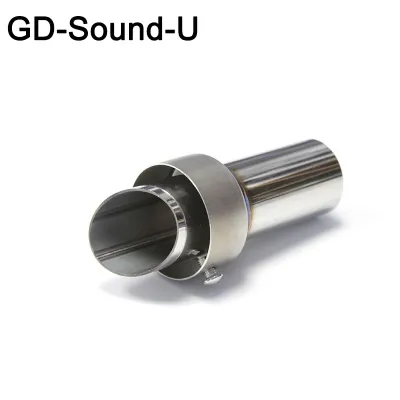
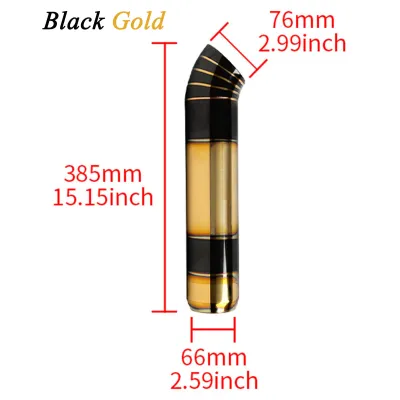
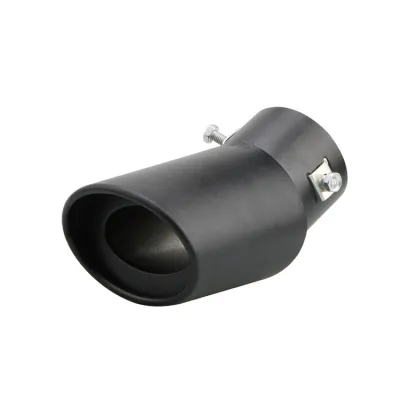
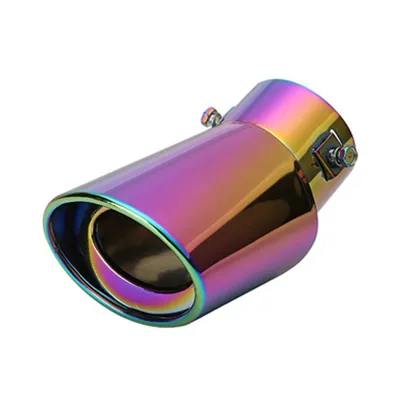
Prices are valid at publication and may change. Please refer to the product page for the latest price.
The physical dimensions of your exhaust system play a primary role in shaping this acoustic profile. A larger internal muffler volume and a wider pipe diameter give the exhaust gases more room to expand and cool. This expansion slows down the gas velocity, which naturally dampens high-pitched frequencies and allows the deeper, low-frequency bass notes to resonate. Conversely, narrow pipes and highly restrictive, multi-chambered factory mufflers compress the gases, resulting in a higher-pitched, more choked sound.
Your motorcycle’s engine displacement and cylinder configuration establish the baseline acoustic note before any modifications are made. A single-cylinder, small-displacement engine under 150cc naturally produces a faster, sharper pulse rate that is inherently more challenging to deepen. Larger multi-cylinder engines naturally produce a heavier, lower-frequency baseline sound. Regardless of your engine size, optimizing the flow path and maximizing the muffler’s internal capacity will help you extract the deepest possible tone from your specific machine.
Checking Philippine Noise Regulations Before You Modify
Before purchasing or installing any aftermarket exhaust components, you must familiarize yourself with the regulations enforced by the Land Transportation Office (LTO) and local government units. Under Republic Act No. 4136 and subsequent LTO administrative orders, the maximum allowable noise limit for motorcycles on public roads is strictly capped at 99 decibels (dB). Exceeding this limit can result in heavy fines, roadside citations, and the temporary impoundment of your vehicle.

Understanding how law enforcement measures exhaust noise is critical for maintaining compliance. Official testing is typically conducted using a calibrated sound level meter positioned exactly 0.5 meters away from the exhaust tip at a 45-degree angle. During the test, the inspector will rev the engine to a specific RPM, which is usually calculated as half of the engine’s maximum rated power speed. Because these tests are highly standardized, any modification you make must be evaluated under these exact conditions to ensure it remains legal.
Environmental compliance is equally important when modifying your motorcycle in the Philippines. Removing the catalytic converter or tampering with factory emissions-control systems is illegal under the Philippine Clean Air Act. These emissions systems actually play a significant role in absorbing harsh, high-frequency engine noises. Keeping your catalytic converter intact not only keeps your vehicle environmentally compliant but also acts as a natural pre-muffler that helps cultivate a deeper, less raspy tone.
Finally, it is highly recommended to keep your original stock exhaust system intact and safely stored in a dry environment. Having the factory exhaust on hand is invaluable if you ever need to revert your motorcycle to its original specifications for strict LTO registration inspections or if you decide to sell the vehicle in the future.
Choosing a Compliant Bassy Sound Muffler
Slip-On Mufflers vs. Full Exhaust Systems
When looking to upgrade your motorcycle’s sound, you will primarily choose between a slip-on muffler and a full exhaust system. A slip-on muffler replaces only the rear canister of the exhaust assembly, leaving the factory header pipes, mid-pipes, and catalytic converters completely untouched. This makes slip-ons a highly practical, cost-effective, and easily reversible modification that alters the sound character without drastically increasing overall volume.
A full exhaust system, on the other hand, replaces the entire tract from the engine cylinder head to the exhaust tip. While full systems offer noticeable weight reduction and minor performance gains, they eliminate the factory catalytic converter and significantly alter backpressure. This almost always results in a massive increase in raw volume, making it extremely difficult to keep the motorcycle under the legal 99 dB limit during roadside inspections.
For riders prioritizing daily usability and legal compliance on public roads, a slip-on muffler is the superior choice. It allows you to target the specific acoustic profile you want while keeping the overall decibel output within a manageable, legal range.
Baffle and Resonator Designs
The internal engineering of a muffler determines how it shapes the sound of your engine. High-quality aftermarket mufflers designed for a deep tone typically feature a straight-through perforated core tube. This core is wrapped in a dense layer of acoustic packing material, such as high-temperature fiberglass or ceramic wool. As the exhaust gases pass through the core, the high-frequency sound waves escape into the packing material and are absorbed, while the low-frequency bass waves continue out the tailpipe.
Some advanced mufflers also utilize internal resonance chambers. These chambers are precisely engineered to reflect specific harsh, high-pitched frequencies back onto themselves, canceling them out through destructive interference. This acoustic engineering allows the muffler to deliver a clean, deep rumble without requiring restrictive baffles that choke engine performance.
When shopping for a compliant setup, look for models that feature a removable or adjustable baffle, commonly referred to as a DB killer. These inserts fit into the end of the muffler tip, reducing the exit diameter and increasing backpressure to lower the overall decibel output. A DB killer allows you to easily tune your exhaust system to satisfy strict local noise limits while preserving the underlying low-end bass tone of the muffler.
Step-by-Step Guide to Installing a Legal Bassy Muffler
Modifying your motorcycle’s exhaust system requires precision and care to prevent leaks, structural damage, or safety hazards. Always consult your vehicle’s original manufacturer instructions and the documentation of your aftermarket exhaust before beginning the installation process.
Preparation
Park your motorcycle on a flat, solid surface and secure it on its center stand. Allow the engine and the entire exhaust system to cool down completely to avoid severe burns. Gather all necessary tools, including a socket set, a reliable torque wrench, high-temperature anti-seize compound, and a brand-new exhaust crush gasket designed specifically for your vehicle model and year.
Removal
Loosen the mounting clamp that secures the stock muffler to the mid-pipe. Next, remove the bolts holding the muffler to the passenger footpeg bracket or frame. Carefully support the weight of the stock muffler as you slide it off to prevent putting unnecessary stress on the engine exhaust port studs. Once the old muffler is free, use a pick tool to carefully extract the old, compressed crush gasket from the joint.
Installation
Thoroughly clean the mating surfaces of the mid-pipe to remove any carbon buildup, dirt, or old sealant. Insert the new exhaust crush gasket into the joint; reusing a worn gasket will cause exhaust leaks that ruin the deep sound profile and hurt engine performance. Apply a thin layer of high-temperature anti-seize compound to the threads of the mounting bolts to protect them from the extreme heat and local humidity. Gently slide the new slip-on muffler onto the mid-pipe.
Securing and Clearances
Hand-tighten all mounting bolts and clamps to ensure the assembly is aligned correctly. Using your torque wrench, tighten all fasteners to the manufacturer’s specified torque settings, working your way from the front connection to the rear mounting bracket. Check for adequate clearance—aiming for at least 15 millimeters—between the muffler body and the rear tire, swingarm, rear shock absorber, and passenger footpegs to prevent damage during suspension travel.
Safety Warning
If the aftermarket mounting brackets do not align naturally with your motorcycle’s frame, do not force them into place, as this introduces structural stress that can lead to bracket failure. If you encounter any alignment issues, or if the exhaust interferes with critical suspension, braking, or drive components, stop the installation immediately and consult a qualified professional mechanic.
Testing and Tuning Your Exhaust for the Perfect Sound
After securing your new muffler, roll your motorcycle to a well-ventilated outdoor area. Start the engine and let it idle while you visually and audibly inspect all joints for exhaust leaks. Listen closely for any sharp ticking, popping, or hissing sounds near the clamps, which indicate that exhaust gases are escaping prematurely.
To verify that your new setup is street-legal, you can simulate local LTO testing conditions. Have an assistant hold a decibel meter or a reliable sound measurement application exactly 0.5 meters away from the exhaust tip at a 45-degree angle. Gently rev the engine to half of its maximum rated RPM and note the decibel reading to ensure it remains safely below the 99 dB threshold.
If the initial test reveals that the sound is too loud, raspy, or sharp, you must tune the system. Reinstall the DB killer insert to restrict the exit diameter and lower the volume. If the exhaust still lacks a deep tone, you may need to repack the muffler canister with higher-density ceramic wool to absorb more of the high-frequency noise.
Frequently Asked Questions (FAQ)
Will a bassy muffler affect my motorcycle's fuel efficiency?
Installing an aftermarket slip-on muffler alters the backpressure within the exhaust system, which can slightly affect how efficiently air and fuel move through the engine. On modern fuel-injected motorcycles, the engine control unit (ECU) can typically adjust the fuel delivery within a safe margin, resulting in negligible changes to your overall fuel economy. However, if you install a highly open exhaust system or ride a carbureted motorcycle, the engine may run too lean. This condition can decrease fuel efficiency and cause the engine to run hot, requiring an ECU remap or carburetor jetting to restore optimal performance.
Can I use a db killer to make an aftermarket exhaust legal?
Yes, utilizing a DB killer is a highly effective way to reduce the overall volume of an aftermarket exhaust to meet the LTO’s 99 dB limit. These inserts restrict the exit path of the exhaust gases, which directly lowers the decibel output during roadside inspections. While a DB killer is excellent for maintaining legal compliance, the increased backpressure and restricted airflow can slightly alter the acoustic profile. This restriction may shift the exhaust note to a slightly higher pitch, mildly reducing the deep, open bass sound of the muffler.
Community discussion
Share your experience or ask a question. Comments are reviewed before publication.