
Driving with a foggy windshield is a stressful and hazardous experience, particularly during sudden downpours, humid evenings, or cool early mornings when temperature differences cause moisture to condense rapidly on the inside of your car glass. While anti-fog sprays offer an effective chemical barrier to maintain visibility, applying them incorrectly often leaves behind a distracting, streaky haze that can severely worsen night-time glare from oncoming headlights. To apply anti-fog spray to your car windshield without leaving streaks, you must thoroughly strip away all existing oils and dirt with a residue-free glass cleaner, apply a very light and even mist of the anti-fog product, spread it using straight, overlapping passes with a clean microfiber cloth, and immediately buff the surface with a separate, dry microfiber towel to remove excess residue before it cures. Taking the time to execute each phase of this process carefully ensures that the treatment bonds correctly to the glass, providing a crystal-clear view of the road ahead.
What causes windshield fogging and when is anti fog spray necessary?
Windshield fogging occurs when warm, humid air inside the vehicle cabin comes into contact with the cold glass surface, causing the moisture in the air to condense into tiny water droplets. This physical phenomenon is driven by the temperature differential between the interior and exterior of the car, combined with high humidity levels inside the cabin. When passengers breathe, sweat, or bring wet items like umbrellas into the vehicle, the air quickly becomes saturated with moisture. When this humid air hits glass cooled by outside air or air conditioning, it reaches its dew point, transforming invisible water vapor into a dense layer of microscopic droplets that scatter light and block your view.
An anti-fog spray is necessary when standard climate control adjustments—such as running the air conditioning, turning on the defroster, or cracking the windows—cannot keep up with the moisture buildup, or when you want a proactive barrier to maintain clear visibility without constantly adjusting your fan settings. A dedicated anti-fog treatment works by applying a hydrophilic coating to the glass surface. Instead of allowing moisture to form individual light-scattering droplets, the treatment forces the water to flatten out into a microscopic, transparent sheet of water that does not impair your vision.
Products mentioned in this guide
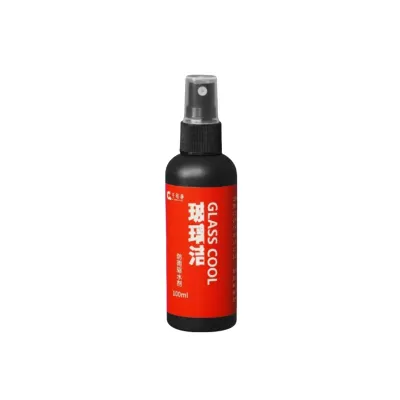
789 Lazada user ratings
Life-saver for motorcycle rides! 🏍💨 This anti-fog spray works magic - clear vision even during heavy rain. Applied on my helmet visor and car…Read full reviewShow less
Life-saver for motorcycle rides! 🏍💨 This anti-fog spray works magic - clear vision even during heavy rain. Applied on my helmet visor and car mirrors. Super easy to use and lasts weeks! All my rider friends want one now. Must-have for safety! ✨
👌Ease of Use:Since it comes in a small spray bottle, it's easy to carry and apply on glass surfaces. 💪Effectiveness:I haven't tried it yet o…Read full reviewShow less
👌Ease of Use:Since it comes in a small spray bottle, it's easy to carry and apply on glass surfaces. 💪Effectiveness:I haven't tried it yet on our vehicle mirrors.
Salamat po Lazada Salamat din po sa Seller naresiv ko npo item, diko lng po nasubukan pa kung effective ba. Sana lng effective para uulit pa…Read full reviewShow less
Salamat po Lazada Salamat din po sa Seller naresiv ko npo item, diko lng po nasubukan pa kung effective ba. Sana lng effective para uulit pa ako bumili.
Clear visibility in rain, Fast drying formula, Water beads off easily, good quality.. Happy to bough it..
Not effective. Scam yata ito or fake product, lalo lumabo nung umulan, parang may langis nung naulanan.
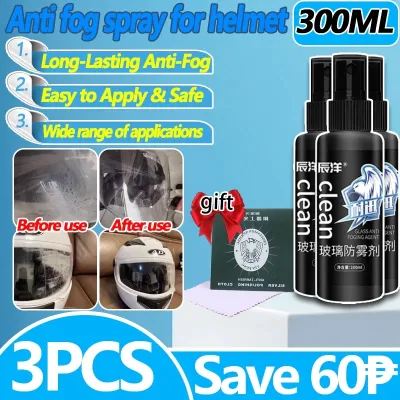
100 Lazada user ratings
👜Portability: This product is a real game-changer! I absolutely love it. And guess what? The delivery was spot on, just like I had hoped. I’…Read full reviewShow less
👜Portability: This product is a real game-changer! I absolutely love it. And guess what? The delivery was spot on, just like I had hoped. I’m definitely going to be a repeat customer!
Paglabas ko ng aircon room papuntang mainit, nagfo-fog yung lens ko. Sandali lang pero nakakabother. Ito ginamit ko, hindi na nangyayari. An…Read full reviewShow less
Paglabas ko ng aircon room papuntang mainit, nagfo-fog yung lens ko. Sandali lang pero nakakabother. Ito ginamit ko, hindi na nangyayari. Ang saya!
Nagsusuot ako ng salamin at face mask, laging nagfo-fog yung lens. Nakakainis, hindi ako makakita ng maayos. Ito ginamit ko, wala nang fog! …Read full reviewShow less
Nagsusuot ako ng salamin at face mask, laging nagfo-fog yung lens. Nakakainis, hindi ako makakita ng maayos. Ito ginamit ko, wala nang fog! Sulit.
Very good, the mist disappears very quickly when blown, and it lasts for a long time. It can be used for a long time
Works great, no fog on glasses when wearing mask.
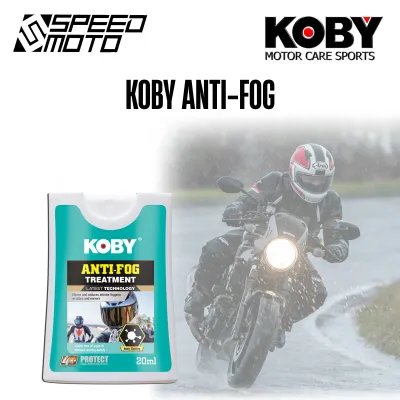
3,317 Lazada user ratings
Koby’s antifog and anti-rain helmet spray delivers outstanding clarity in all weather conditions, keeping the visor crystal clear even durin…Read full reviewShow less
Koby’s antifog and anti-rain helmet spray delivers outstanding clarity in all weather conditions, keeping the visor crystal clear even during heavy rain and cold rides. The long-lasting formula effectively prevents fog buildup while repelling water, significantly improving visibility and riding safety. Easy to apply and reliable, it’s a must-have accessory for riders who demand clear vision and confidence on the road.
Thankss!!!… working talaga to pra sa akin.. unlike nung hindi ako nka lagay nitp sa helmet ko…✅✅✅✅✅✅✅✅✅ Easy to apply and long-lasting, Great for ra…Read full reviewShow less
Thankss!!!… working talaga to pra sa akin.. unlike nung hindi ako nka lagay nitp sa helmet ko…✅✅✅✅✅✅✅✅✅ Easy to apply and long-lasting, Great for rainy weather rides, Perfect for motorcycle enthusiasts, Compact and travel-friendly,
very handy, pero pricey lang po for a 20ml. Per my husband, may fog parin daw po pero yung anti rain spray is OK po.
Convenient size for easy carrying, Easy to apply and long-lasting, Himdi na nattry. Edit ko kapag nagamit na
Convenient size for easy carrying, A must-have for all riders, Keeps my helmet visor clear and rain-free,
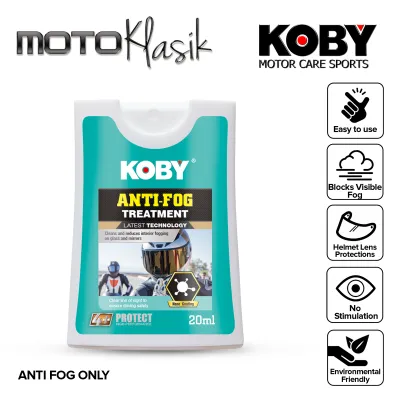
2,077 Lazada user ratings
Great for rainy days, Keeps my helmet shield clear, Perfect for all types of helmets, Convenient and portable size, No more foggy glasses, C…Read full reviewShow less
Great for rainy days, Keeps my helmet shield clear, Perfect for all types of helmets, Convenient and portable size, No more foggy glasses, Convenient and portable size, Easy to apply and use, Effective anti-fog treatment, Provides clear vision in rainy weather, Easy to apply and use,
Quality:good Appearance:good Performance:not yet tested hehe ung nagdeliver lng kupal iniiwan lng sa labas palibhasa hindi COD kung may nega…Read full reviewShow less
Quality:good Appearance:good Performance:not yet tested hehe ung nagdeliver lng kupal iniiwan lng sa labas palibhasa hindi COD kung may negative star lng na review sa delivery yun sana lalagay ko😑
use it every end of ride... the deodirant.. mabango konti... fresh feels sa ulo mo... anti fog not effective.. anti rain nit really teiwd on…Read full reviewShow less
use it every end of ride... the deodirant.. mabango konti... fresh feels sa ulo mo... anti fog not effective.. anti rain nit really teiwd onnrain but upon cleaning mwsyo ok naman
No more foggy glasses, Convenient and portable size, haven't tried it on a rainy day! i hope it will serve its purpose! I'll update here onc…Read full reviewShow less
No more foggy glasses, Convenient and portable size, haven't tried it on a rainy day! i hope it will serve its purpose! I'll update here once I try it on rainy day.
Keeps my helmet shield clear, Long-lasting and reliable, Convenient and portable size,
Prices are valid at publication and may change. Please refer to the product page for the latest price.
Before applying any product, check the manufacturer’s label to confirm it is formulated specifically for interior automotive glass. Some glass treatments are hydrophobic formulas designed for exterior use to repel rain, and applying these on the interior will result in a greasy, smeary film that is incredibly difficult to remove. Additionally, verify that the spray is safe for use near dashboard materials, leather trim, and sensitive electronic displays, as overspray can cause discoloration or damage to non-glass surfaces.
How should you prepare the car windshield before applying the spray?
Preparing your car windshield requires stripping away every trace of dust, grease, plasticizer film, and fingerprint oils using a dedicated, residue-free automotive glass cleaner and clean microfiber towels. If you apply an anti-fog treatment over an unclean surface, the active ingredients will bond to the dirt and oils rather than the glass itself, resulting in severe streaking, uneven coverage, and a hazy finish that distorts light. Over time, car interiors accumulate a stubborn, oily film caused by outgassing from dashboard plastics, smoke, and cabin condensation, all of which must be completely removed before the anti-fog chemistry can adhere to the glass.

To achieve a perfectly clean foundation, select an appropriate automotive glass cleaner that does not contain ammonia, wax, or silicone residues. Ammonia-based cleaners should be avoided because they can dry out and damage dashboard plastics, vinyl, and leather, and they can degrade aftermarket window tints. Wax and silicone additives, which are common in some multi-surface household cleaners, leave behind slick coatings that actively interfere with the anti-fog spray’s bonding process. A dedicated, tint-safe automotive glass cleaner is the safest choice for preparing the surface.
When cleaning, use clean, lint-free microfiber towels specifically designated for glass. Fold the towel into quarters and spray the glass cleaner directly onto the cloth rather than the windshield to prevent overspray from landing on your dashboard. Wipe the interior windshield thoroughly, paying close attention to the bottom edges and tight corners near the dashboard where dust and grime tend to accumulate. Use a second, completely dry microfiber towel to perform a final pass, ensuring no cleaning residue or moisture remains.
Finally, verify that the glass is completely dry and cool to the touch before proceeding to the application step. If the windshield is hot from sitting in the sun, the carrier liquid in the anti-fog spray will evaporate too quickly upon contact, preventing the active polymers from leveling out smoothly and causing immediate, stubborn streaks. Work in a shaded area or a garage to ensure the glass remains at a moderate temperature during the entire process.
What is the correct step-by-step method to apply anti fog spray evenly?
The correct method to apply anti-fog spray evenly is to spray a light, controlled mist onto a clean microfiber applicator pad or directly onto the glass from a distance of about 15 to 20 centimeters, then spread the liquid in straight, overlapping horizontal and vertical lines. Avoiding circular motions and heavy saturation prevents the product from pooling, dripping onto your dashboard, or drying unevenly. The key to a streak-free finish is moderation; applying too much product is the single most common cause of a ruined application.
Begin by shaking the product bottle thoroughly to ensure the active ingredients are fully suspended in the solution. Check the manufacturer’s label for any specific temperature or environmental recommendations, as extreme humidity or cold can affect how the product spreads and dries. If you choose to spray directly onto the windshield, apply only a very light mist across one section of the glass at a time, such as dividing the windshield into driver and passenger halves. For better control and to protect your dashboard electronics from overspray, it is highly recommended to spray the product directly onto a clean microfiber applicator pad or a folded microfiber cloth instead.
Once the product is on the applicator or glass, immediately begin spreading it using straight, overlapping passes. Move the cloth from top to bottom, then from left to right across the designated section. This cross-hatch pattern ensures that every square centimeter of the glass receives a thin, uniform layer of the treatment without leaving gaps. Avoid circular buffing motions during this stage, as wiping in circles tends to push the wet product into concentrated ridges along the edges of the wipe path, which will dry into visible, distracting streaks. Keep your pressure light and consistent as you guide the cloth across the glass.
How do you buff and cure the treated glass to prevent hazy residue?
To prevent a hazy residue, you must buff the treated windshield with a fresh, completely dry microfiber towel immediately after spreading the product, using firm and consistent motions to level out the coating, then allow the glass to cure undisturbed according to the manufacturer’s instructions. This buffing step removes excess active ingredients that did not bond to the glass, which is the primary source of post-application haze. If you skip this step or wait too long, the excess product will dry into a cloudy film that impairs visibility, especially when driving against the sun or oncoming traffic.
Use a high-quality, dry microfiber towel with a medium-to-high GSM (grams per square meter) rating for the buffing process, as these towels are softer and more absorbent. Fold the towel into quarters to give yourself multiple clean faces to work with. Begin buffing the glass using firm, circular motions this time, which helps to polish away any high spots or excess product. Flip the towel to a completely fresh, dry side frequently to ensure you are actually absorbing the excess liquid rather than just pushing it around the windshield. Continue buffing until the glass looks completely clear and the towel glides smoothly across the surface without any resistance.
After buffing, inspect your work from multiple angles to ensure no hazy patches remain. Sit in both the driver and passenger seats, and if possible, use a bright flashlight or park the car in direct sunlight to view the glass from different perspectives. Faint, cloudy spots are often invisible from the driver’s seat but become highly distracting when viewed from the passenger side or under direct light. If you spot any hazy areas, immediately buff them with a clean, dry section of your microfiber towel.
Once the glass is visually clear, allow the treatment to cure undisturbed. The curing process allows the active polymers to form a stable, durable bond with the glass surface. Avoid touching the interior windshield, rolling down the windows, or exposing the cabin to high humidity or moisture during this time. Check the product label for the exact curing duration recommended by the manufacturer, as some formulas require only a few minutes while others benefit from several hours of dry conditions to achieve maximum durability.
What common application mistakes cause streaks and how can you fix them?
Common application mistakes that cause streaks include applying too much product, using dirty or detergent-clogged microfiber towels, and failing to completely clean the glass beforehand. When too much product is applied, the excess active ingredients cannot bond to the glass and instead dry on top of each other, creating an uneven, smeary layer. Similarly, using a microfiber towel that has been washed with fabric softener or contains leftover wax from a previous detailing job will transfer those contaminants directly onto your clean windshield, resulting in immediate streaking.
If you notice streaks or a hazy film after the product has dried, you can often fix them without stripping the entire coating. Try taking a fresh, clean, slightly damp microfiber towel and gently buffing the streaky areas to level out the high spots. If the streaks persist, you may need to use a small amount of residue-free glass cleaner or a mild isopropyl alcohol solution to strip the failed application from that section, dry the glass completely, and reapply a much thinner layer of the anti-fog spray. Always check the product label and your vehicle’s manual before using any cleaning solvents, especially if your windshield has aftermarket window tint, as harsh chemicals can cause the tint to peel or discolor.
Knowing when to stop and consult a professional is crucial for maintaining your vehicle’s safety and integrity. If the haze or distortion persists despite multiple attempts to clean and reapply the product, the issue may not be the anti-fog spray. The cloudiness could be caused by physical etching on the glass, moisture trapped between the layers of a damaged windshield, or a degraded aftermarket window tint film that has begun to lift or oxidize. If you suspect your window tint is failing or if you observe any physical damage to the glass, consult a qualified auto glass professional or tint specialist rather than applying more chemical treatments.
How often should you reapply anti fog spray to maintain clear visibility?
You should reapply anti-fog spray when you observe water droplets beginning to bead or fog forming on the interior glass again, as the lifespan of the treatment depends heavily on environmental humidity, cabin airflow, and how often you wipe the windshield. Typically, a single proper application can maintain clear visibility for several weeks, but you must rely on these observable conditions rather than a strict calendar schedule to determine when a fresh coat is needed. In regions with frequent rain, high humidity, or dramatic temperature swings, the active coating may break down more quickly due to the constant demands placed on the hydrophilic barrier.
Environmental factors and daily habits play a significant role in how long the anti-fog treatment remains effective. For instance, frequently running your car’s air conditioning or heater creates continuous airflow across the glass, which can gradually wear down the microscopic polymer layer. Furthermore, physically touching the glass with your hands, wiping away dust with a rough cloth, or allowing pets to press their noses against the window will physically abrade and strip the coating in those specific areas, leading to localized fogging.
To prolong the lifespan of your anti-fog treatment, practice safe maintenance cleaning methods that protect the active coating. Avoid touching the interior glass with bare hands, as skin oils will immediately disrupt the hydrophilic barrier. If light dust accumulates on the windshield, gently wipe the surface with a clean, dry, ultra-soft microfiber towel using very light pressure. Do not use liquid glass cleaners, household detergents, or wet wipes for routine dusting, as these will strip the anti-fog coating entirely. When the glass eventually becomes dirty enough to require a thorough wet cleaning, accept that the cleaning process will remove the protective layer, and plan to reapply the anti-fog spray immediately after the glass is clean and dry.

Community discussion
Share your experience or ask a question. Comments are reviewed before publication.