
Keeping your car’s rubber seals, window tracks, and hinges moving smoothly often leads to a sticky, messy overspray that attracts dust and ruins your paint’s finish. Applying silicone spray lubricant cleanly requires target-area preparation, using precision application tools like a straw attachment, and immediately wiping away excess residue before it cures. Taking a systematic approach ensures that the lubricant protects your vehicle’s components without migrating to areas where it can cause cosmetic or functional issues.
Silicone is highly valued in automotive maintenance because it creates a clear, water-resistant barrier that reduces friction and prevents rubber from drying out. However, because it is typically delivered via a pressurized aerosol can, the fine mist can easily drift onto surrounding glass, paint, and interior plastics. Once dry, this mist forms a stubborn, greasy film that is difficult to remove with standard car wash soap.
By mastering a few simple preparation and application techniques, you can keep the lubricant exactly where it belongs. This guide covers the safe areas for application, the preparation steps needed to shield your vehicle, and the correct spraying methods to avoid a tedious cleanup process.
Products mentioned in this guide
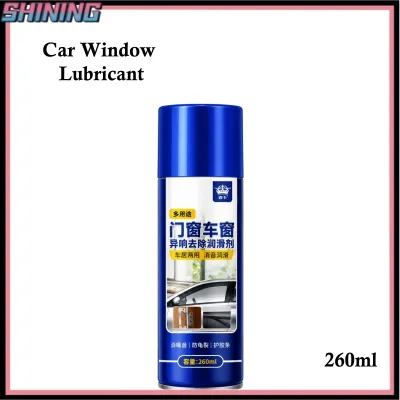
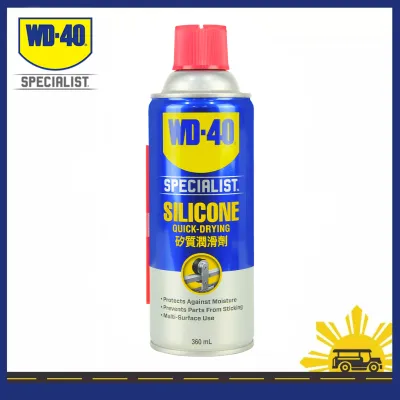
543 Lazada user ratings
High-performance formula for all your lubrication needs., Protects against moisture and prevents sticking., Excellent lubrication for high-p…Read full reviewShow less
High-performance formula for all your lubrication needs., Protects against moisture and prevents sticking., Excellent lubrication for high-pressure equipment., Doesn't attract dirt, stays clean.,
🛠️Durability: it seems durable 👌Ease of Use: the straw can access deep seated rust. Waterproof and moisture-resistant., Perfect for hard-work…Read full reviewShow less
🛠️Durability: it seems durable 👌Ease of Use: the straw can access deep seated rust. Waterproof and moisture-resistant., Perfect for hard-working machinery.,
Perfect for hard-working machinery., Waterproof and moisture-resistant., Versatile and reliable silicone lubricant.,
The item was received early , it was properly packed, received in good condition, original WD 40 Specialist Silicon
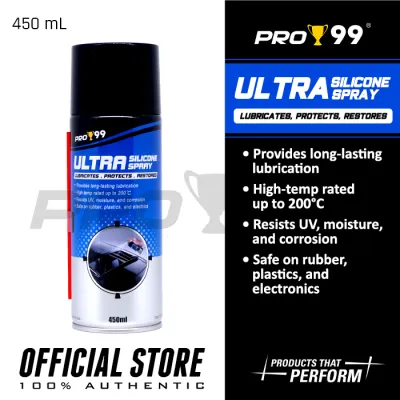
15 Lazada user ratings
🛠️Durability: yes it’s very durable 👌Ease of Use: yes it is very easy to use 🔨Durability: very durable 🔌Compatibility: yes compatible to our …Read full reviewShow less
🛠️Durability: yes it’s very durable 👌Ease of Use: yes it is very easy to use 🔨Durability: very durable 🔌Compatibility: yes compatible to our vehicle 🛢️Viscosity: hahajajsksk
Fast delivery. Well packed. Looks exactly as advertised. Gagamitin pa lang. Pag hindi ko inupdate review, it means ayus!
Really works na mag part na kinakalawang, pwedeng substitute sa wd40, also hindi cya nag momoist rin
thanks seller LAZADA and kuya rider 😁😁😁
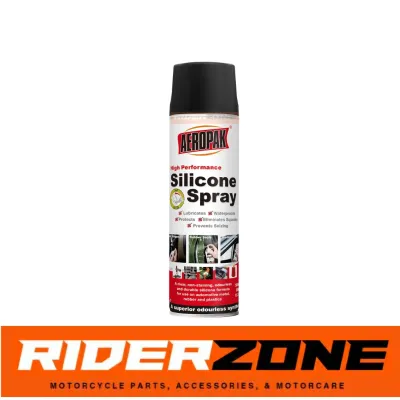
14 Lazada user ratings
✅Effectiveness: for cleaning brake maintenance
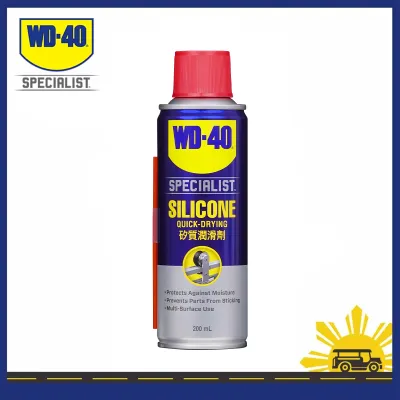
60 Lazada user ratings
Original WD-40 silicone spray.I used it as my car window lubricant and it worked perfectly. No more stocking up my car window. Thank you.
nice i can use it na
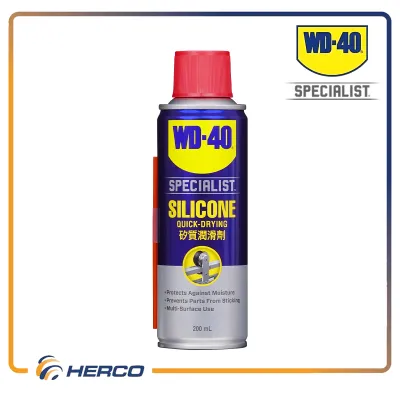
54 Lazada user ratings
legit original... well packed. dito ba ako bibili ulit.. good quality... effective.. gamit na gamit ko sa motor ko eto pic not related po 🛠️D…Read full reviewShow less
legit original... well packed. dito ba ako bibili ulit.. good quality... effective.. gamit na gamit ko sa motor ko eto pic not related po 🛠️Durability:perfect 👌Ease of Use:superb 🔨Durability:excellent
This is my nth order from this shop. Very fast delivery, inorder ko lang kahapon, dumating ngayon. Items were securely packed in a bubble wr…Read full reviewShow less
This is my nth order from this shop. Very fast delivery, inorder ko lang kahapon, dumating ngayon. Items were securely packed in a bubble wrap. thanks to the seller and Lazada!
thank you for the affordable price. got this in discounted price using my lazcoins🙂 been using this for awhile. will order again 🩵🩵🩵
I used this WD40 Silicone in refurbishing our white boards. It seems working, hopefully it will last.
ideal for my car window and other applications
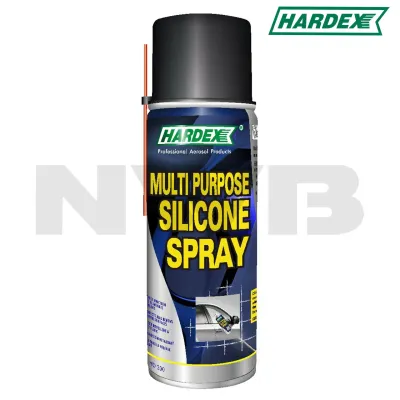
1,493 Lazada user ratings
Keeps rubber surfaces looking new., Perfect for wood, metal, and painted surfaces., Protects against rust and corrosion., Convenient size fo…Read full reviewShow less
Keeps rubber surfaces looking new., Perfect for wood, metal, and painted surfaces., Protects against rust and corrosion., Convenient size for easy application.,
Convenient size for easy application., Eliminates squeaks effectively., Quality formula for reliable performance., Eliminates squeaks effect…Read full reviewShow less
Convenient size for easy application., Eliminates squeaks effectively., Quality formula for reliable performance., Eliminates squeaks effectively.,
Keeps rubber surfaces looking new., Recommended for improving the color of plastics., Protects against rust and corrosion.,
Convenient size for easy application., Eliminates squeaks effectively., Versatile spray for various surfaces.,
Effective sa pagbawas ng ingay from panoramic sunroof for my MG ZS alpha 😁 Recommending to my friends
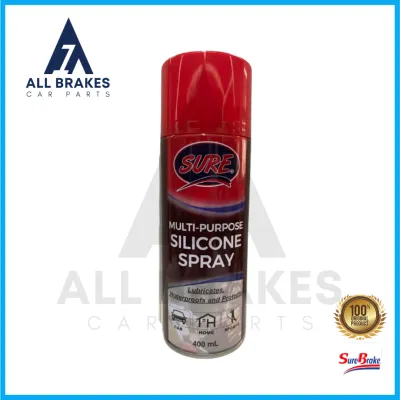
Prices are valid at publication and may change. Please refer to the product page for the latest price.
What car parts actually need silicone spray lubricant?
Silicone spray lubricant is highly effective for non-metal and mixed-material contact points, such as rubber weatherstripping, plastic trim joints, window tracks, and light-duty hinges. These components frequently suffer from friction, environmental exposure, and temperature fluctuations, making them ideal candidates for a protective, low-friction coating.
Rubber weatherstripping around doors, trunks, and hoods is one of the most common areas that benefit from silicone application. Over time, exposure to sun and moisture can cause these rubber seals to dry out, crack, or stick to the metal door frames. A light application of silicone keeps the rubber pliable, preserves its sealing properties, and prevents doors from freezing shut during cold weather.
Window tracks are another critical area where silicone spray can restore smooth operation. When the felt or rubber channels inside the door frame become dry or dirty, they create resistance against the glass, forcing the window regulator motor to work harder. Applying a compatible silicone lubricant directly into these tracks reduces friction, allowing the glass to slide effortlessly and extending the lifespan of your window motor.
Light-duty mechanical parts, such as door hinges, hood latches, and seat tracks, also benefit from silicone’s lubricating properties. Unlike heavy greases, silicone does not attract massive amounts of road dust, making it suitable for exposed moving parts. It is also excellent for quieting squeaks caused by plastic-on-plastic contact, such as interior trim pieces or dashboard joints that rub together while driving.
However, there are several critical automotive components where silicone spray must never be applied due to severe safety risks. You must strictly avoid spraying silicone on any part of the braking system, including rotors, pads, calipers, and drums, as the lubricant will destroy the friction necessary to stop the vehicle. Likewise, do not apply it to drive belts, pulleys, steering wheels, foot pedals, gear shifters, or tire treads, as slick surfaces in these areas can lead to a loss of vehicle control.
Before applying any product, always consult your vehicle’s owner’s manual and check the specific silicone spray label for material compatibility. Some formulations contain petroleum-based carrier solvents that can degrade certain types of plastics or specialty rubbers over time. Verifying that your product is rated safe for your specific vehicle materials is a crucial first step.
How should you prepare the area to prevent overspray and residue?
Preventing a messy application starts with thoroughly cleaning the target component and masking off all surrounding surfaces to catch any airborne mist. Taking the time to prepare the work area reduces the risk of accidental overspray and ensures the lubricant adheres properly to the target surface.

The first step in preparation is cleaning the component you plan to lubricate. Dirt, sand, road salt, and old grease can trap the silicone spray, creating an abrasive paste that accelerates wear rather than preventing it. Wipe down the target area with a mild automotive cleaner and a clean microfiber towel, ensuring all debris is removed and the surface is completely dry before proceeding.
Masking adjacent surfaces is the most effective way to prevent airborne silicone mist from settling on your paint or glass. Use high-quality painter’s tape and newspaper, plastic sheeting, or clean cardboard to cover nearby panels. For example, when treating window tracks, mask off the exterior paint of the door frame and the glass itself to avoid a tedious cleanup process later.
For smaller, more confined areas like door hinges or latch mechanisms, you can create a temporary shield using a thick microfiber towel or a piece of scrap cardboard. Hold the shield directly behind the component while you spray to catch any mist that passes through or bounces off the target. This simple barrier method keeps the surrounding engine bay or door jamb clean.
The environment in which you work also plays a major role in preventing overspray. Always park your vehicle in a well-ventilated, shaded area out of direct sunlight, as high temperatures can cause the carrier solvents in the spray to evaporate too quickly. Additionally, avoid working in windy conditions, as even a gentle breeze can carry the fine silicone mist onto unintended areas of your car or nearby vehicles.
What is the correct technique for applying the spray evenly?
The key to an even, mess-free application is using the right nozzle attachment, holding the can at the recommended distance, and applying the lubricant in short, controlled bursts. Proper technique ensures that you apply a thin, consistent layer of protection without causing drips, runs, or heavy buildup.
Before you begin spraying, shake the aerosol can vigorously for at least 30 seconds to ensure the propellant and active silicone ingredients are thoroughly mixed. It is also wise to perform a quick test spray on a scrap piece of cardboard. This test allows you to verify the spray pattern and ensure the nozzle is not clogged or sputtering, which could cause large droplets to land on your car.
Most automotive silicone sprays come with two application options: a wide-angle spray nozzle and a thin precision straw. Choose the attachment that matches your target area:
- Use the precision straw for tight, recessed spaces such as window tracks, lock cylinders, and hinge pivots to direct the lubricant exactly where it is needed.
- Use the wider spray nozzle for larger, flat surfaces like rubber weatherstripping, ensuring you maintain a protective shield behind the work area.
When applying the spray, hold the can at the distance recommended on the product label, which is typically between 15 and 20 centimeters from the surface. Avoid holding the trigger down for a continuous, sweeping motion, as this often leads to over-application and pooling. Instead, use short, targeted bursts of half a second to a second to gradually build up a thin layer.
Immediately after spraying, use a clean, dry microfiber cloth to wipe away any visible drips, pooling, or excess lubricant. Silicone spray is designed to leave a micro-thin protective film; any excess liquid left on the surface will not provide additional benefit and will instead attract dust, pollen, and road grime. Wiping the surface immediately ensures a clean, dry-to-the-touch finish that keeps the area looking professional.
How do you clean up accidental overspray on paint or glass?
Accidental silicone overspray on paint or glass must be cleaned immediately using an automotive-safe solvent or detailing spray to prevent a stubborn, dust-attracting film from bonding to the surface. Prompt action makes the cleanup process significantly easier before the silicone has time to fully cure or bake under the sun.
Silicone is highly resistant to water and standard car wash soaps, meaning a simple rinse will not remove accidental overspray. If left on your vehicle’s paint, the silicone film will attract dust and road grime, creating unsightly dull spots. Furthermore, silicone residue will prevent automotive waxes, paint sealants, or ceramic coatings from adhering properly to the clear coat during future detailing sessions.
To safely remove silicone overspray from painted panels, apply a small amount of an automotive-safe grease remover, a dedicated detailing spray, or a mild isopropyl alcohol solution to a clean microfiber towel. Gently wipe the affected area in a straight-line motion. Avoid scrubbing with heavy pressure, as any dirt particles trapped on the paint could cause micro-scratches in the clear coat.
For glass surfaces, such as windshields or side windows, silicone overspray can cause severe smearing and wiper blade chatter. Clean the glass using a dedicated automotive glass cleaner or a diluted isopropyl alcohol solution. Wipe the surface thoroughly with a clean microfiber glass towel, turning the cloth frequently to ensure you are lifting the silicone off the glass rather than spreading it around.
Once the silicone residue is completely removed and the surface is dry, you should restore protection to any treated paintwork. The solvents used to clean the overspray will likely have stripped away any existing wax or sealant. Reapply a standard automotive wax or paint sealant to the cleaned area to ensure your vehicle’s clear coat remains protected against environmental elements.
Which common mistakes cause the most mess or damage when using silicone spray?
The most common mistakes when using silicone spray include applying it near critical safety components, over-saturating surfaces, and using it as a substitute for specialized detailing products. Avoiding these errors protects your vehicle’s mechanical integrity, prevents cosmetic damage, and saves you from difficult cleanup tasks.
The most dangerous mistake is spraying silicone near braking systems, foot pedals, steering wheels, or any other control surfaces. Because silicone is designed to eliminate friction, even a tiny amount of overspray on brake rotors or pads can severely compromise your vehicle’s stopping power. If you accidentally contaminate any braking components, do not drive the vehicle; clean the affected parts immediately with a dedicated brake cleaner, or consult a qualified professional to ensure the system is safe.
Another frequent error is operating under the assumption that applying more product yields better results. Over-saturating a component leads to heavy runoff that drips onto adjacent parts and creates a sticky surface. This excess wet layer acts as a magnet for road dust, sand, and debris, turning the lubricant into an abrasive paste that can actually accelerate the wear of moving parts over time.
Using silicone spray as a substitute for dedicated cosmetic products is also a common misstep. While it can make faded plastic or tires look temporarily shiny, silicone spray is not formulated to protect these materials from UV damage in the same way dedicated tire shines or interior plastic dressings do. Using it incorrectly on interior plastics can create an oily, high-glare surface that distracts the driver and degrades the material over time.
Finally, many car owners ignore the manufacturer’s instructions regarding drying times and ventilation. Failing to allow the carrier solvents to fully evaporate before driving can cause the wet lubricant to fling off moving parts, splattering onto your clean paintwork. Always allow the product to dry completely in a well-ventilated area according to the label instructions before operating your vehicle.
Community discussion
Share your experience or ask a question. Comments are reviewed before publication.