
Riding a motorcycle in the Philippines presents a unique challenge, where intense tropical heat and high humidity constantly clash with the absolute necessity for road safety. Many riders face the daily temptation to ditch heavy protective gear in favor of a simple t-shirt or jersey, especially when stuck in crawling traffic along major thoroughfares like EDSA or C5. However, riding without adequate protection exposes you to severe road rash and impact injuries in the event of a slide or collision.
Balancing breathability and protection is not about choosing one over the other; it is about selecting gear engineered to handle both demands simultaneously. Modern riding apparel utilizes advanced textile blends, strategic mesh placement, and ventilated armor inserts to keep air flowing over your body while maintaining a tough outer barrier against asphalt. By understanding how to evaluate these materials, verify safety certifications, and match your gear to your specific riding routes, you can stay cool, dry, and fully protected on every journey.
The Core Trade-Off: Abrasion Resistance vs. Airflow in Tropical Weather
Operating a motorcycle in a tropical climate requires a deep understanding of how extreme heat affects rider performance and safety. When you wear heavy, non-breathable riding gear in high temperatures, your body heat becomes trapped inside the garment, leading to rapid sweating and a rise in core body temperature. This physical strain quickly manifests as dehydration, muscle fatigue, and a significant drop in mental alertness. On busy roads, a split-second delay in reaction time due to heat exhaustion can be just as hazardous as riding without any protective gear at all.
Products mentioned in this guide

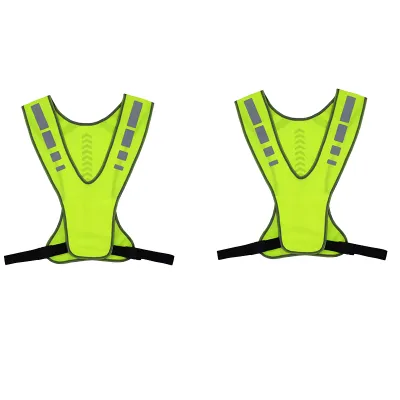
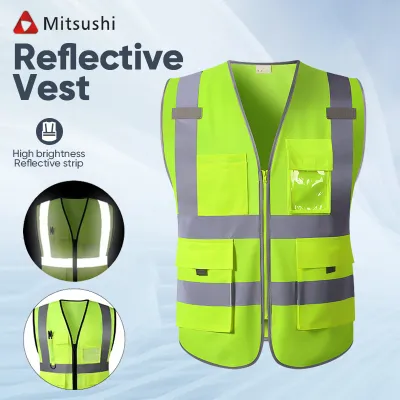
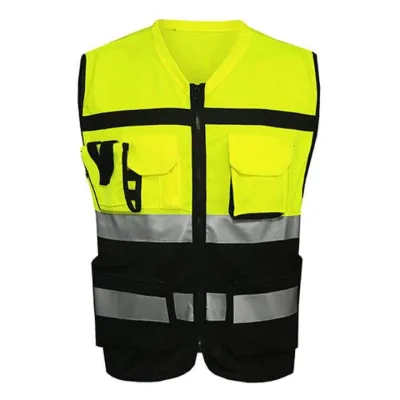
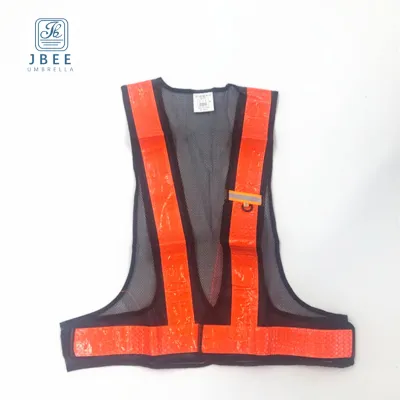
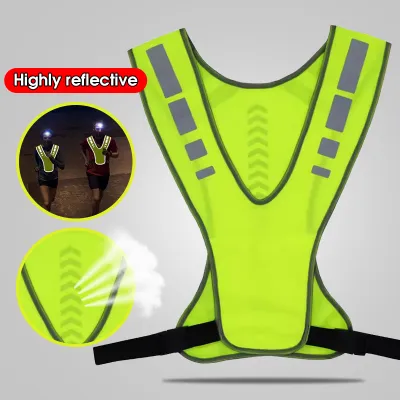
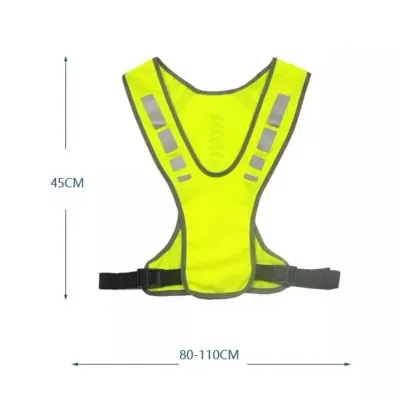
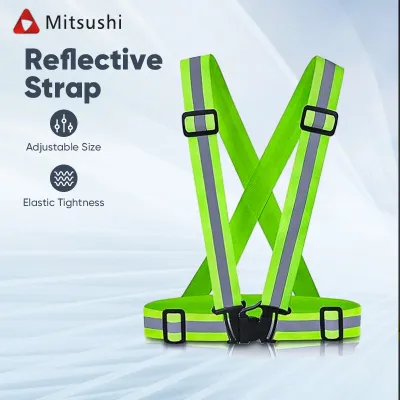
Prices are valid at publication and may change. Please refer to the product page for the latest price.
Despite the discomfort of the heat, your baseline safety requirements must never be compromised. A proper riding garment must perform two primary functions during an accident: absorbing the force of an impact and resisting the abrasive friction of sliding across the road surface. While lightweight fabrics like cotton or standard nylon feel cool, they disintegrate almost instantly upon contact with asphalt, offering zero protection to your skin and joints. The goal is to find gear that utilizes highly breathable materials without sacrificing these essential protective qualities.
To help riders navigate this compromise, reputable manufacturers provide specific climate ratings and intended-use labels on their products. When shopping for gear, look for garments explicitly classified for “summer,” “hot weather,” or “mesh” riding. These classifications indicate that the garment has been designed to maximize airflow through open-weave fabrics while retaining heavy-duty, abrasion-resistant textiles in critical impact zones. Understanding these labels allows you to filter out heavy winter or multi-season touring gear that is entirely unsuitable for the year-round humidity of the Philippines.
Verifying Crash Protection Features on the Garment Tag
To ensure a motorcycle jacket or vest offers genuine protection, you must look past marketing claims and inspect the official safety certifications printed on the internal garment tags. The most reliable indicator of impact protection is the CE (Conformité Européenne) certification mark. Look for tags that specify compliance with the EN 1621-1 standard for shoulder and elbow protectors, and the EN 1621-2 standard for back protectors. These standards guarantee that the armor inserts have undergone rigorous laboratory testing to measure how much impact force they absorb and dissipate.

When examining the armor, pay close attention to whether it is rated as Level 1 or Level 2. CE Level 1 protectors offer standard impact absorption suitable for daily urban commuting, while CE Level 2 protectors absorb significantly more force, making them ideal for high-speed highway riding. For tropical climates, look for modern, ventilated armor designs that feature a lattice or open-cell structure. These specialized inserts allow air to pass directly through the armor itself, preventing heat from building up against your shoulders, elbows, and back without compromising your impact safety.
Beyond the armor inserts, you must visually inspect the structural construction of the garment to verify its slide protection. Turn the jacket inside out and check the high-impact zones—specifically the shoulders and outer elbows—for double-layering of heavy-duty fabrics. Look closely at the seams to ensure they feature reinforced stitching, flat-felled seams, or bar-tacking at critical stress points. These heavy-duty stitching techniques prevent the panels of the jacket from bursting apart when subjected to the intense friction and pulling forces of a high-speed slide.
Finally, verify the overall garment’s abrasion resistance classification under the EN 17092 standard, which is typically printed on a booklet or tag stitched inside the lining. This standard rates riding apparel from Class C (impact protector carriers only) to Class AAA (highest level of protection, typically reserved for heavy leather racing suits). For tropical riding, Class A and Class AA garments represent the ideal sweet spot. They utilize high-tensile mesh and lightweight textiles to provide excellent airflow while still meeting strict laboratory standards for tear strength and abrasion resistance.
Evaluating Ventilation Systems for Maximum Airflow
When assessing a motorcycle jacket or vest for tropical use, the design and placement of its ventilation systems are just as important as its safety ratings. The most common ventilation method is the integration of large mesh panels. High-quality mesh is constructed from heavy-duty, high-denier polyester or polyamide fibers that allow wind to blow directly through the fabric. To maintain safety, these mesh panels should be strategically positioned in low-impact areas, such as the chest, underarms, and back, while solid, abrasion-resistant textiles cover the outer arms and shoulders.
Another highly effective ventilation design involves zippered intake and exhaust vents. On hybrid or non-mesh jackets, these zippered openings allow you to manually regulate the amount of air entering the garment. For maximum cooling efficiency, look for jackets with intake vents located on the chest, biceps, or forearms, paired with large exhaust vents on the upper back. This configuration creates a continuous vacuum effect, scooping cool air in from the front and drawing hot, humid air out through the rear as you ride.
The internal lining of the garment also plays a critical role in how cool you feel on the road. A high-quality tropical jacket should feature a fixed, moisture-wicking mesh inner liner that prevents the outer shell of the jacket from sticking to your skin when you sweat. Avoid jackets with permanently attached waterproof or thermal liners, as these layers act like plastic bags, trapping sweat and rapidly raising your body temperature. Instead, opt for a modular jacket system that includes a removable windproof or waterproof liner that you can easily pack away and only install when a sudden tropical downpour hits.
Your typical riding posture and motorcycle type should also influence your ventilation choices. If you ride an underbone, scooter, or standard street bike in an upright position, chest-mounted mesh panels and vents will catch the wind directly, providing immediate cooling. However, if you ride a sportbike or a motorcycle with a low, tucked riding position, chest vents may be shielded from the wind. In this case, look for jackets with prominent shoulder vents, bicep intakes, and large back exhaust panels that remain exposed to the airflow even when you are tucked behind a windscreen.
Motorcycle Jackets vs. Vests: Matching Coverage to Your Route
Choosing between a full-sleeve motorcycle jacket and a sleeveless protective vest requires a careful analysis of your typical riding routes, travel speeds, and personal risk tolerance. A full-sleeve jacket provides comprehensive upper-body coverage, securing impact armor over your shoulders and elbows while wrapping your entire arms in abrasion-resistant fabric. This complete coverage is essential for protecting your limbs from severe road rash, which can occur even during low-speed slides if your arms make direct contact with the pavement.
In contrast, a motorcycle vest focuses entirely on protecting your core, chest, and back. While a vest offers unparalleled airflow to your arms and underarms, keeping you exceptionally cool in heavy traffic, it leaves your shoulders and arms completely exposed to impact and abrasion. A protective vest, especially one equipped with CE-rated chest and back protectors, can be a practical option for low-speed, stop-and-go urban commuting, provided it is paired with heavy-duty, long-sleeved clothing. However, for highway riding, provincial touring, or any route where speeds exceed urban limits, a full-sleeve jacket is highly recommended due to the exponentially higher forces involved in high-speed crashes.
Beyond crash protection, you must also consider the environmental factors of riding in the Philippines. Spending hours on the road under the intense tropical sun can lead to severe sunburn, which accelerates dehydration and physical fatigue. A full-sleeve jacket acts as a physical barrier against harmful UV rays, keeping your skin shielded throughout the day. Furthermore, full sleeves protect your arms from wind fatigue, flying road debris, gravel, and large insects that can be painfully kicked up by other vehicles, ensuring a much more comfortable and focused riding experience over long distances.
Inspecting and Maintaining Riding Gear in High Humidity
The hot and humid climate of the Philippines can take a heavy toll on motorcycle gear, making regular inspection and proper maintenance essential for preserving both comfort and safety. Sweat, body oils, road grime, and rainwater quickly accumulate in the fabric fibers, creating an ideal environment for the growth of mold, mildew, and bacteria. If left unaddressed, this buildup not only causes persistent, unpleasant odors but can also slowly degrade the synthetic fibers and stitching of your jacket or vest, weakening its structural integrity over time.
To prevent mold and mildew, you must establish a proper drying routine after every ride. When you return home, immediately remove any damp gear and take out the removable armor inserts from their internal pockets. Hang the jacket or vest on a wide, heavy-duty plastic hanger in a shaded, well-ventilated indoor area with good air circulation. Never leave wet or sweaty gear crumpled inside a motorcycle top box, under-seat compartment, or a dark closet. Additionally, avoid hanging your gear in direct sunlight to dry, as prolonged exposure to intense UV rays can prematurely age synthetic fabrics, fade colors, and weaken the stitching.
Regular physical inspections are also crucial for ensuring your gear remains fully functional. Periodically check all hook-and-loop (Velcro) fasteners on the collar, cuffs, and armor pockets to ensure they are free of lint and debris, as weak fasteners can allow protective armor to shift out of place during a crash. Inspect all metal and plastic zippers for smooth operation, checking for any signs of corrosion or stiffness caused by humidity and road salt. Examine the seams, especially around the underarms and high-stress areas, for any loose threads, fraying, or seam separation that could compromise the garment’s strength.
When it comes to cleaning your riding gear, always stop and consult the manufacturer’s care label before applying any soaps, chemical cleaners, or waterproofing treatments. Many high-performance textile jackets feature specialized coatings or breathable membranes that can be easily damaged by harsh household detergents, bleach, or fabric softeners. Wash your gear using mild, unscented liquid soap or specialized technical fabric washes, and hand-wash or use a gentle machine cycle as recommended by the manufacturer. If you plan to apply a water-repellent spray to protect against sudden rains, verify that the product is specifically formulated for breathable motorcycle textiles to avoid clogging the ventilation pores.
Frequently Asked Questions (FAQ)
Can I wear a standard fashion leather jacket for motorcycle riding in hot weather?
No, standard fashion leather jackets are highly unsuitable for motorcycle riding, particularly in hot and humid climates. Fashion leather is typically thin, lacks the reinforced safety stitching required to prevent seams from bursting during a slide, and does not include pockets for impact-absorbing CE-certified armor. Additionally, fashion leather lacks ventilation ports or breathable mesh panels, which traps body heat and sweat against your skin, rapidly leading to severe heat exhaustion and dehydration on the road.
Are mesh motorcycle jackets safe enough for highway riding?
Yes, mesh motorcycle jackets are safe for highway riding, provided they are specifically engineered for motorcycle safety and carry verified certifications. When riding at highway speeds, ensure your mesh jacket features high-denier textile reinforcements, such as 600D polyester or heavy-duty nylon, on high-impact zones like the shoulders and elbows. The jacket must also be equipped with CE-certified Level 1 or Level 2 armor and carry an overall safety rating of Class A or Class AA under the EN 17092 standard to ensure adequate slide and impact protection.
How do I know if the armor in my jacket is still effective after years of use?
You can determine if your armor is still effective by performing regular visual and physical inspections. Remove the armor inserts from the jacket and check them for visible cracks, crumbling, or permanent warping. Gently bend the inserts; if they feel brittle, excessively stiff, or fail to return to their original shape, the material has degraded and can no longer absorb impact forces effectively. Additionally, check the manufacturer’s recommended replacement date, which is often printed directly on the armor’s certification label.
Community discussion
Share your experience or ask a question. Comments are reviewed before publication.