
Upgrading your vehicle’s gear shifter is a popular way to personalize your cabin, improve driving ergonomics, and refresh a worn interior. However, because aftermarket accessories are designed to fit a wide variety of vehicles, compatibility is never guaranteed. Determining if a universal gear shifter will fit your car requires verifying the physical connection between the new knob and your car’s existing shift lever. Before making a purchase, you must identify the attachment mechanism, measure the thread dimensions if applicable, check the overall length for cabin clearance, and evaluate whether adapter kits are necessary. Taking these diagnostic steps ensures you select a compatible part, saving you from wasting ₱ on an unusable accessory or causing permanent damage to your transmission linkage.
In the tropical climate of the Philippines, where high humidity and intense cabin heat can accelerate the wear of interior adhesives and plastics, a secure mechanical fit is even more critical. A loose or poorly fitted gear shifter is not just an aesthetic annoyance; it poses a severe safety hazard. If the shift knob detaches, spins, or slips while you are navigating heavy stop-and-go traffic or climbing steep mountain roads, you could lose control of your gear selection. This can lead to missed shifts, transmission damage, or a sudden loss of vehicle control. By systematically checking compatibility beforehand, you can ensure a safe, reliable, and comfortable driving experience.
Identify Your Shift Lever Attachment Type
Before purchasing any aftermarket gear shifter, you must understand how your factory shift knob is secured to the lever. Most vehicles use one of two primary attachment styles: threaded (screw-on) or non-threaded (which may use set screws, push-buttons, clips, or tension fits). To begin your inspection, safely park your vehicle on a level surface, engage the handbrake, and consult your vehicle’s owner manual for specific instructions on removing the factory knob. Some knobs simply unscrew counterclockwise, while others require you to gently pry off a trim piece, remove a retaining clip, or loosen a hidden screw at the base.
Products mentioned in this guide
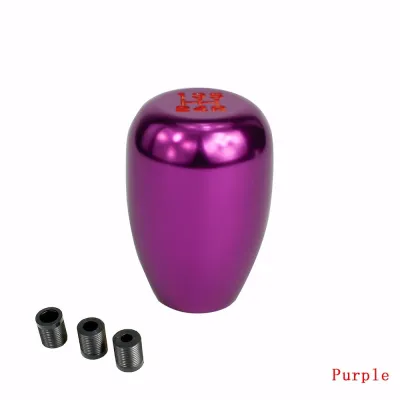
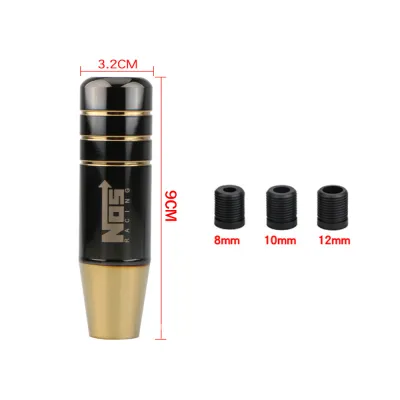
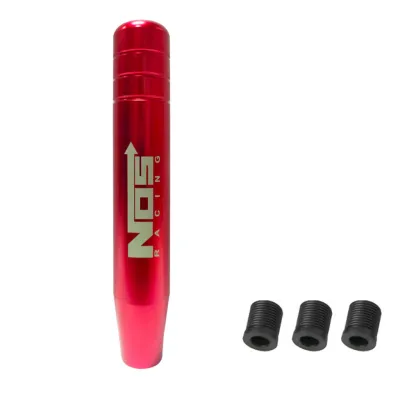
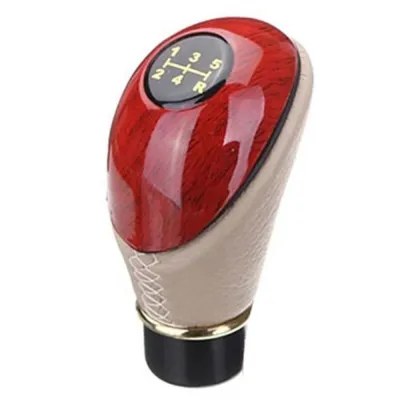
Prices are valid at publication and may change. Please refer to the product page for the latest price.
Once you have safely removed the factory knob according to the manufacturer’s instructions, visually inspect the exposed metal lever. If you see spiral ridges wrapping around the top of the metal rod, you have a threaded shifter. If the rod is completely smooth, has a flat notch on one side, or features a plastic sleeve with clips, you have a non-threaded shifter. Additionally, pay close attention to whether your vehicle features a lift-up reverse lockout collar. If you must pull up a ring below the knob to engage reverse gear, a standard universal shifter will block this mechanism unless it is specifically designed with a hollow base to accommodate the collar.
If your visual inspection is inconclusive, or if you suspect your vehicle uses a proprietary locking mechanism, do not force any parts. Forcing a knob off can bend the shift linkage or damage internal shift-lock cables. In these cases, consult your vehicle’s factory service manual or visit a qualified automotive technician to verify the attachment style before buying a universal replacement.
Measure Thread Size and Pitch for Screw-On Knobs
For vehicles with threaded shift levers, achieving a secure fit requires matching the exact thread diameter and pitch of your factory rod. Universal gear shifters often claim to fit “most” cars, but they actually rely on matching standard metric sizes such as M8, M10, or M12. To find these exact dimensions, do not guess or rely on online forums, as specifications can vary by model year and trim level. Instead, use a thread pitch gauge and digital calipers to measure the exposed metal rod.

Measure the outer diameter of the threads in millimeters to determine the basic size; for example, a 10mm diameter indicates an M10 thread. Next, use the thread pitch gauge to determine the distance between each thread ridge, commonly expressed in millimeters (such as 1.25 or 1.5). A complete thread specification is written as “diameter x pitch,” such as M10 x 1.25. Once you have these physical measurements, compare them directly against the universal shifter’s listed manufacturer specifications.
Never attempt to force a mismatched thread onto your shift lever. Forcing a knob with a different pitch or diameter will cross-thread the connection, permanently stripping the soft metal or plastic threads on either the lever or the new knob. Repairing a stripped shift lever often requires replacing the entire shift assembly, which is a costly and labor-intensive process that can be easily avoided with precise measurements.
Verify Shift Lever Length and Cabin Clearance
A universal gear shifter must not only fit the lever but also function safely within your vehicle’s cabin layout. Before purchasing, you must ensure that the physical dimensions, shape, and weight of the new knob will not interfere with your center console, dashboard controls, or driver ergonomics. Start by measuring the total height from the base of the shift boot to the top of your current factory knob, and compare this to the height of the proposed universal shifter.
A knob that is significantly taller or bulkier can alter your shifting leverage, potentially putting unnecessary stress on your transmission’s internal synchros during gear changes. Next, evaluate the physical clearance around the shifter throughout its entire range of motion. Shift the vehicle through every gear—including reverse, first, and fifth or sixth gears—and observe the distance between the shifter and surrounding cabin elements.
Ensure that the new, potentially wider knob will not strike the center console, cup holders, or dashboard buttons when fully engaged in any gear. In tight cabins common in compact cars, even a few millimeters of extra width can cause your hand to hit the dashboard or prevent the shifter from fully engaging, which can lead to gears slipping out of place while driving.
Assess the Need for Adapters or Professional Installation
Many universal gear shifters are packaged with a selection of plastic or metal thread adapters to accommodate various lever diameters. While these adapters can bridge the gap between a large knob opening and a smaller shift lever, you must carefully evaluate their material strength and stability. Metal adapters, such as those made of brass or aluminum, are generally more durable and less prone to stripping under the heat and humidity of tropical climates. Plastic adapters can degrade, warp, or strip over time, especially under the force of rapid gear changes, leading to a loose and unsafe knob.
Be cautious of universal kits that rely solely on rubber sleeves and tiny set screws tightened against a threaded lever. Using set screws on a threaded rod often damages the factory threads and rarely provides a long-term, secure connection. If your vehicle requires structural alterations, cutting the shift rod, or modifying the original shift boot collar to make a universal knob fit, stop immediately.
Any modification that compromises the structural integrity of the shift lever or interferes with safety features—such as reverse lockout collars or automatic shift-lock mechanisms—poses a severe safety risk. If the installation process is unclear or requires permanent modifications, consult a qualified automotive technician to ensure the work is completed safely and legally.
Pre-Purchase Compatibility Checklist
Before finalizing your purchase on any online marketplace or at a local auto supply shop, run through a final verification checklist to ensure you do not waste money on an incompatible part. Confirm that you have physically verified your attachment type (threaded vs. non-threaded), recorded the exact thread size and pitch, and measured the cabin clearance.
Check the seller’s return policy specifically for automotive interior accessories. Because fitment issues are common with universal parts, ensure you can return or exchange the item if it does not align perfectly with your vehicle’s shift lever upon physical inspection.
Finally, once you begin the installation, do not discard your original factory shift knob or any of its mounting hardware. Store these components in a safe, dry place inside your home. If the aftermarket universal shifter ever loosens over time, fails due to wear, or if you eventually decide to sell your vehicle, having the original factory parts on hand allows you to easily revert to a safe, original configuration.
Frequently Asked Questions (FAQ)
Can I use a universal gear shifter on an automatic transmission?
Most standard universal gear shifters are designed for manual transmissions and are not compatible with automatic vehicles. Many automatic shifters feature integrated shift-lock release buttons, trigger mechanisms, or electronic sensors that prevent the vehicle from shifting out of park without driver input. Attempting to install a basic manual knob on these systems can disable critical safety features or prevent the vehicle from operating entirely. Always check if your vehicle uses an electronic shift-by-wire system or has integrated steering wheel paddle shifters, and consult the manufacturer’s guidelines before attempting to modify an automatic shifter assembly.
What should I do if the universal shifter feels loose after installation?
If your new gear shifter feels loose, spins, or wobbles after installation, immediately stop using the vehicle. Operating a car with a loose shifter is highly dangerous, as the knob could detach during a gear change and distract you or interfere with the pedals. Safely park the vehicle, engage the handbrake, and remove the loose knob to inspect the connection. Check for missing internal rubber bushings, stripped thread adapters, or worn factory threads on the lever. Ensure you are using the correct adapter size and that all fasteners are tightened to the manufacturer’s specified torque without over-tightening, which can strip the threads.
Community discussion
Share your experience or ask a question. Comments are reviewed before publication.