
To determine if a universal shift stick cover will fit your car’s gear lever, you must measure the physical dimensions of your gear knob and compare them against the product’s specifications. You also need to evaluate the shape of the lever, check for integrated buttons, and consider how the material performs under local driving conditions.
While the term “universal” suggests a one-size-fits-all solution, automotive manufacturers design gear levers in a vast array of shapes, sizes, and configurations. A cover that fits a standard round manual shifter may fail completely on a modern automatic lever with a trigger release. Taking a few minutes to measure and inspect your setup before buying prevents the hassle of returning an unusable accessory.
Why Universal Shift Stick Covers Might Not Fit
A “universal” label on automotive accessories is often a marketing term rather than a technical guarantee. In reality, these products are designed to stretch or adjust to fit a broad range of standard shapes, but they cannot accommodate every unique original equipment manufacturer (OEM) design. Understanding the limitations of these covers helps you avoid common installation and usability issues.
Products mentioned in this guide


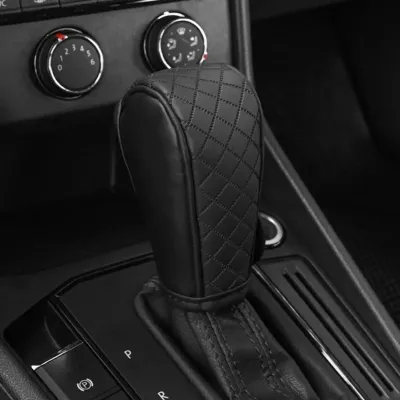


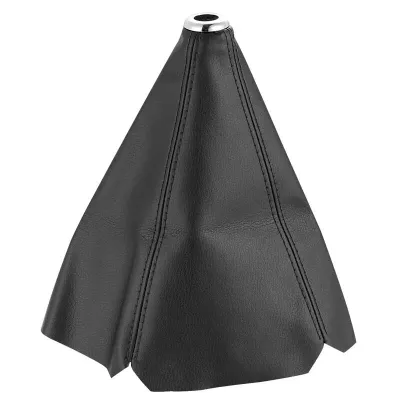
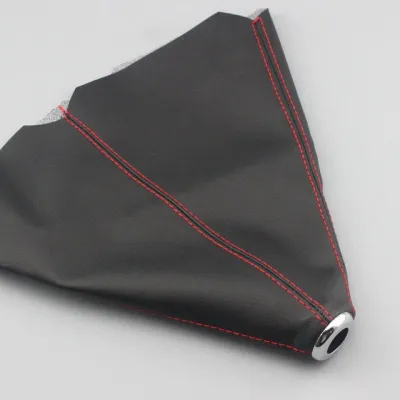

Prices are valid at publication and may change. Please refer to the product page for the latest price.
When a shift stick cover does not fit properly, several frustrating symptoms can arise immediately. You might notice the cover slipping or twisting around the knob during gear changes, which ruins the tactile feel of shifting. In some cases, an oversized cover looks incredibly bulky and out of place, while an undersized option might tear or fail to stretch over the top of the knob during installation. Furthermore, a poorly aligned cover can block the gear indicator markings on your console or the knob itself, making it difficult to verify your current gear at a glance.
These fitment issues stem from the diverse ways car manufacturers design gear levers. Shifters come in many geometries, including spherical, teardrop, cylindrical, and highly contoured ergonomic shapes. Additionally, many modern automatic vehicles feature integrated shift lock release buttons, overdrive switches, or manual mode triggers built directly into the side or front of the handle.
Standard universal covers are typically optimized for simple, symmetrical knobs without mechanical buttons. If your vehicle features a unique OEM design, a complex lever contour, or an integrated electronic switch, a basic shift stick cover will likely fail to align correctly or may even interfere with the physical operation of the shifter.
How to Measure Your Gear Lever for a Proper Fit
To ensure a secure fit, you must obtain precise measurements of your gear lever rather than guessing the size. Taking accurate dimensions takes only a few minutes and provides the exact data you need to compare against product listings on e-commerce platforms.

Before you begin, gather the necessary tools. You will need a flexible measuring tape, such as those used for sewing. If you do not have one, you can use a simple piece of household string and a standard ruler.
To get a complete picture of your gear knob’s dimensions, measure these three critical areas:
- Circumference: This is the most critical measurement for stretchable covers made of fabric, silicone, or leather. Wrap the flexible measuring tape or string around the absolute widest part of the gear knob. If using string, mark the point where it overlaps, lay it flat against your ruler, and record the length.
- Height/Length: Measure from the very top surface of the gear knob down to the base where the knob connects to the metal shaft or the shift boot. This ensures the cover will fully drape over the active grip area without leaving gaps or bunching up at the bottom.
- Diameter/Width: Measure straight across the widest point of the knob from side to side. This measurement helps you understand the overall bulk of the knob and ensures the mouth of the cover can physically open wide enough to accept the shape.
When analyzing your measurements, always account for the physical stretch limits of the cover’s material. While silicone and elastic fabrics offer a degree of flexibility, they can only stretch so far before tearing or becoming thin and translucent. Ensure your gear knob’s maximum circumference falls comfortably within the manufacturer’s recommended size range, ideally leaving a small buffer so the material is snug but not overstretched.
As a practical tip, pay close attention to the base of your gear knob. Some shifters flare out significantly at the bottom where they meet the shaft. Because slip-on covers must pass over this flared base during installation, you must measure this area as well to verify that the cover’s opening can stretch wide enough to slide over it without damaging the stitching.
Checking Shape, Design, and Material Compatibility
Beyond physical measurements, the shape of your gear knob and the material of the cover play a massive role in how well the accessory performs daily. Matching these factors to your specific vehicle and driving environment is essential for long-term satisfaction.
Start by evaluating the physical shape of your gear knob. If your shifter is flat, square, or features sharp, aggressive contours, a standard round slip-on cover will struggle to conform to the surface. This mismatch often leaves air pockets, causing the cover to feel squishy or slide around. For irregular shapes, a wrap-around cover that you lace up or secure with velcro is generally a much better option, as it allows you to tension the material around unique contours.
You must also carefully inspect your shifter for integrated buttons and switches. If your vehicle is an automatic with a shift lock release button on the front or side, a standard slip-on cover can easily cover and depress this button continuously, or block you from pressing it when needed. Look for covers that feature dedicated cutouts, or choose highly flexible, thin materials that allow you to operate the button directly through the cover without jamming the mechanism.
Your choice of material should also reflect local climate conditions, especially in tropical and highly humid regions like the Philippines. Consider how different materials react to heat and humidity:
- Silicone and rubber: These materials provide excellent grip and are highly stretchable. However, in intense tropical heat—especially if your vehicle is parked in direct sunlight—low-quality silicone can become sticky, degrade over time, and attract dust or lint.
- Leather and faux leather: These options offer a classic, premium look. You must check the breathability and stitching quality of these covers. In humid climates, low-grade synthetic leather can peel rapidly or become incredibly slippery when your hands are sweaty from driving.
- Fabric and Alcantara: These materials are comfortable and stay cool to the touch. However, they easily absorb sweat and oils from your hands, meaning you must check if they are machine washable or easy to clean to prevent odors and staining over time.
Finally, compare the installation methods available. Slip-on covers are incredibly easy to install but offer zero adjustability. Wrap-around styles, such as lace-up leather or velcro-fastened fabrics, require more effort to install but provide a highly customizable fit that can adapt to odd shapes and accommodate integrated buttons safely.
Safety and Functional Risks of an Ill-Fitting Cover
While a shift stick cover is often viewed as a cosmetic upgrade or a way to protect the original leather, using an ill-fitting accessory poses genuine safety risks. The gear lever is a primary control interface of your vehicle, and any interference with its operation can lead to dangerous situations on the road.
The most immediate hazard is shifting interference. If a cover is too loose, it can suddenly twist or slip in your hand while you are changing gears. In a manual transmission vehicle, a slipping cover can lead to a missed gear or a delayed shift, which is highly dangerous when merging onto busy highways or navigating heavy traffic. In an automatic vehicle, a loose cover can prevent you from cleanly slotting the lever into the correct gear during emergency maneuvers.
Button interference is another serious functional risk. If a tight cover puts constant pressure on a shift lock release button, it can cause the transmission lock to malfunction. Conversely, if the cover prevents you from fully depressing the button, you might find yourself unable to shift out of Park, leaving you stranded in a parking space or, worse, unable to quickly shift into Neutral or Reverse during an emergency.
Additionally, an overly thick or poorly aligned cover can obstruct your view of the gear position indicator. If you cannot clearly see whether you are in Drive, Reverse, or Neutral, you risk making critical errors when parking or starting the vehicle.
To maintain safety, always establish a strict “stop and remove” boundary. Before driving with a newly installed cover, perform a thorough stationary test. If the cover alters the natural, secure feel of the gear lever, blocks or stiffens any essential buttons, or rotates when you apply twisting force, remove it immediately. Do not attempt to drive the vehicle until you have resolved the fitment issue.
What to Do Before and After Purchasing
Taking a systematic approach before and after your purchase ensures you find a cover that is both stylish and safe to use. By verifying compatibility early, you save time and avoid driving hazards.
Before finalizing your purchase, spend a few minutes researching user feedback on online marketplaces. Look specifically for reviews from buyers who own the same vehicle make, model, and year as yours. These reviews often contain valuable real-world photos and warnings about fitment issues. Additionally, always verify the seller’s return policy for automotive accessories, ensuring you can easily swap or return the item if the physical fit does not match the product description.
Once the cover arrives, perform a strict post-purchase validation test in a safe, stationary environment with the engine completely turned off and the handbrake firmly engaged:
- Check alignment: Ensure the cover sits flush at the base of the knob and does not bunch up or interfere with the shift boot.
- Test the buttons: Press any integrated shift lock or overdrive buttons multiple times to ensure they move freely and spring back into place without resistance.
- Apply twisting force: Grip the covered knob firmly and attempt to twist it. If the cover rotates or slides easily, it is too loose and is not safe for driving.
- Run through the gears: Move the shifter through every gear position to confirm that the cover does not catch on the console trim or block your view of the gear indicators.
If you find that a universal cover simply cannot fit your gear lever securely, do not force it. Instead, explore safer alternatives. You can look for custom-fit covers designed specifically for your vehicle’s exact model year, which feature pre-tailored shapes and precise button cutouts. Alternatively, you might consider replacing the entire OEM shift knob with a high-quality aftermarket unit that comes with its own integrated, ergonomic grip, ensuring both safety and style.
Frequently Asked Questions (FAQ)
Can I use a steering wheel cover sizing guide for my shift stick?
No, you cannot use a steering wheel cover sizing guide for a shift stick cover. Steering wheel guides rely on the outer diameter of the wheel and the thickness of the rim grip. In contrast, shift stick covers require measurements of the gear knob’s total circumference, height, and overall shape. Because the sizing metrics and physical dimensions are entirely different, these guides are not interchangeable.
Will a universal cover fit a gear lever with a shift lock button?
Whether a universal cover fits a lever with a shift lock button depends entirely on the cover’s design. Standard, solid slip-on covers generally do not fit because they cover the button, either jamming it or preventing you from pressing it. If your gear lever has a shift lock button, look for wrap-around covers, lace-up designs, or covers specifically advertised with pre-cut button openings to ensure safe operation.
How do I clean a shift stick cover without removing it?
To clean a shift stick cover without removing it, use a cleaning method tailored to the specific material, and always check the manufacturer’s care instructions first. For silicone covers, wipe the surface with a slightly damp microfiber cloth to remove dust and hand oils. For faux leather, use a specialized, mild leather cleaner applied to a cloth, avoiding harsh chemicals that can degrade the material. Never spray liquids directly onto the gear lever, as moisture can seep into the electronic switches or shift lock mechanisms underneath.
Community discussion
Share your experience or ask a question. Comments are reviewed before publication.