
To check if a shifter knob fits your car’s shift lever thread, you must identify three critical specifications: the thread diameter, the thread pitch, and the overall shape of the lever’s top. This is done by checking your vehicle’s service manual, using a thread pitch gauge and digital calipers on the bare shift lever, or testing the threads with known bolt sizes. Ensuring a precise match prevents stripped threads, loose knobs, and dangerous distractions while driving on busy roads.
In the tropical climate of the Philippines, high humidity and heat can cause poorly fitted aftermarket knobs with cheap plastic adapters to degrade, slip, or wobble during sudden shifts in heavy traffic. Taking the time to measure your shift lever ensures a secure, long-lasting upgrade that remains safe under all driving conditions.
Understanding Shifter Knob Thread Specifications
Before purchasing an aftermarket shifter knob, you must understand the specific measurements that define thread compatibility. The shift lever is essentially a threaded bolt extending from your transmission linkage, and the shifter knob acts as the matching nut. If these two components do not share identical thread specifications, they cannot be safely joined together.
Products mentioned in this guide
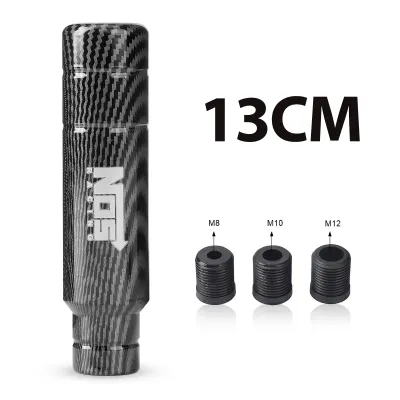
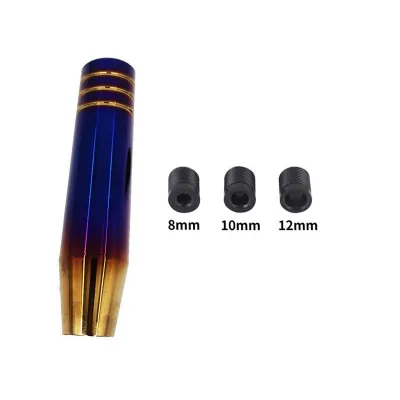
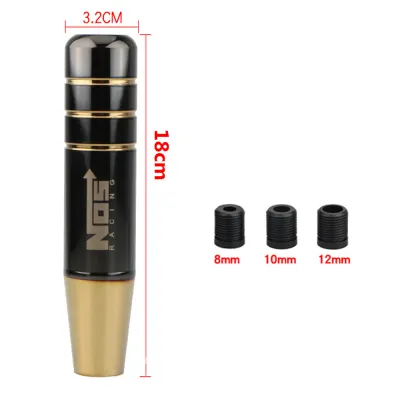
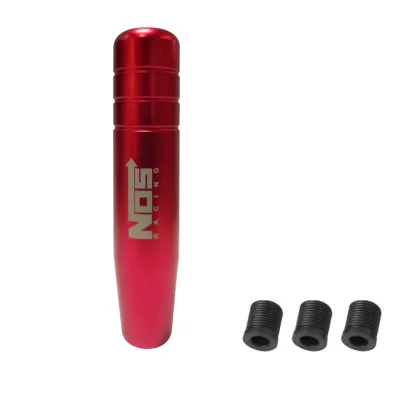
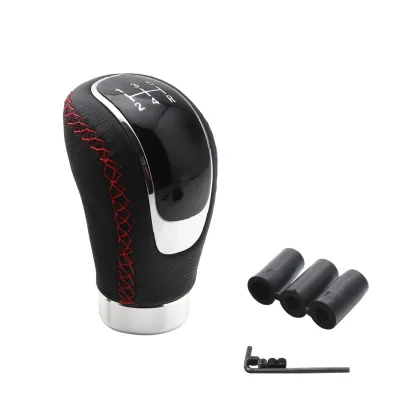


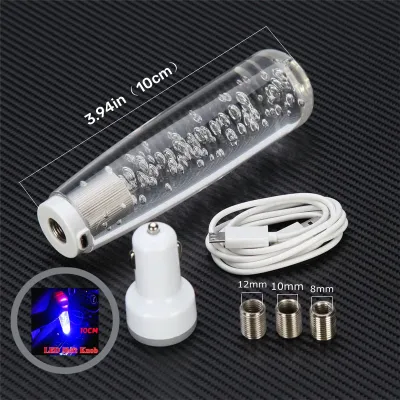
Prices are valid at publication and may change. Please refer to the product page for the latest price.
The first key measurement is the thread diameter, which refers to the outer width of the threaded shaft. In automotive applications, this is typically expressed in millimeters for metric vehicles (such as M10 or M12) or in fractions of an inch for imperial vehicles (such as 3/8 inch). Measuring this dimension accurately prevents you from buying a knob with an opening that is too small to fit over the shaft or too large to engage the threads.
The second critical measurement is the thread pitch, which is the distance between adjacent thread peaks. For metric threads, the pitch is measured in millimeters (for example, 1.25 mm or 1.5 mm), representing the distance from one thread crest to the next. For imperial threads, pitch is measured in Threads Per Inch (TPI). Even if the diameter matches perfectly, a mismatch in thread pitch will prevent the knob from threading on securely.
It is vital to distinguish between metric and imperial thread standards. Most Japanese, Korean, and European vehicles common on local roads utilize metric threads, while older American vehicles may use imperial standards. Attempting to force a metric knob onto an imperial shaft, or vice versa, will cause immediate and irreversible damage to the shift lever’s threads, requiring costly repairs or a complete replacement of the shifter assembly.
Methods to Identify Your Shift Lever Thread
Finding the exact thread specifications for your vehicle does not have to involve guesswork. The most reliable starting point is your vehicle’s official documentation. You can often locate these specifications in the owner’s manual, factory service manuals, or by contacting the parts department of an authorized dealership with your vehicle’s Vehicle Identification Number (VIN).

If documentation is unavailable, physical measurement of the bare shift lever is the most accurate DIY method. To begin, carefully remove your factory shifter knob according to the manufacturer’s instructions. Once the threaded shaft is exposed, use a set of digital or vernier calipers to measure the outer diameter of the threads. Place the caliper jaws flat against the outermost ridges of the thread to get a precise reading in millimeters or inches.
Next, use a thread pitch gauge to identify the pitch. A thread pitch gauge consists of several small metal leaves, each featuring teeth that correspond to specific thread pitches. Hold the leaves up to the shift lever’s threads one by one until you find one that seats perfectly into the grooves without leaving any visible gaps. The label on that specific leaf will indicate your exact thread pitch.
If you cannot access the shift lever directly, or if the original lever has already been modified, you can measure the internal threads of the stock shifter knob instead. You can do this by taking the stock knob to a local hardware store and testing it against known bolt sizes, or by using an internal thread testing kit. Whichever method you choose, always verify the measurements twice before ordering a replacement shifter knob.
Verifying Shift Lever Top Shape and Adapter Requirements
Beyond the thread specifications, the physical shape of the shift lever’s top and base plays a major role in compatibility. Some shift levers feature a simple flat top, while others are rounded, tapered, or have a recessed section. These shapes dictate how the shifter knob sits on the shaft and whether it can be tightened down completely without leaving an unstable gap.
Many modern manual transmissions feature a reverse lockout mechanism, which requires you to pull up a collar on the shift lever to engage reverse gear. If your vehicle has this feature, a standard shifter knob will not fit unless it has a specific recess at its base to accommodate the lockout collar when it is raised. Installing a knob without this recess can disable your ability to shift into reverse, creating a severe safety hazard.
To bridge the gap between different thread sizes, many aftermarket manufacturers offer universal shifter knobs that utilize adapters. These adapters generally fall into two categories: threaded inserts and set-screw adapters. Threaded inserts, usually made of brass or durable aluminum, screw directly onto the shift lever first, providing a secure, threaded foundation for the outer knob. These are highly recommended for their stability and resistance to wear.
In contrast, set-screw adapters use small screws that tighten directly against the side of the shift lever shaft. While these are highly adaptable, they are prone to loosening over time due to cabin vibrations and the physical force applied during gear changes. Using poorly machined or low-quality adapters can cause the shifter knob to wobble, sit crooked, or detach entirely while driving, which can lead to a loss of vehicle control.
Step-by-Step Fitment and Installation Check
Once you have selected a shifter knob that matches your measurements, you must perform a careful fitment check during installation. Modifying interior controls like the shifter can directly affect vehicle safety and control. If you are unsure of your measurements or the structural integrity of the replacement knob, consult a qualified automotive technician to perform the installation.
Start by preparing the work area. Thoroughly clean the threads of the shift lever using a soft nylon or brass wire brush to remove any old adhesive, dirt, or debris. Inspect the threads visually under bright light to ensure there are no flat spots, cross-threaded sections, or metal shavings that could interfere with the new installation.
Next, begin threading the new shifter knob or its matching adapter onto the shaft by hand. Never use wrenches, pliers, or power tools to start the threads, as these tools can easily apply too much force and strip the threads before you realize there is a mismatch. The knob should spin onto the shaft smoothly and effortlessly with minimal resistance.
Establish a strict stop condition: if you encounter any binding, sudden resistance, or if the knob begins to thread on at an angle, stop immediately. Back the knob off completely and re-inspect both the lever threads and the internal threads of the knob. Forcing the knob past a point of resistance will cross-thread the components, permanently damaging the shift lever. Once the knob is fully hand-tightened, ensure it is aligned correctly and does not rotate or wobble under moderate shifting pressure.
Common Fitment Mistakes and How to Avoid Them
One of the most frequent mistakes DIY enthusiasts make is forcing a mismatched thread pitch onto the shift lever. For example, attempting to thread an M10x1.5 knob onto an M10x1.25 lever might seem to work for the first turn or two, but continuing will strip the threads entirely. This leaves the shift lever unable to hold any knob securely, often requiring you to re-thread the shaft with a tap-and-die set or replace the entire shifter assembly.
Another common error is relying solely on visual estimation or assuming compatibility based on the vehicle’s make alone. An M10 thread and an M12 thread look incredibly similar to the naked eye, as do a 1.25 mm and 1.5 mm pitch. Furthermore, manufacturers frequently change thread specifications between different models, trim levels, and production years, meaning a knob that fits one model may not fit another from the same brand.
If you discover that your newly purchased shifter knob does not fit, do not attempt to force it using makeshift solutions like electrical tape, hot glue, or paper shims. These temporary fixes will quickly fail under the heat and humidity of daily driving, leading to a loose knob that can slip off during an emergency maneuver. Instead, check the retailer’s return policy to exchange the product, or consult a qualified automotive professional to help you source the correct adapter or repair any damaged threads on your shift lever.
Frequently Asked Questions (FAQ)
Can I use a universal shifter knob on any car?
Universal shifter knobs are designed to fit a wide range of vehicles, but they are not a universal fit out of the box. Instead, they typically rely on a selection of plastic or metal threaded adapters, or use set screws to clamp onto the shaft. To use a universal knob safely, you must still identify your vehicle’s exact thread pitch and diameter to select the correct adapter insert. Set-screw adapters, which rely on friction rather than threads, can loosen over time under spirited driving conditions and require regular inspection to ensure they remain tight.
What tools do I need to measure thread pitch accurately?
To measure your shift lever accurately, you should avoid using standard rulers or tape measures, as they lack the precision needed to distinguish between subtle thread differences. The most reliable tool for measuring the outer thread diameter is a digital or vernier caliper, which provides measurements down to a fraction of a millimeter. To determine the thread pitch, use a dedicated thread pitch gauge. This inexpensive tool, which often costs under ₱300 at local hardware stores, features multiple serrated blades that you match against the threads of your lever until you find the perfect fit, revealing the exact distance between the thread peaks.
Community discussion
Share your experience or ask a question. Comments are reviewed before publication.