
Determining when to replace your car tires is one of the most critical maintenance decisions you can make for your vehicle. Your tires are the sole point of contact between your car and the road surface, directly influencing braking distance, steering response, and wet-weather traction. Over time, the rubber tread naturally wears away, reducing the tire’s ability to grip the road and safely channel water.
To help drivers monitor this wear, manufacturers build physical indicators directly into the tire tread. By learning how to locate and read these indicators, along with performing a few simple visual checks, you can easily determine if your tires are still safe to use or if they require immediate replacement.
Understanding Tread Wear Indicators and Safety Limits
Tread wear indicators, often referred to as wear bars, are small, raised rubber blocks molded into the bottom of the main longitudinal tread grooves. These indicators are designed by manufacturers to serve as a built-in diagnostic tool, providing a clear visual signal when the tire has reached the end of its safe service life.
Products mentioned in this guide
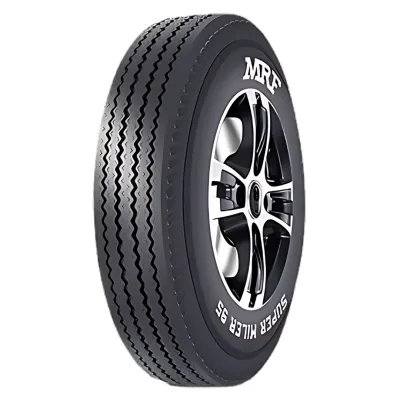
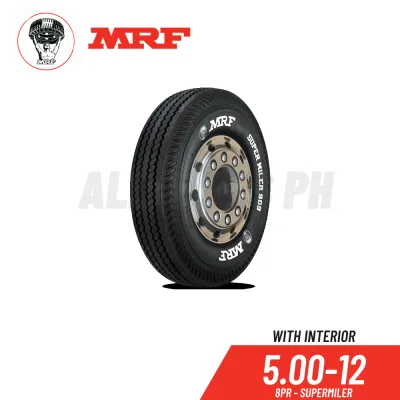
164 Lazada user ratings
Quality:Matibay💪 Appearance:good☺️ Performance:solid/great🙂 Matibay ..I'm confident to drive now for my family's safety. I will order again. …Read full reviewShow less
Quality:Matibay💪 Appearance:good☺️ Performance:solid/great🙂 Matibay ..I'm confident to drive now for my family's safety. I will order again. Thanks seller! 👍
🛠️Durability:very good 💰Price:less than local stores here 🦶Traction:goodExcellent performance on rough terrains, Provides a smooth and stable…Read full reviewShow less
🛠️Durability:very good 💰Price:less than local stores here 🦶Traction:goodExcellent performance on rough terrains, Provides a smooth and stable ride,
Great traction on wet surfaces, Durable and reliable tire, Made in India with superior craftsmanship, Provides a smooth and stable ride,
🛠️Durability: very good 💰Price: very cheap 🦶Traction: number 1 😂 solid manga idol dito na ako mag order lagi recomended
🛠️Durability:good makapal Ang tire Long-lasting and resistant to wear and tear,
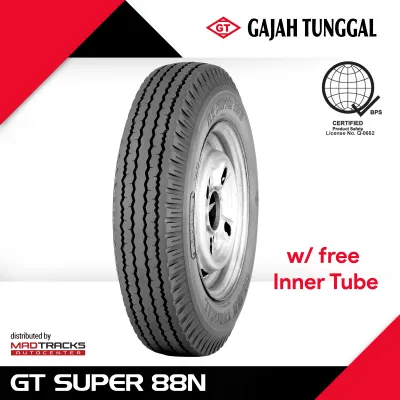
35 Lazada user ratings
ok c seller bago tlga ung gulong manufactured about 7 weeks ago lang. 2nd purchase ko nato at mas mbilis courier Flash this time 3-days lang…Read full reviewShow less
ok c seller bago tlga ung gulong manufactured about 7 weeks ago lang. 2nd purchase ko nato at mas mbilis courier Flash this time 3-days lang ntanggap kona, kesa ung nauna inabot ng 6days pinick-up ko pa sa office nila j&t kc d raw mahanap ng rider address ko
🛠️Durability:Great value for money, Long-lasting and reliable performance, 💰Price:now I've always had a presence of mind while driving since …Read full reviewShow less
🛠️Durability:Great value for money, Long-lasting and reliable performance, 💰Price:now I've always had a presence of mind while driving since i knew my tire is brandnew ang i am using a durable product which i can rely on.
sa j&t delivery rider lang ako d masaya kc sabi nya d nya mahanap address ko kya pinick-up ko nlang sa opisina nila. ok c seller less than t…Read full reviewShow less
sa j&t delivery rider lang ako d masaya kc sabi nya d nya mahanap address ko kya pinick-up ko nlang sa opisina nila. ok c seller less than two months ago date of manufacture ng gulong na binigay as in bago tlga.
good quality tireGreat value for money,
Ideal for heavy-duty applications,
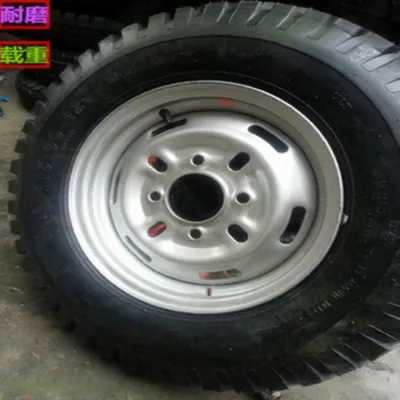
1 Lazada user ratings
The tire rims are really solid and high quality! The customer service is even better. Definitely worth buying for friends.
Prices are valid at publication and may change. Please refer to the product page for the latest price.
To locate these wear bars, look at the outer sidewall of your tire for small molded markers. These markers are typically shaped like tiny triangles, the letters “TWI,” or the manufacturer’s logo. If you follow these markers across the width of the tire tread, you will find the raised bars nestled inside the deep grooves.
As you drive, the outer tread rubber gradually wears down. When the tread surface becomes completely flush with these raised wear bars, the tire has reached its legal and manufacturer-defined wear limit. At this stage, the tire’s ability to disperse water is severely compromised, drastically increasing the risk of hydroplaning on wet roads.
While many regions define a minimum legal tread depth of 1.6 millimeters, you should always consult your specific tire manufacturer’s manual or the vehicle’s tire information label for exact depth specifications. Some high-performance, winter, or specialized rain tires may have different recommended wear limits to maintain optimal safety under specific driving conditions.
Step-by-Step Guide to Inspecting Your Tire Tread
Performing a physical inspection of your tire tread is a straightforward process that requires no specialized tools. To begin, prepare your vehicle safely by parking on a flat, level, and stable surface, such as a concrete driveway. Engage the parking brake fully to prevent any accidental movement, and switch off the engine.

For the front tires, turn the steering wheel completely to one side before turning off the engine. This angles the tires outward, giving you a clear, unobstructed view of the entire width of the tread. For the rear tires, you may need to crouch down or use a flashlight to inspect the tread surface clearly.
Next, locate the tread wear indicators across the tire. Do not just check a single spot; instead, inspect multiple points across the width of each tire, including the outer shoulder, the center, and the inner shoulder. You should also check the tread at several different positions around the entire circumference of the tire by rolling the vehicle forward slightly if necessary.
Compare the remaining tread surface directly to the raised indicator bars. If the tread blocks are level with the bars at any point, the tire is worn out and must be replaced. If you must lift the vehicle to get a better look at the rear tires, always use a properly rated floor jack and secure the vehicle with jack stands on designated lift points; never rely solely on a temporary roadside jack.
The Local Coin Test Method for Quick Tread Checks
When the built-in tread wear indicators are difficult to see due to dirt or low lighting, you can use an accessible, supplementary method involving a local coin. In the Philippines, a common quick check is performed using a standard 1-peso or 5-peso coin to estimate the remaining tread depth.
To perform this check, insert the coin vertically into the deepest tread grooves at various points across the tire. Observe how much of the coin’s outer rim or lettering is covered by the rubber blocks. If the outer lettering or the border details of the coin are fully visible above the tread line, it indicates that the tread has worn down to a critically low level.
It is important to understand that the coin test is strictly an informal estimation tool. It does not offer the precision required for a definitive safety assessment. The built-in tread wear indicators or a dedicated mechanical tread depth gauge remain the industry standards for determining tire safety.
If your coin test results are borderline, or if you are unsure about the accuracy of your reading, stop the self-diagnosis. Visit a professional tire service center where a technician can use a calibrated gauge to provide an exact measurement.
Other Signs That It Is Time to Replace Car Tires
While tread depth is a primary indicator of tire health, other physical defects can compromise road safety and require immediate tire replacement. Inspect the sidewalls of all four tires carefully for any visible damage, such as deep cracks, cuts, bulges, or blisters. A bulge or bubble in the sidewall indicates that the tire’s internal structural cords have ruptured, creating a weak spot that could lead to a sudden blowout.
You should also look closely for uneven wear patterns across the tread surface. Patterns such as cupping, feathering, or rapid wear on only one edge of the tire are clear indicators of underlying mechanical issues. These patterns typically point to improper wheel alignment, wheel imbalance, or worn suspension components that must be addressed.
Additionally, pay attention to age-related rubber degradation, commonly known as dry rot. Over time, exposure to heat, oxygen, and ultraviolet rays causes the rubber compounds to harden and crack, even if the vehicle is rarely driven. Check the tread grooves and sidewalls for fine hairline cracks; if present, the tires should be replaced regardless of how much tread depth remains.
What to Do After Your Tire Inspection
Once you have completed your inspection, your next steps will depend on the condition of your tires. If your tires pass the inspection with ample tread depth and no structural defects, continue to monitor them regularly. Maintain the correct inflation pressure as specified on your vehicle’s tire placard, and rotate the tires every 10,000 kilometers to ensure even wear.
If your inspection reveals that the tread is flush with the wear indicators, the coin test fails, or you find structural defects like sidewall bulges, plan for immediate replacement. Driving on structurally compromised or bald tires poses an immediate hazard to you and other motorists.
If you detect uneven wear patterns, schedule an appointment with a qualified mechanic or tire professional to perform a comprehensive wheel alignment and suspension check. Installing new tires without correcting these underlying mechanical issues will only cause the new rubber to wear out prematurely.
Always remember that tire mounting, balancing, and wheel alignment require specialized equipment and training. To ensure your safety and the proper seating of the tire bead, always have new tires installed by a qualified professional at an authorized service center. Avoid temporary fixes, such as regrooving passenger tires, which can dangerously compromise the tire’s structural integrity.
Frequently Asked Questions (FAQ)
How often should I check my tire tread depth?
You should perform a visual inspection of your tire tread depth at least once a month and before embarking on any long road trips. Additionally, it is highly recommended to inspect your tires immediately after hitting deep potholes, high curbs, or sharp road debris, as these impacts can cause hidden internal damage or knock your wheels out of alignment.
Can I replace just one worn tire instead of all four?
As a general automotive safety guideline, tires should be replaced at least in pairs on the same axle to maintain balanced traction, braking, and handling. Replacing only one tire can cause uneven grip, which may lead to unpredictable handling or pulling to one side during hard braking. For vehicles equipped with all-wheel-drive or four-wheel-drive systems, consult your vehicle owner’s manual, as many manufacturers require replacing all four tires simultaneously to prevent damage to the drivetrain components.
Community discussion
Share your experience or ask a question. Comments are reviewed before publication.