
Motorcycle riders in the Philippines frequently encounter transmission issues like stiff gear shifts, clutch drag, or sluggish acceleration, often worsened by intense tropical heat and humid stop-and-go traffic. When searching for a solution, you might consider a 4 in 1 anti dragging product. While these multi-purpose formulations promise to restore smooth power delivery, choosing the wrong chemical formula for your specific motorcycle can lead to severe transmission damage.
Selecting the correct product requires moving past general marketing claims and understanding the precise mechanical needs of your motorcycle’s drive system. Whether you ride a manual underbone, a fully automatic scooter, or a standard backbone motorcycle, compatibility is the single most important factor. You must verify the formulation’s chemical properties against your manufacturer’s specifications to ensure safe and effective operation.
What "4-in-1 Anti-Dragging" Actually Means for Your Bike
To make an informed purchase, you must first demystify the marketing terminology surrounding these products and translate them into mechanical realities. In motorcycle drive systems, “anti-dragging” refers to preventing components from sticking or failing to disengage properly. For manual transmissions, this means ensuring the wet clutch plates separate cleanly when you pull the clutch lever, preventing the bike from creeping forward or resisting gear shifts. For automatic scooters, it involves maintaining the correct friction balance to prevent the continuously variable transmission (CVT) belt from slipping or dragging against the pulleys.
Products mentioned in this guide
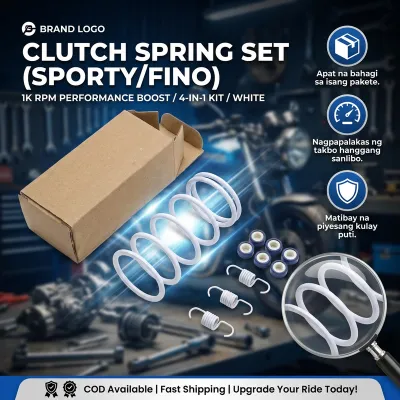

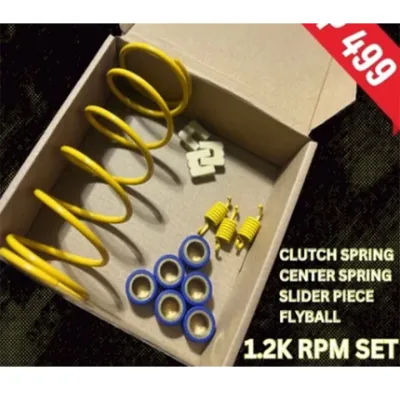
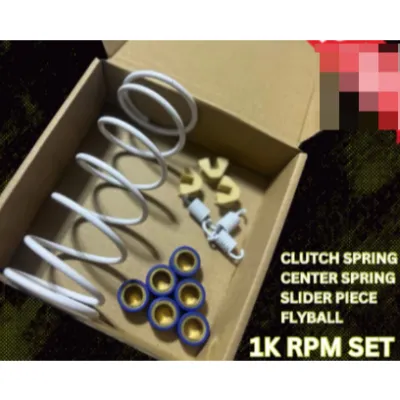
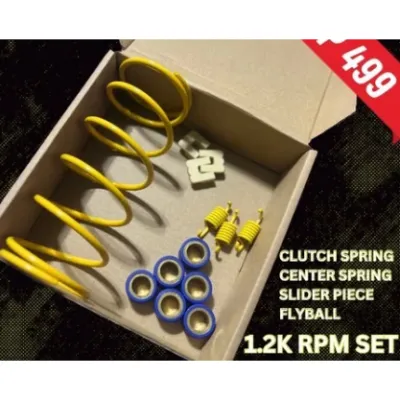
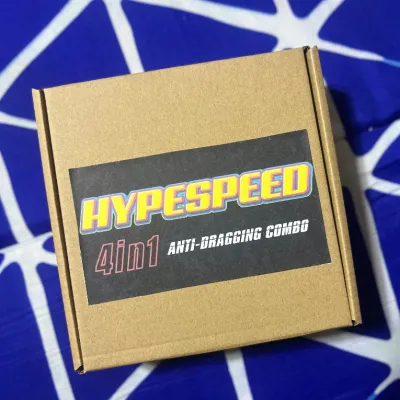
![[TOP SLAE]ANTI DRAGGING COMBO 4 IN 1](https://img.lazcdn.com/g/p/17c991bd5d96cceb8a7c9e024477cc85.jpg_webp_400x400q80.jpg_.webp)
Prices are valid at publication and may change. Please refer to the product page for the latest price.
The “4-in-1” designation typically indicates a multi-functional chemical formulation designed to perform four distinct tasks in a single application. Generally, these products claim to combine cleaning agents, lubricants, rust inhibitors, and friction modifiers or anti-wear additives. In a humid tropical climate where moisture and stop-and-go riding accelerate component degradation, having rust prevention and cleaning properties alongside lubrication is highly appealing to riders looking to protect their investment.
However, it is crucial to understand that these terms are functional marketing claims rather than universal performance guarantees. No single chemical can safely perform all four functions across every type of transmission system. You must verify the actual capabilities and chemical limits of any product by reviewing its technical data sheet, ingredient list, or physical product label rather than relying solely on the front packaging.
Matching the Formula to Your Transmission Type
Before purchasing any chemical additive or spray, you must identify your motorcycle’s specific drive system. Using an incompatible formula can result in catastrophic transmission failure, costly repairs, or sudden loss of control on the road.

Wet Clutch Systems (Manual and Semi-Automatic)
Manual and semi-automatic motorcycles, such as standard underbones and backbone bikes, share their engine oil with the wet clutch system. In these setups, the clutch plates rely on a precise amount of friction to grip and transfer power to the rear wheel. A wet clutch requires a highly specialized fluid environment. If you introduce a multi-purpose additive containing friction modifiers designed for passenger cars, the clutch plates will lose their grip, resulting in severe slipping, rapid wear, and power loss. Conversely, if the fluid is too thick or contaminated, the plates will stick together, causing clutch dragging and hard shifting. Always ensure any additive is specifically formulated for wet clutches.
Dry CVT Systems (Scooters)
Automatic scooters utilize a dry Continuously Variable Transmission (CVT) consisting of a rubber belt, variator pulleys, and a centrifugal dry clutch. This environment must remain entirely dry and free of lubricants to function correctly. The belt relies on dry friction against the metal pulleys to transmit power. Introducing any wet lubricant, oil-based additive, or incorrect multi-purpose spray into the CVT housing will cause immediate belt slippage, glazing, extreme heat buildup, and a complete loss of drive. If a product claims to prevent CVT dragging, it must be a dry-type cleaner or a specialized belt dressing, and you must verify that it leaves absolutely no oily residue behind.
Chain and Sprocket Drives
For motorcycles that use an external chain and sprocket drive, the requirements shift toward deep penetration, high-speed fling resistance, and material safety. Many modern motorcycle chains feature rubber O-rings or X-rings that seal factory grease inside the chain rollers. If a 4-in-1 anti-dragging spray is intended for external chain maintenance, it must be chemically compatible with these delicate rubber seals. Using a product containing harsh solvents or incompatible petroleum distillates will cause the O-rings to swell, crack, or degrade, leading to premature chain failure. The product must also resist flinging off the chain at high speeds to prevent staining your rear tire and wheels.
Critical Specifications to Verify on a 4 in 1 Anti Dragging Product Label
To move your decision process beyond surface-level marketing, you must learn to read and verify the technical specifications printed on the product label. Checking these standards ensures the chemical matches the engineering requirements of your motorcycle.
JASO Standards (MA/MA2)
For any oil, additive, or fluid entering a wet clutch sump, JASO (Japanese Automotive Standards Organization) certification is the non-negotiable baseline. Specifically, look for the JASO MA or JASO MA2 rating on the label. The JASO MA standard guarantees that the fluid has the correct high-friction characteristics required to prevent clutch slipping while still allowing smooth engagement and disengagement. JASO MA2 offers even higher friction performance, making it highly suitable for high-torque or sport motorcycles. If a product does not display an authentic JASO MA or MA2 mark, do not introduce it into a wet clutch system.
Viscosity and Base Oil Type
You must verify that the viscosity grade and base oil formulation of any additive or fluid align perfectly with your motorcycle manufacturer’s original equipment manufacturer (OEM) recommendations. This information is easily found in your motorcycle’s owner’s manual. Introducing an additive that radically alters the viscosity of your engine oil can disrupt oil pressure, compromise engine cooling—especially critical in hot tropical climates—and lead to accelerated wear on internal gears and bearings.
Friction Modifiers and Additives to Avoid
Be highly cautious of products containing heavy friction reducers, such as molybdenum or PTFE (Teflon), unless they are explicitly certified for motorcycle wet clutches. While these friction modifiers work excellently in passenger car engines to reduce drag, they are disastrous for wet clutches, causing them to slip uncontrollably. If a product label mentions “friction reduction” or “energy conserving” without specifying motorcycle wet clutch safety, keep it away from your manual transmission.
Material Compatibility Statements
Flip the product container over and carefully read the fine print regarding material compatibility. Look for explicit statements confirming that the product is safe for rubber seals, O-rings, synthetic plastics, and yellow metals (like brass or bronze) that may be present inside your transmission or chain drive. If the label lacks these explicit safety assurances, or if the instructions conflict with your motorcycle manufacturer’s guidelines, stop and consult a qualified professional before applying the product.
Safe Application and Maintenance Boundaries
Chemical products are excellent tools for preventative maintenance, but they have strict physical limitations. You must establish a clear boundary between chemical conditioning and mechanical failure. A chemical treatment cannot repair physically worn, warped, or broken components. If your clutch plates are worn thin, your chain is stretched beyond its service limit, or your CVT belt is cracked and glazed, no chemical spray or additive will restore them.
Before introducing any aftermarket additive, spray, or multi-purpose fluid into your drive system, always consult your motorcycle’s OEM owner’s manual to check for compatibility and warranty restrictions. When applying any care product, follow the manufacturer’s instructions precisely, ensuring you work in a well-ventilated area away from open flames. If clutch dragging, belt slipping, or unusual transmission noises persist after a proper application, stop using the product immediately. These ongoing symptoms indicate physical mechanical wear that requires professional diagnosis and part replacement by a qualified motorcycle mechanic rather than further chemical treatment.
Frequently Asked Questions (FAQ)
Can a 4-in-1 anti-dragging additive fix a slipping motorcycle clutch?
No, a chemical additive cannot fix a physically slipping clutch. Chemical products are designed only to address fluid-related friction issues, minor varnish contamination, or surface conditioning. If your motorcycle’s clutch is slipping due to physically worn friction plates, warped steel plates, or weakened clutch springs, the only safe and effective solution is to have the worn components mechanically replaced by a qualified mechanic.
Is it safe to use a 4-in-1 chain spray on a scooter's CVT belt?
No, it is highly dangerous to apply a chain spray or any wet lubricant to a scooter’s CVT belt. CVT systems require a completely dry environment to maintain the precise friction needed between the rubber belt and the metal pulleys. Applying chain lubricants, oils, or multi-purpose wet sprays inside the CVT housing will cause immediate belt slippage, severe overheating, belt glazing, and potential transmission failure.
Community discussion
Share your experience or ask a question. Comments are reviewed before publication.