
Balancing safety and comfort on a motorcycle in a tropical climate requires a strategic compromise between structural impact protection and continuous airflow. The key to choosing a riding jacket for motorcycle use in hot weather lies in selecting a hybrid construction: high-denier, abrasion-resistant textile panels on high-impact zones like the shoulders and elbows, combined with high-flow mesh panels across the chest, inner arms, and back. This configuration ensures that critical slide zones remain shielded while allowing wind to pass through and cool your body as you ride.
Understanding the Tropical Climate Challenge for Riders
Riding a motorcycle in the Philippines presents a unique set of environmental challenges, primarily characterized by intense solar heat and high relative humidity. When you are stuck in slow-moving urban traffic or embarking on long provincial tours, your body generates significant metabolic heat that must be dissipated to maintain a safe core temperature. Without adequate ventilation, a heavy, non-breathable jacket traps this heat, rapidly accelerating the onset of dehydration and physical fatigue.
Heat exhaustion is a critical safety hazard for motorcyclists, as it directly impairs cognitive function, slows reaction times, and degrades situational awareness. A rider suffering from heat-related stress is far more likely to make errors in judgment or miss sudden hazards on the road. Therefore, choosing gear that facilitates evaporative cooling is not merely a matter of personal comfort; it is a fundamental safety requirement that helps prevent accidents before they occur.
Products mentioned in this guide
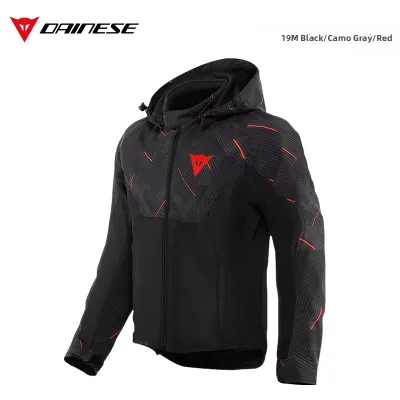
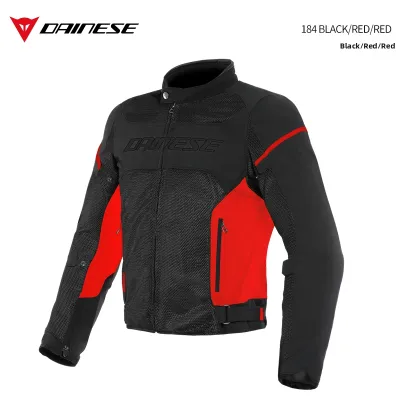
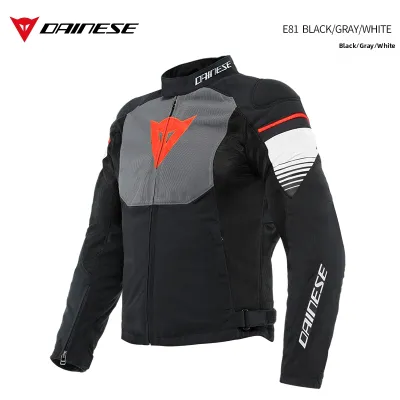
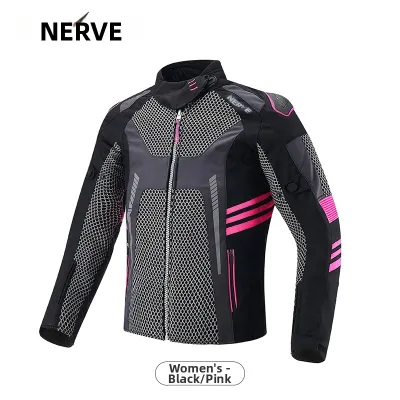
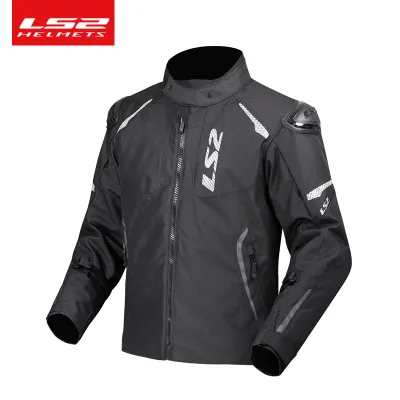
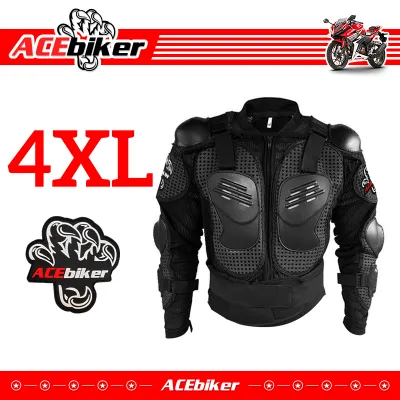
Prices are valid at publication and may change. Please refer to the product page for the latest price.
Furthermore, the combination of sweat and friction inside a poorly ventilated jacket creates a hospitable environment for skin irritation, chafing, and bacterial growth. When sweat accumulates against your skin without evaporating, it degrades the inner lining of your gear and makes the riding experience highly unpleasant. To combat this, your riding jacket must act as an active climate control system, balancing the physical density needed to survive a slide with the open structure required to let your skin breathe.
Non-Negotiable Safety Standards and Armor Checks
While staying cool is essential, a riding jacket’s primary purpose is to protect your body during an impact or slide. You must never sacrifice certified impact protection for the sake of ventilation. When evaluating a riding jacket for motorcycle use, your first step should be to locate and inspect the physical CE (Conformité Européenne) certification labels sewn into the internal armor pockets. These labels verify that the armor has undergone standardized testing to measure its shock-absorption capabilities.

Look for armor rated under the EN 1621-1 standard for shoulders and elbows, and EN 1621-2 for back protectors. Within these standards, Level 1 armor offers standard protection suitable for daily commuting, while Level 2 armor provides higher impact absorption, which is highly recommended for highway speeds. Because Level 2 armor is often thicker and denser, it can trap more body heat; however, many modern manufacturers design ventilated, honeycomb-patterned Level 2 armor that allows air to flow directly through the protective inserts without compromising safety.
Beyond impact protection, you must verify the abrasion resistance of the jacket’s outer shell. Check the manufacturer’s specifications for the denier (D) rating of the textile used in high-risk zones, such as the outer arms and shoulders. A minimum rating of 600D polyester or specialized nylon is generally expected to withstand the friction of a slide on asphalt. Ensure that these heavy-duty materials are positioned strategically over the joints, while the lighter, breathable mesh is reserved for low-impact areas like the chest and underarms.
Selecting Breathable Materials and Ventilation Features
Achieving the optimal balance of airflow and durability requires a close look at the materials and construction techniques used by the manufacturer. Mesh panels are a highly effective solution for hot-weather riding, as they feature an open-weave pattern that allows ambient air to pass directly through the garment. When comparing jackets, look for heavy-duty, abrasion-resistant mesh rather than soft fashion mesh, ensuring the fabric can maintain its structural integrity under tension.
In addition to permanent mesh panels, many versatile riding jackets feature adjustable ventilation systems, including intake zippers on the chest or sleeves and exhaust vents on the back. This configuration creates a low-pressure vacuum effect: as you ride forward, cool air is forced into the front vents, travels across your body, and pulls warm, humid air out through the rear exhaust. For riders who transition between hot daytime conditions and cooler night temperatures, adjustable zippered vents offer excellent adaptability.
The interior of the jacket plays an equally important role in managing the tropical climate. A high-quality riding jacket should feature a moisture-wicking mesh inner lining that draws sweat away from your skin and spreads it across a larger surface area for faster evaporation. Avoid jackets with fixed, non-breathable plastic waterproof membranes, as these act like a greenhouse, trapping sweat and heat inside. Instead, opt for a modular system with a removable waterproof liner that you can pack away and only install when a sudden tropical downpour begins.
Always rely on the official product labels and manufacturer specifications to verify material properties. Do not assume a fabric is breathable or abrasion-resistant based on its appearance alone. High-performance textiles are engineered with specific weave patterns and coatings that are explicitly detailed in the product documentation, making it essential to read the technical specifications before making a purchase.
Ensuring Proper Fit and Everyday Practicality
A riding jacket can only protect you if the armor remains in the correct position during an accident. When trying on a jacket, perform a thorough fit check in your actual riding posture rather than just standing straight. Reach forward to simulate holding your handlebars; the elbow armor should sit squarely over your elbows, and the shoulder armor should align correctly with your joints without shifting or twisting.
To maintain this precise alignment, look for jackets equipped with adjustable fitment systems. Multi-point adjustment straps on the biceps, forearms, and waist allow you to cinch the jacket tight against your body, preventing the fabric and armor from flapping or sliding out of place at high speeds. Adjustable collar closures and wrist cuffs are also vital, as they allow you to control the amount of air entering the sleeves and neck, while preventing debris or insects from flying inside.
Everyday practicality in local riding conditions also requires high visibility and functional storage. Given the frequency of sudden afternoon rainstorms and dark evening commutes, ensure the jacket features integrated reflective piping or high-visibility panels that conform to safety standards. These elements significantly increase your visibility to other motorists in low-light conditions.
Additionally, evaluate the placement and accessibility of the jacket’s pockets. Look for external pockets with secure zipper closures and storm flaps to protect your personal items from dust and light rain. Ensure that at least one internal waterproof pocket is available for sensitive electronics, and verify that you can easily operate the pocket zippers and main closures while wearing your riding gloves.
Cleaning and Storing Your Gear in Humid Conditions
The high humidity of a tropical climate accelerates the accumulation of sweat, body oils, and road grime, which can degrade the materials of your riding jacket and cause persistent odors. To preserve the lifespan and safety performance of your gear, you must establish a regular cleaning routine. Always begin by consulting the manufacturer’s care label sewn inside the jacket, as different synthetic textiles and coatings require specific washing methods.
Before washing, remove all impact armor inserts from their internal pockets and detach any removable thermal or waterproof liners. Most textile and mesh riding jackets should be hand-washed in cool water using a mild, non-biological liquid detergent. Avoid using fabric softeners, bleach, or harsh chemical cleaners, as these can break down the synthetic fibers, weaken the stitching, and strip away water-resistant coatings.
Once washed, rinse the jacket thoroughly to remove all soap residue, which can trap moisture and cause skin irritation during future rides. Hang the jacket on a wide, heavy-duty plastic hanger to air-dry in a well-ventilated indoor space or a shaded outdoor area. Never expose the jacket to direct, intense sunlight for extended periods, as ultraviolet rays can degrade the nylon or polyester fibers over time. Avoid using mechanical dryers or direct heat sources, which can warp the fabric and melt protective coatings.
Proper storage is critical to preventing the growth of mold and mildew in humid environments. Never store a damp or sweaty jacket in a closed closet or a sealed gear bag. Allow the jacket to dry completely, then store it in a cool, dry room with active airflow. Using a dehumidifier or placing silica gel packets near your gear storage area can help absorb excess moisture, ensuring your jacket remains clean, fresh, and ready for your next ride.
Frequently Asked Questions (FAQ)
Can I wear a regular denim or fashion leather jacket instead of a dedicated riding jacket?
No, regular denim and fashion leather jackets do not provide adequate protection during a motorcycle accident. Standard denim wears through in less than a second of sliding on asphalt, and fashion leather is typically too thin and lacks the reinforced, double-stitched seams required to prevent tearing under tension. Furthermore, everyday clothing lacks dedicated pockets to hold impact-absorbing armor, leaving your joints completely exposed to severe impact injuries.
Is a fully mesh jacket safe enough for highway riding?
A high-quality mesh jacket can be safe for highway riding, provided it is constructed with heavy-duty, abrasion-resistant textile reinforcements in the primary impact zones. When riding at highway speeds, look for jackets that combine high-flow mesh panels on the chest and back with robust 600D or higher polyester panels on the shoulders and elbows. Always check the manufacturer’s specifications to ensure the chassis is rated for higher-speed use and features certified Level 1 or Level 2 armor.
How do I know if my riding jacket's armor needs replacement?
You should inspect your riding jacket’s armor regularly for physical signs of degradation. Replace the armor immediately if you observe deep cracks, permanent deformation, hardening of flexible viscoelastic materials, or crumbling of foam layers. Additionally, most manufacturers recommend replacing impact armor after any significant crash, as the material is designed to deform and absorb energy once, which permanently reduces its protective capabilities even if no external damage is visible.
Community discussion
Share your experience or ask a question. Comments are reviewed before publication.