
Riding a motorcycle in the Philippines means dealing with intense ambient temperatures and high relative humidity. To stay cool without sacrificing safety, choose a motorcycle chest guard that features a CE-certified, highly perforated outer shell paired with a breathable 3D spacer mesh lining. This combination allows air to flow freely across your torso at speed while ensuring the armor can still absorb and disperse impact forces during an accident.
The Core Trade-Off: Impact Protection vs. Airflow
Riding in urban traffic or cruising along provincial highways in the midday sun quickly exposes the limitations of traditional riding gear. Standard solid plastic chest protectors or thick, dense foam guards act like heat shields in reverse, trapping body heat and preventing sweat evaporation. This leads to rapid heat buildup, sweat pooling, and accelerated physical fatigue, which directly compromises a rider’s focus and reaction time.
However, reducing protection for the sake of comfort is a dangerous compromise. A motorcycle chest guard must serve its primary purpose: absorbing and distributing impact energy during a crash to protect vital organs, ribs, and the sternum. The challenge is not finding the thinnest, flimsiest piece of plastic available, but rather identifying high-performance armor engineered with strategic ventilation gaps that do not compromise structural integrity.
Products mentioned in this guide
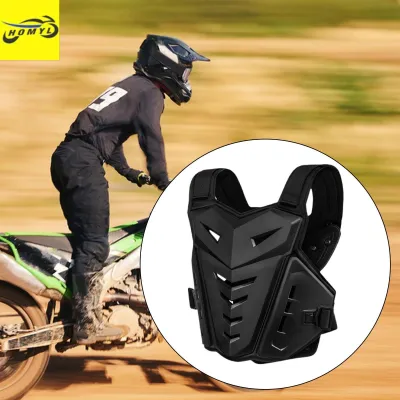
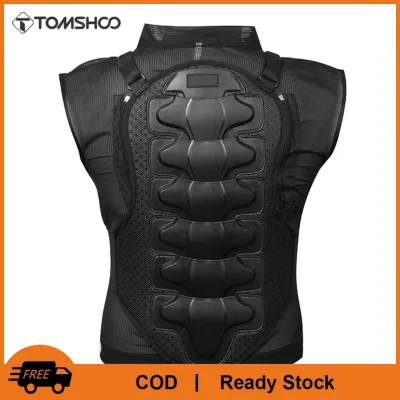
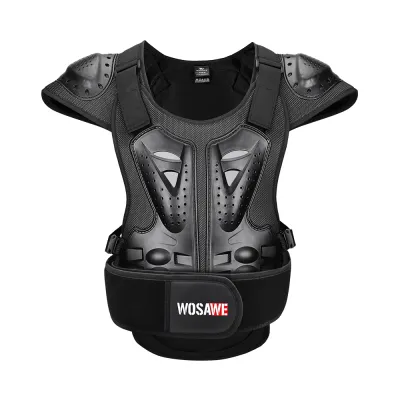
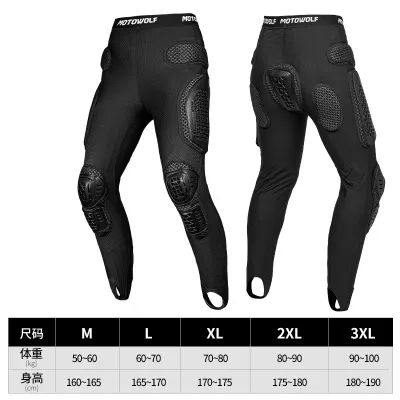
Prices are valid at publication and may change. Please refer to the product page for the latest price.
Balancing these two competing needs requires looking beyond simple aesthetic designs. The ideal hot-weather chest guard uses advanced materials that remain flexible and breathable under normal conditions but harden instantly upon impact. By focusing on certified protection combined with active airflow channels, you can maintain a high level of safety while managing your core body temperature on even the most humid days.
Decoding Safety Certifications in Hot Climates
When shopping for a motorcycle chest guard, safety certifications provide the only objective proof of impact performance. Look specifically for the European standard CE EN 1621-3, which is the dedicated certification for motorcycle chest protectors. This standard divides protectors into Level 1 and Level 2. Level 1 guards offer a baseline of protection suitable for daily commuting, while Level 2 guards provide higher force transmission limits, which are ideal for high-speed riding or track use but often feature slightly thicker construction.

Many riders assume that a guard covered in ventilation holes cannot possibly offer the same level of protection as a solid sheet of plastic. In reality, modern safety gear manufacturers utilize advanced structural geometries, such as honeycomb matrices or segmented triangular patterns. These designs distribute impact forces outward across the entire surface area of the guard, utilizing the structural strength of the geometric shapes to compensate for the missing material in the air gaps.
Do not rely on marketing terms like “armor-plated,” “heavy-duty,” or “motocross-style” printed on the product packaging or online listings. Always physically inspect the guard for a sewn-in fabric label or a permanently molded stamp displaying the CE pictogram (a rider icon) along with the specific standard number EN 1621-3. If a guard lacks this official certification mark, it should be treated as a cosmetic accessory rather than a piece of life-saving safety equipment.
Design Features That Maximize Airflow and Cooling
Perforated Shells and Honeycomb Structures
The outer shell of a hot-weather chest guard should feature extensive perforations or a grid-like honeycomb structure. These micro-holes and open-cell patterns significantly reduce the overall weight of the armor while allowing oncoming wind to penetrate directly to your torso at riding speeds. When you are moving, this constant air exchange facilitates rapid sweat evaporation, which is the body’s primary mechanism for cooling itself.
Segmented or Articulated Plates
Single-piece, rigid chest shields tend to trap a large pocket of hot air directly against your chest. In contrast, multi-piece, segmented, or articulated plates are designed to flex and move in tandem with your torso. This articulation not only improves comfort and mobility when shifting your weight on the motorcycle but also creates natural, dynamic air gaps between the plates as you move, allowing trapped heat to escape from the sides.
Moisture-Wicking Backings and Spacers
The material that rests closest to your body is just as important as the outer plastic shell. Look for chest guards lined with 3D spacer mesh or moisture-wicking technical fabrics. Spacer mesh is a three-dimensional knit fabric that creates a physical gap of several millimeters between the hard armor and your body. This gap prevents the non-breathable armor plates from pressing directly against your skin, reducing the risk of friction-induced sweat rash while providing a continuous channel for air to circulate.
Strategic Ventilation Channels
High-quality chest guards feature molded interior panels with deep, molded grooves or raised ridges. These channels are specifically engineered to direct air entering through the front vents across the chest cavity and out through the sides or back. Even when riding at lower speeds in heavy traffic, these physical pathways help guide rising body heat away from your chest, preventing the oppressive greenhouse effect common with flat-backed armor.
Layering Strategies and Base Wear for Tropical Rides
Over-Shirt vs. Under-Jacket Wear
How you wear your chest guard significantly impacts its cooling efficiency. External chest guards, often worn over a lightweight riding jersey, offer the highest level of direct ventilation because they are fully exposed to oncoming wind. However, they provide less abrasion resistance unless paired with reinforced sleeves. Internal chest guard inserts, worn inside a dedicated mesh riding jacket, offer superior overall protection by combining impact and abrasion resistance. When opting for internal inserts, ensure your mesh jacket has a highly porous weave to allow wind to reach the chest guard’s ventilation channels.
The Role of Base Layers
Wearing a chest guard directly over a bare chest or a standard cotton T-shirt is a common mistake in hot climates. Cotton absorbs sweat and holds onto it, becoming heavy, damp, and restrictive. Instead, pair your chest guard with a high-quality, long-sleeve compression or technical base layer made from synthetic materials like polyester or nylon blends. These fabrics actively pull moisture away from your skin and spread it over a larger surface area, accelerating evaporation and preventing the chest guard’s backing from chafing against damp skin.
Adjustable Straps and Fit
Achieving the correct fit is a delicate balance when riding in tropical heat. The chest guard must be secured snugly enough to prevent it from shifting out of position during a slide or impact. However, overtightening the adjustment straps will compress your chest, restrict your breathing, and press the armor too tightly against your body, completely closing off the ventilation channels. Ensure the straps are adjusted so that the guard remains firmly in place while still allowing a finger’s width of space for air to flow and your chest to expand comfortably.
Cleaning and Maintenance in High Humidity
The combination of intense tropical heat and physical exertion means your chest guard will inevitably be drenched in sweat. Human sweat is acidic and contains salts that can slowly degrade the energy-absorbing foams, elastic straps, and plastic shells over time. After every major ride, make it a habit to wipe down the hard plastic elements with a damp microfiber cloth and a mild, pH-neutral soap. Always refer to the manufacturer’s care instructions before applying any cleaning agents, and avoid harsh chemical solvents that could compromise the structural integrity of the impact-absorbing materials.
Once cleaned, the chest guard must be dried thoroughly to prevent the growth of mold, mildew, and odor-causing bacteria, which thrive in high-humidity environments. Never leave your armor to dry in direct, intense sunlight, as prolonged UV exposure can warp plastic shells and accelerate the breakdown of protective foam backings. Instead, hang the guard in a shaded, indoor area with active ventilation, such as near an electric fan or in a well-ventilated room, until it is completely dry.
High humidity and constant sweat exposure are particularly harsh on the fastening systems of your riding gear. Regularly inspect the elastic adjustment straps for signs of stretching, fraying, or loss of tension, and clean any lint or debris out of the Velcro closures to ensure a secure hold. If the straps or fasteners can no longer hold the chest guard tightly to your body, they must be repaired or replaced to maintain the guard’s protective positioning during a fall.
Frequently Asked Questions (FAQ)
Can I wear a chest guard directly on bare skin in hot weather?
No, wearing a chest guard directly on bare skin is highly discouraged, especially in hot and humid climates. The hard plastic edges, synthetic straps, and foam backings will rub against your skin as you ride, causing painful chafing and friction burns. Furthermore, without a fabric barrier, sweat will pool directly under the armor plates, leading to skin irritation, heat rashes, and the rapid buildup of bacteria on the guard’s inner lining. Always wear a thin, moisture-wicking base layer underneath.
Do ventilated chest guards offer less protection than solid ones?
Not if they are properly certified. A chest guard that has successfully passed CE EN 1621-3 testing is engineered to absorb and distribute impact forces safely, even with ventilation holes and open-cell structures. Manufacturers use advanced polymers and structural reinforcement rings around the vents to maintain high rigidity during an impact. However, uncertified, cheap novelty guards that mimic the look of ventilated armor often lack these engineering standards and may fail under stress.
How often should I replace a chest guard used in tropical climates?
Generally, a motorcycle chest guard should be replaced every three to five years, depending on the frequency of use and exposure to the elements. In tropical climates, high humidity, intense heat, and constant sweat exposure can accelerate the degradation of the protective foam and plastic components. Look for warning signs such as brittle or cracked plastic, hardened or crumbling foam padding, stretched-out straps, or persistent odors. Most importantly, any chest guard that has sustained a significant impact in a crash must be replaced immediately, even if there is no visible external damage, as the internal energy-absorbing structure may be compromised.
Community discussion
Share your experience or ask a question. Comments are reviewed before publication.