
Riding in the Philippines demands a careful balance of protection and cooling. The tropical climate, characterized by high temperatures and stifling humidity, presents a unique safety hazard: heat exhaustion. When you ride in heavy traffic or on open highways, your body relies on sweat evaporation to cool down. High humidity severely limits this natural cooling process, meaning a poorly ventilated jacket can quickly lead to dehydration, fatigue, and impaired decision-making.
Choosing a motorcycle racing jacket for tropical environments is not merely a matter of comfort; it is a critical safety decision. The ideal jacket must facilitate maximum airflow while maintaining robust impact and abrasion protection to keep you safe in the event of a slide or collision. Striking this balance requires a strategic compromise between maximum airflow and track-level abrasion resistance.
Balancing Materials: Mesh, Perforated Textiles, and Leather
The foundation of any motorcycle racing jacket is its primary material. Your choice of material directly dictates where and how you can safely use the jacket, whether you are navigating the daily stop-and-go gridlock of metropolitan streets or pushing limits on a closed-circuit track. Every material option involves a distinct trade-off between airflow capacity and structural integrity. While lighter fabrics allow wind to pass through easily, they may not withstand the intense friction of a high-speed slide on asphalt.
Products mentioned in this guide
Prices are valid at publication and may change. Please refer to the product page for the latest price.
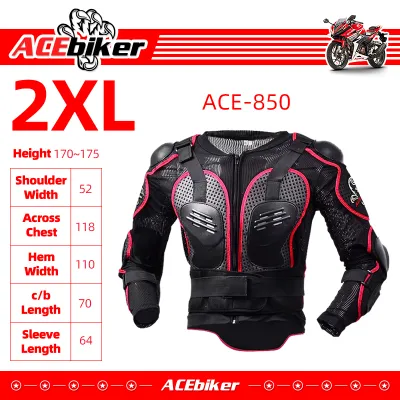
To make an informed decision, you must inspect the outer shell construction of any jacket you consider. Regardless of the base material, high-impact zones—specifically the shoulders, elbows, and back—require heavy reinforcement. Many manufacturers utilize a hybrid construction method, combining highly breathable fabrics in low-impact zones with abrasion-resistant materials where your body is most likely to make contact with the ground. Always consult the manufacturer’s documentation to verify that the specific model and material composition align with your intended riding speed and environment.
Mesh and Perforated Textile Options
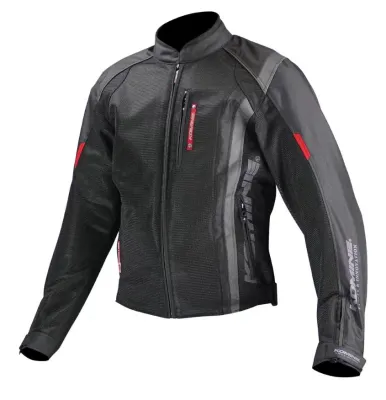
Heavy-duty mesh panels represent the gold standard for maximizing airflow during low-speed street riding and urban commuting. These jackets utilize open-weave polyester or polyamide mesh on the chest, underarms, and back, allowing ambient air to flow directly over your skin even when moving at modest speeds. This constant air exchange is invaluable when you are trapped in heavy traffic under the midday tropical sun, as it helps prevent your core temperature from rising to dangerous levels.
However, full mesh construction comes with inherent safety limitations. Standard mesh fabrics generally offer significantly lower abrasion resistance compared to premium leather or dense, high-denier textiles. In a high-speed slide, a basic mesh panel can quickly wear through, exposing your skin to severe road rash. To mitigate this risk, look for hybrid textile jackets. These designs place wide mesh panels in non-impact areas while reinforcing the shoulders and elbows with high-density textiles (such as 600D or 1000D polyester) or leather overlays. This configuration ensures you receive crucial airflow where you need it most without completely sacrificing structural integrity during an accident.
Perforated Leather for Track and High-Speed Use
For closed-circuit track days or high-speed highway riding, perforated leather remains the unmatched standard for abrasion protection. Premium cowhide or kangaroo leather provides exceptional structural integrity, resisting tearing and friction heat far better than synthetic mesh. To adapt this heavy material for tropical riding, manufacturers use laser-drilled perforations across the chest, stomach, and back panels. These tiny holes allow trapped body heat to escape and invite cooling air inside without compromising the overall seam strength or tearing resistance of the hide.
Despite these perforations, leather is inherently heavy and retains more heat than textile alternatives. In low-speed, stop-and-go city traffic, a perforated leather jacket can quickly become stifling, as it requires active forward motion to force air through the small drill holes. If your riding consists primarily of high-speed track sessions or fast weekend tours where continuous airflow is guaranteed, perforated leather is the safest choice. For daily urban commuting, however, the weight and heat retention of leather may outweigh its protective benefits, making a high-quality reinforced textile or mesh jacket a more practical compromise.
Airflow Design: Vents, Liners, and Fit for Humid Rides
Achieving effective cooling in a tropical climate requires more than just selecting the right material; the jacket’s overall ventilation architecture must actively manage airflow and moisture. A poorly designed jacket can trap a pocket of hot, humid air against your body, rendering even breathable fabrics ineffective. When evaluating a jacket, pay close attention to the placement, size, and functionality of its ventilation pathways, as well as the design of its interior lining.

Additionally, the quality of the zippers and closure systems is paramount. Vents must be easy to operate with gloved hands and robust enough to withstand constant adjustment. High-quality, weather-sealed zippers ensure that you can quickly adapt to changing road conditions, allowing you to open up the jacket for maximum cooling on hot stretches or seal it tight when encountering sudden downpours.
Intake, Exhaust, and Adjustable Vents
True cooling is achieved through a continuous cross-flow effect, which requires strategically placed intake and exhaust vents. Intake vents should be positioned on high-pressure zones like the chest, collarbone, and the front of the arms to capture oncoming air as you ride. Equally important are the exhaust vents located on the upper back and the rear of the sleeves. Without these exhaust pathways, incoming air becomes trapped inside the jacket, ballooning the fabric and preventing fresh, cool air from entering.
Adjustable vent flaps offer the versatility needed to handle unpredictable tropical weather. Look for jackets featuring zippered vents with mesh backings or fold-out panels that can be secured open with snaps or magnets. This design allows you to customize the volume of airflow based on your current speed and the ambient temperature. Be cautious of budget jackets that feature aesthetic zippers with no actual openings behind them; always verify that every zipper connects to a functional, mesh-lined ventilation port before making a purchase.
Liners and Moisture-Wicking Interiors
The interior lining of your jacket plays a crucial role in managing sweat and maintaining comfort. In high-humidity environments, a standard nylon liner can easily stick to your skin, trapping moisture and causing chafing. Opt for jackets equipped with fixed, moisture-wicking mesh inner linings. These specialized linings create a small air gap between your skin and the outer shell, actively pulling sweat away from your body to facilitate evaporation and keep you dry.
When shopping for a tropical riding jacket, avoid models with thick, non-removable thermal or waterproof liners, as these layers are designed to trap heat and will quickly cause overheating. If a jacket includes a waterproof or windproof liner, ensure that it is fully removable via a zipper or snap system. This allows you to store the liner in a backpack or under-seat compartment during dry, hot days, installing it only when a sudden tropical rainstorm demands wet-weather protection.
How to Verify Safety Certifications on the Jacket Tag
Never rely on vague marketing terms like “armored,” “heavy-duty,” or “track-ready” when assessing a jacket’s protective capabilities. True safety must be verified through official, standardized certifications printed on the sewn-in tags inside the garment. Before purchasing any motorcycle racing jacket, locate the white or gray care and certification labels, which are typically stitched into the inner lining or pocket seams.
To verify the jacket’s overall abrasion and tear resistance, look for the European standard EN 17092 certification. This standard rates motorcycle garments into specific performance classes based on rigorous testing:
- Class AAA: The highest level of protection, typically reserved for heavy leather track suits and jackets designed to withstand high-speed slides.
- Class AA: A balanced standard suitable for touring and high-speed road riding, often found in premium textile and hybrid jackets.
- Class A: The minimum level of protection, offering basic abrasion resistance suitable for low-speed urban riding and commuting.
For tropical riding, a Class AA hybrid jacket or a Class AAA perforated leather jacket provides an excellent balance of safety and usability.
Next, inspect the impact protectors (armor) located at the shoulders, elbows, and back. Each protector must carry its own CE certification label, specifically EN 1621-1 for limb protectors (shoulders and elbows) and EN 1621-2 for back protectors. These labels will also indicate the protection level: Level 1 offers standard impact absorption, while Level 2 provides superior force distribution, which is highly recommended for high-speed riding. If a jacket lacks these specific, standardized certification codes on its physical tags, it cannot be trusted to protect you in a crash, regardless of how breathable or stylish it appears.
Caring for Your Gear in High Heat and Humidity
Operating riding gear in a hot, humid climate subjects materials to constant sweat, salt, and atmospheric moisture, which can rapidly degrade fabrics and foster mold growth if left unchecked. To prolong the lifespan of your jacket and maintain its protective qualities, establish a strict post-ride care routine. Immediately after every ride, remove all impact armor and any detachable inner liners. Hang the main outer shell on a wide, heavy-duty hanger in a shaded, well-ventilated indoor area to allow it to air dry completely.
Never expose a damp leather or high-performance textile jacket to direct, harsh tropical sunlight to dry. Intense UV rays and extreme heat can dry out natural leather oils, leading to stiffening, cracking, and premature seam failure, while also weakening synthetic textile fibers.
For cleaning, always consult the manufacturer’s care label first. If washing is permitted, hand wash textile jackets using a mild detergent and lukewarm water, avoiding bleach or fabric softeners that can strip water-resistant coatings or damage technical fibers. For leather jackets, use a dedicated leather cleaner and apply a high-quality conditioner periodically to keep the hide supple. Finally, store your gear in a dry, climate-controlled space, and consider placing silica gel packs or hanging moisture absorbers in your wardrobe to prevent the accumulation of mold and mildew.
Frequently Asked Questions (FAQ)
Can I wear a full mesh jacket for high-speed track racing?
While full mesh jackets excel at keeping you cool during low-speed urban commutes, they are generally not suitable for high-speed track racing. The high-velocity friction generated during a track slide can quickly melt or tear through standard mesh panels, leading to severe injuries. For closed-circuit racing, you should opt for perforated leather or highly reinforced, track-certified hybrid textiles that carry an EN 17092 Class AAA rating, ensuring your gear can withstand high-speed abrasion.
How do I prevent my racing jacket from developing odors in humid weather?
To prevent unpleasant odors caused by sweat and bacteria in humid climates, wear a lightweight, moisture-wicking base layer underneath your jacket. This base layer absorbs the majority of your sweat, preventing it from saturating the jacket’s inner lining. Additionally, hang your jacket to dry in a well-ventilated space immediately after riding, and wash the removable mesh liners regularly using a mild, antibacterial detergent according to the manufacturer’s instructions.
Community discussion
Share your experience or ask a question. Comments are reviewed before publication.