
Choosing a motorcycle riding jacket with padding for the hot and humid Philippine climate requires balancing impact protection with maximum airflow. To stay cool without sacrificing safety, look for a jacket constructed primarily of high-denier mesh panels on the chest, back, and inner arms, paired with CE-certified Level 1 or Level 2 armor that features a perforated or flexible design. Heavy leather or non-ventilated textile jackets trap heat and sweat, which can lead to rapid physical exhaustion and reduced concentration on the road. By selecting a highly ventilated jacket and pairing it with a separate, external rain suit for sudden downpours, you can maintain your focus and comfort during daily urban commutes or long highway rides across the provinces.
Why Tropical Riding Requires a Specialized Jacket Design
Riding a motorcycle in the Philippines presents a unique environmental challenge where safety and physiology constantly clash. On one hand, asphalt and concrete roads require robust abrasion and impact protection to prevent severe injuries in the event of a slide or collision. On the other hand, the human body relies on the evaporation of sweat to regulate its core temperature. When you wear a heavy, sealed textile or leather jacket in ambient temperatures exceeding 30°C, heat becomes trapped against your skin, rapidly accelerating dehydration and physical fatigue.
High relative humidity, which frequently exceeds 80% in the Philippines, severely compounds this issue. In highly humid environments, sweat cannot evaporate efficiently because the surrounding air is already saturated with moisture. A non-ventilated jacket creates a stifling microclimate that prevents any remaining airflow from reaching your body, turning a routine ride into a hazard for heat exhaustion. This makes jacket breathability an essential active safety feature; a cooler rider remains alert, reacts faster, and makes better decisions on chaotic city streets.
Products mentioned in this guide
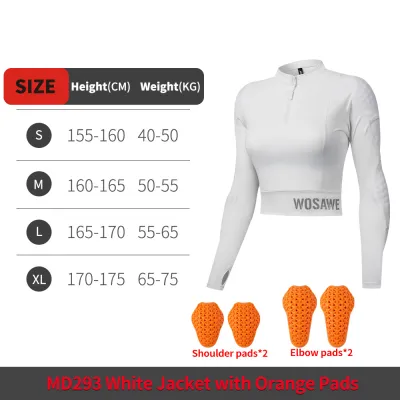
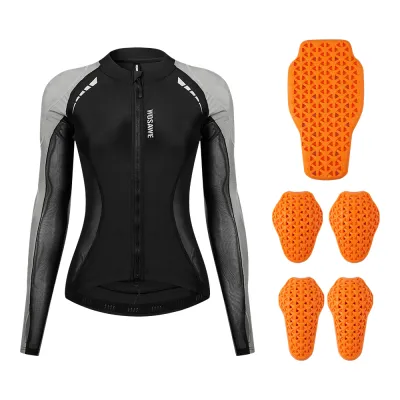
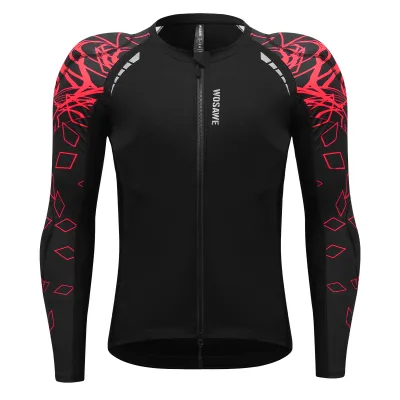
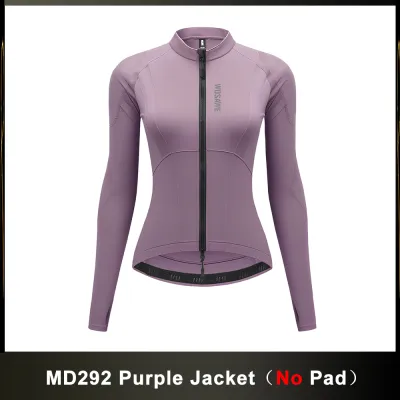
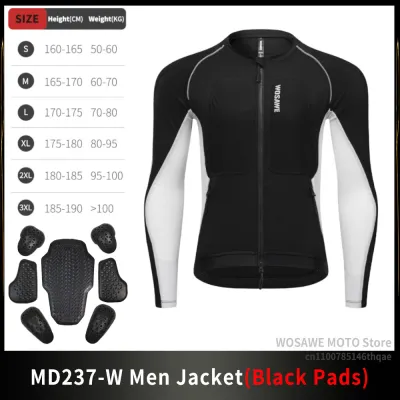
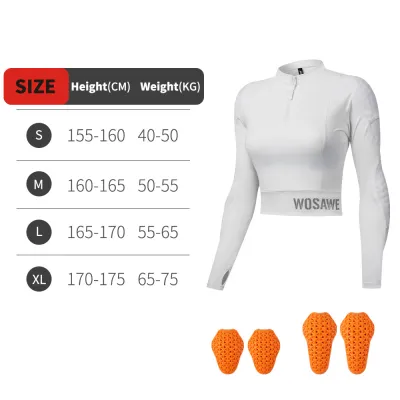
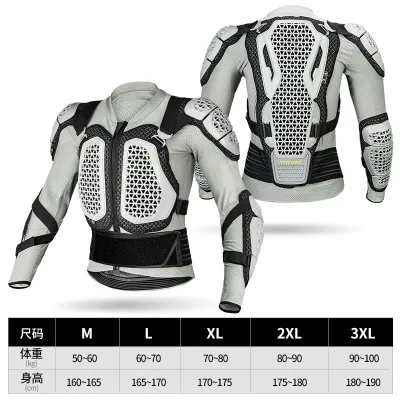
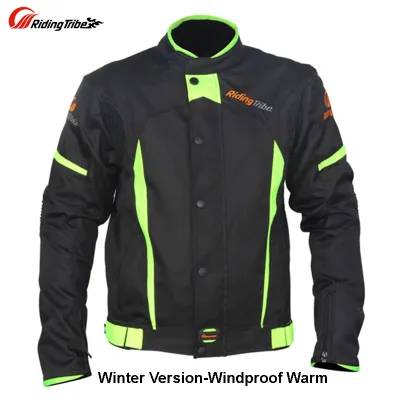
Prices are valid at publication and may change. Please refer to the product page for the latest price.
Furthermore, the unpredictability of tropical weather introduces sudden, torrential downpours, particularly during the monsoon season. A jacket designed for temperate climates often features permanent waterproof membranes that block wind entirely, making them unbearably hot during dry spells. For local riders, the ideal gear must offer a modular approach, allowing maximum ventilation during dry hours while remaining adaptable enough to handle sudden cloudbursts without waterlogging the protective materials.
Key Specifications for Breathability and Protection
Finding the right balance between cooling and safety requires evaluating specific construction details, safety certifications, and modular designs when shopping for a motorcycle riding jacket with padding.

Armor and Impact Protection Standards
Impact protection in a motorcycle riding jacket with padding is determined by the quality and certification of its armor inserts. When shopping, verify that the armor carries a CE (Conformité Européenne) certification label, which indicates it has been tested to meet European safety standards. CE Level 1 armor provides standard protection suitable for daily city commuting, while CE Level 2 armor offers higher impact absorption, making it highly recommended for highway speeds and long-distance touring. Ensure these protectors are positioned at the critical impact zones: the shoulders, elbows, and back.
Traditional solid foam or rubber armor inserts can block airflow entirely, creating localized hot spots on your back and joints. To counter this, look for modern, advanced armor technologies such as perforated D3O, Sas-Tec, or proprietary flexible polymer matrices. These materials remain soft and pliable during normal movement—allowing air to pass directly through their ventilated structures—but instantly harden upon impact to absorb and dissipate force.
Additionally, examine the construction of the armor pockets inside the jacket liner. The pockets must be securely stitched with heavy-duty thread and feature adjustable hook-and-loop fasteners or snap closures to keep the inserts perfectly aligned with your joints. If the pockets are loose or poorly positioned, the armor can shift during a fall, leaving your elbows or shoulders completely unprotected when they hit the ground.
Ventilation Systems and Breathable Fabrics
The overall construction of a tropical riding jacket dictates how effectively it manages heat and sweat. Full-mesh jackets, often referred to as mesh tech or mesh flow jackets, represent the gold standard for hot-weather riding. These garments feature open-weave mesh panels across the majority of the chassis, allowing wind to blow directly through the fabric. In contrast, solid textile jackets with zippered intake and exhaust vents offer localized airflow, but they often restrict ventilation when riding at lower speeds in congested city traffic.
For maximum cooling, prioritize jackets that utilize extensive 3D mesh panels on the chest, back, and the inner side of the arms. Unlike standard flat mesh, 3D mesh features a raised, three-dimensional structure that maintains a physical gap between the outer fabric and your body. This gap allows air to circulate freely even when the jacket is pressed flat against your chest by the wind, preventing the fabric from sticking to your skin.
The interior lining of the jacket plays an equally critical role in rider comfort. Look for moisture-wicking polyester mesh liners that actively pull sweat away from your skin. A high-quality liner prevents chafing, reduces the risk of heat rash, and ensures the jacket remains easy to slip on and off when your skin is damp. Avoid jackets with cheap, scratchy nylon linings that trap moisture and cause skin irritation during long hours in the saddle.
Versatility for Sudden Tropical Rain
Weather in the Philippines can transition from scorching sunshine to a heavy downpour in a matter of minutes. To cope with this volatility, many riders look for jackets with modular configurations. Some jackets include removable waterproof inner liners that can be zipped inside the main shell when the clouds gather. While convenient, these inner liners require you to pull over, remove your jacket, zip the liner in, and put the jacket back on—all while the outer fabric of your jacket continues to absorb rainwater and grow heavy.
When evaluating a jacket’s wet-weather features, inspect the quality of its water-resistant elements. Look for sealed or taped seams, storm flaps that secure over the main zipper with hook-and-loop fasteners, and dedicated waterproof internal pockets to protect sensitive electronics like smartphones and registration papers. However, be aware that keeping a waterproof liner zipped inside during a warm rain can quickly turn the jacket into a portable sauna, trapping your body heat and sweat.
A highly effective alternative strategy for tropical climates is to wear a fully ventilated mesh jacket for maximum airflow, and carry a separate, lightweight external rain suit in your motorcycle’s top box or under-seat compartment. When it rains, you simply wear the rain suit over your ventilated jacket. This approach keeps your protective jacket completely dry, prevents it from becoming waterlogged, and allows you to quickly adapt to changing weather conditions without having to disassemble your safety gear on the side of the road.
How to Fit Your Jacket Over Light Tropical Clothing
Achieving the correct fit is vital to ensure that your motorcycle riding jacket with padding performs its safety and cooling functions effectively. Unlike riders in colder climates who layer their gear over thick sweaters or hoodies, riders in the Philippines typically wear lightweight, breathable base layers, such as moisture-wicking dry-fit shirts or compression tops. Therefore, you should size and fit your jacket while wearing the exact type of light clothing you plan to use on your daily rides.
The jacket must fit snugly against your body to keep the protective armor securely in place. If the jacket is too loose, the elbow and shoulder pads can easily rotate away from your joints during a slide, rendering them useless when you need them most. However, the fit must not be so tight that it compresses the fabric directly against your skin, as this eliminates the air gap required for ventilation and prevents the mesh panels from circulating cooling air around your torso.
To verify the fit, sit on your motorcycle or mimic your specific riding posture in front of a mirror, and perform the following checks:
- Shoulder Mobility: Reach forward to grip your handlebars. The jacket should not pull uncomfortably tight across your upper back or shoulders, and your movement should remain completely unrestricted.
- Sleeve Length: Ensure the sleeves reach your wrists while your arms are extended in a riding position. The cuffs should not ride up your forearms, leaving your wrists exposed to abrasion or sunburn.
- Waist Adjustment: Check that the waist cinch straps or snap adjusters can be tightened securely. This prevents the jacket from ballooning or flapping at highway speeds, which causes aerodynamic drag and rider fatigue.
- Armor Alignment: Verify that the elbow protectors rest directly over your elbows and the shoulder pads cover the outer cap of your shoulders without sliding out of position when you move your arms.
Maintenance Tips to Prevent Mold and Sweat Odor
The combination of heavy sweating and high humidity creates a breeding ground for bacteria, mold, and mildew, which can quickly ruin a high-quality riding jacket. Regular, proper maintenance is essential to preserve both the hygiene and the structural integrity of your gear. Always consult the manufacturer’s care label on the jacket before attempting any cleaning process, as different synthetic blends have specific care requirements.
Before washing the outer shell, always remove all protective armor inserts and any removable inner liners. Washing machines and harsh detergents can degrade the impact-absorbing properties of polymer armor and damage the delicate waterproof coatings of inner liners. Clean the armor inserts separately by wiping them down with a damp cloth and mild soap, then let them dry completely before reinserting them.
For the outer mesh shell, hand-washing in cool water with a mild, liquid detergent is the safest method to prevent damage to the stitching and reflective elements. If you must use a washing machine, place the jacket inside a mesh laundry bag and select a gentle cycle. Never use fabric softeners, bleach, or strong chemical solvents, as these can break down the synthetic fibers and compromise the jacket’s abrasion resistance.
Once washed, air-dry the jacket inside out in a well-ventilated, shaded area. Avoid placing the jacket in direct, harsh sunlight, as prolonged UV exposure can degrade synthetic materials like polyester and nylon, weaken the stitching, and fade the reflective safety strips. Never use a mechanical clothes dryer unless explicitly permitted by the manufacturer’s care instructions, as high heat can warp the fabric and melt synthetic components.
Never store a damp or sweaty jacket inside a closed motorcycle top box, under-seat compartment, or helmet bag. The dark, unventilated environment of a storage box combined with tropical moisture will trigger rapid bacterial growth, resulting in persistent sour odors and mold. Instead, hang your jacket on a wide, heavy-duty hanger in an open room with good airflow, and place silica gel packs or moisture-absorbing pouches in your wardrobe to keep the storage environment dry.
Frequently Asked Questions (FAQ)
Is a mesh jacket safe enough for highway riding?
Yes, a high-quality mesh motorcycle riding jacket with padding is safe for highway riding, provided it is constructed with reinforced, high-denier materials in critical impact zones. Reputable manufacturers use heavy-duty textile fabrics, such as 500-denier to 1000-denier polyester, nylon, or aramid blends, on the shoulders, elbows, and outer arms where impact and sliding are most likely to occur. The open-weave mesh panels are strategically placed in low-impact areas like the chest and inner arms to facilitate airflow. When purchasing, avoid cheap, unbranded fashion jackets that use thin, non-rated mesh fabrics, as these will tear instantly upon contact with the pavement. Always check for certified abrasion resistance ratings (such as CE EN 17092 class A or AA ratings) to ensure the jacket is built to withstand highway-speed slides.
Should I rely on a jacket's waterproof liner or wear a separate raincoat?
For the intense, prolonged downpours common during the Philippine monsoon season, relying on a separate, lightweight raincoat or rain suit worn over your mesh jacket is generally the superior strategy. While a removable internal waterproof liner is convenient for light drizzles, it allows the outer shell of your jacket to become completely saturated with water. This waterlogging makes the jacket heavy, cold, and slow to dry, and it completely blocks the airflow once the rain stops. An external rain suit acts as a primary barrier, keeping your protective jacket completely dry and clean. Once the rain clears, you can simply pack the rain suit away and immediately benefit from the full ventilation of your mesh jacket as you continue your ride.
Community discussion
Share your experience or ask a question. Comments are reviewed before publication.