
Choosing the right clutch lining for your Honda Click V3 is one of the most impactful maintenance decisions you can make for your scooter’s transmission. In the tropical climate of the Philippines, where daily commutes involve navigating intense stop-and-go traffic, steep inclines, and high ambient temperatures, the Continuously Variable Transmission (CVT) system is subjected to extreme thermal and mechanical stress. Selecting a replacement lining that matches your specific riding conditions, weight load, and performance expectations is critical to restoring smooth acceleration, maintaining fuel efficiency, and preventing premature wear on other costly CVT components.
To make an informed choice, you must understand how different friction materials behave under heat, how to verify critical physical dimensions, and how to spot the signs of a failing clutch system. By focusing on certified material quality and precise compatibility rather than generic marketing promises, you can ensure your Honda Click V3 remains reliable on both daily city commutes and demanding long-distance rides.
Signs Your Honda Click V3 Needs a Clutch Lining Replacement
Recognizing the early symptoms of a worn clutch lining prevents minor transmission slip from escalating into severe drive system damage. One of the most common indicators is engine RPM flaring, where the engine revs noticeably higher without a corresponding increase in your scooter’s actual road speed. This occurs because the worn friction pads can no longer grip the inner surface of the clutch bell securely, allowing the clutch assembly to spin independently under load.
Products mentioned in this guide
![[Honda Genuine] Click150i V2 Click125i V2 V3 Clutch Lining Clutch Shoe](https://img.lazcdn.com/g/p/748123821e4398ef8182e09e1b688d76.jpg_400x400q80.jpg_.webp)
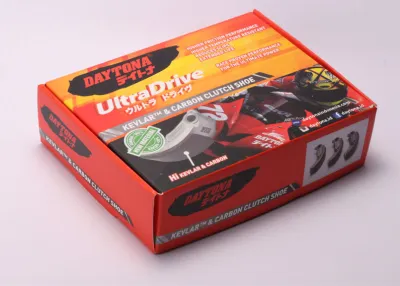
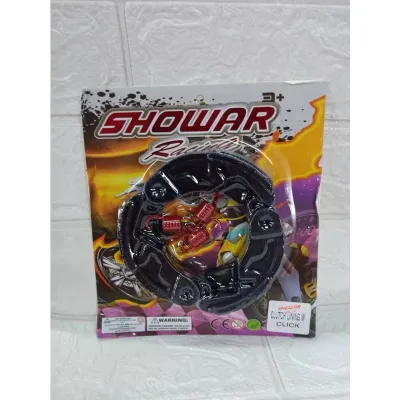
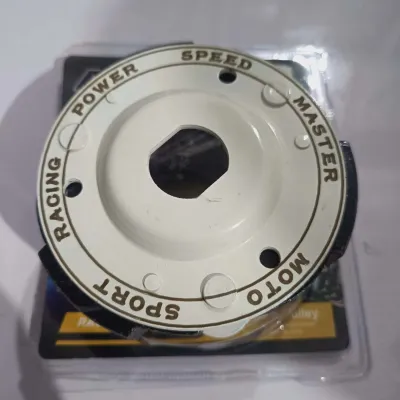
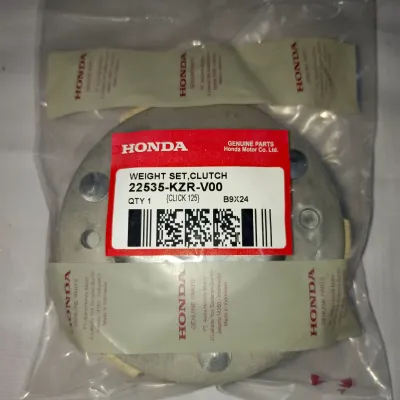
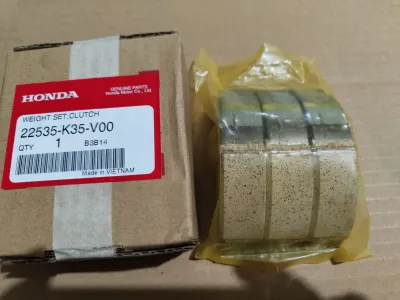
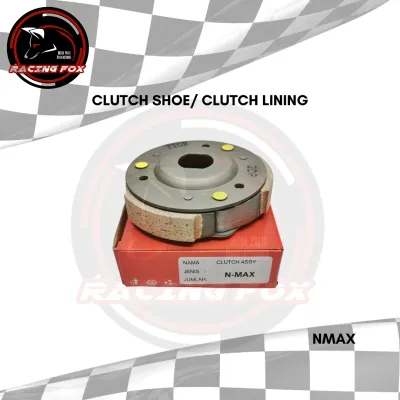
Prices are valid at publication and may change. Please refer to the product page for the latest price.
Another frequent issue experienced by Honda Click V3 riders is sluggish or delayed acceleration from a complete stop. You may feel a distinct shuddering, vibration, or dragging sensation—often referred to locally as palyado or panginginig—as you twist the throttle. This dragging is typically caused by uneven wear on the clutch shoe pads or a glazed surface layer that has formed due to excessive heat buildup. Additionally, look out for unusual metallic rattling, squealing, or clanking noises coming directly from the rear portion of the CVT casing during low-speed maneuvers.
While these symptoms strongly point to worn clutch linings, they are not exclusive to them, making a physical inspection of the CVT system essential. A severely stretched drive belt, flat-spotted roller weights, or a warped clutch bell can produce remarkably similar performance drops and vibrations. Opening the CVT cover allows you to measure the actual thickness of the friction pads using a vernier caliper; Honda service manuals generally specify a service limit for clutch shoe thickness, below which the assembly must be replaced. Confirming the precise wear level ensures you only replace parts that are genuinely degraded, saving you maintenance time and budget.
Common Clutch Lining Materials and Their Characteristics
When searching for a replacement clutch lining, you will encounter several distinct material compositions, each engineered to perform under specific operating conditions. Matching these materials to your typical daily routes and load requirements is key to achieving the ideal balance between service life and smooth engagement.

Standard Organic and Asbestos-Free Compounds
Standard organic or non-asbestos organic (NAO) clutch linings are highly similar to the original equipment manufacturer (OEM) parts supplied with your scooter. These linings utilize a blend of rubber, glass, and carbon fibers bound together with high-temperature resins to deliver predictable, progressive engagement and quiet operation. They are exceptionally well-suited for standard daily commuting on flat city roads, offering a smooth takeoff without aggressive jerking. However, organic compounds have moderate thermal limits; if subjected to prolonged stop-and-go traffic under heavy loads or continuous steep climbs, they can experience thermal fade, leading to temporary slippage until the system cools down.
Kevlar and Aramid Compounds
Kevlar-infused or aramid fiber compounds are highly popular among riders seeking enhanced durability and thermal stability. Kevlar fibers provide exceptional tensile strength and resistance to high temperatures, making these linings highly resilient against glazing and heat-induced fade. They are an excellent choice for delivery riders, those who frequently carry a pillion passenger (angkas), or riders navigating hilly terrain. It is important to note that Kevlar linings are harder than organic alternatives, meaning they typically require a longer break-in period to seat perfectly against the clutch bell, and they may apply slightly more wear to the clutch bell over extended mileages.
Carbon and Ceramic Blends
Carbon and ceramic composite linings are engineered for high-performance applications and modified engines. These materials exhibit an exceptionally high coefficient of friction and can withstand extreme operating temperatures without losing their grip. They provide an aggressive, immediate bite upon throttle application, which minimizes clutch slip during rapid takeoffs. Because of their abrasive nature and rigid structure, carbon/ceramic blends are generally less suited for standard daily commuting, as they can cause rapid wear on standard clutch bells and may introduce noticeable chatter or noise during low-speed engagement.
Verification Rule
When evaluating these material options, always verify the manufacturer’s material claims by checking the product packaging, official data sheets, or technical labels. Do not rely solely on descriptive marketing terms like “heavy-duty,” “racing-spec,” or “extreme power,” as these labels are often applied loosely and do not guarantee the presence of high-grade aramid or ceramic fibers. Genuine, high-quality manufacturers will clearly state the material composition and certification standards on their official documentation.
Key Quality Indicators and Specifications to Verify
To ensure a replacement clutch lining performs reliably and fits seamlessly into your Honda Click V3, you must evaluate several physical and technical specifications before finalizing your purchase.
Dimensions and Fitment
The Honda Click V3 requires a clutch lining that matches its specific CVT architecture. You must verify that the physical shoe length, pad width, and backing plate mounting hole locations align perfectly with the original equipment specifications. An incorrect fitment—even by a fraction of a millimeter—can cause the clutch shoes to bind on their pivot pins, prevent the return springs from functioning correctly, or result in uneven contact with the clutch bell, leading to rapid localized wear and severe vibration.
Friction and Heat Ratings
Rather than relying on vague performance promises, look for technical specifications regarding the lining’s coefficient of friction and maximum operating temperature range. A high-quality aftermarket lining will provide documented ratings showing its stability under heat. For tropical riding conditions, a lining that maintains a stable friction coefficient up to 250°C to 300°C is highly desirable to prevent performance degradation during hot afternoon traffic.
OEM vs. Aftermarket Quality
Choosing between genuine Honda OEM parts and aftermarket alternatives involves weighing guaranteed compatibility against specific performance upgrades. Genuine Honda clutch linings (typically sold as a set of three clutch shoes) offer guaranteed fitment, balanced performance, and a predictable service life. Reputable aftermarket brands, such as established Japanese or high-end Taiwanese transmission specialists, often offer specialized compounds like Kevlar that target specific issues like low-speed shuddering. However, you must avoid unbranded, suspiciously cheap, or poorly packaged parts; these low-cost imitations often use inferior adhesives to bond the friction material to the metal shoes, posing a severe risk of the lining detaching entirely inside the clutch bell during operation.
Visual Inspection
Before installing any new clutch lining, perform a thorough visual quality check. Verify that the friction material thickness is perfectly uniform across all three shoes to ensure balanced engagement. Check the bonding line where the friction pad meets the metal backing plate; there should be no visible gaps, bubbles, or adhesive squeeze-out that could interfere with the pivot movement. The edges of the friction material should be clean and free of excessive flashing, loose fibers, or manufacturing debris.
Steps to Select and Purchase the Correct Replacement
Following a structured purchasing process helps you avoid compatibility errors and ensures you receive authentic, high-quality components for your scooter.
- Step 1: Identify the Part Number
Consult your Honda Click V3 owner's manual, official parts catalog, or an authorized Honda dealer to identify the exact OEM part number for your specific model year and engine displacement (125cc or 160cc). Write down this part number, as aftermarket manufacturers will often list it as a direct cross-reference on their packaging to confirm compatibility. - Step 2: Cross-Reference Suppliers
Purchase your replacement parts only from authorized Honda 3S dealerships, established motorcycle parts specialists, or highly rated, verified online distributors. Avoid purchasing critical drivetrain components from unverified, third-party sellers on general online marketplaces, as the risk of encountering counterfeit parts with sub-standard friction materials is significantly higher. - Step 3: Delivery Verification
Once you receive the part, inspect the packaging for intact security seals, official brand holograms, and clear labeling. Carefully compare the physical dimensions, mounting holes, and overall shape of the new clutch lining side-by-side with your old, removed clutch shoes to ensure an absolute match before proceeding with any installation steps.
Installation Safety and When to Seek Professional Help
Working on your scooter’s CVT system involves handling high-tension springs and components that rotate at several thousand RPM, making safety and precision paramount. Improper assembly of the clutch and pulley system can lead to severe mechanical failures, such as a shredded drive belt, a loose clutch housing nut, or a sudden loss of rear-wheel power while riding, which presents a critical safety hazard on the road.
To perform a clutch lining replacement safely, you must use specialized tools designed for CVT maintenance. These include a clutch holding tool (or Y-tool) to secure the clutch bell, a socket set, a clutch spring compressor tool to safely release the high-tension center spring, and a calibrated torque wrench. Never attempt to loosen or tighten the clutch center nut using makeshift tools like hammers or chisels, as this can easily warp the clutch carrier or damage the input shaft threads.
Always prioritize your safety and the roadworthiness of your vehicle. If you do not have access to a calibrated torque wrench, a clean and stable workspace, or prior experience handling high-tension motorcycle clutch springs, do not attempt this procedure yourself. Take your Honda Click V3 and the replacement parts to a qualified professional mechanic at an authorized service center. A professional can ensure that all fasteners are torqued precisely to Honda’s factory specifications, inspect related CVT components for wear, and perform a safe test run before you get back on the road.
Frequently Asked Questions (FAQ)
How long does a clutch lining typically last on a Honda Click V3?
On a Honda Click V3, a high-quality clutch lining typically lasts between 15,000 and 25,000 kilometers. However, this lifespan is highly variable and depends heavily on your daily riding environment, the total load carried, and your throttle habits. Frequent stop-and-go riding in heavy city traffic, carrying heavy cargo, or aggressive, rapid acceleration will accelerate wear significantly. Rather than relying solely on a fixed mileage interval, you should rely on regular CVT physical inspections every 8,000 to 10,000 kilometers and monitor for the physical wear symptoms described in this guide.
Can I reuse the old clutch springs when installing a new lining?
While you can physically reuse your old clutch springs if they are within factory service limits, it is generally recommended to inspect them thoroughly or replace them when installing new linings. Over time, clutch springs are subjected to intense heat and constant tension cycles, which can cause them to stretch, fatigue, or lose their original tension. Weakened springs will allow the clutch shoes to engage the clutch bell at a lower engine RPM than intended, leading to sluggish takeoffs and increased vibration. If you observe any physical deformation, rust, or heat discoloration on the springs, replace them with new OEM or high-quality aftermarket springs to ensure your new clutch lining engages at the correct RPM.
Community discussion
Share your experience or ask a question. Comments are reviewed before publication.