
Selecting a CNC water tank cover for your motorcycle requires balancing aesthetic customization with critical engine safety. While often chosen to enhance the look of the engine bay, this accessory serves a practical role by shielding the original equipment manufacturer (OEM) radiator cap from road debris, mud, and moisture. Because the cooling system is vital to preventing engine damage, choosing an ill-fitting or poorly designed cover can lead to severe mechanical issues. A successful purchase depends on verifying exact dimensional compatibility, assessing the quality of the machining, and ensuring the cover does not interfere with the radiator’s pressure release mechanism.
Verify Exact Motorcycle Compatibility
Ensuring a precise fit is the most critical step when selecting a CNC water tank cover. Motorcycle manufacturers frequently update radiator designs, filler necks, and cap dimensions, even within the same model generation. A cover designed for a specific model year may not fit a slightly newer or older version of the same bike due to subtle changes in the OEM parts supplier. Therefore, you must never assume compatibility based solely on a generic category name or broad model family.
To guarantee a proper fit, cross-reference the product’s fitment list with your motorcycle’s exact make, model, and production year. If possible, use a digital caliper to measure the outer diameter and overall height of your stock radiator cap. Compare these measurements directly with the technical drawings or dimension charts provided by the accessory manufacturer. A proper cover should slide or thread onto the stock cap smoothly without requiring excessive force or leaving excessive play.
Products mentioned in this guide
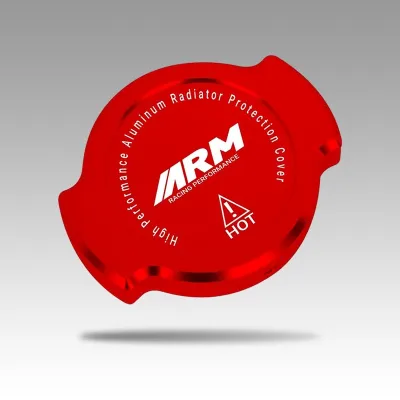
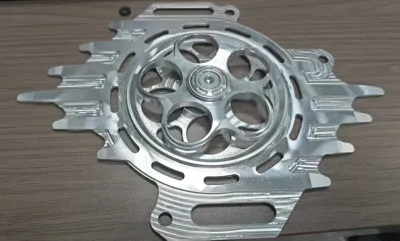
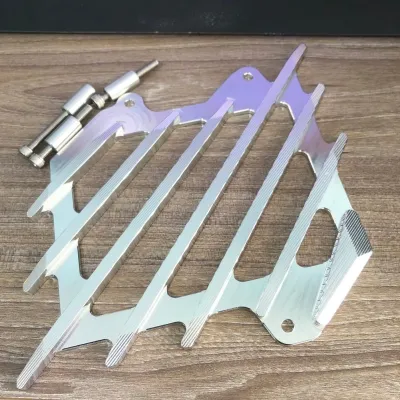
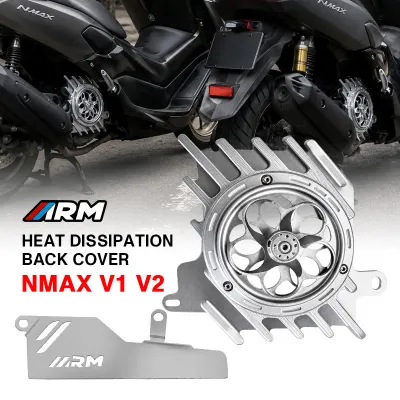
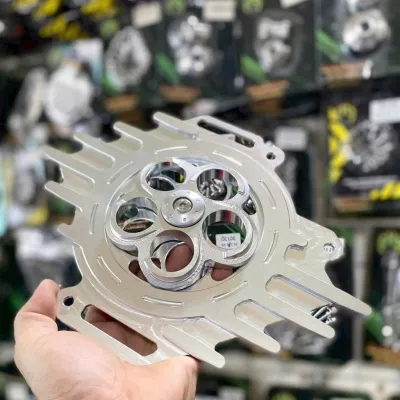
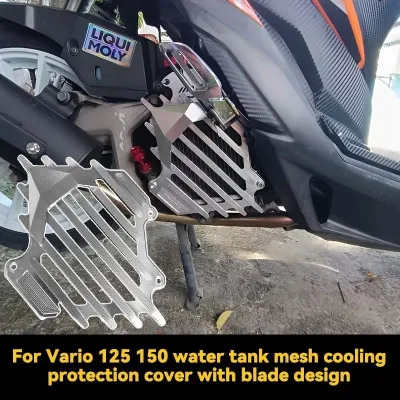
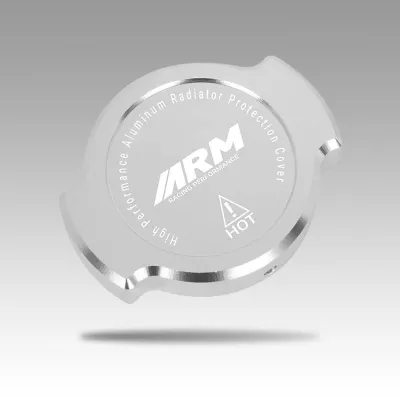
![[COD/Local Seller] Titanium Mesh CNC Water Tank Cover Vario 125-150 AB 2013-2021 SHVN 2012-2019](https://img.lazcdn.com/g/p/e9f7bc3e485d83f1d7f193c7c0e346fc.png_400x400q80.png_.webp)
Prices are valid at publication and may change. Please refer to the product page for the latest price.
You must also identify the specific mounting style required for your motorcycle’s configuration. Some CNC covers are designed as direct slip-on units that clamp over the existing OEM cap using small set screws. Others are threaded replacements that require removing the decorative outer shell of the stock cap, while some heavy-duty options utilize dedicated mounting brackets. Understanding how the cover attaches prevents you from purchasing an incompatible design that cannot be safely secured to your specific radiator setup.
Evaluate CNC Material and Machining Quality
The durability and longevity of a CNC water tank cover depend heavily on the grade of aluminum used and the precision of the manufacturing process. High-quality covers are typically machined from solid billets of 6061-T6 or 7075 aluminum alloy. These materials offer excellent structural integrity, high thermal conductivity, and resistance to deformation under the intense heat cycles of a motorcycle engine. Avoid products that do not specify the aluminum grade, as they may be made from cheaper, cast alloys that are prone to cracking or warping.

Anodization is the standard surface treatment for CNC aluminum accessories, providing both vibrant color options and essential corrosion resistance. In highly humid tropical environments, such as the Philippines, non-anodized or poorly finished aluminum will quickly oxidize and develop unsightly white corrosion spots. High-quality anodizing creates a durable oxide layer that resists fading from UV exposure and engine heat. When evaluating product listings, look for clear indications of a multi-stage anodizing process rather than simple spray painting.
Machining precision is another key indicator of overall quality. Inspect product images closely for clean, chamfered edges and uniform wall thickness. High-precision CNC milling leaves smooth, beveled edges that prevent cuts during installation and maintenance, whereas low-quality manufacturing often results in sharp, raw edges and visible tool marks. Clean internal tolerances and precisely cut threads are essential for threaded covers, as rough threads can strip the radiator neck or prevent a secure seal.
Ensure Cooling System Safety and Clearance
The primary safety boundary of any cooling system modification is preserving the function of the radiator cap. The radiator cap is not a simple lid; it is a calibrated, spring-loaded pressure valve that regulates the boiling point of the coolant. If a decorative CNC cover presses down on the cap’s pressure release valve, spring mechanism, or overflow hose connection, it can cause the system to malfunction. This can lead to premature coolant boil-over, localized hot spots, or even catastrophic engine overheating.
It is vital to distinguish between a decorative cap cover and a functional high-pressure radiator cap. A decorative cover is designed solely to shield and beautify the existing OEM cap without altering its mechanical properties. A functional high-pressure cap, on the other hand, replaces the entire spring and seal assembly to raise the system’s pressure limit. If you are installing a decorative cover, verify that its internal depth provides adequate clearance so it does not pre-load the OEM cap’s spring or block the overflow port.
Heat dissipation is another critical factor to consider. The area surrounding the radiator neck experiences extreme temperatures, and trapping this heat can accelerate the degradation of the OEM cap’s rubber seals. Look for CNC covers that feature ventilation cutouts, cooling fins, or air gaps designed to promote airflow around the cap. Always allow the engine to cool completely before performing any installation or inspection, and consult your vehicle’s original documentation or a qualified mechanic if you are unsure about modifying critical cooling components.
Review Installation Methods and Hardware
Before purchasing a CNC water tank cover, evaluate the complexity of the installation process and the tools required. Depending on your motorcycle’s design, accessing the radiator cap may require removing fairings, plastic shrouds, or fuel tank covers. Reviewing the manufacturer’s installation instructions beforehand helps you determine if you have the necessary tools and technical skills, or if you should seek professional assistance to avoid damaging delicate bodywork.
The quality of the mounting hardware included in the kit is just as important as the cover itself. Look for kits that include high-grade stainless steel set screws or mounting bolts, which resist rust and corrosion in wet weather. Because motorcycles produce significant high-frequency vibrations, loose hardware can easily back out over time. High-quality kits often feature rubber O-rings, silicone dampening pads, or thread-locking compounds to absorb vibrations and keep the cover firmly secured.
If the cover relies on set screws, ensure they are positioned so they do not damage the structural integrity of the OEM cap. The screws should tighten against flat, reinforced areas of the cap rather than delicate plastic edges or seal channels. If the installation instructions recommend using high-temperature adhesives, verify that the adhesive is rated for engine bay temperatures and is compatible with both the aluminum cover and the OEM cap material.
Build Your Shortlist: Pre-Purchase Checks for Online Retailers
When shopping on online marketplaces, navigating numerous listings requires a systematic approach to filter out low-quality products. Start by reading customer reviews specifically from riders who own the exact same motorcycle model and year as yours. These reviews often provide invaluable real-world feedback regarding fitment accuracy, clearance issues, and the durability of the anodized finish under daily riding conditions.
Pay close attention to the seller’s return and exchange policies. Because minor manufacturing variations can exist between regional motorcycle models, there is always a slight risk that a cover may not fit your specific OEM cap perfectly. A flexible return policy ensures you can exchange the product or secure a refund without hassle. Avoid sellers who do not offer clear return terms or those with consistently poor customer service ratings.
Finally, cross-check the listed dimensions and material claims against the product images. Be skeptical of listings that use generic stock photos or those with prices that seem too good to be true, such as CNC-machined covers priced similarly to cheap plastic accessories. Genuine CNC-machined parts will exhibit ultra-fine machining lines and crisp, precise geometries. Comparing multiple listings helps you identify reputable sellers who provide accurate technical specifications and high-quality products.
Frequently Asked Questions (FAQ)
Can I use a CNC water tank cover on a motorcycle with a modified aftermarket radiator?
Aftermarket radiators often feature thicker cores, different mounting positions, and proprietary filler necks that do not match OEM specifications. Consequently, a CNC cover designed for a stock motorcycle will rarely fit an aftermarket radiator. Before purchasing, measure the outer diameter, height, and locking ear configuration of your aftermarket radiator cap using a digital caliper, and compare these dimensions directly with the cover’s internal specifications rather than relying on a vehicle compatibility list.
How do I clean and maintain the anodized finish on a CNC aluminum cover?
Anodized aluminum requires gentle care to maintain its vibrant color and protective oxide layer. Wash the cover using only mild automotive soap and water or specialized, pH-neutral aluminum cleaners. Avoid using harsh engine degreasers, acidic wheel cleaners, or abrasive scrubbing pads, as these chemical agents can strip the anodized coating, leaving the metal dull, cloudy, or prone to corrosion. Always dry the cover thoroughly with a soft microfiber towel after washing to prevent water spots from baking onto the hot metal surface.
Community discussion
Share your experience or ask a question. Comments are reviewed before publication.