
Riding a motorcycle in the Philippines means constantly balancing the intense tropical heat and high humidity against the absolute necessity of road safety. To choose a motorcycle jacket that keeps you cool without sacrificing protection, you must look for a hybrid design that combines high-airflow mesh panels with heavy-duty, abrasion-resistant textiles in critical impact zones. This setup allows wind to circulate freely across your torso while ensuring that your shoulders, elbows, and back remain shielded during a slide. By focusing on certified impact armor, adjustable ventilation, and moisture-wicking materials, you can ride comfortably through congested city streets or open provincial highways without compromising your physical safety.
Understanding the Trade-Off: Airflow vs. Abrasion Resistance
When evaluating riding gear for hot climates, understanding how different materials behave during a slide is crucial. Traditional leather offers exceptional abrasion resistance, but solid leather acts as a heat trap in tropical climates, making it highly impractical for daily riding in local traffic. Perforated leather improves airflow slightly by introducing tiny, laser-cut holes, yet it remains heavy and restrictive in slow-moving urban areas. On the other end of the spectrum, full mesh jackets prioritize maximum airflow by utilizing open-weave polyester or nylon fabrics that let the wind pass directly through the garment.
While mesh is highly breathable, it lacks the structural strength to withstand high-speed slides on asphalt on its own. To address this vulnerability, reputable manufacturers design hybrid jackets that place high-density textile panels, such as 600D (denier) or higher polyester or Cordura, specifically on the shoulders and outer elbows. These high-impact zones bear the brunt of the friction during a fall, while the chest, inner arms, and back utilize the lighter mesh material to facilitate continuous cooling. This strategic placement ensures that the jacket remains lightweight and breathable where you need airflow, yet tough and resilient where you need slide protection.
Products mentioned in this guide
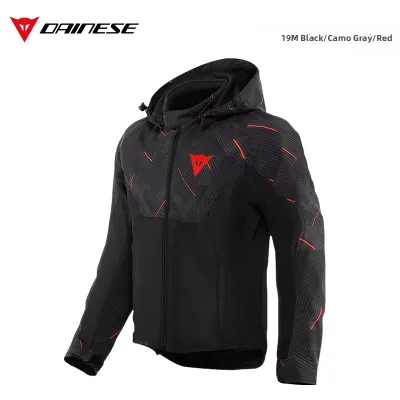
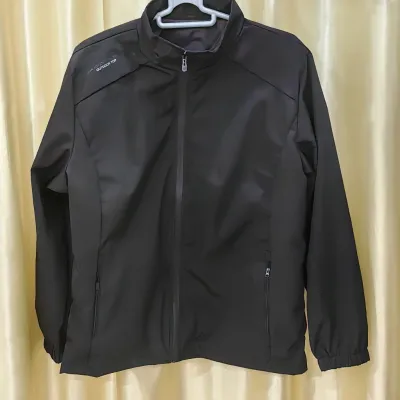
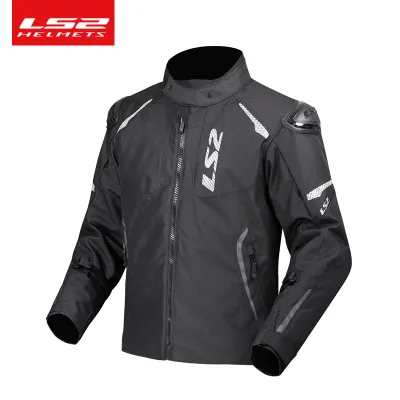
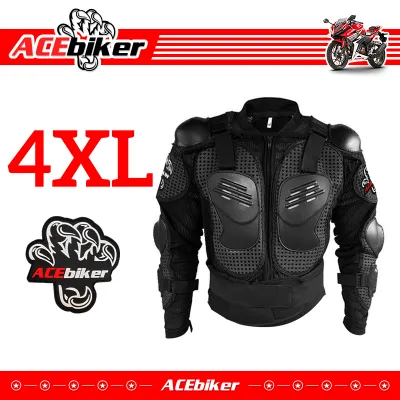
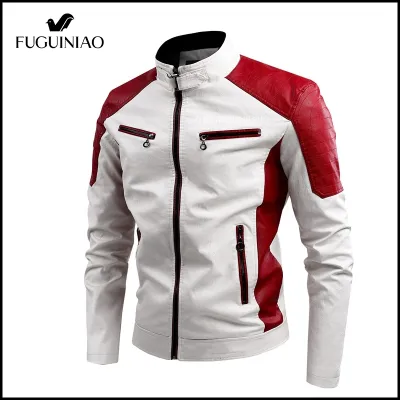
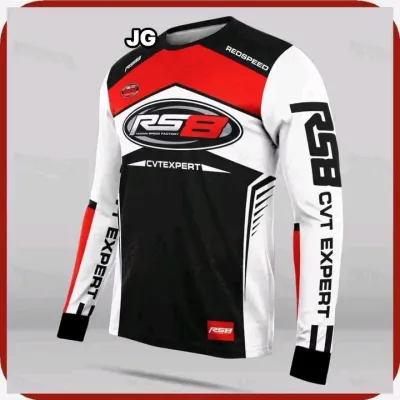
Prices are valid at publication and may change. Please refer to the product page for the latest price.
To verify the protective capability of any jacket, you must look beyond basic material descriptions and inspect the official garment labels. Look for European standard certifications, specifically the EN 17092 standard, which rates the entire garment’s abrasion resistance from Class A (suitable for urban riding) to Class AAA (designed for high-speed track or highway riding). Checking these manufacturer tags ensures you are buying a piece of safety equipment that has undergone standardized mechanical testing, rather than relying on unverified marketing claims. Never assume a jacket is safe simply because it looks rugged; always verify the certified rating on the inner label before making a purchase.
Key Design Features for Maximum Ventilation
To maintain a comfortable body temperature during long rides in high humidity, a motorcycle jacket must do more than just let air in; it must actively manage airflow. Effective ventilation relies on a continuous stream of air entering the front of the jacket and escaping through the back. When evaluating a jacket, check the placement and size of the intake vents, which are typically located on the chest, forearms, or shoulders. Equally important are the exhaust vents situated on the upper back, which allow trapped body heat and humid air to escape, preventing the ballooning effect that can destabilize a rider at higher speeds.

Adjustability is another critical factor in managing airflow and maintaining aerodynamic stability. Look for jackets equipped with adjustable straps, snaps, or hook-and-loop fasteners on the cuffs, collar, forearms, and waist. These adjustment points allow you to customize the fit, ensuring the jacket does not flap violently in the wind, which causes rider fatigue and can displace protective armor. By tightening the sleeves and waist, you can also channel air directly toward your core or open up the collar slightly during slow, stop-and-go city commutes to maximize passive cooling.
The interior of the jacket plays a vital role in how comfortable you feel when sweating in tropical conditions. A high-quality riding jacket should feature a lightweight, moisture-wicking mesh inner lining that prevents the outer shell from sticking to your skin. This lining helps pull sweat away from your body, promoting evaporative cooling as air flows through the outer mesh panels. Avoid jackets with heavy, non-breathable polyester linings that trap moisture, as these can quickly lead to skin chafing, heat rash, and overall discomfort during extended rides.
Armor and Impact Protection in Hot Weather
While abrasion resistance protects your skin from road rash, impact protection is what safeguards your bones and joints during a fall. In hot weather, traditional solid rubber or foam armor inserts can block airflow and create localized hot spots on your shoulders, elbows, and back. Fortunately, modern protective technology has led to the development of highly ventilated, molecular armor inserts. These protectors are flexible and breathable under normal conditions, allowing air to pass through their open-grid structures, but they instantly harden upon impact to absorb and disperse energy.
When shopping for a jacket, always verify that the included armor carries the CE (Conformité Européenne) certification mark. Specifically, look for labels indicating compliance with EN 1621-1 for shoulder and elbow protectors, and EN 1621-2 for back protectors. These certifications are divided into Level 1 and Level 2, with Level 2 offering higher impact absorption. For tropical riding, look for ventilated Level 1 or Level 2 armor that features a lattice or honeycomb design, which provides excellent impact protection without blocking the cooling wind entering through the jacket’s mesh panels.
The effectiveness of even the best armor depends entirely on its positioning during an accident. Inspect the internal pockets of the jacket to ensure they are securely stitched and designed to hold the armor firmly against your joints. Some jackets feature adjustable armor pockets with hook-and-loop strips, allowing you to raise or lower the elbow and shoulder pads to match your specific body proportions. If the armor pockets are too loose or poorly positioned, the protective pads may shift away from your joints during a slide, leaving you vulnerable to severe impact injuries.
Fit, Comfort, and Hygiene for Humid Conditions
Achieving the correct fit is a fundamental safety requirement that directly impacts your comfort in humid weather. A motorcycle jacket must fit snugly against your body; a loose jacket allows the fabric to twist during a slide, which can pull the abrasion-resistant panels and impact armor away from the areas they are meant to protect. When trying on a jacket, wear the typical lightweight clothing you plan to ride in, such as a moisture-wicking base layer. Ensure you can move your arms, reach the handlebars, and turn your head freely without the collar pinching or the sleeves pulling back too far from your wrists.
The unpredictable tropical weather in the Philippines often brings sudden downpours, making versatility a key consideration. Many hot-weather jackets come with removable inner liners, which may include a windproof layer or a waterproof membrane. While these liners are excellent for keeping you dry during a sudden afternoon shower or warm during cooler night rides up to elevated areas like Tagaytay or Baguio, they should be removed during hot, sunny daytime rides. Keeping a waterproof liner installed in dry, humid weather turns the jacket into a sauna, trapping sweat and rapidly raising your core body temperature.
Hygiene is a major concern when riding daily in a hot and humid environment. Sweat, road grime, and exhaust fumes quickly accumulate in the fabric, leading to unpleasant odors and bacterial growth. To address this, look for jackets that feature antibacterial treatments on the inner lining, or better yet, fully removable and washable comfort liners. Being able to zip out the inner lining and toss it into a washing machine makes maintaining personal hygiene and keeping your gear smelling fresh significantly easier over months of regular commuting.
Maintenance and Care for Tropical Riding Gear
Proper maintenance is essential to preserve both the protective qualities and the lifespan of your motorcycle jacket. Sweat contains salts and acids that can slowly degrade synthetic fibers, weaken stitching, and damage protective coatings over time. Always consult the manufacturer’s care label inside the jacket before attempting to clean it. For most textile and mesh jackets, hand washing in cool water with a mild, non-biological liquid detergent is the safest method, as harsh chemicals or machine agitation can compromise the structural integrity of the seams and fabric.
After washing, or after a wet ride in a sudden tropical storm, drying your gear correctly is critical to prevent the growth of mold and mildew. Never wring out a riding jacket, as this can stretch the fabric and damage the internal armor pockets. Instead, remove all armor inserts and hang the jacket on a wide, heavy-duty plastic hanger in a well-ventilated, shaded outdoor area. Avoid exposing the jacket to direct, intense sunlight for extended periods, as ultraviolet (UV) rays can fade the colors and weaken the synthetic fibers of mesh and textile materials.
Storage conditions play an equally important role in maintaining your gear’s integrity between rides. Store your motorcycle jacket in a cool, dry room with plenty of air circulation, rather than in a damp closet, a sealed plastic bin, or directly on a concrete floor where moisture can accumulate. If you ride infrequently, periodically check on your gear to ensure no mold has started to form in the folds of the fabric. Taking these simple preventative steps ensures that your jacket remains structurally sound, hygienic, and ready to protect you on every journey.
Frequently Asked Questions (FAQ)
Is a full mesh jacket safe enough for highway riding?
A full mesh jacket can provide basic protection, but for high-speed highway riding, you should look for a hybrid jacket that incorporates heavy-duty textile or leather reinforcement panels in high-impact zones like the shoulders and elbows. Pure mesh fabric has lower abrasion resistance than solid textiles or leather, meaning it can wear through quickly during a high-speed slide on rough highway asphalt. Always check the manufacturer’s specifications and the garment’s CE rating label to ensure it is rated for the speeds and road conditions you expect to encounter on your route.
Should I buy a larger size to allow for better airflow?
No, you should never buy a larger jacket size simply to increase airflow. A loose-fitting jacket allows the internal impact armor to shift away from your elbows, shoulders, and back during a crash, leaving your joints completely unprotected. Additionally, excess fabric will flap violently at higher speeds, causing rider fatigue and instability. Instead of sizing up, choose a jacket that fits snugly and utilize its built-in adjustment straps, ventilation panels, and lightweight, moisture-wicking base layers to manage your comfort and airflow safely.
Community discussion
Share your experience or ask a question. Comments are reviewed before publication.