
Finding a reliable full face helmet for men under ₱5,000 in the Philippines is entirely achievable, provided you know how to distinguish genuine safety features from superficial styling. In the local market, where daily commutes involve navigating dense urban traffic, unpredictable tropical downpours, and varying road conditions, your helmet is your most critical piece of safety gear. While premium professional helmets can cost tens of thousands of pesos, the sub-₱5,000 price point offers a wide selection of highly protective options that meet rigorous safety standards.
To make an informed decision, you must prioritize structural integrity, certified impact absorption, and a secure fit over high-end aesthetics or ultra-lightweight materials. This guide will walk you through what to expect in this budget tier, how to verify life-saving safety certifications, and how to select a helmet that keeps you comfortable and protected on Philippine roads.
What to Expect From a Full-Face Helmet Under ₱5,000
Shopping for a motorcycle helmet within a ₱5,000 budget requires a clear understanding of what features are essential for your safety and which ones are luxury additions. In this price range, manufacturers focus their resources on meeting mandatory safety standards while keeping production costs manageable. This means you will receive excellent impact protection, but you will have to make practical trade-offs regarding weight, materials, and premium convenience features.
Products mentioned in this guide
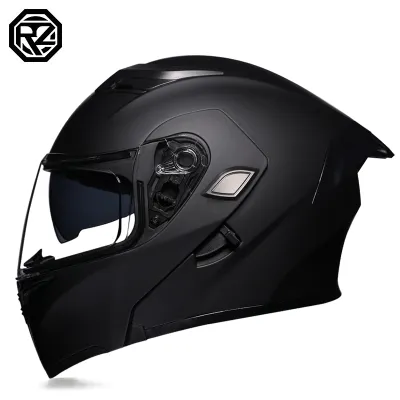
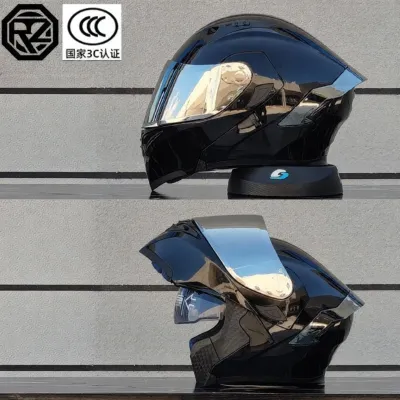
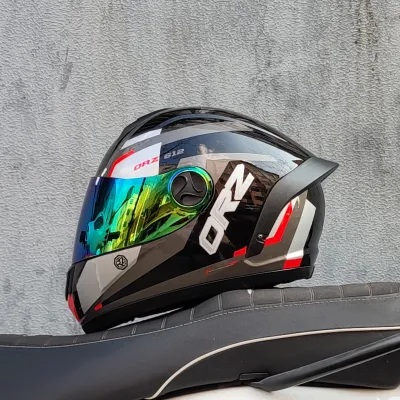
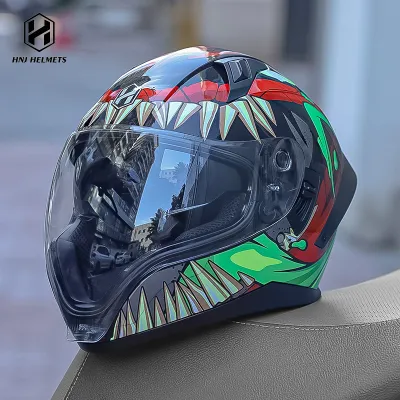
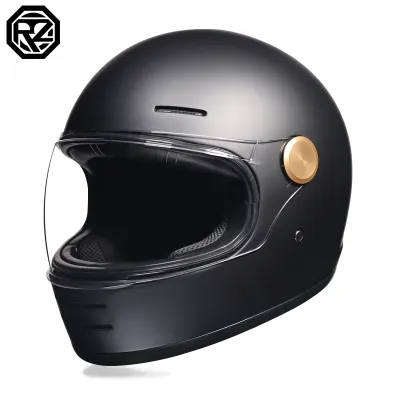
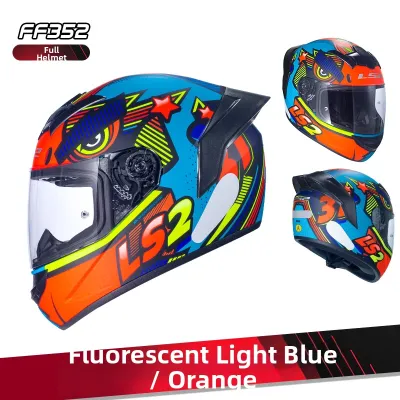
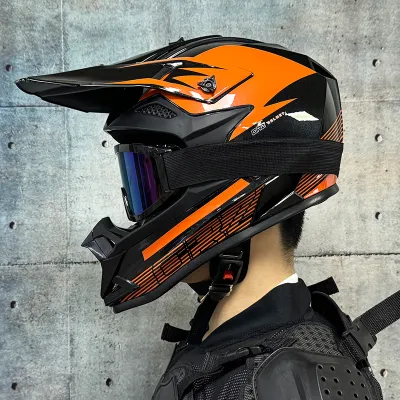
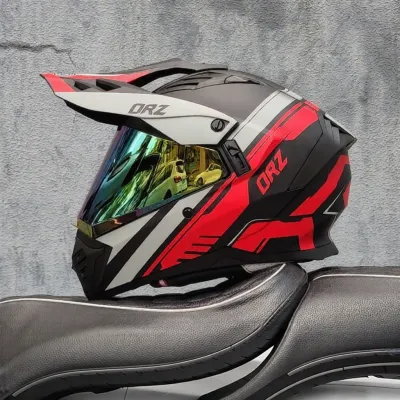
Prices are valid at publication and may change. Please refer to the product page for the latest price.
Your absolute must-haves in any budget full-face helmet include a certified outer shell, a robust impact-absorbing liner, and a highly secure retention system. These components form the defensive core of your helmet. Nice-to-have features—such as intricate multi-color graphics, ultra-lightweight composite fibers, advanced aerodynamic spoilers, and quick-release visor mechanisms with toolless changes—are often simplified or absent in this price bracket.
The vast majority of helmets under ₱5,000 utilize outer shells made of thermoplastic or polycarbonate materials. These materials are highly durable, excellent at dispersing impact energy, and cost-effective to manufacture. However, the primary trade-off is weight. Polycarbonate shells are inherently heavier than premium materials like fiberglass, carbon fiber, or complex organic composites. A typical budget full-face helmet may weigh between 1,450 and 1,650 grams, which is noticeable during long rides but perfectly manageable for daily commuting.
When browsing options, you will find many models marketed specifically as a full face helmet for men. In this price tier, this designation rarely indicates a fundamental difference in structural safety or internal head shape compared to unisex models. Instead, “men’s” helmets generally feature more aggressive shell styling, darker or neutral color schemes, and matte finishes. More importantly, these models are more likely to be stocked in larger shell sizes, ranging from Large (L) to Double Extra Large (XXL), ensuring a proper fit for riders with larger head circumferences.
Ultimately, the core decision logic at this price point is simple: structural safety must always take precedence over cosmetic appeal. A plain, solid-color helmet with verified safety certifications is infinitely more valuable than a highly stylized, aggressively designed helmet that lacks proper testing and credentials.
How to Verify Safety Certifications and Avoid Fakes
In the Philippines, riding without a certified helmet is not only highly dangerous but also illegal. Under national land transportation laws, all motorcycle riders must wear helmets that bear the appropriate safety markings. When purchasing a budget helmet, verifying these certifications is the single most important step to protect your life and avoid costly traffic fines.

To ensure a helmet is road-legal and safe, you must inspect it for both local and international safety certification marks. In the Philippines, look for the Import Commodity Clearance (ICC) sticker or the Philippine Standard (PS) mark. These stickers are issued by the Bureau of Philippine Standards (BPS) after rigorous testing. Additionally, reputable budget helmets will feature international certification labels printed on the back of the shell or sewn into the inner liner. The most common standards are DOT (FMVSS No. 218, the US Department of Transportation standard) and ECE (specifically ECE 22.05 or the newer, more stringent ECE 22.06 European standard).
Because counterfeit helmets and fake certification stickers are highly prevalent on unverified online marketplaces, you must know how to spot the warning signs of a fake. Genuine ICC stickers feature a distinct holographic pattern, clear serial numbers, and clean, sharp printing. If you notice peeling edges, blurry text, or a complete lack of holographic reflection, the sticker is likely counterfeit. Furthermore, some unscrupulous sellers stick generic “DOT” stickers on helmets that have never undergone any standardized impact testing.
To protect yourself from buying a dangerous counterfeit, always cross-check the helmet’s brand and model. Visit the manufacturer’s official website to confirm that the specific model exists and is certified under the standards claimed by the seller. The safest purchasing strategy is to buy exclusively from official brand flagship stores, authorized physical motorcycle accessory shops, or verified retail partners. Avoid purchasing gear from unverified third-party sellers on social media platforms.
Beyond the outer shell and stickers, you must personally inspect the helmet’s physical construction before riding. Pay close attention to the retention system, which consists of the chin strap and its fastening mechanism. Budget helmets typically use either a micro-metric quick-release buckle or a classic double D-ring system. Inspect the stitching where the strap is anchored to the helmet’s inner shell; the thread should be thick, tight, and free of loose ends. If the buckle is made of thin, flimsy plastic or shows signs of rust on metal components, do not use the helmet.
Finally, beware of unbranded “novelty” helmets that mimic the sleek, aggressive shape of full-face racing helmets but are sold at suspiciously low prices, often under ₱1,000. These dangerous products are usually made of cheap, brittle plastic and completely lack an internal Expanded Polystyrene (EPS) liner. Without a dense EPS liner to absorb and distribute impact forces, a helmet will fail to protect your head in a crash, acting as little more than a cosmetic shell.
Assessing Fit, Visor Clarity, and Tropical Comfort
A helmet can only protect you if it fits correctly and remains comfortable enough to wear consistently on every ride. In the hot, humid climate of the Philippines, physical comfort directly influences your safety. A helmet that fits poorly or lacks proper ventilation will cause distractions, fatigue, and impaired vision, increasing your risk on the road.
Finding the Right Fit
To find a helmet that fits safely, you must first measure your head circumference accurately. Wrap a soft, flexible measuring tape around your head, positioning it about one inch above your eyebrows and just above your ears. Take this measurement in centimeters and compare it directly to the sizing chart provided by the specific helmet manufacturer. Sizing is not standardized across brands; a Medium in one brand may fit like a Small in another.
When you try on a full-face helmet, the fit should feel snug and secure across your entire head. The cheek pads should press firmly against your cheeks without causing pain, and the crown of the helmet should sit comfortably on your head without creating sharp pressure points. A common mistake is buying a helmet that is too large because it feels “comfortable” in the store. To test the fit, fasten the chin strap securely and shake your head vigorously from side to side. If the helmet shifts, slides over your eyes, or rotates independently of your skin, it is too loose and will not protect you during an impact.
Visor and Shield Mechanics
Your visor is your primary shield against wind, road debris, insects, and sudden tropical downpours. When evaluating a budget full-face helmet, look for a visor that offers excellent optical clarity without warping or distorting your field of view. Distorted vision leads to eye strain and headaches during long commutes. The visor should also feature a basic scratch-resistant coating to maintain long-term visibility.
A reliable visor must have a secure locking mechanism and a thick, continuous rubber gasket around the eyeport. This seal is crucial for preventing rainwater from seeping down the inside of the visor during heavy rains. While some budget options under ₱5,000 include a dual-visor system with an internal drop-down sun shield, keep in mind that this feature adds mechanical complexity and weight. If you frequently ride in the rain, check if the visor is Pinlock-ready, which allows you to install an anti-fog insert to maintain clear vision in humid conditions.
Ventilation and Interior
Riding in the Philippines means dealing with intense heat and high humidity. Efficient ventilation is essential to prevent heat exhaustion and keep your visor from fogging up when you stop at traffic lights. Look for a helmet designed with active ventilation channels, including adjustable chin vents, forehead intake vents, and rear exhaust ports that draw hot air out of the helmet.
The interior liner of the helmet plays a major role in hygiene and comfort. Because you will inevitably sweat while riding in tropical weather, it is vital to choose a helmet with a fully removable and washable inner liner. Regularly washing the cheek pads and crown liner prevents the accumulation of sweat, dirt, and oils, which can cause skin irritation, acne, and unpleasant odors. Ensure the liner materials are hypoallergenic and breathable to enhance overall comfort during daily commutes.
Where to Buy Safely and How to Avoid Hidden Costs
Navigating the motorcycle gear marketplace requires caution, especially when shopping within a strict budget. To get the best value for your ₱5,000 without compromising on safety, you must choose your purchasing channels wisely and account for all associated costs before making your final decision.
To minimize the risk of purchasing counterfeit, damaged, or expired stock, buy your helmet from established, reputable sources. Physical motorcycle accessory shops allow you to try on different models, verify the fit, and inspect the build quality in person. If you prefer the convenience of online shopping, stick to official brand flagship stores or highly rated, verified sellers on major e-commerce platforms. Look for stores with high positive feedback ratings and read customer reviews carefully to verify that buyers received genuine, properly packaged products.
When sticking to a strict ₱5,000 budget, you must factor in potential hidden costs that can easily push your total expenses over the limit. If purchasing online, calculate the shipping and handling fees, which can be substantial for bulky items like helmets. Additionally, consider the cost of essential accessories. For example, if a helmet only comes with a dark tinted or mirrored visor, you may need to purchase an additional clear visor to remain compliant with local night-riding laws. Other potential expenses include a protective helmet bag, a microfiber cleaning cloth, or anti-fog solutions.
Before finalizing your purchase, always verify the seller’s return and exchange policy. This is particularly critical when buying online, where you cannot try the helmet on beforehand. A reputable seller should offer a straightforward exchange process if the helmet does not fit perfectly upon arrival. Avoid sellers who list items as “no return, no exchange” or those who charge excessive restocking fees for size swaps.
Finally, train yourself to recognize major red flags that indicate a shady transaction. Be highly suspicious of premium, well-known helmet brands offered at fraction-of-the-cost prices (such as ₱1,500 for a helmet that normally retails for ₱4,500). Other red flags include sellers who refuse to provide actual, high-resolution photos of the ICC or ECE certification labels, helmets shipped without their original branded box, or the complete absence of a user manual and official warranty card. Investing a little extra time in verifying these details ensures your hard-earned money goes toward real, life-saving protection.
Frequently Asked Questions (FAQ)
How often should I replace a budget full-face helmet?
You should generally replace a budget full-face helmet every 3 to 5 years from its manufacturing date, or immediately after any impact. Over time, the internal Expanded Polystyrene (EPS) liner and protective resins degrade due to exposure to sweat, hair oils, UV rays, and temperature fluctuations, reducing their ability to absorb shock. To find your helmet’s age, look for a small manufacturing date stamp or tag, which is typically located under the comfort liner or sewn onto the chin strap. If you are involved in any accident where the helmet hits the ground, you must replace it immediately, even if there is no visible damage, as the internal EPS liner crushes to absorb impact energy and cannot protect you a second time.
Can I use a budget full-face helmet for long highway rides?
Yes, a certified budget full-face helmet is perfectly safe for highway speeds, but you should expect some comfort and noise limitations during extended rides. Because budget helmets are made from heavier polycarbonate materials and feature simpler aerodynamic profiles, they tend to generate more wind noise and can cause neck fatigue over long distances. To ensure a safe and comfortable long-distance trip, make sure to take regular rest stops to rest your neck and eyes, and consider wearing high-quality earplugs designed for riding to protect your hearing from sustained wind noise. Always ensure your visor is clean and free of scratches before embarking on a long highway journey.

Community discussion
Share your experience or ask a question. Comments are reviewed before publication.