
Riding a motorcycle through a sudden tropical downpour in the Philippines requires gear that goes far beyond a standard umbrella or a cheap plastic poncho. To find a reliable heavy-duty raincoat for men, you must prioritize materials that resist high-velocity water penetration, construction methods that seal out moisture at the seams, and a design tailored for the active riding posture. The ideal gear must withstand the relentless wind-driven rain of the monsoon season while ensuring you remain visible to other motorists on wet, low-visibility roads.
Choosing the right raincoat involves balancing absolute waterproof performance with comfort, durability, and safety. A poorly chosen jacket can balloon in the wind, leak at the crotch or chest, or tear apart at highway speeds. By understanding the technical specifications of heavy-duty rainwear, you can make an informed investment that keeps you dry and safe during your daily commute or long-distance rides.
Understanding the Demands of Motorcycle Riding in Heavy Rain
The environmental conditions faced by a motorcycle rider in the Philippines are uniquely challenging, especially during the southwest monsoon or habagat season. Unlike a pedestrian who experiences rain falling vertically, a rider moves directly into a wall of water at speeds of 40 to 80 kilometers per hour. This velocity transforms gentle raindrops into high-pressure projectiles that can easily penetrate standard fabrics, zippers, and seams.
Products mentioned in this guide
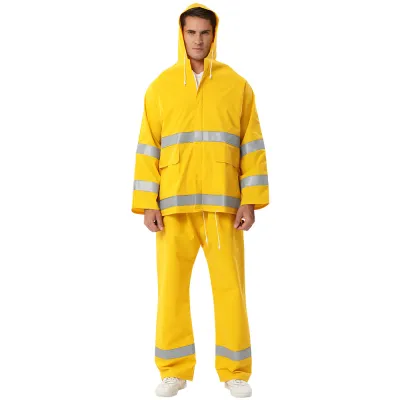
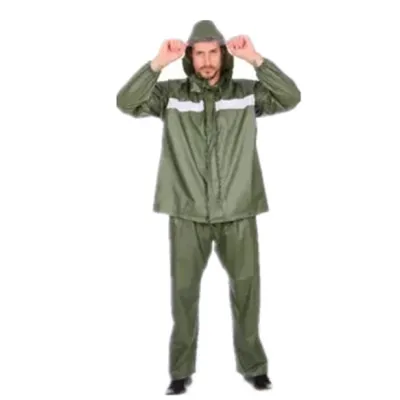
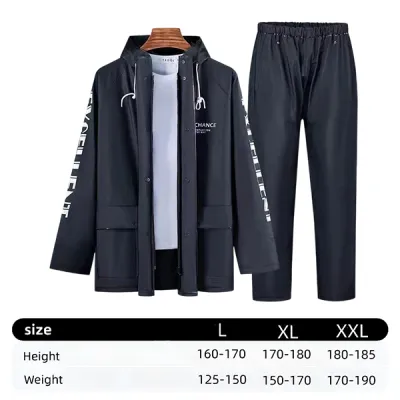
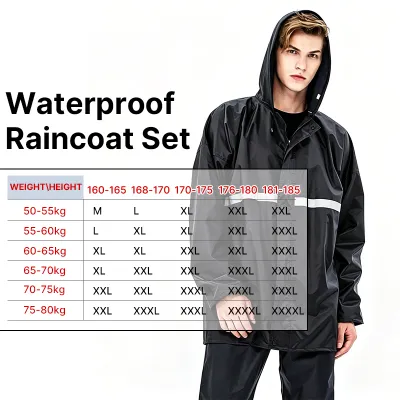
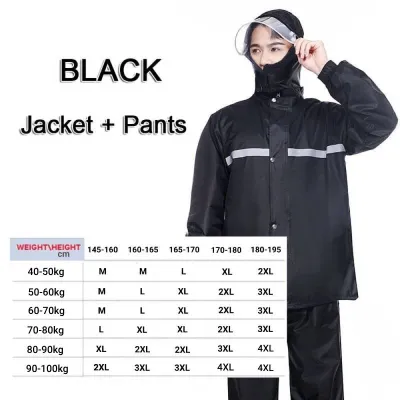
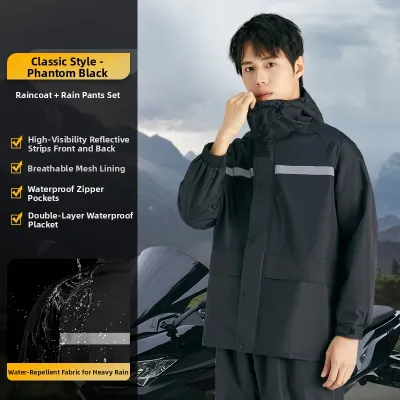
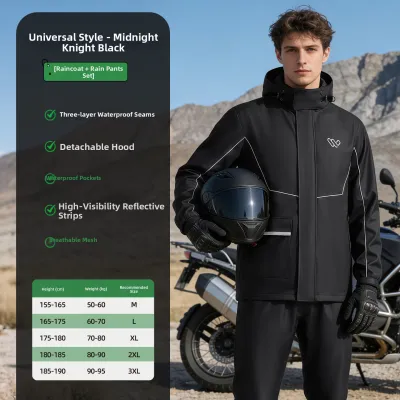
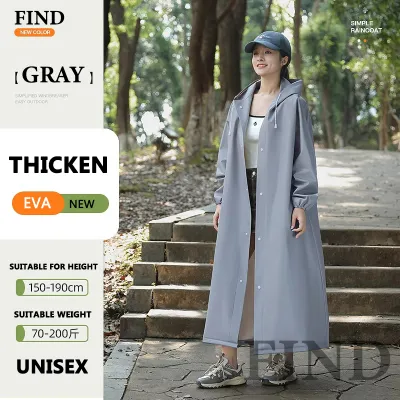
Prices are valid at publication and may change. Please refer to the product page for the latest price.
In addition to wind-driven rain, riders must contend with heavy road spray from surrounding vehicles, particularly large trucks and buses on major thoroughfares. This spray is not just water; it carries road grime, oil residues, and fine grit that can degrade cheap fabrics and clog breathable membranes. Your gear must be robust enough to withstand this constant chemical and physical bombardment without losing its waterproof integrity.
Another critical factor is the tropical climate of the Philippines, where high humidity and warm temperatures persist even during heavy downpours. Wearing a completely non-breathable plastic suit can quickly turn the interior into a sauna, leading to excessive sweating, discomfort, and fogged-up helmet visors. Balancing waterproof protection with adequate ventilation is essential to maintain focus and control on slippery roads.
Finally, heavy-duty riding gear must offer a degree of physical protection. While a raincoat is primarily designed to keep you dry, a motorcycle-specific rain suit should be constructed from abrasion-resistant materials. In the unfortunate event of a slide on wet asphalt, standard thin plastic will shred instantly, offering zero protection to your skin or the riding jacket underneath. Heavy-duty nylon or polyester shells provide that crucial extra layer of defense.
Key Features to Look for in a Heavy-Duty Rain Coat
When evaluating heavy-duty raincoats, the difference between a standard utility jacket and a motorcycle-specific rain suit lies in the details of its construction. The first area of vulnerability is always the closures. Look for raincoats equipped with heavy-duty, waterproof zippers that are shielded by double storm flaps. These flaps should secure tightly with hook-and-loop fasteners or snap buttons to prevent wind from forcing water through the zipper teeth.

Seam construction is another non-negotiable feature for motorcycle riding. Even the most waterproof fabric will leak if the needle holes from stitching are left exposed. High-quality heavy-duty raincoats feature fully taped or heat-welded seams on the interior. This process seals every stitch line with a waterproof tape, ensuring that water cannot seep through the seams under high wind pressure.
The collar and cuff designs are critical entry points for water that must be managed. A high, adjustable collar lined with soft fabric like fleece prevents water from running down your neck from the helmet. Cuffs should feature elastic bands combined with adjustable hook-and-loop straps, allowing you to seal them tightly over or under your riding gloves. Some advanced designs also include an under-helmet hood that can be worn beneath the helmet to create a continuous waterproof barrier.
Reinforcement in high-wear areas is a hallmark of true heavy-duty gear. The seat of the pants, the inner thighs, the shoulders, and the elbows are subjected to constant friction, stretching, and wind pressure. Look for rain suits that feature double-layered fabric or heavy-duty panels in these zones. A reinforced seat prevents water from pooling and soaking through the pants during long hours on a wet motorcycle saddle.
Evaluating Materials and Waterproof Construction
Understanding the materials used in rainwear is essential to avoid marketing traps and select a suit that matches your riding frequency. The most common materials for heavy-duty raincoats are Polyvinyl Chloride (PVC), Polyurethane (PU), and treated Nylon or Polyester. Each material offers a distinct balance of waterproof performance, durability, weight, and breathability.
PVC and rubberized fabrics are highly traditional choices for heavy-duty workwear. They are completely waterproof, highly durable, and relatively inexpensive, often found in budget-friendly rain suits priced under ₱1,000. However, PVC is entirely non-breathable, heavy, and can become stiff in cooler mountain temperatures or stiffen over time with sun exposure. For short commutes, PVC is highly effective, but for long rides, it can become incredibly hot and restrictive.
Polyurethane (PU) coatings on nylon or polyester fabrics offer a more modern, flexible alternative. These materials are lighter, more supple, and allow for better freedom of movement while maintaining excellent waterproof ratings. High-end heavy-duty raincoats often utilize laminated membranes, where a waterproof, breathable barrier is bonded to a durable outer textile shell. These membranes allow sweat vapor to escape while blocking liquid water from entering, making them ideal for long rides in hot, humid tropical weather.
When inspecting product tags or online specifications, look for explicit waterproof ratings measured in millimeters (mm). A rating of 10,000mm to 20,000mm is highly recommended for motorcycle riding, as it indicates the fabric can withstand high water pressure before leaking. Additionally, check if the outer fabric has been treated with a Durable Water Repellent (DWR) coating, which causes water to bead up and roll off the surface rather than soaking into the outer textile layer.
Safety, Visibility, and Fit for the Road
Riding in a heavy downpour drastically reduces visibility for all road users. Raindrops on visors and windshields, combined with road spray and dark skies, make it incredibly difficult for car drivers to spot a motorcyclist. Therefore, safety and visibility must be primary considerations when choosing your heavy-duty raincoat. Opt for bright, high-visibility colors such as neon yellow, orange, or bright green, especially on the upper torso and shoulders.
In addition to bright colors, high-quality reflective elements are vital for low-light and night riding. Look for raincoats with wide, retroreflective strips across the back, chest, and sleeves. These strips should meet international safety standards to ensure they reflect light effectively even when wet. Avoid raincoats with minimal or low-quality reflective piping that loses its reflectivity when covered by a thin film of water.
The fit of your raincoat is equally critical for safety and comfort. A raincoat that is too loose will flap violently at highway speeds, which is not only incredibly noisy and tiring but can also destabilize your balance or catch on the motorcycle’s handlebars or footpegs. Conversely, a suit that is too tight will restrict your movement, making it difficult to turn your head for blind-spot checks or react quickly to road hazards.
To achieve the perfect fit, always try on the raincoat while wearing your full riding gear, including your armored jacket and pants. Many motorcycle-specific raincoats are designed with a slightly oversized cut to accommodate armor underneath, but you should still verify this using the manufacturer’s sizing charts. Look for adjustment straps on the upper arms, waist, and lower legs to cinch down any excess fabric and prevent wind flapping.
Building Your Shortlist: What to Check Before Buying
Before finalizing your purchase of a heavy-duty raincoat, it is essential to perform a systematic check of the product’s specifications and user feedback. Start by verifying the manufacturer’s claims regarding waterproof ratings and construction. Look for explicit mentions of “fully taped seams” or “welded seams” rather than vague descriptions like “water-resistant” or “showerproof,” which will not survive a tropical downpour.
If you are purchasing from local motorcycle gear shops or reputable online marketplaces, pay close attention to the sizing charts. Do not rely on your standard t-shirt size, as rainwear sizing varies significantly between brands, especially when designed to fit over protective riding armor. Measure your chest, waist, and inseam while wearing your typical riding gear, and compare these measurements directly to the brand’s specific sizing guide.
Review the return and warranty policies of the seller or manufacturer. A high-quality heavy-duty raincoat is an investment, and manufacturing defects in seam taping or zipper seals can occasionally occur. Ensure that the seller offers a clear return or exchange policy if the suit leaks during its first exposure to rain. A warranty of six months to a year on waterproof integrity is a strong indicator of a manufacturer’s confidence in their product.
Finalizing your decision should also involve leveraging user reviews and community forums to assess the long-term durability of the raincoat. Look specifically for feedback from daily commuters or long-distance riders who have used the gear over several months. Pay attention to comments regarding the lifespan of the zippers, the durability of the crotch seam (which is a common failure point), and whether the waterproof coating degrades after multiple washes.
Frequently Asked Questions (FAQ)
How should a heavy-duty raincoat fit over a motorcycle helmet and gloves?
To prevent water from entering your gear, you must establish a proper overlapping seal at your neck and wrists. When wearing gloves with long gauntlets, tuck the gauntlets under the raincoat sleeves; this prevents rain running down your arms from pooling inside your gloves. For the neck area, the raincoat’s high collar should sit snugly under the base of your helmet. If your raincoat features an under-helmet hood, wear it beneath your helmet to create a continuous, leak-proof barrier that prevents water from running down your neck.
What is the best way to clean and maintain waterproof motorcycle gear?
To preserve the waterproof membrane and DWR coating of your heavy-duty raincoat, always follow the manufacturer’s care label instructions. Avoid using harsh household detergents, bleach, or fabric softeners, as these chemicals can strip away the DWR coating and clog or dissolve breathable membranes. Instead, hand wash the raincoat using a specialized technical wash designed for waterproof fabrics, or use a mild, additive-free liquid soap. Hang the gear to air dry completely in a shaded, well-ventilated area; never use a high-heat tumble dryer or expose it to direct, intense sunlight for extended periods.
Can a standard heavy-duty work raincoat be used for motorcycle riding?
While a standard heavy-duty work raincoat designed for construction or agriculture may seem durable, it is generally unsuitable and unsafe for motorcycle riding. Standard workwear lacks the aerodynamic fit required for high-speed riding, leading to violent flapping that can distract you and destabilize your motorcycle. Furthermore, industrial work raincoats rarely feature the necessary abrasion-resistant fabrics, reinforced impact zones, or motorcycle-specific reflective placements required to keep you safe and visible on the road.
Community discussion
Share your experience or ask a question. Comments are reviewed before publication.