
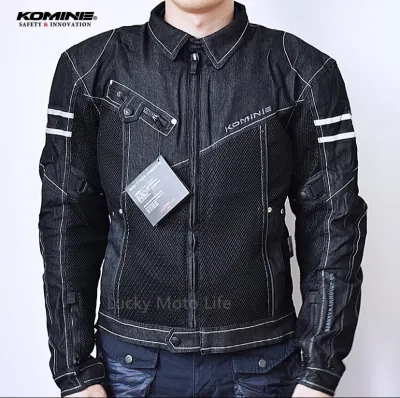
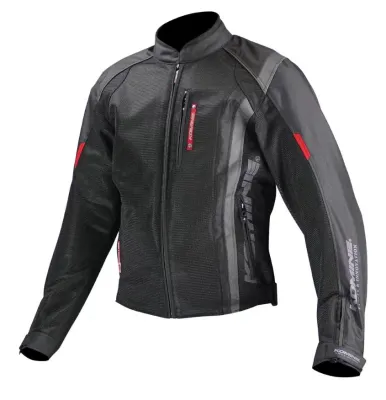
Choosing a Komini riding jacket that balances ventilation and protection in the hot and humid climate of the Philippines requires focusing on hybrid mesh construction and verified armor ratings. The ideal jacket must allow continuous airflow to prevent heat exhaustion while maintaining structural integrity and impact protection at key contact points. By evaluating the placement of mesh panels, checking the certification labels on the built-in protectors, and ensuring a proper riding-posture fit, you can stay safe on the road without succumbing to the intense tropical heat.
Why Tropical Climates Demand Specific Riding Gear
Riding a motorcycle in the Philippines presents unique environmental challenges that directly affect rider safety and comfort. High ambient temperatures combined with elevated humidity levels make it difficult for the human body to cool itself naturally through sweat evaporation. When you wear a heavy, non-breathable jacket, heat becomes trapped against your skin, rapidly increasing your core body temperature and leading to premature fatigue, dehydration, or loss of concentration on busy roads.
In the Philippines, riders frequently transition between congested urban centers and open provincial highways. In slow-moving traffic, the lack of natural wind makes heat dissipation incredibly difficult, making a highly breathable jacket a necessity rather than a luxury. Standard winter or heavy leather jackets alter your temperature perception drastically in high humidity, making even short commutes feel suffocating.
Products mentioned in this guide
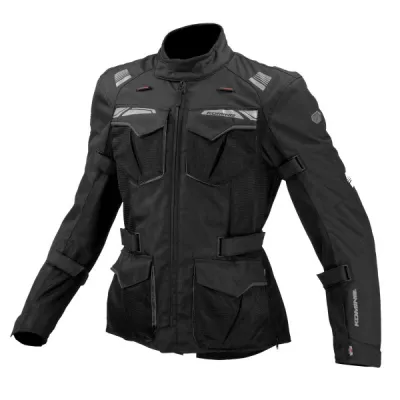
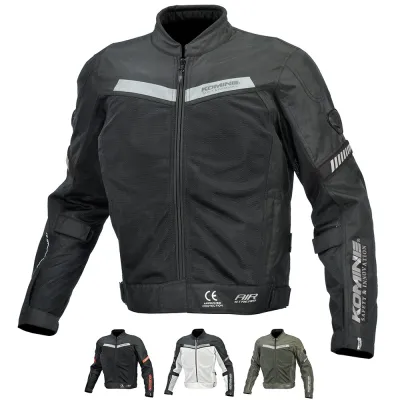
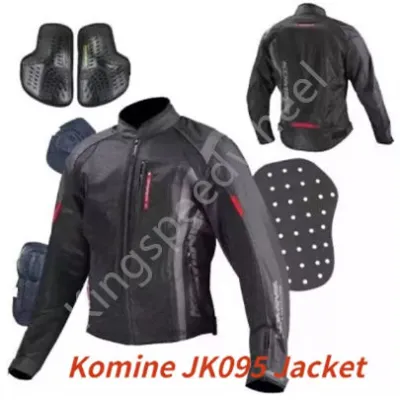
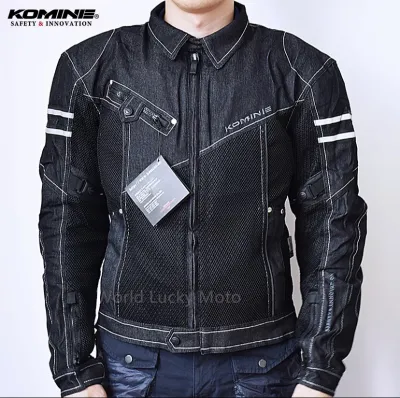
Prices are valid at publication and may change. Please refer to the product page for the latest price.
Furthermore, tropical riding requires protection against intense ultraviolet (UV) radiation during midday runs, alongside sudden, heavy downpours that can occur without warning. A specialized tropical riding jacket must act as a dynamic shield, blocking solar heat and road debris while facilitating constant air exchange to keep your skin dry and your mind focused.
Identifying Effective Ventilation Structures
To ensure adequate airflow during slow-moving city traffic or open highway cruises, you must closely inspect the physical ventilation design of the jacket. Look for strategic placement of mesh panels across high-heat zones, particularly the chest, inner arms, and the entire back panel. These mesh sections allow cool air to enter the front of the jacket and push hot, humid air out through the rear exhaust zones, creating a continuous cooling draft.

Examine the size and operational mechanisms of any intake and exhaust vents. Some jackets feature zippered vents on the shoulders or chest that can be opened or closed depending on the weather. When evaluating these features, check the ease of operating the zippers while wearing your riding gloves. High-quality zippers with pull tabs or textured grips allow you to adjust your airflow on the go without needing to pull over and remove your safety gear.
Additionally, pay attention to the structure of the mesh itself. Tight, high-density mesh offers a balance of airflow and mild abrasion resistance, whereas wide-weave mesh maximizes wind intake but may require stronger underlying textile reinforcements. When inspecting the mesh, look for multi-directional weave patterns that allow air to enter from various angles, which is particularly useful when crosswinds occur.
Some advanced designs also feature 3D mesh liners that create a physical gap between the outer shell and your skin, ensuring that air can circulate even under the pressure of a backpack. Ensure that the ventilation paths are not obstructed by internal pockets or thick liners that block the passage of air directly to your body.
Verifying Impact and Abrasion Protection
While ventilation keeps you cool, protection is the primary reason to wear a riding jacket. You must validate the safety specifications of any Komini jacket by checking the official certification labels printed on or sewn into the garment and its armor inserts. Look for CE (Conformité Européenne) certification markings, specifically CE Level 1 or CE Level 2 ratings on the elbow, shoulder, and back protectors. Level 2 armor offers higher impact absorption but is often thicker, so you must verify if the protector design incorporates ventilation holes to prevent localized heat buildup.
Abrasion resistance is equally critical. Inspect the outer shell to identify high-denier textile reinforcements, such as heavy-duty polyester or nylon, at critical impact zones like the shoulders and outer elbows. These reinforced panels should be securely stitched to the lighter mesh sections using double or triple seams to prevent tearing during a slide.
Additionally, check if the chest and back protector pockets are compatible with aftermarket upgrades. Some riders prefer to upgrade to chest protectors for added safety on busy highways. Ensure that any added armor does not completely block the ventilation channels designed into the jacket’s shell.
Finally, evaluate the removability of the armor pieces. Removable protectors make it much easier to wash the textile shell, which is a frequent necessity in humid climates. Being able to remove or swap out the armor also allows you to inspect the pockets for wear and tear, ensuring that the protective inserts remain securely positioned over your joints during every ride.
Assessing Fabrics and Removable Liners
The choice of fabrics and internal linings determines how well a jacket manages moisture and adapts to changing tropical weather. Look for moisture-wicking inner linings that actively pull sweat away from your skin, allowing it to evaporate through the outer mesh layer. This prevents the fabric from sticking to your arms and chest, reducing skin irritation and chafing during long hours in the saddle.
A highly versatile tropical jacket often includes a removable waterproof or windproof inner liner. In the Philippines, a sudden afternoon thunderstorm can drop temperatures rapidly and soak you within minutes. A compact, packable liner can be zipped inside the jacket to block rain and wind when needed, and easily removed and stored in a backpack once the sun returns.
Color selection also plays a practical role in thermal management. While dark colors like black are popular and hide road grime well, they absorb significant solar heat under direct sunlight. Light-colored jackets, such as grey, silver, or high-visibility yellow, reflect a portion of the sun’s rays, helping to keep the outer shell cooler when you are stopped at traffic lights or riding during the hottest parts of the day.
Conducting a Riding-Posture Fit Check
A riding jacket can only protect you if it fits correctly while you are actively operating your motorcycle. When trying on a Komini jacket, do not simply stand in front of a mirror; instead, mimic your specific riding posture. Extend your arms forward as if reaching for your handlebars to verify that the sleeves do not slide too far up your forearms and that the lower hem still covers your lower back completely.
Ensure that the ventilation openings remain unblocked when you lean forward. Some aggressive riding positions can cause the fabric to fold or bunch up, closing off intake vents on the chest or stomach. Adjust the fitment straps on the sleeves and waist to keep the jacket snug against your body without restricting your breathing or movement.
Pay close attention to the collar design as well. A collar that is too tight or lined with non-breathable material can trap heat around your neck and cause chafing. Look for adjustable collar snaps or soft, moisture-wicking trim that keeps you comfortable when tucked into a riding position.
Most importantly, confirm that the protective armor stays correctly aligned over your joints. The elbow and shoulder protectors must sit squarely over the bones they are designed to shield. If the jacket is too loose, the armor may shift or rotate during a fall, leaving you unprotected. Look for adjustable straps on the forearms that allow you to tighten the sleeves and lock the elbow armor securely in place.
Maintaining Gear in High-Humidity Environments
The combination of sweat, road grime, and high ambient humidity in the Philippines can quickly degrade your riding gear if it is not properly maintained. Accumulated sweat contains salts and acids that can break down fabric fibers and deteriorate the foam or polymer structure of your armor inserts over time. Regular cleaning is essential to prevent the buildup of unpleasant odors and mold.
Always follow the manufacturer’s label instructions for washing your jacket. Generally, you should remove all armor inserts before washing the textile shell. Hand washing with a mild detergent is often recommended to preserve the integrity of the mesh and reflective piping. Avoid using fabric softeners or harsh bleach, as these chemicals can damage the technical coatings on the fabrics.
After washing, ensure the jacket dries completely before storing it. Hang it in a well-ventilated, shaded area away from direct sunlight, which can fade the colors and weaken the synthetic fibers over time. If you ride daily, consider using a specialized gear hanger that keeps the shoulders of the jacket wide open, allowing air to circulate through the interior of the sleeves and torso.
Never leave your jacket in a top box or under-seat compartment after a sweaty ride, as the enclosed heat and moisture will rapidly accelerate bacterial growth and ruin the fabric. Store your clean, dry jacket in a cool room with good airflow rather than a damp closet or a sealed plastic bag, as stagnant, humid air encourages mold growth and material degradation.
Frequently Asked Questions (FAQ)
Can I use a standard winter riding jacket with the liner removed in the summer?
Using a standard winter riding jacket with the thermal liner removed is generally not recommended for hot tropical climates. Winter jackets are structurally designed to block wind and retain body heat, featuring heavy outer shells with minimal or no mesh panels. Even without the inner liner, the thick outer fabric will trap heat and restrict airflow, leading to rapid overheating and discomfort during warm-weather rides. For tropical conditions, a dedicated mesh or hybrid jacket is necessary to facilitate proper ventilation.
Are mesh-only riding jackets safe enough for highway speeds?
Mesh-only riding jackets can provide adequate protection for highway speeds, provided they are constructed with high-quality, abrasion-resistant materials in key impact zones. When choosing a mesh jacket, verify that the shoulders, elbows, and back are reinforced with heavy-duty textile panels (such as high-denier polyester) and equipped with certified CE Level 1 or Level 2 armor. While a full-mesh jacket may offer slightly less slide protection than a heavy leather jacket, the safety benefit of remaining cool, alert, and free from heat exhaustion is a critical factor in preventing accidents on high-speed roads.
Community discussion
Share your experience or ask a question. Comments are reviewed before publication.