
Choosing a high-quality motor cycle vest for men in a tropical climate requires a careful balance between high-tenacity structural mesh and CE-certified, ventilated armor inserts. In regions with intense heat and high humidity, riders often face a difficult trade-off between thermal comfort and physical safety. The key to solving this dilemma lies in understanding how modern technical textiles and ventilation features work together to protect your body without causing heat exhaustion.
The Tropical Riding Dilemma: Heat Stress vs. Road Safety
Riding in hot and humid environments like the Philippines presents a unique physiological challenge. When humidity levels are high, sweat cannot evaporate efficiently from the skin, which is the body’s primary method of cooling itself. This can lead to rapid heat exhaustion, dehydration, and a dangerous decline in rider focus. In heavy city traffic, where air movement is minimal, the risk of thermal distress increases significantly.
Faced with stifling heat, some riders make the dangerous decision to wear flimsy, unarmored clothing, such as standard cotton t-shirts or thin fashion vests. While these garments feel cooler initially, they offer virtually zero resistance against abrasion or impact during a fall. Sliding on asphalt even at low city speeds can cause severe, life-altering injuries without proper riding gear.
Products mentioned in this guide
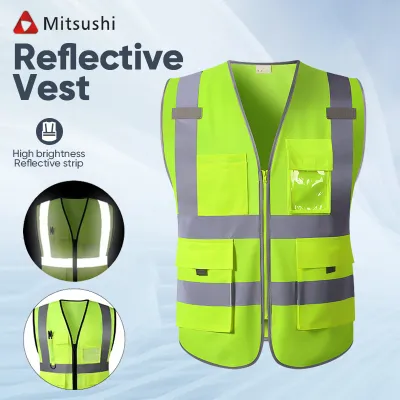
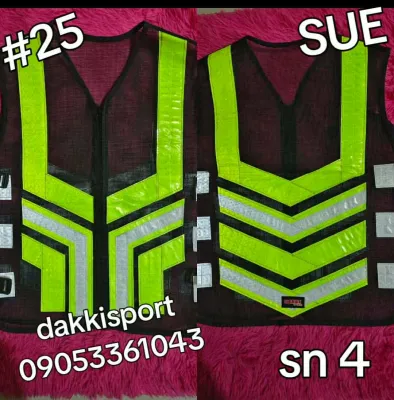
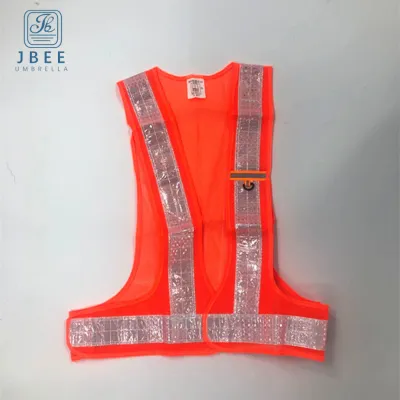

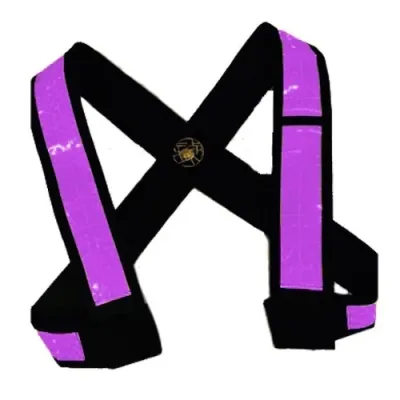
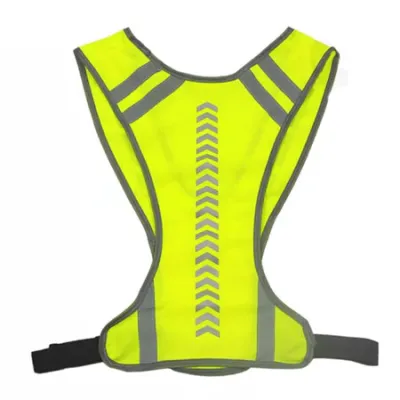
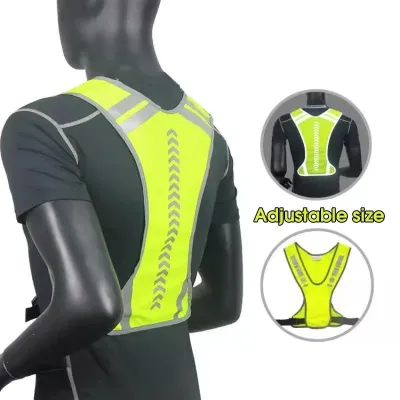
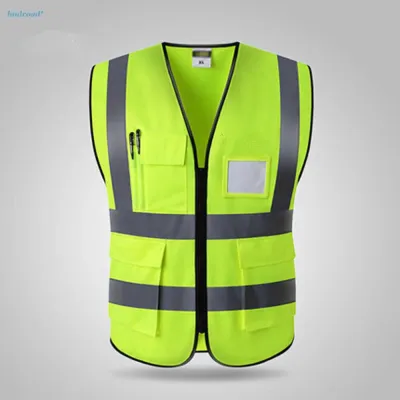
Prices are valid at publication and may change. Please refer to the product page for the latest price.
The modern solution to this problem is a technical motorcycle vest designed specifically for warm climates. By integrating abrasion-resistant textiles in critical impact zones and high-airflow mesh panels across the chest and back, these vests allow riders to maintain essential impact safety while maximizing cooling wind flow.
Decoding Impact Protection: Armor and Abrasion Specs for Hot Climates
When evaluating a motor cycle vest for men, the outer shell material serves as the first line of defense against road rash. Leather is highly abrasion-resistant but acts as a heavy thermal barrier that traps sweat and heat. Instead, look for vests constructed from high-tenacity synthetic textiles, such as 500-denier (500D) or 600D polyester and Cordura nylon blends. These materials provide excellent tear and abrasion resistance in key slide zones—such as the shoulders and upper back—while remaining lightweight and breathable.

Impact protection relies heavily on the quality of the armor inserts. Always verify that the vest features armor certified to European (CE) safety standards. For motorcycle gear, look for EN 1621-1 certification for shoulder protectors and EN 1621-2 for back protectors. These certifications are divided into two performance levels:
- CE Level 1: Offers standard protection, allowing a maximum transmitted force of less than 18 kilonewtons (kN) during impact testing.
- CE Level 2: Provides superior protection, reducing the maximum transmitted force to less than 9 kN, making it highly recommended for highway speeds.
Traditional solid foam armor inserts block airflow entirely, creating hot spots on your back and chest. To combat this, modern protective gear utilizes advanced elastomeric materials—such as D3O, Sas-Tec, or proprietary ventilated armor designs—that feature geometric perforations. These protectors remain highly flexible and breathable during normal riding but instantly harden upon impact to absorb and disperse energy.
No matter how advanced the armor is, it cannot protect you if it shifts away from your body during a crash. A proper fit is critical, especially in hot weather when riders are tempted to wear loose, oversized clothing. Look for vests equipped with adjustable side straps, waist adjusters, or elasticated side panels. These features allow you to tighten the vest snugly against your torso, ensuring that the back and chest protectors stay firmly in place over your base layer.
Maximizing Airflow: Ventilation Features That Actually Cool
Effective cooling in tropical heat depends on continuous air exchange. However, not all mesh fabrics are created equal. You must distinguish between structural mesh and simple, lightweight netting. Structural mesh, often labeled as ballistic mesh or heavy-duty poly-mesh, is woven tightly enough to resist tearing during a slide while still allowing maximum air passage. The vest should feature large intake zones across the chest to capture oncoming air, paired with broad exhaust zones across the back to let hot body heat escape, creating a continuous wind tunnel effect.
To keep the fabric from clinging to your skin when you sweat, high-quality vests utilize 3D spacer linings. This specialized inner lining is a multi-layered, springy mesh that creates a physical, three-dimensional gap between your body and the outer shell of the vest. By keeping the structural fabric slightly suspended off your skin, the 3D spacer mesh allows air to circulate freely underneath the vest, accelerating sweat evaporation and keeping you dry.
Moisture management is another critical factor for comfort during long rides. The inner fabrics of the vest must possess moisture-wicking and quick-drying properties. If the lining absorbs sweat without releasing it, the vest will quickly become heavy, damp, and uncomfortable. This retained moisture can lead to skin chafing, especially around the collar and armholes, and can cause the gear to develop unpleasant odors over time.
Finding the Balance: A Buyer’s Checklist for Tropical Motorcycle Vests
Selecting the right motorcycle vest depends heavily on your typical riding environment, speed, and distance. By matching the vest’s specifications to your riding habits, you can find the perfect balance between ventilation and safety.
City Commuting vs. Highway Touring
For daily commuting in congested urban areas, where speeds are low and stop-and-go traffic is common, prioritize maximum mesh surface area and lightweight CE Level 1 armor. At low speeds, your main enemy is heat accumulation, so a highly breathable, lightweight vest is essential. Conversely, if your rides involve high-speed highway touring, look for a vest with a higher proportion of heavy-duty textile panels (such as 600D Cordura) to handle high-speed abrasion, and opt for CE Level 2 back protection. Highway vests may also feature wind-deflecting chest panels to reduce rider fatigue from constant wind blast.
Hydration and Utility
Longer rides in tropical heat demand constant hydration to prevent cramping and fatigue. Check if the vest includes a dedicated rear pocket designed to hold a hydration bladder, along with routing loops for the drinking tube. Additionally, evaluate the utility pockets. A good riding vest should offer secure, zippered pockets for your phone, wallet, and registration documents. Ensure that these pockets are positioned strategically so they do not block the main mesh ventilation panels on your chest.
Visibility Features
Sudden tropical downpours and overcast skies can reduce road visibility in an instant. To ensure other motorists can see you, choose a vest equipped with retroreflective materials, such as 3M Scotchlite panels, on the chest, shoulders, and back. High-visibility colors like neon yellow, green, or bright orange are highly recommended for daily commuters who ride during dawn, dusk, or heavy rain.
Pre-Purchase Inspection Checklist
Before purchasing a motorcycle vest, perform a quick structural inspection to ensure long-term durability and safety:
- Seams: Verify that high-impact areas feature double or triple stitching to prevent the seams from bursting during a slide.
- Zippers: Look for heavy-duty, self-locking zippers (such as YKK) that will not slide open under tension.
- Armor Pockets: Ensure the internal pockets holding the armor have secure hook-and-loop closures to prevent the inserts from moving.
- Price Bands: Expect budget-friendly, entry-level mesh vests to range from ₱2,000 to ₱4,000. Mid-range options with branded ventilated armor typically cost between ₱4,000 and ₱8,000, while premium, high-durability touring vests can exceed ₱8,000.
Maintaining Your Gear in High Humidity
The combination of sweat, road grime, and high humidity can quickly ruin technical riding gear if it is not maintained correctly. Proper care preserves both the hygiene and the structural integrity of your vest.
Drying Protocols
Never leave a damp, sweaty motorcycle vest inside a top box, under-seat compartment, or gear bag. Doing so creates a perfect breeding ground for mold, mildew, and bacteria, which will ruin the fabrics and cause permanent odors. As soon as you finish your ride, remove any armor inserts from their pockets and hang both the vest and the armor in a well-ventilated, shaded indoor area to air-dry completely.
Cleaning Guidelines
Over time, airborne dust, road salt, and sweat residue can clog the pores of the mesh fabric, significantly reducing its breathability. Always refer to the manufacturer’s care label on your specific vest before cleaning. Generally, you should hand wash the vest in cool water using a mild liquid detergent. Avoid using fabric softeners, bleach, or harsh chemical cleaners, as these can degrade the synthetic fibers and strip away any water-resistant or moisture-wicking coatings. Never tumble dry your riding gear; instead, let it drip dry on a heavy-duty hanger.
Proper Storage
Store your motorcycle vest in a cool, dry, and well-ventilated closet away from direct sunlight. Prolonged exposure to ultraviolet (UV) radiation can weaken synthetic materials like polyester and nylon, making them brittle and reducing their abrasion resistance. Ensure the vest is completely dry before storing it long-term to prevent mold growth.
Frequently Asked Questions (FAQ)
Is a mesh motorcycle vest safe enough for highway riding?
Yes, a high-quality mesh motorcycle vest is safe for highway riding, provided it is constructed with heavy-duty, abrasion-resistant textile panels (such as 500D or 600D Cordura) in the primary impact zones along the shoulders and back. It must also feature certified CE Level 1 or Level 2 armor inserts. While a mesh vest offers less absolute abrasion resistance than thick leather, it provides a vital safety advantage in hot climates by keeping you cool, alert, and focused, which helps prevent accidents caused by heat fatigue.
Should I wear a base layer under my motorcycle vest in the heat?
Yes, wearing a lightweight, moisture-wicking synthetic or merino wool base layer is highly recommended. A technical base layer actively pulls sweat away from your skin and spreads it across a larger surface area, allowing the oncoming wind passing through your vest’s mesh panels to evaporate the moisture much faster. This keeps you cooler than riding with bare skin against the vest. Additionally, a base layer prevents the vest’s seams, zippers, and armor pockets from rubbing directly against your skin, eliminating uncomfortable chafing during long rides.
Community discussion
Share your experience or ask a question. Comments are reviewed before publication.