
Selecting a racing jacket for men that keeps you cool in the Philippines without compromising your safety requires a careful balance of high-airflow materials and certified impact protection. In a tropical climate where temperatures regularly exceed 30°C and humidity levels remain high, wearing a heavy, unventilated leather jacket can quickly lead to physical exhaustion. Conversely, riding in a simple windbreaker or a low-quality, unreinforced mesh jacket leaves you completely unprotected against severe road abrasion and impact.
To ride safely and comfortably, you must look for a jacket that combines strategically placed ventilation with robust, abrasion-resistant fabrics and certified armor. The goal is to facilitate continuous evaporative cooling while ensuring that the structural integrity of the jacket remains intact during a slide.
Understanding the Tropical Riding Challenge: Heat vs. Protection
Riding a motorcycle in the Philippines presents a unique environmental challenge. The intense tropical sun combined with high humidity creates a microclimate inside your riding gear that can quickly become unbearable, especially during slow-moving urban commutes or technical track sessions. When your body cannot cool itself efficiently through sweat evaporation, your core temperature rises, leading to rapid dehydration and physical fatigue.
Products mentioned in this guide
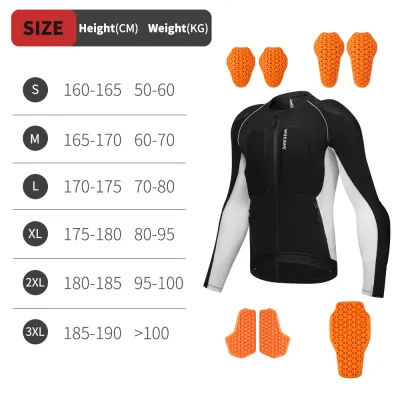
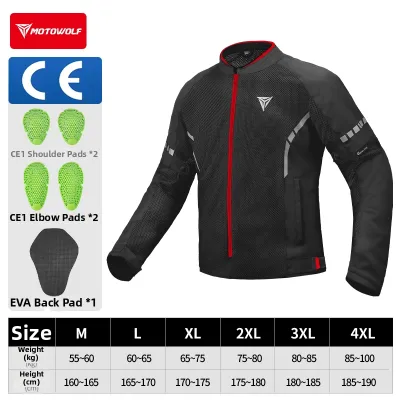
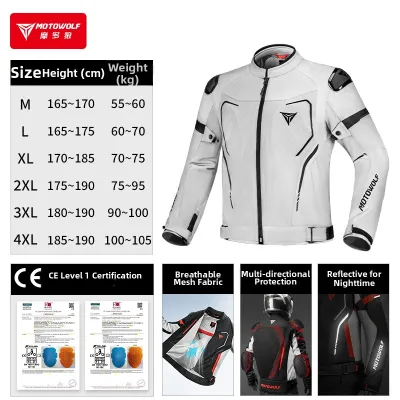
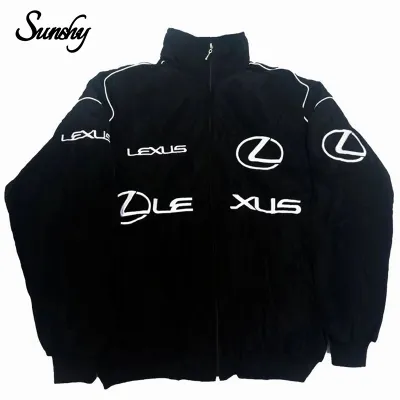
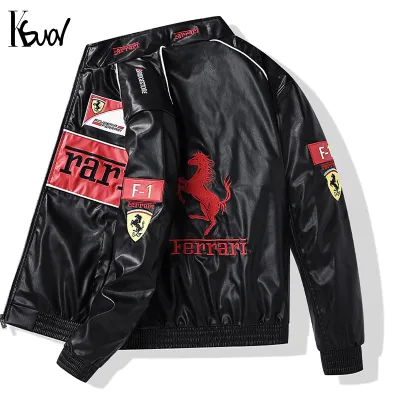
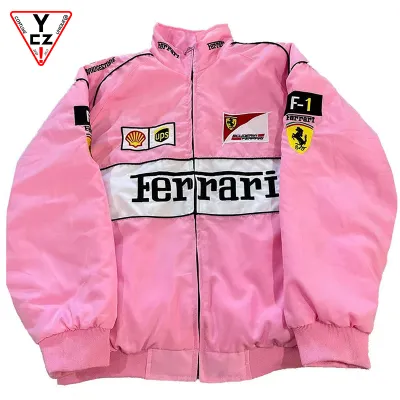
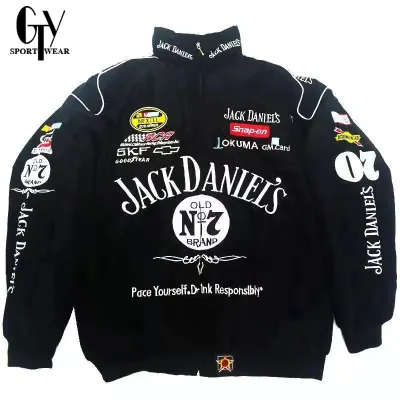
Prices are valid at publication and may change. Please refer to the product page for the latest price.
This heat fatigue is not merely a comfort issue; it is a direct safety hazard. As your body struggles to cope with the heat, your cognitive function declines, your reaction times slow down, and your overall focus on the road or track is compromised. A distracted, overheated rider is far more likely to make critical errors. Therefore, choosing a jacket with active cooling features is a necessary safety measure to keep your mind sharp and your body responsive.
However, the need for cooling must never lead to a compromise in physical protection. Asphalt and concrete act like coarse sandpaper during a fall. A jacket made of substandard materials will disintegrate within milliseconds of contact with the road, leading to severe friction burns and deep tissue injuries. Your gear must serve as a tough, reliable shield that can withstand high-speed slides while simultaneously housing impact-absorbing armor to protect your bones and joints.
Evaluating Materials and Airflow Construction
The foundation of any hot-weather riding jacket lies in its material composition and how it manages airflow. Understanding the differences between various textiles and construction methods allows you to make an informed decision based on your specific riding style.

Perforated Leather vs. Textile Mesh
When evaluating materials, you must look beyond generic terms and closely examine the manufacturer’s specifications for material thickness and density. Traditional leather remains the gold standard for abrasion resistance, but standard leather is virtually unwearable in tropical heat. Perforated leather jackets solve this by incorporating thousands of tiny, laser-cut holes across the chest and back panels, allowing air to flow directly through the hide. For high-speed track riding, a perforated cowhide or kangaroo leather jacket (typically 1.1mm to 1.3mm in thickness) offers unmatched slide protection, though it remains relatively heavy and can feel warm when you are stationary.
On the other hand, textile mesh jackets utilize high-strength synthetic fibers woven into an open pattern that allows maximum air passage. When shopping for a textile jacket, pay close attention to the denier (D) rating, which measures the thickness and strength of the individual fibers. A safe summer riding jacket should feature high-denier textiles, such as 600D or 1000D polyester or polyamide, in critical impact zones like the shoulders, elbows, and back. While a full-mesh jacket provides incredible cooling, a hybrid design that places heavy-duty textile or leather panels on the outer arms and shoulders, combined with open mesh panels on the chest and inner arms, offers the best compromise for street and spirited sport riding.
Strategic Ventilation Zones and Airflow Design
Effective cooling depends heavily on how air moves through the jacket rather than just how much mesh is present. High-quality racing jackets are engineered with strategic ventilation zones that utilize thermodynamic principles to draw heat away from your body. Look for jackets that feature adjustable zippered intake vents on the chest and upper arms, paired with dedicated exhaust vents on the back. This configuration creates a vacuum effect while riding, pulling cool air in through the front and forcing trapped hot air out through the rear.
Furthermore, the interior construction plays a crucial role in moisture evaporation. Premium hot-weather jackets feature a permanent 3D mesh inner lining. This specialized lining has a dimensional, springy structure that physically lifts the outer shell of the jacket a few millimeters away from your skin or base layer. This small gap allows air to circulate continuously across your body, preventing the damp fabric from sticking to your skin and facilitating rapid sweat evaporation. Additionally, look for accordion stretch panels at the shoulders and elbows; these flexible sections allow you to move freely on the bike without stretching the ventilated panels taut or restricting airflow.
Verifying Armor and Impact Protection Standards
While the outer shell of your jacket protects you from road rash, the internal armor protects your bones and internal organs from blunt-force trauma. You must never assume that a jacket is protective simply because it features padding or looks rugged. It is essential to physically inspect the safety tags and verify the official certifications of both the garment and the armor inserts.
Start by understanding the difference between garment abrasion ratings and armor impact ratings. Under European safety standards (which are the global benchmark for riding gear), the entire jacket is certified under the EN 17092 standard. This standard rates the garment’s overall construction, seam strength, and abrasion resistance from Class A (light protection for urban riding) to Class AA (highly protective for general touring and sport riding) and Class AAA (maximum protection, typically reserved for professional racing suits). For spirited riding or track days, aim for a Class AA or AAA rating.
Next, verify the individual armor inserts located at the shoulders and elbows, which must be certified under the EN 1621-1 standard. This armor is rated as either CE Level 1 or CE Level 2. Level 2 armor absorbs significantly more impact energy than Level 1, making it the preferred choice for high-speed riding. Ensure that the armor is housed in adjustable pockets inside the sleeves, allowing you to position the pads perfectly over your joints regardless of your arm length.
Finally, pay close attention to back protection. Many manufacturers ship jackets with a soft, generic foam insert in the back pocket. This foam is purely cosmetic and offers virtually zero protection during a crash. Always verify if the jacket includes a certified EN 1621-2 back protector. If it only contains a temporary foam pad, you must purchase a compatible CE Level 1 or Level 2 back protector insert separately and install it before your first ride. Never compromise on spinal protection, as back injuries can have life-altering consequences.
Optimizing Fit, Comfort, and Moisture Management
A protective jacket can only do its job if it fits your body correctly. In the high humidity of the Philippines, a poorly fitting jacket not only causes physical discomfort but can also compromise your safety in a crash.
When trying on a racing jacket for men, look for a snug, pre-curved fit that mimics your natural riding position. The sleeves should be slightly curved forward, and the overall fit should feel tight without restricting your breathing or circulation. This snugness is critical because it keeps the internal armor securely locked in place over your shoulders and elbows. If the jacket is too loose, the fabric can shift during a slide, causing the armor to rotate away from your joints and leaving them completely exposed to the impact.
Moisture management is another vital consideration for comfort and hygiene. Continuous sweating can lead to chafing, skin irritation, and unpleasant odors. Look for jackets equipped with moisture-wicking inner linings that actively pull sweat away from your body. Anti-bacterial and anti-microbial treatments on the lining help prevent the growth of odor-causing bacteria, keeping your gear fresh over multiple rides. Additionally, check for comfortable, soft collar linings made of materials like neoprene or microfiber to prevent painful neck chafing during long hours in the saddle.
Lastly, consider the unpredictable weather patterns in the Philippines. A typical ride can start under a scorching sun and end in a sudden tropical downpour. To handle these rapid transitions, many riders opt for a versatile jacket that includes a removable waterproof liner. This lightweight, windproof liner can be zipped inside the jacket to block heavy rain or cool evening drafts, and then easily removed and stowed in a pocket when the sun returns. Ensure that the primary outer shell remains fully ventilated so that you can maximize airflow the moment the rain stops.
Maintaining Your Jacket in High-Humidity Conditions
The hot, humid climate of the Philippines can accelerate the wear and tear on your riding gear if it is not maintained correctly. Sweat, road grime, and atmospheric moisture can break down fibers, degrade leather, and encourage the growth of mold and mildew. Implementing a regular, low-risk maintenance routine is essential to preserve the structural integrity and safety performance of your jacket.
After every ride, never leave your damp jacket crumpled in a gear bag or stored in a dark closet. Always hang it up immediately on a wide, heavy-duty plastic or wooden hanger to help it retain its shape. Allow the jacket to air dry completely in a shaded, well-ventilated indoor area. Strictly avoid placing your jacket in direct sunlight or near high-heat sources, such as engines, exhaust pipes, or electric heaters. Excessive UV exposure and high heat can dry out and crack leather, weaken synthetic textile fibers, and cause the impact-absorbing materials in your armor to become brittle and lose their protective properties.
When it comes to cleaning, always consult the manufacturer’s care label attached to the inside of the jacket first. Before any washing or spot-cleaning, you must remove all internal armor pieces, back protectors, and removable liners. For textile jackets, hand washing in cold water with a mild, gear-specific detergent is generally the safest approach. For leather jackets, use a damp microfiber cloth to gently wipe away sweat, salt residue, and bugs from the surface, followed by a dedicated leather cleaner and conditioner to keep the hide supple. Never use harsh household detergents, bleach, or fabric softeners, as these chemicals can degrade the protective coatings and fibers.
Proper storage during the wet monsoon season is equally important. Avoid storing your jacket in sealed plastic garment bags or airtight containers, as these trap humidity and create a breeding ground for mold. Instead, use a breathable fabric garment bag and store the jacket in a cool, dry room with adequate air circulation. If you notice any signs of mold, wipe it off immediately with a damp cloth and a mild vinegar solution, then allow the jacket to dry completely in a shaded, well-ventilated space.
Frequently Asked Questions (FAQ)
Is a full-mesh jacket safe enough for high-speed track days?
While a full-mesh jacket provides excellent cooling for daily street riding and urban commuting in hot weather, it is generally not recommended or permitted for high-speed track days. Track environments involve much higher speeds, meaning a fall will result in a longer, high-friction slide. Full-mesh panels can wear through quickly under these extreme conditions. For track days, you should choose a jacket made of perforated leather or a highly reinforced hybrid jacket that features robust leather or high-denier textile panels in all primary slide zones.
How should I clean sweat out of my racing jacket without damaging the armor?
To safely clean sweat and odor from your jacket, you must always remove all CE-rated armor inserts and back protectors before washing. Hand wash the textile shell in cold water using a mild, gear-specific detergent, or spot-clean the interior lining with a damp cloth and mild soap. Hang the jacket to air dry completely in a shaded, well-ventilated indoor area. Never machine wash, tumble dry, or expose the armor inserts to direct heat, as this can permanently alter their molecular structure and compromise their impact-absorbing capabilities.
Community discussion
Share your experience or ask a question. Comments are reviewed before publication.