
Quick Guide to Choosing a Hot-Weather Riding Jacket
Choosing the right riding jacket for hot weather requires balancing impact protection with continuous airflow. To stay safe and comfortable, look for a jacket that combines high-density mesh panels in low-impact areas with heavy-duty, abrasion-resistant textiles on the shoulders and elbows.
Before purchasing, verify the safety certifications of the built-in armor and check for adjustable straps that keep the protective elements in place. This guide outlines how to evaluate materials, check for proper fit, and maintain your gear to handle both intense tropical heat and sudden downpours.
By focusing on hybrid construction and adjustable ventilation, you can find a jacket that keeps you cool without compromising your safety on the road.
Products mentioned in this guide
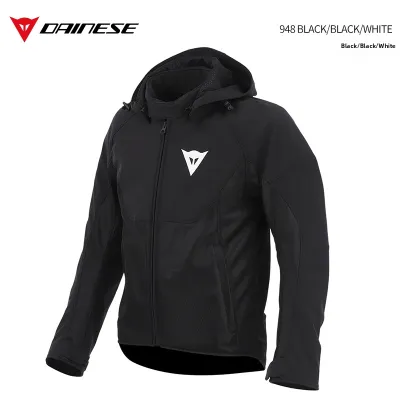
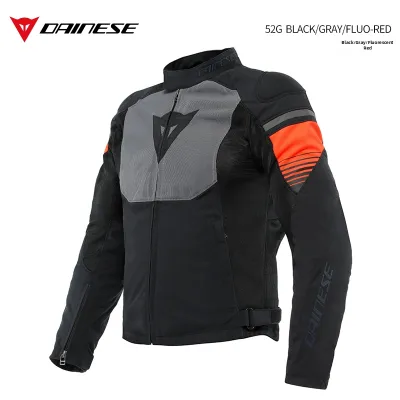
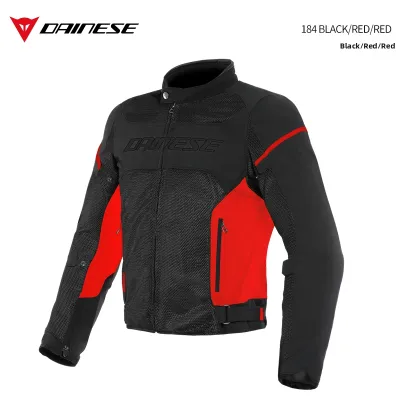

Prices are valid at publication and may change. Please refer to the product page for the latest price.
Balancing Safety and Airflow in Tropical Conditions
Riding a motorcycle in the Philippines means facing intense tropical heat, high humidity, and sudden heavy rain. When you ride in these conditions, wearing heavy, non-breathable gear can quickly lead to heat exhaustion, dehydration, and physical fatigue. This physical strain slows down your reaction times, creating a direct safety hazard on busy roads.

Traditional heavy leather or solid, non-vented textile jackets are excellent for cold climates but quickly become unbearable in tropical environments. Riders who wear these jackets often end up unzipping them for relief, which completely compromises their safety in a fall. A proper hot-weather jacket must allow wind to pass through to cool your body while keeping the protective shell securely closed.
Even in extreme heat, you should never sacrifice baseline safety standards for comfort. A reliable summer jacket must feature certified impact protectors at the shoulders and elbows, along with a dedicated pocket for a back protector. The challenge lies in selecting gear that uses highly breathable fabrics without reducing the structural integrity of the garment during a slide.
To achieve this balance, modern gear manufacturers design jackets specifically for warm climates. These jackets utilize advanced materials that allow maximum wind penetration while maintaining high resistance to tearing and friction. Understanding how these materials perform in high humidity is the first step toward making an informed purchase.
Materials and Design Features to Look For
To achieve the ideal balance of cooling and safety, look for jackets constructed with a hybrid design. These garments place open-weave mesh panels across the chest, inner arms, and back to maximize wind intake and heat dissipation. The areas most likely to contact the ground during an accident, such as the outer arms and shoulders, should consist of dense, tightly woven textiles.
Weather in tropical regions can change rapidly, turning a sunny afternoon into a torrential downpour. A versatile riding jacket often includes a removable waterproof liner that you can quickly zip inside or wear over the jacket when the rain starts. This modular design keeps you dry during sudden storms without trapping heat during dry, sunny rides.
In addition to mesh panels, check for dedicated exhaust vents and adjustable zippers along the sides or underarms. These features allow hot air trapped inside the jacket to escape efficiently as you move. Proper airflow design prevents the ballooning effect that can occur when wind enters the front of the jacket but has no clear path to exit.
When evaluating different models, pay close attention to the quality of the zippers and fasteners. High-quality, durable zippers are essential because they must withstand constant use and exposure to moisture and road grime. Opt for jackets with large zipper pulls that are easy to operate even when wearing riding gloves.
Evaluating Mesh and Abrasion-Resistant Textiles
When examining a mesh jacket, inspect the density and strength of the mesh fabric itself. High-quality mesh should feel stiff and durable to the touch, rather than soft or easily snagged. Look for reinforced stitching, particularly double or triple seams, in high-impact zones like the shoulders and elbows to ensure the jacket holds together under friction.
Always check the manufacturer tags and product specifications for recognized textile ratings, such as Denier counts, which indicate the thickness of the fiber. Look for garments that specify abrasion-resistant materials like high-denier polyester or polyamide in the impact zones. Checking for official safety standards on the product label helps verify that the materials have undergone standardized testing for tear and abrasion resistance.
Be aware that not all mesh fabrics are created equal. Some budget-friendly options use thin nylon mesh that offers very little protection against road rash. Prioritize jackets from reputable brands that clearly state the materials used in each section of the garment, allowing you to verify their durability before buying.
Armor Placement and Ventilation Systems
The protective armor inside your jacket must be positioned correctly to shield your joints without blocking the flow of incoming air. When trying on a jacket, check that the elbow and shoulder protectors align perfectly with your body parts and do not shift out of place. If the armor covers the main mesh panels completely, it will block the cooling wind from reaching your skin.
To solve this issue, many modern jackets utilize perforated armor or highly flexible, open-lattice protectors. These designs feature built-in ventilation holes that allow air to pass directly through the protective pads. This ensures you receive reliable impact protection at key joint areas while maintaining a continuous stream of cooling air throughout the garment.
Additionally, verify if the jacket includes a pocket for a back protector and check what type of armor is compatible. A thick, solid foam back pad can trap a significant amount of heat against your spine. Opting for a ventilated or perforated back protector will greatly improve overall comfort during long rides in high temperatures.
Ensuring the Right Fit for Comfort and Safety
A riding jacket can only protect you if it fits correctly and stays in place during an accident. When trying on a jacket, always sit on a motorcycle or mimic your specific riding posture to check the fit. Ensure the sleeves are long enough to cover your wrists when your hands are on the handlebars, and verify that the back of the jacket does not ride up to expose your lower spine.
Look for jackets equipped with adjustable straps or snap buttons on the waist, forearms, and biceps. Tightening these adjusters prevents the fabric and armor from flapping at high speeds, which reduces rider fatigue. More importantly, snug adjusters ensure that the elbow and shoulder protectors remain locked in the correct position instead of twisting away during a slide.
Always test the fit of the jacket while wearing the specific base layers you plan to use on hot days. Lightweight, moisture-wicking compression shirts are ideal for tropical riding because they help pull sweat away from your skin. Trying the jacket with these layers ensures you select a size that offers a snug, secure fit without restricting your movement or breathing.
Remember that a jacket that is too loose will allow the protective armor to shift during an impact, rendering it ineffective. Conversely, a jacket that is too tight will restrict your range of motion and limit the amount of cooling air that can circulate inside. Take the time to adjust all straps and closures to find the perfect balance between security and comfort.
Caring for Your Riding Jacket in Humid Conditions
The high humidity of a tropical climate makes riding gear highly susceptible to mold, mildew, and unpleasant odors. After every ride, especially if you encountered rain or sweated heavily, hang your jacket in a well-ventilated indoor area to dry completely. Remove any detachable liners and hang them separately to ensure air circulates through all layers of the garment.
Before washing your jacket or applying any protective fabric treatments, always read the manufacturer’s care label carefully. Most textile and mesh jackets require you to remove all impact armor pieces before washing. Hand washing with a mild detergent or using a gentle machine cycle is typically recommended to avoid damaging the delicate mesh fibers and technical coatings.
Never store a damp or sweaty riding jacket inside a closed closet, gear bag, or plastic container, as this creates an ideal environment for bacteria and mold to grow. Additionally, avoid leaving your jacket in direct sunlight for extended periods when not riding, as prolonged ultraviolet exposure can degrade the synthetic fibers and weaken the protective materials over time.
Regularly inspect the seams, zippers, and armor pockets for signs of wear or damage. If you notice loose threads or torn mesh, address these issues promptly to prevent them from compromising the jacket’s structural integrity. Proper care and maintenance not only extend the lifespan of your gear but also ensure it performs reliably when you need it most.
Frequently Asked Questions (FAQ)
Is a mesh riding jacket safe enough for highway speeds?
A high-quality mesh riding jacket can provide sufficient protection for highway speeds, provided it features heavy-duty textile reinforcements in the primary impact zones. When shopping, check the product labels to ensure the shoulders and elbows are constructed from high-denier fabrics designed to withstand high-speed slides. While a full-mesh jacket offers maximum airflow, hybrid designs with solid textile panels on the outer arms and back offer a safer balance of ventilation and abrasion resistance for highway commuting.
Should I buy a jacket with a built-in hydration system?
Whether you need a built-in hydration system depends on your riding habits and the length of your journeys. For long-distance touring through remote areas, an integrated hydration bladder allows you to drink safely without stopping. However, for daily city commuting, standard water bottle stops are usually more practical. Keep in mind that carrying a full water bladder adds significant weight to your back and can block the rear exhaust vents of your jacket, which may increase heat retention and make you feel warmer.
Community discussion
Share your experience or ask a question. Comments are reviewed before publication.