
Riding a motorcycle in the Philippines means constantly balancing the intense tropical heat and the absolute necessity of road safety. When navigating congested urban corridors like EDSA or cruising along provincial highways, wearing a heavy, non-ventilated jacket can quickly lead to heat exhaustion—a dangerous state that impairs your reaction time and decision-making. Conversely, riding in a simple cotton shirt exposes you to severe road rash in the event of a slide.
The solution lies in selecting a specialized motor jacket that utilizes high-airflow mesh panels in low-impact areas while reinforcing high-impact zones with abrasion-resistant textiles or leather and certified armor. By focusing on certified materials, proper ventilation design, and a secure fit, you can stay cool and protected during your daily commute.
The Core Challenge: Heat vs. Impact Protection
Riding under the tropical sun in temperatures that frequently exceed 30°C, combined with high humidity, creates a unique physiological challenge for motorcyclists. Standard heavy leather jackets or dense, non-ventilated textiles trap body heat and sweat, rapidly raising your core body temperature. This thermal stress is not just uncomfortable; it causes physical fatigue, dehydration, and a dangerous drop in concentration, which increases the risk of accidents on unpredictable roads.
Products mentioned in this guide
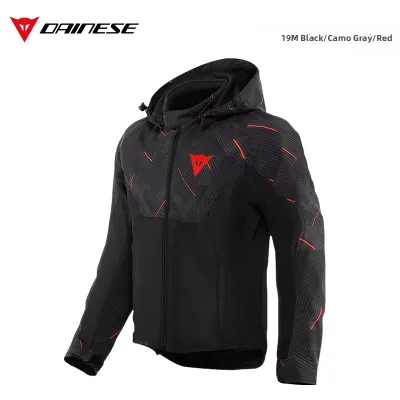
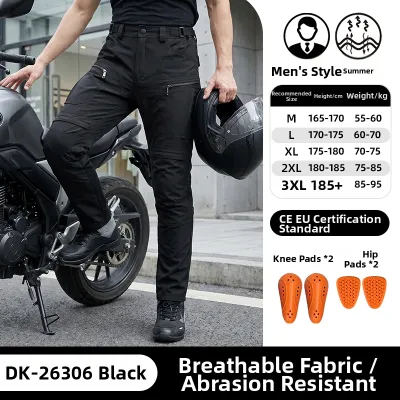
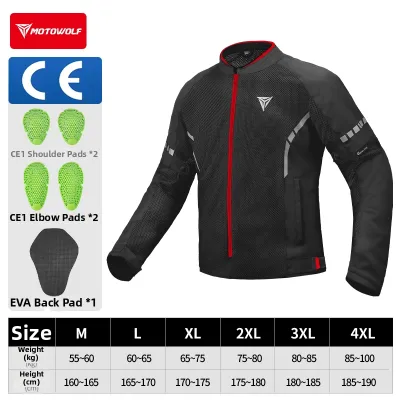
Prices are valid at publication and may change. Please refer to the product page for the latest price.
On the other hand, substituting proper riding gear with casual wear like t-shirts, windbreakers, or thin fashion jackets offers virtually zero protection. These everyday fabrics disintegrate within milliseconds of contact with asphalt, leaving your skin and joints completely vulnerable to severe friction burns and deep lacerations. Even at low city speeds, a minor spill can result in painful, life-altering injuries without a dedicated protective layer.
Achieving the ideal balance requires viewing your motor jacket as a dual-purpose tool: a highly efficient cooling system and a robust personal shield. The goal is to maximize continuous airflow across your torso to facilitate sweat evaporation while ensuring that the structural points of the jacket remain intact during an impact. Modern gear engineering makes this possible by combining strategically placed mesh with heavy-duty fabrics.
Jacket Materials That Balance Airflow and Abrasion Resistance
Mesh, Textile, and Perforated Options
To maintain high airflow without compromising safety, manufacturers utilize hybrid material constructions. The most common and effective design for tropical climates is a heavy-duty mesh jacket. These garments feature open-weave mesh panels across the chest, underarms, and back, allowing wind to flow directly through the jacket as you ride.

However, not all mesh fabrics are created equal, and a jacket made entirely of lightweight polyester mesh will not withstand a high-speed slide. High-quality hot-weather jackets restrict mesh panels to low-impact zones while utilizing heavy-duty textile reinforcements—typically high-denier polyester or nylon weaves like Cordura—on the shoulders, elbows, and outer arms. These are the areas most likely to make contact with the road during a fall.
Perforated leather is another premium option that offers superior abrasion resistance compared to textiles. Manufacturers punch thousands of tiny holes into the leather panels to allow air to pass through, combining the unmatched sliding protection of leather with moderate ventilation. While perforated leather is heavier and less breathable than textile mesh in slow-moving traffic, it remains highly favored for high-speed highway riding where airflow is constant.
When evaluating any motor jacket, always read the manufacturer’s official specifications and product labels to identify the exact materials used in high-impact zones. Look for terms indicating high-density weaves or specialized abrasion-resistant fibers. Avoid generic, unbranded jackets that do not specify the denier rating or material composition of their protective panels.
Evaluating Reinforcements and Liners
The structural integrity of a motor jacket depends heavily on how its panels are joined together. Before purchasing, inspect the stitching along the main seams, particularly around the shoulders and elbows. High-quality protective gear features double or triple stitching, often with a hidden safety seam, to prevent the jacket from bursting open under the intense friction of a slide.
Many riding jackets come equipped with removable inner liners, such as waterproof membranes or thermal vests. While these liners add versatility for occasional rainy weather or cooler night rides, they significantly restrict airflow when installed. For daily commuting in the Philippines, you should evaluate the jacket’s performance in its base, unlined configuration.
Ensure that the jacket remains comfortable, lightweight, and fully ventilated once you remove all inner layers. If a jacket relies on its liner to keep its shape or keep the armor pockets securely in place, it may not be suitable for hot-weather riding. The primary chassis of the jacket must be structurally complete and highly breathable on its own.
Checking Safety Certifications and Armor Placement
A motor jacket cannot protect you from impact forces without proper armor, and you should never rely solely on marketing claims or e-commerce descriptions to verify safety. Instead, look for official CE (Conformité Européenne) certification labels stitched directly into the garment or printed on the armor inserts. These labels prove that the gear has undergone standardized testing for abrasion resistance, seam strength, and impact absorption.
For the jacket itself, look for the EN 17092 European standard certification. This standard rates protective garments from Class C (impact protection only, no abrasion resistance) up to Class AAA (highest level of protection, typically reserved for professional racing suits). For daily road riding and commuting, a Class A or Class AA rating represents an excellent balance of lightweight comfort, flexibility, and real-world slide protection.
The protective inserts inside the jacket must also carry independent certifications. Look for the EN 1621-1 label on shoulder and elbow armor, and the EN 1621-2 label on back protectors. These certifications are divided into two main performance levels:
- CE Level 1 Armor: Offers standard impact protection with a slimmer, lighter profile. This level of armor is highly flexible and allows for maximum airflow through the jacket's interior channels, making it a popular choice for urban commuters.
- CE Level 2 Armor: Provides significantly higher impact absorption, transmitting less force to your body during a crash. However, Level 2 armor is typically thicker, heavier, and can block more air from reaching your body, which may increase heat retention in slow-moving traffic.
Additionally, verify that the internal armor pockets are securely constructed and hold the protectors firmly in place. If the shoulder or elbow armor can easily shift or twist away from your joints when you move, it will likely fail to protect you during an accident. The back protector pocket should also be properly sized to accommodate a certified insert, as many jackets ship with only a temporary foam pad that offers no real impact protection.
Fit, Ventilation Features, and Daily Commuting Ergonomics
The safety of a motor jacket is directly tied to how well it fits your body. A jacket that is too loose will allow the protective armor to shift away from your elbows and shoulders during a slide, rendering the safety features useless. Conversely, a jacket that is too tight will restrict your movement, interfere with your ability to operate the motorcycle controls safely, and compress the air space needed for effective ventilation.
To ensure the jacket functions correctly in real-world conditions, look for adjustable straps or snap buttons on the forearms, biceps, and waist. These adjustment points allow you to customize the fit, keeping the fabric snug and securing the armor firmly against your joints. When trying on a jacket, always sit on your motorcycle or mimic your riding stance to check the ergonomics.
Ensure that the sleeves do not pull back excessively to expose your wrists and that the back panel remains long enough to cover your lower spine when leaning forward. A well-designed hot-weather jacket will also feature specific construction details to optimize airflow during slow-speed city commuting:
- Exhaust Vents: Rear zippered vents or large mesh panels on the back of the jacket are essential. They allow hot air escaping from your body to be pulled out of the jacket by the low-pressure zone created behind you as you ride.
- Adjustable Cuffs: Wide cuff openings with hook-and-loop fasteners allow you to regulate the amount of air entering your sleeves, directing cooling wind up your arms.
- Low-Profile Collars: Soft, low-profile collar designs made of microfiber or mesh prevent chafing around the neck and allow air to circulate freely into the upper chest area.
Caring for Your Riding Gear in High Humidity
Operating a motor jacket in the humid, tropical climate of the Philippines means it will inevitably be exposed to heavy sweat, road grime, and sudden downpours. Proper maintenance is critical to prevent mold growth, eliminate unpleasant odors, and preserve the structural integrity of both the fabric and the armor. Always consult the manufacturer’s care label attached to the inside of your jacket before attempting any cleaning.
After a hot ride or an unexpected rain shower, never leave your wet jacket crumpled in a top box or a dark closet. Hang the jacket on a heavy-duty, wide plastic hanger in a shaded, well-ventilated indoor area to air dry completely. Avoid exposing the jacket to direct, intense sunlight for extended periods, as ultraviolet (UV) radiation can degrade synthetic textile fibers, weaken stitching, and cause protective armor inserts to become brittle over time.
When the jacket requires washing, begin by removing all impact armor inserts from their internal pockets and detaching any inner liners. Most textile and mesh riding jackets should be hand washed or laundered on a gentle cycle in cold water using a mild, neutral liquid detergent. Avoid using fabric softeners, bleach, or harsh chemical stain removers, as these substances can break down the protective coatings, damage reflective elements, and weaken the fabric’s tensile strength.
Never place your motor jacket or its armor inserts into a mechanical dryer, and do not use high heat sources to speed up the drying process. Allow all components to air dry thoroughly at room temperature before reassembling the jacket. Regularly inspecting the zippers, hook-and-loop fasteners, and seams during cleaning will help you identify and address minor wear before it compromises your safety on the road.
Frequently Asked Questions (FAQ)
Can I wear a regular denim jacket instead of a dedicated motor jacket for short trips?
Standard denim jackets do not provide adequate protection for motorcycle riding, even on short, low-speed trips. Regular denim fabric lacks the specialized abrasion resistance of high-denier textiles or leather and will tear open almost instantly when dragged across asphalt. Additionally, casual denim jackets do not feature impact-absorbing armor to protect your shoulders, elbows, and spine from fracture-causing forces. For real protection, always wear a certified motor jacket equipped with proper armor inserts.
Is a mesh jacket safe enough for highway riding?
Yes, a high-quality mesh jacket is safe for highway riding, provided it features robust structural reinforcements and certified armor. When riding at highway speeds, ensure your jacket has high-denier textile panels (such as 600D polyester or nylon) on the shoulders and elbows, along with CE-certified Level 1 or Level 2 impact protectors. Always verify the garment’s overall CE rating (such as Class A or Class AA under the EN 17092 standard) to ensure the jacket’s construction is rated for higher-speed impact and abrasion scenarios.
Community discussion
Share your experience or ask a question. Comments are reviewed before publication.