
Choosing a high-quality motorbike jacket that keeps you cool in the intense heat of the Philippines requires balancing two competing priorities: maximum ventilation and robust physical protection. In a tropical climate where temperatures regularly exceed 34°C and humidity levels hover above 80 percent, wearing a heavy, unventilated jacket can quickly lead to heat exhaustion, severely compromising your reaction times and situational awareness. Conversely, riding in just a T-shirt leaves you completely vulnerable to severe road rash and impact injuries in the event of a slide.
To solve this dilemma, the ideal hot-weather riding gear utilizes a specialized mesh or highly perforated synthetic construction paired with lightweight, ventilated impact armor. This design allows ambient air to flow freely across your torso, accelerating sweat evaporation to cool your skin while keeping heavy-duty, abrasion-resistant materials positioned over critical impact zones. By understanding how specific textiles, armor configurations, and fit adjustments interact with tropical conditions, you can select gear that keeps you safe, comfortable, and focused on the road.
Why Tropical Heat Changes Your Jacket Requirements
Riding a motorcycle in a tropical country like the Philippines introduces unique environmental stressors that directly affect your physical stamina and safety. The primary challenge is the combination of high ambient temperatures and oppressive humidity. When humidity is high, the air is already saturated with moisture, which prevents your sweat from evaporating efficiently. Because evaporation is the human body’s natural mechanism for shedding heat, a lack of airflow quickly leads to heat buildup, dehydration, and thermal fatigue, which can impair your judgment just as much as physical exhaustion.
Products mentioned in this guide
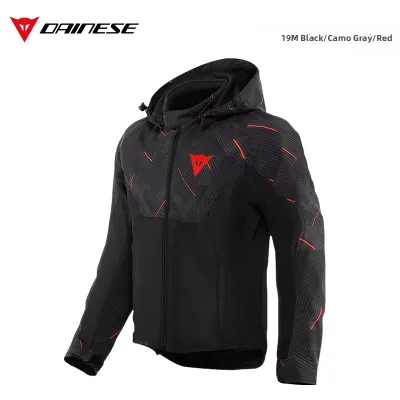
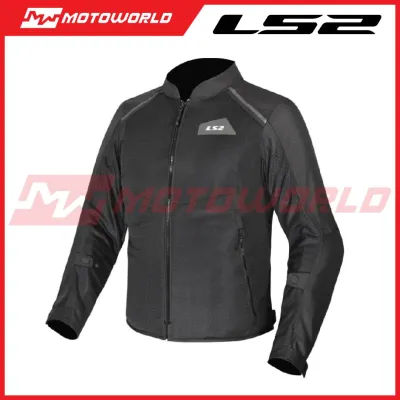
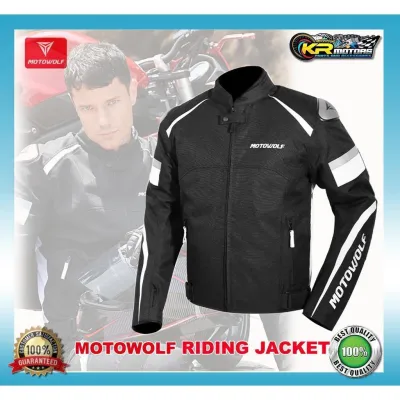
Prices are valid at publication and may change. Please refer to the product page for the latest price.
This environmental reality shifts the baseline requirements of a motorbike jacket from insulation to active cooling. While riders in temperate climates might prioritize windproofing and thermal layers, tropical riders must focus on maximizing the volume of air that can pass through the garment. A jacket that blocks air movement forces your body to work harder to cool down, increasing your heart rate and accelerating dehydration during long commutes or weekend rides.
Furthermore, tropical weather is notoriously unpredictable. A bright, scorching morning can instantly transition into a torrential afternoon downpour, especially during the southwest monsoon season. Heavy materials like traditional cowhide leather absorb water rapidly, becoming waterlogged, incredibly heavy, and restrictive. Once wet, leather takes a long time to dry in humid conditions, often leading to mold, stiffness, and unpleasant odors. Synthetic, quick-drying materials are far better suited to these rapid transitions, allowing you to dry out quickly once the rain stops.
Selecting a dedicated hot-weather jacket is not a compromise on your personal safety; rather, it represents a highly specialized approach to rider protection. Modern gear manufacturers design summer jackets to maintain structural integrity at high stress points while using open-weave fabrics across the chest, back, and inner arms. This ensures that you do not have to choose between the risk of heat stroke and the risk of severe road rash, allowing you to remain fully protected even on the hottest days of the year.
Key Materials and Ventilation Features for a Motorbike Jacket
When evaluating different jackets at a local motorcycle gear shop or on an online marketplace, it is essential to look past marketing terms and closely inspect the actual materials and construction features. The way a jacket is put together determines both how much air reaches your body and how well the garment will hold up if you contact the asphalt.

Mesh vs. Perforated Textile vs. Leather
Mesh jackets represent the gold standard for low-speed, stop-and-go city riding, such as navigating the congested streets of Metro Manila or Cebu. These jackets feature large panels of open-weave synthetic mesh across the chest, back, and underarms, allowing even the slightest breeze to penetrate the fabric. However, because open mesh has lower inherent abrasion resistance, you must check the denier (D) rating of the solid textile panels used on the shoulders and elbows. Look for jackets that reinforce these high-impact zones with at least 500D or 600D polyester or polyamide to ensure adequate slide protection.
Perforated textile jackets offer an alternative for riders who spend more time on high-speed expressways or provincial highways, such as the North Luzon Expressway (NLEX) or the Star Tollway. These garments are constructed from solid synthetic fabrics featuring thousands of tiny, laser-cut perforations. While they do not flow as much air at a standstill as a full mesh jacket, they provide excellent structural integrity, moderate wind resistance, and superior abrasion protection at highway speeds. When shopping, check the product label to verify the weave density and the presence of reinforced safety stitching.
Perforated leather remains a popular choice for sportbike enthusiasts who demand the absolute highest level of abrasion resistance. While high-quality leather offers unmatched slide protection, even heavily perforated leather is significantly heavier and less breathable than synthetic mesh. In slow-moving traffic, a leather jacket can quickly become a sweatbox. Additionally, leather requires meticulous maintenance in the Philippines’ humid climate; you must dry it slowly in a shaded, well-ventilated area and regularly apply leather conditioners to prevent the material from rotting, stiffening, or growing mold.
To ensure you are getting genuine protection, always read the manufacturer’s physical tags and material composition labels inside the garment. Avoid products that rely on vague, trademarked marketing terms without specifying the actual denier rating, synthetic blend, or official safety certifications.
Strategic Ventilation Zippers and Airflow Channels
Active ventilation relies on a continuous flow of air through the jacket, which requires both intake and exhaust points. Look for jackets equipped with dedicated ventilation zippers on the chest, forearms, or bicep areas to act as air intakes. Equally important are exhaust vents located on the upper or lower back; without these exhaust points, incoming air gets trapped inside the jacket, causing it to balloon at high speeds and preventing fresh, cool air from entering.
Before purchasing, test the quality of the zippers and ensure they feature large, durable pull tabs or cord loops. You should be able to open or close these vents easily with one hand while wearing your riding gloves, allowing you to adapt to changing temperatures on the fly. High-quality zippers should also feature storm flaps or water-resistant seals to prevent rain from leaking through during sudden showers.
The interior construction of the jacket plays a major role in how cool you feel. Look for jackets that feature an internal 3D mesh lining. Unlike flat mesh linings, 3D mesh has a raised, three-dimensional structure that creates a physical gap between the outer shell of the jacket and your skin or base layer. This gap allows air to circulate continuously across your body, preventing the hot outer fabric from sticking to your sweaty skin.
Finally, ensure the jacket has adjustable straps or snaps on the waist, biceps, and forearms. These adjusters serve a dual purpose: they prevent the jacket from flapping violently at high speeds, and they keep the protective armor and ventilation panels perfectly aligned with your body, maximizing both safety and cooling efficiency.
Maintaining Safety Standards Without Overheating
It is a common misconception that a lightweight, breathable jacket cannot provide adequate protection in a crash. By looking for specific safety standards and smart armor designs, you can easily find a highly ventilated jacket that meets rigorous international safety requirements.
To verify the abrasion resistance of a hot-weather jacket, look for the EN 17092 certification on the garment’s internal labels. This European standard tests the entire garment for seam strength, tear resistance, and abrasion resistance, assigning a rating from Class C (designed only to hold armor) up to Class AAA (highest protection, typically reserved for professional racing suits). For daily commuting and general road riding in the Philippines, a jacket rated Class A or Class AA provides an excellent balance of lightweight comfort and slide protection. Never assume a jacket is safe simply because the material feels thick or heavy; always look for the official CE certification label.
Impact protection is handled by armor inserts positioned at the shoulders, elbows, and back. Ensure that the jacket comes equipped with CE-certified armor, which is rated as either Level 1 or Level 2. CE Level 1 protectors are thinner, lighter, and highly flexible, making them incredibly comfortable and unobtrusive in hot, humid weather. CE Level 2 protectors offer superior impact absorption but are thicker, heavier, and can block more airflow. For hot-weather riding, many manufacturers now offer advanced, skeletonized, or highly perforated Level 1 and Level 2 armor designs (such as D3O Ghost or SeeSmart) that allow air to pass directly through the protector itself, eliminating the hot spots traditionally caused by solid rubber or foam pads.
When inspecting a potential purchase, pay close attention to the reinforcement zones. Even on a jacket that is almost entirely made of open mesh, the critical impact areas—specifically the outer shoulders and the elbows—must feature solid, high-denier synthetic fabric or double-layered panels. Visually inspect these stress points to ensure they feature clean, reinforced double or triple stitching, as these are the areas most likely to contact the road during a fall.
Adapting to Sudden Weather Shifts and Daily Commutes
A practical hot-weather jacket must be versatile enough to handle the daily realities of riding in the Philippines, where a single commute can involve searing midday heat, sudden monsoon downpours, and freezing air-conditioned office environments.
One of the most useful features to look for is a removable, lightweight inner liner. Many summer jackets include a packable windproof or waterproof liner that can be zipped into the inside of the jacket or worn underneath. These liners are incredibly compact and can be easily stored in a backpack or under-seat compartment. On cool early-morning rides, high-altitude trips through mountainous regions like Baguio or Marilaque, or during sudden heavy downpours, zipping in the liner blocks the wind and water, keeping you comfortable without requiring you to carry a bulky second jacket.
Visibility is another critical safety factor, particularly during the rainy season when sudden downpours can reduce natural light and road visibility to near-zero levels. While black jackets remain highly popular, they absorb radiant heat from the sun, making you feel significantly hotter during midday rides. Opting for lighter colors, such as silver, grey, or high-visibility yellow, helps reflect solar radiation, keeping the jacket cooler. Additionally, ensure the jacket features prominent reflective piping, panels, or logos on the chest, back, and sleeves to make you highly visible to other motorists in low-light or wet conditions.
For daily commuters, convenience features can make a massive difference in your riding experience. Look for jackets with secure, waterproof internal pockets to protect your mobile phone, wallet, and motorcycle registration papers from water damage during unexpected storms. A connection zipper or loop at the lower back of the jacket is also highly beneficial; this allows you to secure the jacket to your belt or riding pants, preventing the wind from riding the jacket up your back and exposing your skin to the sun or road.
Finally, consider how easily the jacket can be stored and dried. A wet or sweaty jacket left stuffed inside a top box or a sealed plastic bag will quickly breed bacteria, resulting in persistent sour odors and mold. Choose a jacket that packs down relatively small and features a heavy-duty, reinforced hang loop at the collar. This allows you to easily hang the jacket on a sturdy hanger in a well-ventilated office space or at home, ensuring it dries quickly and remains hygienic for your next ride. Quality entry-level mesh jackets typically start around ₱4,000 to ₱8,000, while premium brands with advanced ventilated armor can range from ₱12,000 to over ₱25,000.
Fit, Comfort, and Humidity Management
No matter how advanced a jacket’s materials are, it will not protect you or keep you cool if it does not fit your body correctly. Achieving the right fit requires checking the jacket’s proportions while in a natural riding position and pairing it with the correct undergarments.
When trying on a jacket, do not simply stand in front of a mirror. Instead, sit on your motorcycle or mimic your exact riding posture. If you ride a sportbike, lean forward and reach for the handlebars; if you ride a scooter or an adventure bike, sit in an upright position. Ensure that the sleeves are long enough to cover your wrists when your arms are extended and that the back panel of the jacket remains low enough to cover your lower back completely. The armor inserts at the elbows and shoulders should sit squarely over the joints without shifting out of place, as loose armor can rotate away from the impact zone during a crash.
To manage intense tropical humidity, what you wear underneath your jacket is just as important as the jacket itself. Avoid wearing standard cotton t-shirts under your riding gear. Cotton is a highly absorbent fiber that traps moisture and sweat against your skin, preventing evaporation and leading to rapid chafing, damp discomfort, and skin irritation. Instead, pair your jacket with a dedicated, synthetic moisture-wicking base layer. These technical undershirts are designed to pull sweat away from your skin and spread it across a large surface area, allowing the air flowing through your jacket’s mesh panels to evaporate the moisture instantly, creating a powerful cooling effect.
Lastly, pay attention to the contact points at your neck and wrists. The collar of the jacket should be lined with a soft, non-abrasive material like neoprene or microfiber to prevent painful neck chafing when you turn your head to check your blind spots in hot weather. The wrist cuffs should feature adjustable hook-and-loop straps or snaps that allow you to seal them comfortably over or under your riding gloves, ensuring they do not restrict your wrist movement or cut off blood circulation while you operate the throttle and levers.
Frequently Asked Questions (FAQ)
Can I just wear a regular denim jacket for short rides in the heat?
Standard fashion denim does not provide adequate protection for motorcycle riding. While a denim jacket might feel lighter than leather, the cotton fibers have very low tensile strength and will tear apart in less than a second when slid across asphalt, offering virtually zero abrasion resistance and no impact protection. If you prefer a casual aesthetic, look for riding-specific denim jackets that are reinforced with high-strength aramid fibers (such as Kevlar) and feature dedicated pockets for CE-certified armor, making sure to verify their official safety ratings on the internal tags.
How do I clean a mesh motorbike jacket after sweating in it all day?
To clean a sweaty mesh jacket and prevent persistent odors, start by removing all CE armor inserts and any removable inner liners. Always read and follow the manufacturer’s specific care label instructions inside the jacket. Generally, you can hand wash the textile shell in cool water or place it in a washing machine on a delicate cycle using a mild, non-biological liquid detergent. Avoid using fabric softeners, bleach, or harsh chemical solvents, as these can degrade the synthetic mesh fibers and damage reflective coatings. Always air-dry the jacket on a sturdy hanger in a shaded, well-ventilated indoor or outdoor area; never place the jacket in a high-heat clothes dryer or leave it in direct, intense sunlight, as extreme heat can warp the synthetic materials and weaken the protective fibers.
Community discussion
Share your experience or ask a question. Comments are reviewed before publication.