
To balance protection and breathability in a tropical climate, you must choose a motorcycle armor jacket that combines highly breathable mesh panels with certified impact armor and abrasion-resistant reinforcement in key impact zones. In hot and humid environments, standard heavy protective gear often becomes so uncomfortable that riders are tempted to leave it behind. A motorcycle armor jacket specifically designed for tropical riding solves this dilemma by allowing maximum wind penetration to keep you cool, while utilizing advanced synthetic fabrics and impact-absorbing armor to protect you in a slide or crash. By understanding how to verify material specifications, impact certifications, and ventilation designs, you can select a jacket that keeps you safe without causing heat exhaustion on your daily ride.
Why Tropical Climates Change Your Jacket Requirements
Riding a motorcycle in a tropical country like the Philippines presents a unique set of physiological challenges that directly impact your safety. When ambient temperatures regularly exceed 30°C and relative humidity levels hover above 80%, your body’s primary cooling mechanism—the evaporation of sweat—becomes highly inefficient. Under these conditions, wearing traditional heavy leather or thick, non-ventilated textile jackets traps a layer of hot, humid air against your skin. This rapidly raises your core body temperature, leading to heavy sweating, accelerated dehydration, physical fatigue, and a decline in cognitive focus. A distracted or exhausted rider has slower reaction times, significantly increasing the likelihood of an accident on unpredictable roads.
This harsh reality forces a shift in how you evaluate riding gear. In the motorcycle safety community, there is a well-known maxim: the best jacket is the one you will actually wear on every single ride. If a protective garment is so stifling that you choose to leave it at home for a quick city trip, it offers exactly zero protection when an incident occurs. Tropical riding gear must therefore treat airflow not as a luxury comfort feature, but as an active safety necessity. The goal is to find a motorcycle armor jacket that maximizes ventilation to prevent heat-related fatigue while maintaining structural integrity and impact absorption at the exact points where your body is most vulnerable during a fall.
Products mentioned in this guide
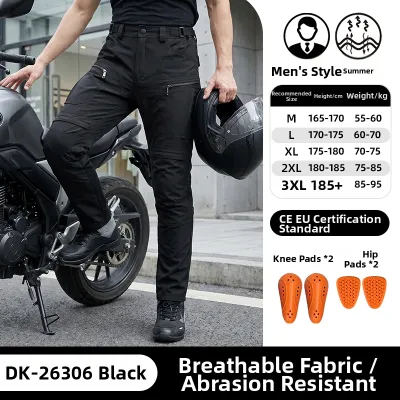
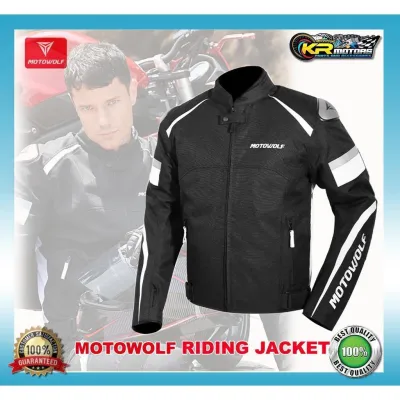
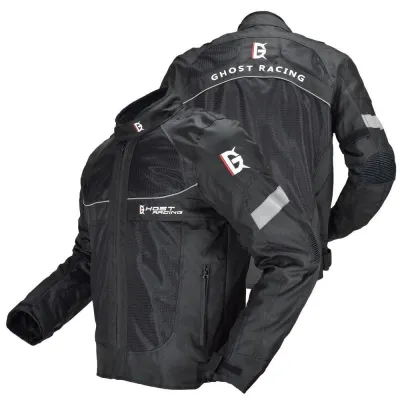
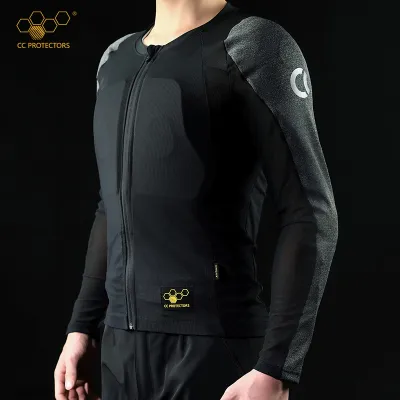
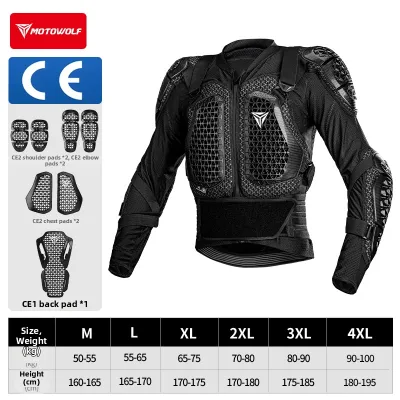
Prices are valid at publication and may change. Please refer to the product page for the latest price.
Key Protection Features to Prioritize
When shopping for a motorcycle armor jacket in the Philippines, you will find a wide range of options across different price points. Entry-level tropical jackets typically cost under ₱5,000, while premium models featuring advanced materials and superior ventilation generally range from ₱5,000 to ₱15,000 or more. Regardless of your budget, prioritizing specific safety specifications over brand marketing is essential to ensure you are getting real protection.

Abrasion-Resistant Outer Shells
When selecting a tropical motorcycle armor jacket, the first line of defense to evaluate is the abrasion resistance of the outer shell. Many riders mistakenly assume that any mesh jacket is safe, but basic, single-layer polyester mesh offers very poor slide protection and can melt or tear almost instantly upon contact with asphalt. To ensure adequate safety, you must look for a hybrid construction where high-tenacity mesh panels are strategically mapped across the chest, inner arms, and back, while the critical impact zones—specifically the shoulders, elbows, and upper back—are constructed from heavy-duty, abrasion-resistant materials.
Before making a purchase, check the physical product labels or the manufacturer’s technical specifications sheet for specific, high-performance materials rather than relying on vague marketing terms like “heavy-duty fabric” or “extra-tough nylon.” Look for high-denier fabrics, such as 500-denier (500D) or 600-denier (600D) Cordura, or specialized polyamide weaves that are engineered to withstand friction. Some premium tropical jackets also incorporate Aramid or Kevlar fiber blends in the high-risk zones to provide exceptional tear and heat resistance without adding excessive weight or bulk. By ensuring that the chassis of the jacket is built with these verified materials, you protect your skin from severe friction burns during a slide while still enjoying the cooling benefits of the surrounding mesh panels.
Impact Armor and Certification Labels
While the outer shell protects your skin from abrasion, built-in impact armor is what shields your bones and joints from fractures during a collision. A reliable tropical motorcycle armor jacket must feature dedicated armor inserts at the shoulders and elbows, along with a pocket for a back protector. To verify that this armor will actually perform under pressure, you must inspect the physical tags or stamps on the armor inserts themselves for official European Conformity (CE) certification markings.
The standard for limb protectors is EN 1621-1, while back protectors are certified under EN 1621-2. Within these standards, armor is classified into two performance tiers:
- CE Level 1: This armor is thinner, lighter, and more flexible, making it highly breathable and comfortable for low-speed city commuting, such as navigating stop-and-go traffic in dense urban areas. It absorbs a moderate level of impact energy and allows for excellent airflow within a lightweight jacket.
- CE Level 2: This armor is thicker and denser, absorbing significantly more impact energy. It is highly recommended for highway touring, high-speed provincial roads, or expressways where crash forces are much higher. However, because Level 2 armor is bulkier, it can block more airflow and add noticeable weight to the jacket.
When choosing between these levels, consider your typical riding environment. For daily city riding, a jacket equipped with CE Level 1 armor at the joints and a lightweight back protector offers an excellent balance of comfort and safety. If your routes involve high-speed highways, upgrading to CE Level 2 armor is highly advisable, provided the jacket features highly ventilated, perforated armor designs (such as lattice-structured or open-cell molecular armor) that allow air to pass directly through the protective inserts.
Maximizing Breathability and Moisture Management
Mesh Panels and Airflow Design
To achieve maximum cooling, the physical layout of the jacket’s ventilation must align with your riding posture. Look for a motorcycle armor jacket that features extensive mesh panels across the chest, the inner side of the arms, and the upper back. When you are in motion, air is forced through the front panels, flows over your torso, and carries body heat away. For this system to work efficiently, the jacket must also feature exhaust vents or large mesh sections at the lower back; without these exit points, incoming air becomes trapped, causing the jacket to balloon and reducing the overall cooling effect.
You should also pay close attention to the construction of the jacket’s inner layers. Be highly cautious of jackets that feature permanent, non-removable waterproof or thermal liners sewn directly into the outer shell. In a hot, humid environment, a permanent waterproof membrane acts like a plastic greenhouse, trapping your sweat and blocking all incoming wind, even if the outer shell is made entirely of mesh. For tropical riding, always opt for a modular design where any windproof or waterproof layers are completely removable, allowing you to strip the jacket down to a single, highly breathable mesh layer during dry, hot days.
Moisture-Wicking Liners
Even with excellent airflow, riding in high humidity means you will inevitably sweat. The material that sits directly against your skin or your base layer plays a critical role in your overall comfort and hygiene. High-quality tropical motorcycle armor jackets are lined with a lightweight, moisture-wicking mesh fabric. This liner is designed to pull sweat away from your body and spread it across a larger surface area, allowing the passing wind to evaporate the moisture rapidly.
If sweat is allowed to pool and remain trapped against your skin in a hot, humid climate, it quickly leads to severe skin irritation, painful chafing, and bacterial or fungal infections like heat rash. When evaluating a jacket, check if the inner mesh liner is fully removable or at least designed with antimicrobial treatments. A removable inner liner is highly advantageous because it allows you to detach the layer and wash it regularly, preventing the buildup of body oils, salt deposits, and unpleasant odors that naturally accumulate over weeks of daily commuting.
Fit, Visibility, and Practical Adjustments
The safety performance of a motorcycle armor jacket is directly dependent on how well it fits your body. When riding in a hot climate, it is tempting to buy a jacket that is one or two sizes too large to allow for a loose, breezy fit. However, this is a dangerous mistake. In the event of a crash, a loose jacket will slide and shift across your body, causing the shoulder and elbow armor to rotate away from your joints and leaving them completely unprotected during an impact.
To ensure maximum safety, your tropical riding jacket should fit snugly over a thin, moisture-wicking base layer or a simple t-shirt. To accommodate different body shapes while maintaining a secure fit, look for jackets that feature multiple adjustment points. These typically include:
- Sleeve adjusters: Snap buttons or velcro straps on the forearms and biceps that keep the elbow armor locked firmly in place and prevent the fabric from flapping at high speeds.
- Waist straps: Adjustable velcro tabs or cinch cords at the hem to seal the bottom of the jacket and customize the fit around your torso.
- Collar adjustments: Soft-edged, adjustable collars that can be loosened to allow extra airflow around your neck without irritating your skin.
Additionally, you must consider visibility in tropical regions, where weather conditions can change rapidly. Sudden afternoon downpours during the habagat season, heavy fog in elevated areas, or poorly lit provincial roads at night can severely reduce a driver’s visibility. Choose a jacket that incorporates high-visibility color accents or prominent retro-reflective strips on the chest, shoulders, and back. These reflective elements catch the headlights of surrounding vehicles, ensuring you remain visible to other motorists during a heavy rainstorm or after sunset.
Care and Maintenance in High Humidity
Proper maintenance is essential to preserve the structural integrity and hygiene of your motorcycle armor jacket, especially in humid environments where mold and mildew thrive. After a long, sweaty ride, never fold your damp jacket and stuff it into a closed top box, under-seat storage compartment, or a dark closet. Trapping moisture in an unventilated space creates an ideal breeding ground for bacteria and mold, which will quickly ruin the fabric fibers, degrade the stitching, and create persistent, foul odors that are incredibly difficult to remove.
Instead, establish a consistent post-ride routine to care for your gear:
- Air-dry immediately: Hang your jacket on a heavy-duty, wide hanger in a shaded, well-ventilated indoor area immediately after every ride. Turn the jacket inside out to allow the inner liner to dry completely. Avoid hanging the jacket in direct, intense sunlight for extended periods, as prolonged ultraviolet (UV) exposure can break down and weaken the synthetic fibers of the outer shell over time.
- Remove armor before washing: When the jacket requires a thorough cleaning, always unzip the internal pockets and remove all impact armor inserts first. Before applying any cleaner or washing your jacket, always check the care label sewn inside the garment and the manufacturer's instructions. If the care instructions conflict with general cleaning tips, or if the fabric is unidentified, stop and consult the manufacturer or a gear specialist to prevent damaging the protective fibers. Most textile and mesh jackets can be hand-washed using a mild, non-detergent soap and cool water, or machine-washed on a gentle cycle inside a mesh laundry bag.
- Clean the armor separately: Wipe down the removed rubber or foam armor inserts with a damp microfiber cloth and a mild soap solution. Allow them to air-dry completely in the shade before reinserting them into their designated pockets, ensuring they are oriented correctly according to the jacket's structural design.
Frequently Asked Questions (FAQ)
Can I just wear a regular jacket with armor inserts?
No, you should not rely on a standard everyday jacket fitted with armor inserts. Regular garments made of standard denim, cotton canvas, nylon windbreakers, or fashion hoodies possess extremely low abrasion resistance and will tear apart within milliseconds of sliding on asphalt. Without a specially engineered, abrasion-resistant outer shell to hold them in place, the armor inserts will instantly shift away from your joints, leaving your body completely unprotected against severe road rash and impact injuries.
Is a mesh jacket safe enough for highway speeds?
Yes, a high-quality mesh motorcycle armor jacket is safe for highway speeds, provided it features a hybrid construction. The jacket must combine high-tenacity mesh panels for cooling with heavy-duty, abrasion-resistant fabrics (such as 500D or 600D Cordura) on the critical impact zones like the shoulders and elbows. Additionally, the jacket must be fitted with certified CE Level 1 or Level 2 impact armor and fit snugly against your body to prevent the protective elements from shifting during a high-speed slide.
Community discussion
Share your experience or ask a question. Comments are reviewed before publication.