
Choosing the right disc brake cover for your motorcycle requires balancing physical protection, thermal management, and absolute compatibility with your bike’s braking system. A quality cover shields your brake rotor and caliper from flying stones, road debris, and impact damage during minor falls or tip-overs. However, because the front brake is your motorcycle’s most critical stopping component, any accessory installed near it must be selected with extreme care. An ill-fitting cover can rub against the rotor, trap destructive heat, or even interfere with steering and suspension travel, turning a simple protective upgrade into a serious safety hazard.
To make an informed purchase, you must look beyond aesthetic appeal and focus on precise engineering specifications. This means verifying the exact dimensions of your wheel hub, understanding how different materials handle the intense heat of stop-and-go tropical traffic, and selecting a design that allows sufficient airflow to prevent brake fade. By systematically evaluating fitment, material properties, and ventilation designs, you can find a cover that enhances your motorcycle’s durability without compromising your safety on the road.
Prioritize Exact Fitment and Caliper Clearance
When shopping for a disc brake cover, your absolute priority must be verifying exact fitment for your specific motorcycle make, model, year, and sub-variant. Unlike universal accessories, braking components operate within incredibly tight tolerances where even a millimeter of misalignment can cause catastrophic failure. A proper cover must align perfectly with your front wheel axle, hub spacers, and caliper mounting brackets. To ensure a secure installation, you should consult your motorcycle’s official service manual to cross-reference the factory hub dimensions and mounting points before looking at aftermarket options.
Products mentioned in this guide
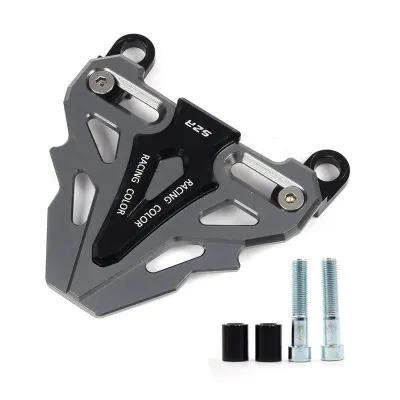
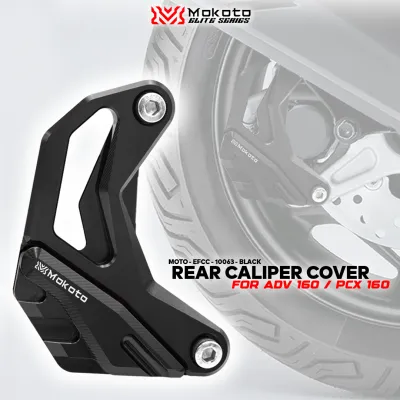
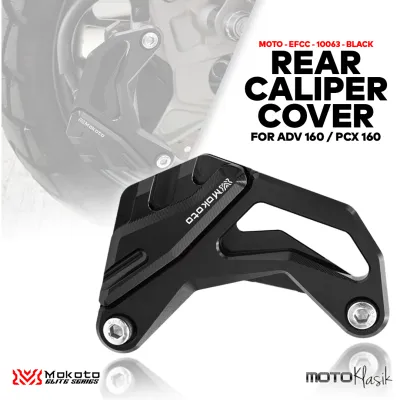
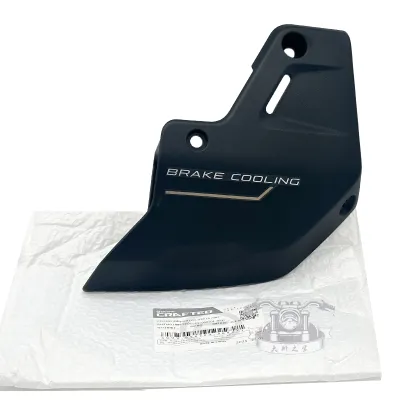
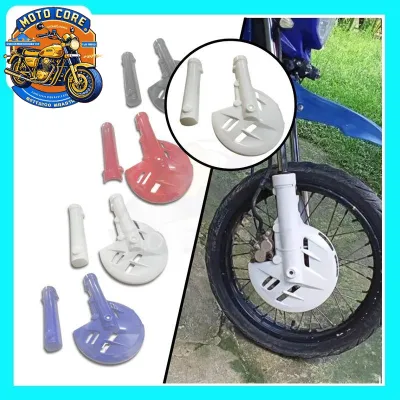
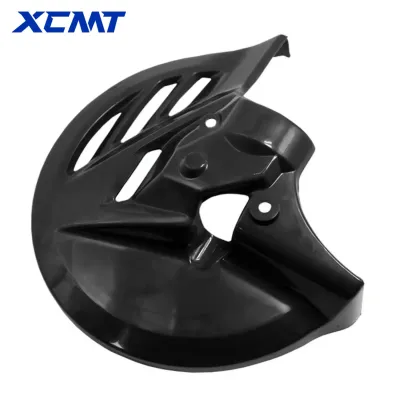
Prices are valid at publication and may change. Please refer to the product page for the latest price.
The first critical dimension to verify is the rotor diameter. Disc brake covers are designed to wrap around specific rotor sizes, such as 240mm, 270mm, or 320mm. If you install a cover designed for a smaller rotor, it will physically collide with the outer edge of your disc. Conversely, an oversized cover may extend too far, creating unnecessary aerodynamic drag or catching on external obstacles. You must also check the bolt pattern on your wheel hub or fork leg, as the cover’s mounting bracket must line up perfectly with these existing holes without requiring you to drill, bend, or force any components into place.
Caliper clearance is another vital factor that requires careful measurement. The brake caliper moves slightly and experiences intense vibrations during operation, while the front forks compress and rebound continuously over uneven road surfaces. You must ensure that there is a safe clearance gap between the inner surface of the cover and the outermost parts of the brake caliper and pads. If the cover sits too close, the natural flexing of components under heavy braking or suspension compression can cause the cover to rub against the caliper, leading to rapid wear, distracting noises, or even physical binding of the wheel.
Never rely solely on generic product titles or visual similarities in online listings. Many motorcycles share similar styling cues but utilize completely different fork designs, axle diameters, or caliper offsets across different model years or regional variants. A cover that fits a 2022 model might not clear the redesigned caliper bracket of a 2026 model. Always verify the exact year and variant of your motorcycle, and cross-reference these details with the manufacturer’s official compatibility database or fitment charts before making a commitment.
Evaluate Material Options for Heat and Impact Resistance
The material of your disc brake cover directly dictates how well it will protect your braking system and how it will affect your motorcycle’s handling. The three most common materials used in aftermarket covers are aluminum alloys, stainless steel, and high-impact plastics, each offering distinct characteristics. Aluminum alloys, such as CNC-machined 6061-T6 aluminum, are highly favored for their excellent strength-to-weight ratio and structural rigidity. They provide robust protection against direct impacts from large rocks and debris while keeping weight to a minimum, which is crucial for maintaining responsive steering.

High-impact plastics, such as durable polypropylene or carbon-fiber composites, offer a lighter and more flexible alternative. These materials are excellent at absorbing minor impacts and resisting scratches without bending out of shape permanently. However, plastics generally have lower heat tolerance compared to metals. Because your brake rotors can reach extremely high temperatures during prolonged downhill descents or heavy stop-and-go city riding, you must check the manufacturer’s specifications to ensure the plastic compound is rated to withstand high thermal exposure without warping, melting, or degrading over time.
Choosing between heavier metals and lighter materials involves a clear trade-off regarding unsprung weight. Unsprung weight refers to any part of the motorcycle not supported by the suspension, including the wheels, tires, brakes, and associated guards. Adding excessive weight to this area can slow down your suspension’s response time, making your ride feel harsher and reducing tire contact with the road on bumpy surfaces. While a heavy-duty stainless steel guard offers maximum protection against severe off-road impacts, a lighter aluminum or high-grade plastic cover is often more suitable for daily street riding where steering agility is a priority.
For riders operating in tropical environments characterized by high humidity, heavy seasonal rainfall, and salty coastal air, corrosion resistance is a non-negotiable requirement. Untreated metals can oxidize rapidly when exposed to moisture and road grime, leading to structural weakening and unsightly rust stains. When selecting a metal cover, look for surface treatments such as anodizing for aluminum or specialized powder coatings for steel. These protective layers seal the metal from environmental elements, ensuring that your cover remains structurally sound and visually appealing throughout years of exposure to wet road conditions.
Assess Ventilation and Debris Deflection Designs
A disc brake cover must strike a delicate balance between shielding the rotor from external hazards and allowing sufficient airflow to cool the braking system. When you apply your brakes, kinetic energy is converted into intense thermal energy that must be dissipated quickly to prevent brake fade—a dangerous condition where your stopping power diminishes due to overheating. The design of the cover’s ventilation slots, spoke patterns, and cutouts plays a critical role in directing cool air across the rotor face and caliper body while keeping debris out.
Open-mesh or highly slotted designs are engineered primarily for street and high-performance riding where thermal management is the primary concern. These patterns maximize airflow, allowing heat to escape rapidly during frequent braking maneuvers. However, they offer less protection against fine particles like sand, mud, or small gravel. On the other hand, solid or semi-solid covers are designed for off-road or muddy trail riding, where the main threat is thick mud packing into the brake assembly or large rocks chipping the rotor. While solid designs offer superior physical deflection, they restrict airflow and are generally unsuitable for prolonged high-speed street use.
If you frequently ride on unpaved roads or during the rainy season, look for covers that feature raised or offset mounting designs. These specialized configurations create a physical gap between the inner face of the cover and the rotor, allowing mud, water, and small pebbles to escape downward rather than getting trapped inside. If mud becomes packed tightly between a flat cover and the rotor, it acts as an abrasive paste, rapidly wearing down your brake pads and scoring the rotor surface, which severely compromises your stopping efficiency.
Before purchasing, closely inspect the physical design of the cover for any sharp internal edges, rough casting marks, or tight crevices. High-quality manufacturers chamfer or round off the edges of their ventilation cutouts to prevent debris from catching. Rough or sharp edges can trap grass, twigs, or road grime, making the cover difficult to clean and potentially scratching your wheel hub or fork legs during installation and removal. A smooth, well-finished design ensures that water and debris slide off easily, keeping your braking system clean and functional.
Build Your Shortlist and Verify Before Purchase
Once you have identified the material and design that suit your riding style, you should compile a shortlist of potential products and begin a rigorous verification process. Start by cross-referencing the seller’s compatibility list with your motorcycle’s exact Vehicle Identification Number (VIN) or original equipment manufacturer (OEM) part numbers. Many reputable aftermarket brands provide detailed fitment finders on their official websites. If you are unsure, do not hesitate to contact the manufacturer directly to confirm that the cover’s mounting bracket matches your specific fork and hub configuration.
Next, leverage the power of user feedback on online marketplaces and motorcycle forums. When reading reviews, filter specifically for verified purchases and look for comments written by owners of your exact motorcycle model and year. Pay close attention to any recurring complaints regarding installation difficulties, alignment issues, or material warping under heat. If multiple buyers report that they had to modify the bracket or use custom spacers to make the cover fit, it is a strong indication that the product’s engineering tolerances are poor, and you should look for an alternative.
Budget considerations should also factor in the total cost of ownership, including shipping and potential return fees. While it may be tempting to purchase the cheapest option available on an online marketplace, low-cost accessories often suffer from poor quality control and inaccurate fitment descriptions. If a poorly manufactured part arrives and does not fit your bike, you may have to pay return shipping costs in ₱, which can quickly erase any initial savings. Investing a bit more in a reputable brand with proven fitment accuracy is often more cost-effective in the long run.
Finally, always check the seller’s return policy and warranty terms before finalizing your purchase. Ensure that the seller offers a clear return window and a full refund policy specifically for mismatched or defective motorcycle accessories. A reliable seller who stands behind their product will typically provide clear instructions on how to return an item if it does not clear your caliper or align with your hub. Avoid sellers who offer no returns or charge excessive restocking fees, as this leaves you with little recourse if the cover turns out to be incompatible with your braking system.
Installation Boundaries and When to Seek Professional Help
Installing a disc brake cover is a task that directly involves your motorcycle’s front wheel assembly, meaning safety must be your absolute guide. Before beginning, ensure you have a clean, well-lit workspace and the correct tools, including a calibrated torque wrench and the exact socket sizes required for your axle and caliper bolts. Never attempt to use standard wrenches or pliers, as these can easily strip bolt heads and damage critical fasteners. Start by thoroughly cleaning the mounting surfaces on your wheel hub and fork legs to remove any dirt, grease, or corrosion that could prevent the cover bracket from seating flat.
It is absolutely critical to follow your motorcycle manufacturer’s official torque specifications for all wheel, axle, and caliper components during reassembly. Under-tightening these bolts can cause them to back out under vibration, leading to a catastrophic wheel lockup, while over-tightening can strip the threads in your aluminum fork legs or crush wheel bearings. If the installation instructions for your aftermarket cover conflict with your motorcycle’s service manual, or if you do not own a reliable torque wrench, you must take your motorcycle to a qualified professional mechanic to ensure the installation is completed safely.
You must define clear stopping conditions during the installation process. If you feel any resistance when threading bolts, stop immediately to avoid cross-threading the delicate aluminum components of your front end. Once the cover is bolted on, lift the front wheel off the ground and spin it by hand; if you hear any rubbing, clicking, or scraping noises, or if the wheel does not spin freely, remove the cover immediately. Never ride your motorcycle if the cover contacts the rotor, if any mounting spacers are missing, or if you feel unsure about the structural integrity of the installation. Always perform a low-speed test ride in a closed, safe area to verify braking performance before returning to regular road traffic.
Frequently Asked Questions (FAQ)
Do disc brake covers affect braking performance?
Poorly ventilated or solid disc brake covers can trap heat around the rotor and caliper, which may lead to brake fade during aggressive riding or prolonged downhill braking. However, well-designed covers featuring adequate ventilation slots and heat-resistant materials allow sufficient airflow to dissipate heat effectively. For normal street riding and daily commuting, a high-quality, ventilated cover will not negatively impact your braking performance.
Are universal disc brake covers safe to use?
Universal disc brake covers carry significant safety risks and are generally not recommended. Because they are designed to fit a wide range of motorcycles, they often suffer from improper bolt alignment, inadequate caliper clearance, or weak mounting brackets that can flex under pressure. If a universal cover shifts or detaches while you are riding, it can jam into your wheel spokes or lock up your front brake, causing a severe accident. It is always safer to choose a model-specific cover engineered precisely for your bike’s hub and rotor dimensions.
How do I clean a motorcycle disc brake cover safely?
To clean your disc brake cover safely, use mild soap, warm water, and a soft-bristled brush to gently scrub away road grime, mud, and accumulated brake dust. Avoid using high-pressure washers directly on the brake caliper, wheel bearings, or cover seals, as the intense pressure can force water past protective seals and cause premature wear or corrosion. Never use harsh chemical degreasers, solvent-based cleaners, or abrasive scrubbing pads, as these can strip away protective anodized or powder-coated finishes and potentially contaminate your brake pads and rotor.
Community discussion
Share your experience or ask a question. Comments are reviewed before publication.