
Riding a motorcycle in the Philippines offers an unmatched sense of freedom, whether you are filtering through the dense, stop-and-go traffic of Metro Manila or carving corners along the scenic twists of the Marilaque Highway. However, the tropical climate presents a unique challenge: balancing the critical need for impact and abrasion protection with the intense heat and high humidity that define daily life in the archipelago. To stay cool and safe, you must identify specific structural, material, and safety elements when selecting gear.
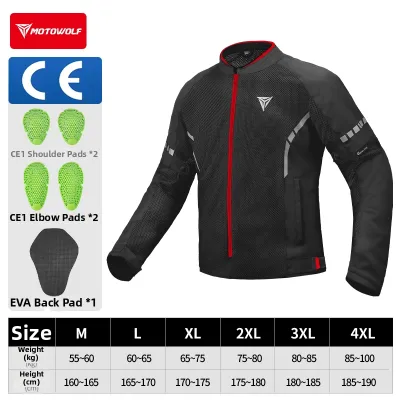
A high-quality motorcycle jacket for men designed for tropical conditions must prioritize continuous airflow without sacrificing structural integrity. The ideal hot-weather jacket utilizes high-density mesh panels on the chest, back, and inner arms to allow ambient air to pass through freely, combined with heavy-duty textile reinforcements at key slide zones like the shoulders and elbows. By focusing on breathable fabrics, adjustable ventilation points, and certified lightweight armor, you can protect yourself from both road hazards and heat-related exhaustion.
Why Tropical Heat Changes Your Jacket Requirements
The climate of the Philippines, characterized by high temperatures and relative humidity levels that frequently exceed 80 percent, fundamentally alters how your body regulates temperature while riding. In cooler climates, windchill alone can keep a rider comfortable even in a heavy leather jacket. In a tropical environment, however, high humidity prevents sweat from evaporating efficiently, which is the body’s primary mechanism for cooling itself down. When you wear heavy, uninsulated gear in these conditions, heat quickly becomes trapped against your skin, leading to rapid dehydration, elevated heart rate, and physical fatigue.
Products mentioned in this guide
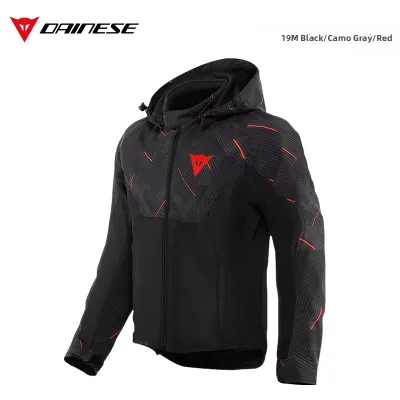
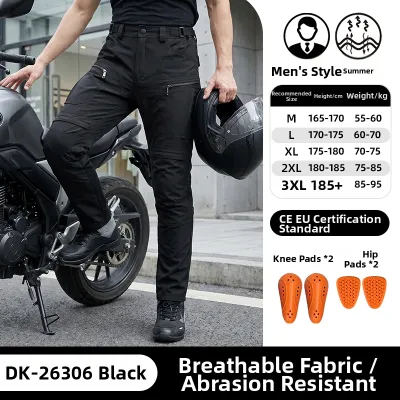
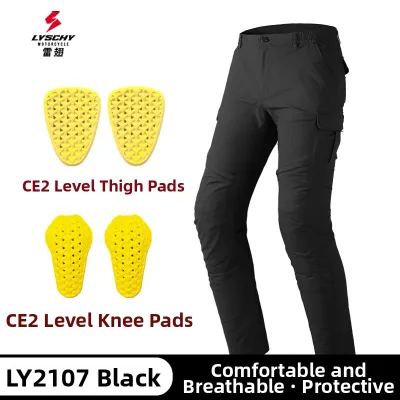
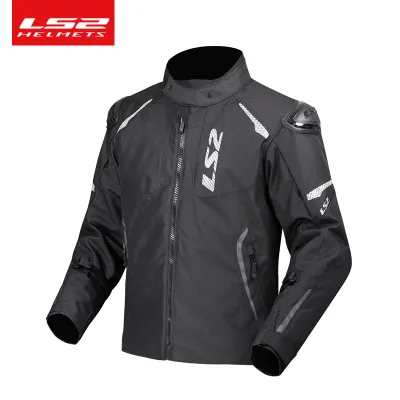
Prices are valid at publication and may change. Please refer to the product page for the latest price.
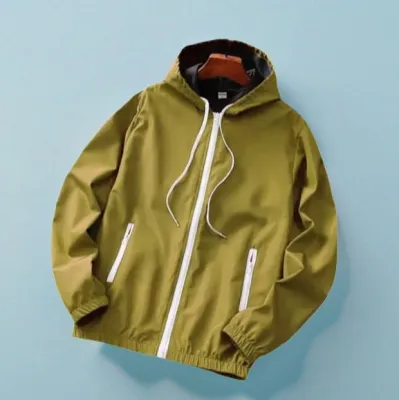
This physical strain directly impacts your safety on the road. Heat exhaustion compromises your reaction times, impairs spatial awareness, and degrades decision-making capabilities—critical faculties when navigating unpredictable traffic conditions. When riders find their gear unbearably hot, they often make the dangerous decision to leave their jackets at home entirely, riding in t-shirts or light windbreakers. This compromise leaves them completely unprotected in the event of a slide or collision.
Specialized tropical riding gear resolves this conflict. Instead of forcing a choice between safety and comfort, modern hot-weather jackets are engineered to facilitate active cooling through maximum air exchange while utilizing advanced materials that meet strict safety standards. Investing in a dedicated summer jacket ensures you remain alert, focused, and fully protected throughout your journey, whether you are on a short daily commute or a long-distance tour across provinces.
Essential Ventilation Features for Maximum Airflow
To maintain comfort during midday rides, a jacket must actively promote air circulation across your torso. Understanding how different ventilation designs function allows you to select a jacket that performs well at both low city speeds and higher highway velocities.

Mesh Panels and Textile Construction
Mesh panels serve as the primary gateway for airflow in tropical riding jackets. These panels are strategically integrated into areas of the jacket that receive direct wind blast or experience high heat buildup, such as the chest, back, and the underside of the sleeves. When choosing a jacket, you will find options ranging from full-mesh configurations to hybrid textile-mesh designs. Full-mesh jackets offer the highest level of breathability, making them highly suitable for slow-moving, congested urban traffic where natural wind is minimal.
However, hybrid jackets—which combine mesh panels with solid textile panels in non-impact zones—often provide a superior balance of structure, durability, and weather versatility. When evaluating these materials, pay close attention to the density and weave of the mesh fabric. The mesh must be tightly woven from high-tensile synthetic fibers, such as high-denier polyester or polyamide, to ensure it can withstand the intense friction of a slide without tearing. High-quality mesh feels stiff and structured to the touch, rather than soft or flimsy, indicating a tighter, more protective weave.
Strategic Zippered Vents and Exhausts
While open mesh panels provide continuous ventilation, adjustable zippered vents offer customizable airflow management. A well-designed technical jacket features intake vents on the chest, collarbone, or biceps, paired with corresponding exhaust vents on the upper and lower back. This configuration relies on the pressure differential created while moving to pull cool air in through the front and draw hot, humid air out through the rear, preventing heat from pooling around your shoulders and spine.
The usability of these vents depends heavily on the quality of their hardware. Look for robust, oversized zippers equipped with long pull tabs or cords that you can easily grip and operate while wearing thick riding gloves. This allows you to adjust your ventilation on the fly as weather conditions change.
Additionally, consider how your riding posture matches the placement of the vents. If you ride an underbone, scooter, or cruiser in an upright position, chest-mounted vents and large front mesh panels will catch the wind most effectively. If you ride a sportbike or sport-tourer with a forward lean, look for jackets with vents positioned higher on the shoulders and upper arms, as well as lower back exhausts that remain unobstructed by a backpack or passenger.
How to Balance Breathability with Impact Protection in a Motorcycle Jacket for Men
Staying cool should never come at the expense of your physical safety. A lightweight jacket must still perform its primary function: protecting your body from impact forces and road rash during an accident.
Checking Armor Ratings and Placement
A reliable motorcycle jacket for men designed for hot weather must feature integrated armor inserts at the shoulders, elbows, and back to absorb and disperse impact energy. When inspecting a jacket, do not rely on generic marketing terms like “protective padding” or “foam inserts.” Instead, look for official compliance labels indicating that the armor has been tested and certified under recognized safety standards, specifically CE Level 1 or CE Level 2. CE Level 2 armor offers higher impact absorption and is highly recommended for highway riding, while CE Level 1 provides a lighter, more flexible profile suitable for city commuting.
The effectiveness of this armor depends entirely on its placement. If a jacket fits too loosely or lacks proper adjustment points, the elbow and shoulder protectors can easily shift away from your joints during a fall, leaving you unprotected. Ensure the jacket features interior armor pockets that hold the inserts snugly in place. Many high-quality jackets also include adjustable sleeve straps that allow you to cinch the fabric around your forearms, keeping the elbow armor locked in its correct anatomical position regardless of how much you move.
Abrasion-Resistant Reinforcements
While mesh fabric is excellent for cooling, it possesses inherently lower abrasion resistance than solid textiles or leather. To compensate for this vulnerability, manufacturers reinforce high-impact zones—specifically the outer shoulders, elbows, and upper back—with heavy-duty, abrasion-resistant materials. Look for jackets that utilize high-denier fabrics, such as 600D polyester or genuine Cordura overlays, in these critical areas. These reinforced panels act as a shield, taking the brunt of the friction if you slide along the asphalt.
Examine the structural seams connecting these reinforced panels to the mesh body. High-quality construction requires double or triple stitching using heavy-duty, heat-resistant nylon thread. Standard single stitching can quickly fail under the extreme friction and heat generated during a high-speed slide, causing the jacket to burst open at the seams. Inspecting the interior seams for clean, reinforced stitching is a vital step before purchasing any lightweight riding gear.
Fit, Liners, and Moisture Management for Humid Rides
A jacket’s performance in tropical conditions is heavily influenced by how it manages sweat and adapts to sudden environmental changes. Achieving a proper fit is the first step in optimizing both comfort and safety. A jacket that is too loose will flap violently at highway speeds, which increases rider fatigue and can cause the protective armor to shift. Conversely, a jacket that is too tight restricts your range of motion, limits natural chest expansion while breathing, and traps a layer of hot air directly against your skin. Look for a snug, tailored fit that allows you to move your arms freely without the fabric binding at the shoulders or armpits.
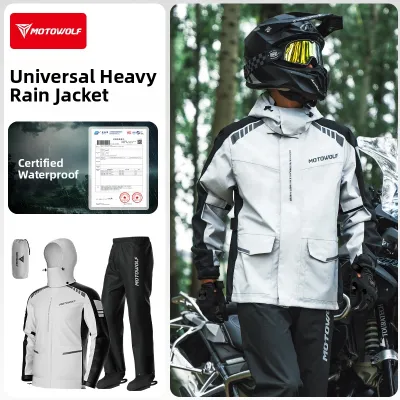
To accommodate the unpredictable weather of the Philippines—where a scorching afternoon can instantly transition into a torrential monsoon downpour—many tropical jackets feature removable liners. While waterproof liners are highly effective at keeping you dry, they function by blocking wind and moisture completely. Installing a waterproof liner inside a mesh jacket essentially turns it into a sauna, trapping your body heat and sweat. For daily riding, it is best to keep these liners detached and stored in your motorcycle’s top box or under-seat compartment, installing them only when active rain begins. Alternatively, wearing a dedicated, lightweight rain jacket over your mesh jacket is often more comfortable, as it keeps the outer shell of your riding gear dry and prevents it from becoming heavy and waterlogged.
Inside the jacket, moisture management is critical for preventing skin irritation and chafing during long, humid commutes. Seek out jackets equipped with breathable, moisture-wicking mesh inner linings that pull sweat away from your body, allowing it to evaporate through the outer mesh panels. Pay close attention to the collar and cuff materials; soft, hypoallergenic fabrics like neoprene or microfiber linings prevent the rough edges of the jacket from rubbing against your neck and wrists when you sweat.
Finally, look for customization features that allow you to adapt the jacket’s fit to your body shape and layering choices. Adjustable waist straps, sleeve cinches, and adjustable collar snaps are invaluable for tailoring the garment. These adjusters allow you to tighten the jacket when riding fast to prevent flapping, or loosen it slightly during slow urban crawls to maximize internal air circulation.
Caring for Your Riding Gear in High Humidity
The combination of sweat, road grime, and high humidity creates an ideal breeding ground for bacteria, mold, and mildew, which can quickly ruin high-quality riding gear. Proper maintenance is essential to preserve the structural integrity of the fabrics and prevent unpleasant odors.
After every ride, make it a habit to air out your jacket immediately. Never fold your damp jacket and stuff it into a top box, under-seat compartment, or helmet bag, as this traps moisture and accelerates bacterial growth. Instead, hang the jacket on a heavy-duty, wide-shouldered hanger in a well-ventilated indoor area or a shaded outdoor spot to dry completely.
When the jacket requires cleaning, always consult the manufacturer’s care label for specific instructions, as washing methods vary by material. As a general rule for textile and mesh jackets, start by removing all armor inserts from their internal pockets. Secure all zippers, Velcro straps, and snaps to prevent them from snagging or damaging the mesh during the wash. Hand-washing in a large tub of cool water with a mild, non-biological liquid detergent is the safest method to preserve the synthetic fibers. If the manufacturer’s label permits machine washing, use a gentle cycle with cool water and place the jacket inside a mesh laundry bag for added protection.
Never use fabric softeners, bleach, or harsh chemical cleaners, as these can degrade the specialized coatings on synthetic textiles and weaken the fibers. Once washed, hang the jacket to air-dry in a shaded, drafty area. Avoid drying your jacket in direct sunlight; prolonged exposure to intense ultraviolet (UV) radiation can degrade synthetic fabrics, fade colors, and damage reflective safety elements. Additionally, periodically inspect the zippers, Velcro closures, and armor pockets to ensure that sweat residue has not caused corrosion or fabric deterioration, ensuring your gear remains reliable for years to come.
Frequently Asked Questions (FAQ)
Can I use a mesh jacket during the Philippine rainy season?
Yes, you can comfortably use a mesh jacket during the rainy season, provided you have a strategy for managing wet weather. Because mesh panels are entirely porous, they offer no resistance to rain. To stay dry, you can install the removable waterproof liner that comes with many tropical jackets, or carry a compact, dedicated external rain suit to wear over your gear. Utilizing an external rain cover is highly recommended, as it prevents the outer shell of your mesh jacket from absorbing water and becoming heavy, cold, and slow to dry.
Does a lighter jacket mean less protection in a crash?
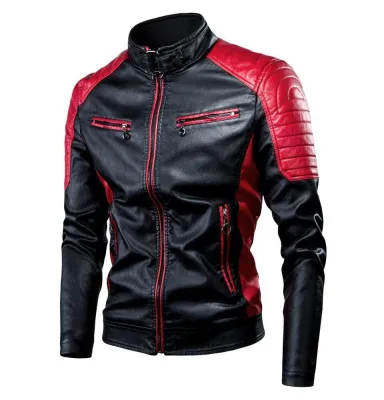
Not necessarily. Modern material science allows manufacturers to produce lightweight jackets that offer exceptional protection. The safety of a motorcycle jacket is determined by the quality of its construction, the presence of certified CE-rated armor at key impact points, and the use of high-denier, abrasion-resistant textiles (like 600D polyester or Cordura) in high-risk slide zones. A well-engineered lightweight mesh jacket with reinforced elbows and shoulders will provide vastly superior protection compared to a heavy, unreinforced fashion leather jacket or a basic windbreaker.
Community discussion
Share your experience or ask a question. Comments are reviewed before publication.