
Choosing a motorcycle jacket in the Philippines requires balancing the intense tropical heat with the non-negotiable need for crash safety. To stay cool while remaining protected, you must select a jacket that maximizes airflow through specialized materials like high-flow mesh or perforated leather, while reinforcing critical impact zones with high-denier textiles and certified armor. Understanding how to evaluate these materials, verify impact certifications, and maintain your gear in high humidity will ensure you ride comfortably and safely on every commute.
The Core Challenge: Ventilation vs. Abrasion Resistance in Tropical Climates
Riding a motorcycle in the Philippines presents a unique environmental challenge. With ambient temperatures frequently exceeding 30°C and relative humidity levels often climbing above 70 percent, heat exhaustion is a constant concern. In these tropical conditions, high heat and humidity quickly lead to rider fatigue, dehydration, and a dangerous drop in concentration. Consequently, proper ventilation is not merely a comfort preference; it is an active safety feature that keeps you alert and responsive on chaotic city streets and open highways.
However, the need for cooling airflow must never come at the expense of physical protection. In the event of a slide or crash, the primary defense between your skin and the abrasive asphalt is your riding gear. This creates a fundamental conflict: materials that allow the most air to pass through are often the least resistant to friction and tearing.
Products mentioned in this guide
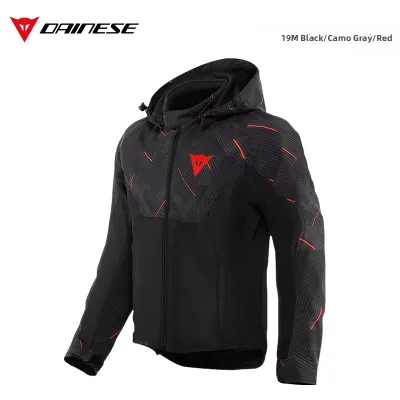
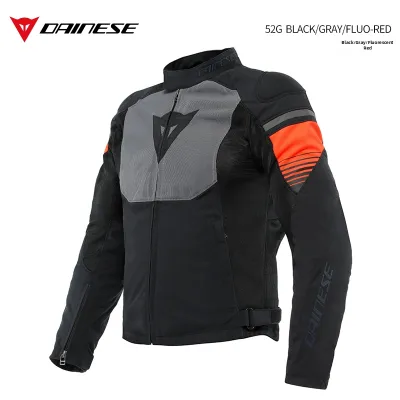
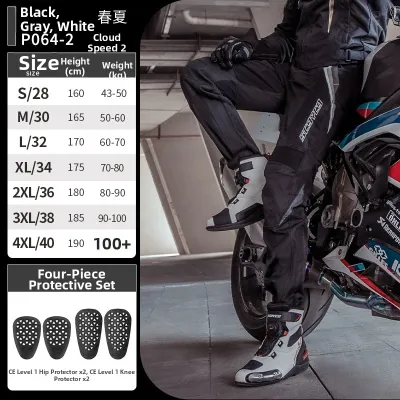
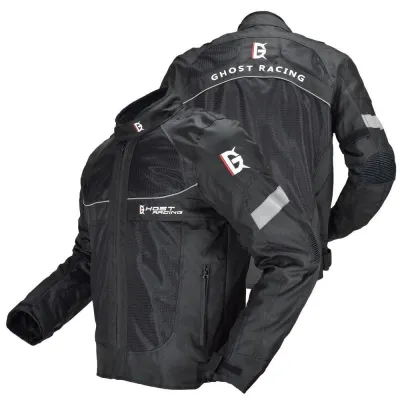
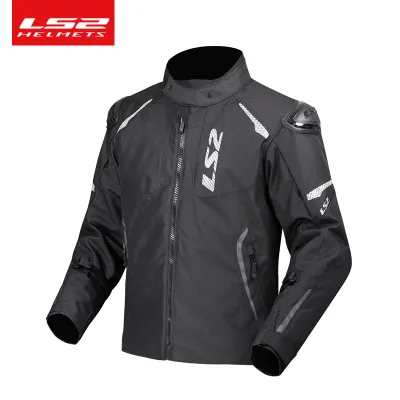
Prices are valid at publication and may change. Please refer to the product page for the latest price.
To resolve this conflict, a proper hot-weather motorcycle jacket must follow a baseline rule of construction. The chassis of the jacket can prioritize breathability and airflow, but the critical impact and slide zones—specifically the shoulders, elbows, and upper back—must feature a durable, abrasion-resistant outer shell. This design ensures that the garment can withstand high-speed friction and impact while still allowing cooling air to circulate around your torso.
Key Materials and Construction for Hot Weather Riding
The materials used in a motorcycle jacket dictate both how much air can pass through to cool your body and how well the garment will hold together during an accident. When shopping for hot-weather gear, you cannot rely solely on how light a jacket feels in your hands. You must evaluate the structural integrity of the garment to ensure it can perform under stress.

Beyond the primary fabrics, you must inspect the structural construction of the jacket. Look closely at the seams in high-impact areas. High-quality riding gear features double or triple stitching, often with flat-felled seams, to prevent the fabric panels from bursting apart upon contact with the road. If the stitching fails during a slide, even the strongest fabric becomes useless, exposing your skin to severe injury.
Mesh and Textile Blends
Modern mesh jackets are the most popular choice for tropical commuting because they offer the highest volume of airflow. However, not all mesh is created equal. Cheap, single-layer mesh jackets found on unbranded online marketplaces often use low-grade polyester that can melt from the heat of friction or tear instantly upon contact with the road.
To ensure your safety, look for reinforced mesh jackets that utilize a hybrid construction. These jackets place high-flow mesh panels on the chest, inner arms, and back to maximize ventilation, while reinforcing the high-risk slide zones—such as the shoulders and elbows—with heavy-duty, high-denier textile panels. Denier (represented by the letter “D”) measures the thickness of the individual fibers in the fabric. For adequate road protection, ensure the reinforced panels are constructed from at least 500D or 600D polyester or nylon. Always check the manufacturer specifications or product tags to verify these material ratings before making a purchase.
Additionally, consider the seasonal volatility of Philippine weather. A sudden afternoon downpour can quickly leave you soaked and shivering. Choosing a mesh jacket that includes a removable windproof and waterproof inner liner provides excellent versatility. You can keep the liner zipped inside during wet commutes to stay dry, and easily pack it away in your bag when the sun returns, restoring full breathability to the jacket.
Perforated Leather Options
For riders who prefer classic styling, cruiser aesthetics, or maximum abrasion resistance, perforated leather serves as a highly durable alternative to textile mesh. Leather naturally offers superior slide protection compared to most synthetic fabrics, making it a favorite for high-speed riding.
To make leather wearable in a tropical climate, manufacturers use micro-perforations—thousands of tiny, laser-cut holes throughout the leather panels. These perforations allow air to flow directly through the hide, providing a cooling effect while maintaining the natural structural integrity of the leather.
However, perforated leather comes with distinct trade-offs that you must carefully weigh. Leather is significantly heavier and stiffer than textile mesh, which can accelerate rider fatigue during slow, stop-and-go city traffic in Manila or Cebu. It also restricts your range of motion more than flexible textiles.
Furthermore, leather requires intensive maintenance in high-humidity environments. Sweat, rain, and ambient moisture can easily cause leather to stiffen, crack, or develop mold if left untreated. If you choose perforated leather, verify that the hide has a thickness of at least 1.1mm to 1.3mm, which is the standard for protective riding gear. Ensure that the micro-perforations do not run directly along or too close to the structural seams, as this can weaken the stitching and cause the panels to tear apart during a crash.
Armor and Impact Protection: What to Verify on the Label
While the outer shell of your jacket protects you from abrasion and road rash, impact armor is what prevents bone fractures and severe joint damage. A well-ventilated jacket is only half a safety system; it must be paired with certified armor inserts that absorb and disperse the force of a sudden impact.
First, check that the jacket features dedicated, secure pockets for armor at the shoulders, elbows, and back. These pockets must hold the armor inserts tightly against your body so they do not shift or twist away during a fall.
Do not rely on vague marketing terms like “protective padding,” “impact shields,” or “dual-density foam.” Instead, physically remove the armor inserts from the jacket and inspect them for official CE (Conformité Européenne) certification marks molded directly into the material. Look for the following standards:
- EN 1621-1: This certification indicates that the shoulder and elbow protectors have been tested and approved for impact safety.
- EN 1621-2: This certification applies specifically to back protectors.
Within these standards, armor is classified as either Level 1 or Level 2. CE Level 1 armor offers standard protection and is typically thinner and lighter, making it highly comfortable for daily commuting. CE Level 2 armor absorbs significantly more impact force, providing superior safety, though it is usually thicker, heavier, and slightly more restrictive to airflow.
When trying on the jacket, verify that the elbow and shoulder armor align perfectly with your joints. Use the adjustment straps on the sleeves to snug the fabric against your arms. If you can easily twist the elbow armor around to the side of your arm, the jacket is either too large or lacks proper adjustment, meaning the armor will likely fail to protect your joint during an impact.
Finally, pay close attention to the back protector. Many hot-weather jackets ship with only a thin, non-certified foam template in the back pocket. This foam is included merely as a placeholder and offers virtually no protection against spinal impacts. Always check the manufacturer’s documentation to see if the jacket’s pocket is designed to accommodate a proper CE-certified Level 1 or Level 2 back protector, and plan to purchase a compatible insert separately to upgrade your safety.
Design Features That Enhance Airflow and Comfort
Beyond the primary materials, several secondary design elements can drastically improve your comfort and safety when riding in hot, humid conditions. These features help manage moisture, maintain structural fit, and ensure you remain visible on the road.
Airflow is not just about letting wind hit your chest; it is about creating a continuous passage of air through the entire garment. To achieve this, a jacket must feature functional exhaust vents, usually located on the lower back or sides. These vents work in tandem with the front mesh panels or intake vents to create a chimney effect. As you ride forward, cool air enters the front of the jacket, absorbs your body heat, and is drawn out through the rear exhaust vents. Without these exhaust ports, air becomes trapped inside the jacket, causing it to balloon uncomfortably and trap heat against your body.
Inside the jacket, look for a moisture-wicking mesh lining. This lining acts as a barrier between your skin and the outer shell, pulling sweat away from your body so it can evaporate more efficiently. A high-quality lining prevents the jacket from feeling sticky, heavy, and restrictive when you sweat.
Fit and adjustability are also critical for both safety and comfort. A jacket that is too loose will flap violently at highway speeds, causing muscle fatigue and distracting you from the road. More importantly, loose fabric allows the protective armor to shift during a crash. Look for jackets with adjustable straps, hook-and-loop tabs, or snap buttons at the waist, biceps, forearms, and collar. These adjustment points allow you to customize the fit of the jacket to your body shape, ensuring the armor remains locked in place while accommodating different base layers underneath.
Lastly, consider practical additions that enhance daily usability. Reflective piping or high-visibility panels are crucial for keeping you visible to other motorists during night rides or sudden tropical downpours. Secure, zippered pockets—especially waterproof internal pockets—are essential for protecting your phone, registration documents, and wallet from unexpected rain.
Caring for Your Jacket in High Humidity
The combination of sweat, road grime, exhaust soot, and high humidity in the Philippines can quickly degrade your jacket’s materials and create unpleasant odors if you do not maintain it properly. Regular, safe care will prolong the lifespan of your gear and ensure it remains hygienic.
After every ride, never leave your damp jacket stuffed inside a motorcycle top box or a dark closet. Hang it up immediately on a wide, heavy-duty hanger in a well-ventilated room or directly under a ceiling fan. This allows sweat and ambient moisture to evaporate completely, preventing the growth of odor-causing bacteria and mold.
When it comes to washing your jacket, always check the applied product’s label and the treated item’s manufacturer instructions first. If instructions conflict, the item is unidentified, or the care use is not covered, stop and consult the manufacturer or a qualified professional. Before initiating any cleaning process, remove all armor inserts and liners from their respective pockets. For most textile and mesh jackets, hand washing is the safest method. Submerge the jacket in cool water mixed with a mild, non-detergent soap. Use a soft-bristled brush or a microfiber cloth to gently scrub away stubborn road grime, bug splats, and sweat stains. Avoid harsh household detergents, fabric softeners, or bleach, as these chemicals can break down synthetic fibers, degrade waterproof coatings, and damage reflective materials.
Never dry your motorcycle jacket in direct, intense sunlight or use a high-heat machine dryer. Intense UV rays and high heat can weaken synthetic fibers, melt internal seam tape, damage reflective elements, and cause leather panels to shrink and crack. Instead, hang the jacket to air dry completely in a shaded, well-ventilated indoor space or a covered outdoor area.
Once the jacket is fully dry, store it in a cool, dry place away from direct sunlight. Avoid storing your gear in sealed plastic bags, which trap residual moisture and encourage mold growth. If you are caring for a perforated leather jacket, apply a specialized leather conditioner once or twice a year to keep the hide supple and prevent it from drying out or cracking due to humidity and sweat exposure.
Frequently Asked Questions (FAQ)
Choosing the right hot-weather riding gear often involves navigating common safety misconceptions and balancing daily commuting realities.
Can I just wear a regular denim jacket for short commutes?
No, a standard denim jacket does not provide adequate protection, even for short commutes. Standard denim lacks the tensile strength required to withstand asphalt friction. In a slide, regular denim will shred almost instantly—often in less than a second of contact with the road—leaving your skin completely unprotected against severe road rash. Additionally, casual denim jackets do not have pockets to hold impact armor, leaving your shoulders, elbows, and spine vulnerable to fractures. Even during low-speed city commutes, unexpected spills can occur, making a purpose-built motorcycle jacket with reinforced fabrics and certified armor the only reliable choice for your safety.
Are mesh jackets safe enough for highway speeds?
Yes, high-quality mesh jackets designed specifically for motorcycle use are safe for highway speeds, provided they feature a hybrid construction. These jackets are engineered with robust, high-denier textile panels (such as 500D or 600D nylon or polyester) in high-impact zones like the shoulders and elbows to handle slide friction, while using mesh panels only in non-impact zones like the chest and inner arms to facilitate airflow. When shopping, always avoid cheap, unbranded, or fashion-oriented mesh jackets that lack certified armor and high-denier reinforcements, as these garments will fail to protect you during a high-speed slide.
Community discussion
Share your experience or ask a question. Comments are reviewed before publication.