
Selecting a riding jacket for motorcycle use in the Philippines requires balancing two opposing forces: the need for continuous cooling and the necessity of impact and abrasion protection. To achieve this, the ideal hot-weather jacket utilizes a hybrid construction. It combines high-airflow mesh panels positioned across the chest, back, and inner arms with robust, abrasion-resistant textile or leather reinforcements on high-impact zones like the shoulders and elbows. Additionally, the jacket must feature certified armor inserts to absorb impact energy during a fall. By focusing on structural integrity, ventilation placement, and verified safety standards, you can ride comfortably through intense tropical heat without compromising your physical safety.
Why the Tropical Climate Changes Your Gear Requirements
Riding in the Philippines presents unique environmental challenges that directly affect rider safety and physical performance. The local climate is characterized by high ambient temperatures, often hovering between 30°C and 38°C, paired with relative humidity levels that frequently exceed 80 percent. When you ride in these conditions, your body relies heavily on sweat evaporation to cool down. However, high humidity severely limits this natural cooling mechanism because the moisture-saturated air cannot readily absorb more sweat. Standard, non-ventilated riding jackets trap this hot, humid air against your skin, creating a microclimate that rapidly escalates your core temperature.
This heat buildup is not merely an issue of personal discomfort; it is a significant safety hazard. As your body struggles to regulate its temperature, you experience rapid dehydration, excessive sweating, and physical fatigue. These physiological stressors directly impair your cognitive functions, slowing your reaction times and reducing your situational awareness on highly unpredictable roads. When your focus is compromised by heat exhaustion, your ability to anticipate traffic hazards, navigate sudden road defects, or make split-second defensive maneuvers drops significantly. Consequently, choosing a highly ventilated jacket is a primary safety measure that keeps your mind sharp and your body responsive.
Products mentioned in this guide
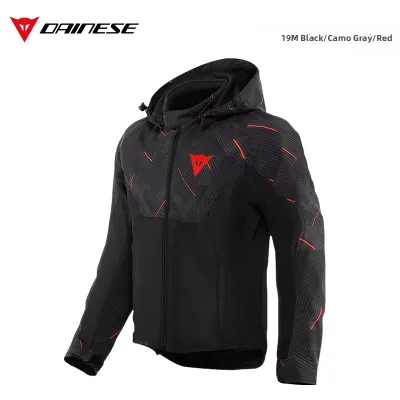
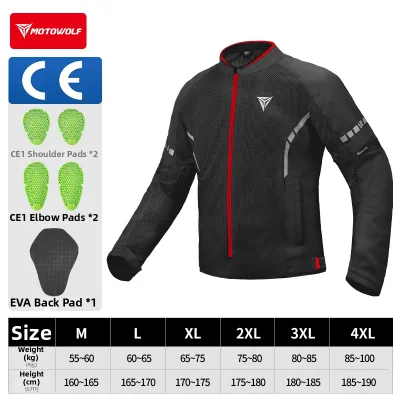
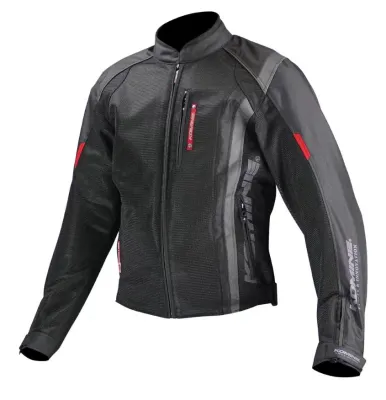
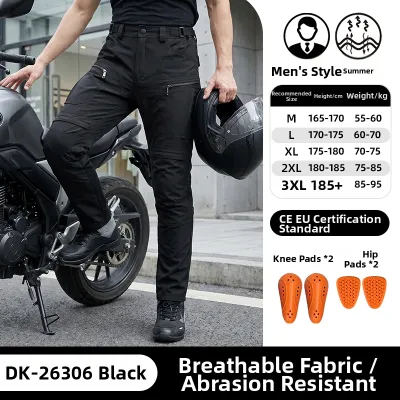
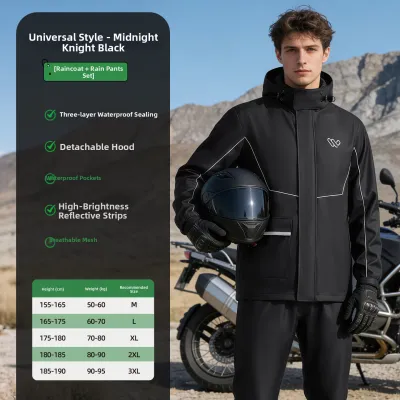
Prices are valid at publication and may change. Please refer to the product page for the latest price.
Design Features That Maximize Airflow Without Sacrificing Structure
To maintain a manageable body temperature while riding, your jacket must facilitate constant air exchange. The most effective way to achieve this is through strategically placed mesh panels. These panels, typically made of woven polyester or nylon mesh, should cover the high-pressure zones of the jacket—specifically the chest and the inner arms—where oncoming wind naturally hits the rider. A large mesh panel on the back is equally critical, as it allows the air that enters the front of the jacket to escape, carrying body heat and moisture away with it.

In addition to permanent mesh panels, high-quality warm-weather jackets often incorporate adjustable zippered intake and exhaust vents. These vents allow you to customize the airflow based on the current riding speed and temperature. When riding at higher speeds, opening chest or arm intakes alongside rear exhaust vents creates a chimney effect. This pressure differential actively pulls cool air into the jacket and forces hot, stagnant air out of the back. For daily commuting, look for collar and cuff designs that feature soft, moisture-wicking linings and adjustable closures. These designs allow you to open the collar slightly to let air circulate around your neck without causing painful skin chafing from stiff materials.
However, maximizing airflow must not come at the expense of the jacket’s structural integrity. Mesh fabric has inherently lower tensile strength and abrasion resistance than solid textiles or leather. Therefore, the jacket’s chassis must feature high-denier textile borders, such as 500-denier (500D) or 600-denier (600D) polyester, surrounding the mesh panels. These structural borders act as a skeleton, ensuring that the seams do not burst and the mesh does not tear away from the main frame of the jacket during a slide.
Armor and Abrasion Resistance: Safety Standards You Must Verify
When evaluating a riding jacket for motorcycle use, you must look beyond aesthetic appeal and focus on objective safety certifications. Visual inspection alone cannot determine if a jacket will protect you during a crash. The first standard to verify is the CE (Conformité Européenne) certification for the armor inserts. Safe riding jackets must feature CE-certified armor at the shoulders and elbows, and ideally a dedicated pocket for a certified back protector. These inserts are tested under the EN 1621-1 standard for limb joints and the EN 1621-2 standard for back protectors.
Armor inserts are generally categorized into CE Level 1 and CE Level 2. CE Level 1 protectors are thinner, lighter, and highly flexible, making them exceptionally comfortable and less restrictive to airflow in hot weather. However, they transmit more force to your body during an impact. CE Level 2 protectors offer superior impact absorption, transmitting significantly less force, but they are thicker, heavier, and can slightly restrict air circulation. For daily commuting in high-risk urban traffic, Level 2 armor is highly recommended for the back, while Level 1 or flexible Level 2 armor is suitable for the elbows and shoulders to maintain mobility.
To verify the abrasion resistance of the entire garment, check the EN 17092 standard label. This European standard classifies riding gear into five classes based on its performance in abrasion, tear, and seam strength tests:
- Class AAA: Offers the highest level of protection, typically found in heavy leather race suits, but features very limited ventilation.
- Class AA: Represents the standard for touring and highway riding, balancing high abrasion resistance with moderate flexibility and cooling.
- Class A: Provides the minimum level of protection suitable for urban riding, prioritizing lightweight materials and maximum ventilation.
For tropical daily commuting, a Class A or Class AA jacket is the most practical choice. You must ensure that even if the jacket is predominantly mesh (Class A), the high-impact zones—specifically the outer shoulders and the elbows—are reinforced with heavy-duty, high-denier fabrics or leather overlays to prevent severe road rash.
Comparing Jacket Materials for Hot and Humid Commuting
Choosing the right material composition requires analyzing your daily routes, average speeds, and typical riding conditions. The three primary material types offer distinct trade-offs in ventilation, protection, and weather versatility.
Mesh Jackets: Maximum Airflow and Urban Practicality
Mesh jackets are the most effective solution for low-speed urban commuting, such as navigating stop-and-go city traffic. Because these environments offer little natural wind, full-mesh or high-percentage mesh designs maximize whatever air movement is available, keeping your skin dry and preventing rapid heat buildup. These jackets are lightweight, highly flexible, and comfortable to wear during short, low-speed trips.
However, full-mesh jackets have notable limitations. Their overall abrasion resistance is lower than that of solid textile or leather, making them less suitable for high-speed highway travel. Additionally, they offer virtually no protection against sudden tropical downpours or cool night winds. When choosing a mesh jacket, prioritize hybrid designs where the chassis is constructed of durable 600D polyester, and the mesh is restricted to the chest, back, and underarms, ensuring that critical slide zones remain fully protected.
Textile Jackets: Versatile Protection with Strategic Venting
Textile jackets constructed from high-denier polyester or nylon provide a highly versatile option for riders who mix city commuting with faster provincial or highway routes. These jackets offer superior abrasion resistance and seam strength compared to pure mesh, elevating your safety at higher speeds. They also provide excellent wind deflection, which prevents fatigue during long rides, and are often treated with water-resistant coatings to handle light drizzle.
To keep you cool in the heat, textile jackets designed for warm climates feature large, zippered ventilation panels on the chest, arms, and back. When these vents are open, they allow direct airflow to pass over your body; when zipped shut, they seal the jacket against wind and rain. This adaptability makes textile jackets the most balanced year-round choice for riders who face unpredictable weather and varied road conditions.
Perforated Leather: Premium Abrasion Resistance with Targeted Cooling
For riders who prioritize maximum slide protection, perforated leather remains the gold standard. Leather offers unmatched abrasion resistance and structural integrity, which is why it is the mandatory material for professional racing. Modern warm-weather leather jackets feature laser-cut perforations across the chest and torso, allowing a controlled stream of air to cool your body while maintaining the leather’s high tensile strength.
Despite its safety advantages, perforated leather has significant drawbacks in a hot, humid climate. Leather is heavy, traps body heat more than synthetic textiles, and takes a long time to dry if you are caught in a sudden tropical rainstorm. When wet leather absorbs moisture, it becomes exceptionally heavy and can develop a strong odor, stiffness, or mold if not dried properly. Additionally, maintaining leather in high humidity requires regular cleaning and conditioning to prevent the material from cracking or rotting.
Fit, Liners, and Practical Features for Daily Riding
The safety of a riding jacket is heavily dependent on how well it fits your body. A jacket that is too loose will allow the armor inserts to shift away from your elbows and shoulders during a slide, leaving your joints completely unprotected. To prevent this, your jacket should fit snugly against your torso and arms. Look for jackets equipped with adjustable straps on the waist, biceps, and forearms. These adjustment points allow you to tighten the sleeves, ensuring the armor remains locked in the correct position regardless of your body shape or the layers worn underneath.
Many warm-weather jackets come equipped with removable inner liners, which typically include a windproof or waterproof layer. These liners add significant versatility, allowing you to adapt to sudden downpours or cooler evening temperatures. However, you must manage these liners carefully in a tropical climate. Waterproof liners are designed to block moisture, which means they also trap your body heat and sweat. You should only install these liners when it is actively raining; keeping them in during dry, hot weather will quickly lead to overheating and severe discomfort.
For daily commuting, practical features can greatly improve your riding experience. High-visibility reflective elements on the chest, back, and shoulders are essential for staying visible to other motorists during night rides or heavy rainstorms. Additionally, ensure the jacket has secure, zippered pockets—preferably waterproof ones—to protect your daily essentials, such as your phone, wallet, and registration documents, from sudden weather changes.
Maintaining Your Riding Jacket in High Humidity
Operating in a hot, humid environment means your riding jacket will regularly absorb sweat, road grime, and rainwater. Proper maintenance is essential to prevent the growth of bacteria, mold, and mildew, which can degrade the fabrics and cause unpleasant odors. After every ride, never leave your damp jacket stuffed inside a motorcycle top box or a dark closet. Instead, hang it on a wide, heavy-duty hanger in a shaded, well-ventilated indoor area to dry completely. Avoid exposing the jacket to direct, harsh sunlight for extended periods, as ultraviolet (UV) radiation can degrade synthetic fibers and dry out leather.
To maintain hygiene and preserve the jacket’s structural integrity, perform a thorough cleaning periodically. Begin by removing all CE-certified armor inserts and any removable inner liners. Wipe down the armor inserts with a damp microfiber cloth and allow them to air dry separately. For textile and mesh jackets, hand washing in cold water with a mild, non-biological liquid detergent is the safest method. If the manufacturer’s care label permits machine washing, use a gentle cycle with the jacket placed inside a mesh laundry bag to prevent straps and buckles from catching.
For leather jackets, use a specialized leather cleaner and a soft cloth to remove dirt and sweat residues. Once dry, apply a high-quality leather conditioner to keep the material supple and prevent it from absorbing excess atmospheric moisture. Always check the specific care instructions provided by the manufacturer before applying any cleaning agents, and ensure every component is completely dry before reassembling the jacket.
Frequently Asked Questions (FAQ)
Is a mesh motorcycle jacket safe enough for highway riding?
While a mesh motorcycle jacket provides excellent impact protection through its integrated CE-certified armor, its overall abrasion resistance is generally lower than that of heavy textile or leather. At sustained highway speeds, a slide lasts longer, increasing the risk of the mesh fabric wearing through. For highway travel, a hybrid jacket featuring heavy-duty textile reinforcements (such as 600D polyester) on the shoulders and elbows, or a textile jacket with adjustable zippered vents, offers a much safer balance of cooling and slide protection.
How do I wash a motorcycle jacket with armor inside?
You must never wash a motorcycle jacket with the armor inserts left inside, as water and detergent can degrade the protective foam or cause metal components to rust. Always remove all shoulder, elbow, and back protectors, as well as any removable inner liners, before cleaning. Hand wash the outer shell in cold water using a mild detergent, or use a gentle machine cycle if allowed by the manufacturer’s care label. Allow the jacket to air dry completely in a well-ventilated, shaded area before reinserting the armor.
Community discussion
Share your experience or ask a question. Comments are reviewed before publication.