
Riding a motorcycle in tropical climates presents a unique challenge: staying cool while remaining fully protected on the road. In regions with high humidity and intense sun, the temptation to ride in lightweight, non-protective clothing is strong, but it exposes you to severe risks. The key to balancing ventilation and safety lies in choosing a motorcycle jacket that combines certified impact armor and abrasion-resistant fabrics with highly breathable mesh panels. By focusing on certified materials, strategic airflow designs, and adjustable fits, you can ride comfortably through heavy traffic and changing weather without compromising your physical safety.
Verifying Abrasion Resistance and Impact Armor Standards
Before looking at how much air a jacket lets in, you must verify its ability to protect you during a fall. The most reliable way to assess this is by checking the CE (Conformité Européenne) certification labels sewn into the garment. Look for the EN 17092 standard for the overall jacket, which rates abrasion resistance from Class C (lowest, usually impact protector holders only) to Class AAA (highest, typically heavy leather). For daily tropical commuting and mixed highway riding, Class A or Class AA textile jackets generally offer a practical balance of safety, weight, and flexibility.
In addition to the overall garment rating, you must inspect the individual impact protectors. The armor inserts at the elbows, shoulders, and back should carry their own CE certifications under the EN 1621 standard. Level 1 protectors offer standard protection suitable for urban speeds, while Level 2 protectors provide higher impact absorption, which is highly recommended for highway travel. Ensure these protectors are securely seated in their pockets and cover your joints fully without shifting.
Products mentioned in this guide
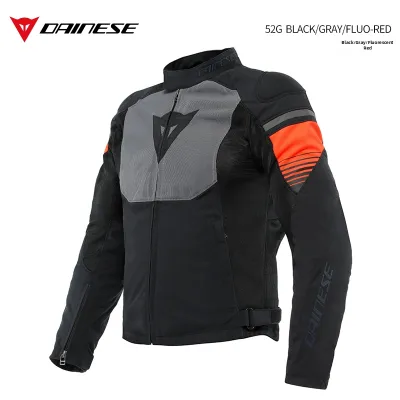
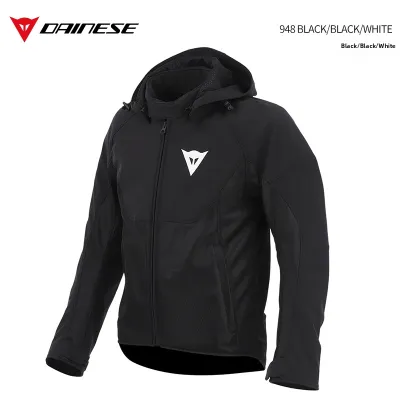
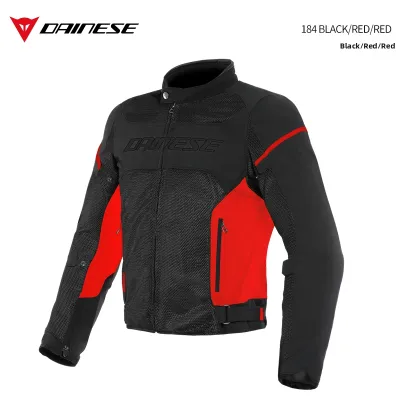
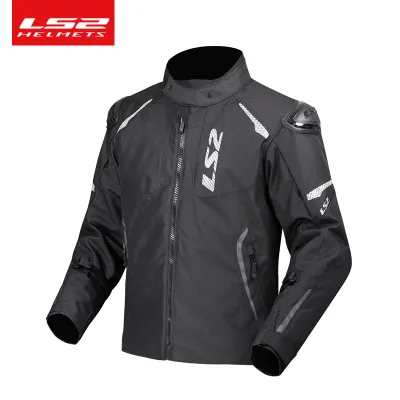
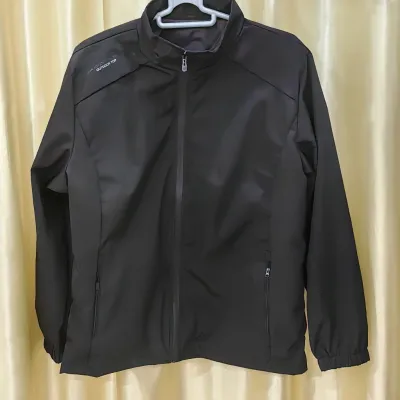
Prices are valid at publication and may change. Please refer to the product page for the latest price.
The structural integrity of the jacket relies heavily on its construction. Examine the seams in high-impact areas to ensure they feature safety stitching, where multiple rows of thread are used, and at least one row is hidden to prevent the seam from bursting open during a slide. Look for reinforced overlays on the shoulders and elbows, as these areas experience the highest friction when contacting the asphalt.
Analyzing Airflow Designs for High Humidity and Traffic Heat
In high-humidity environments and slow-moving city traffic, passive cooling is your primary defense against heat exhaustion. Mesh panels are the most effective design feature for these conditions, as they allow ambient air to pass directly through the fabric to cool your body. For maximum efficiency, look for jackets with extensive mesh coverage across the chest, inner arms, and the entire back, which allows heat to escape rather than building up inside the garment.

When you transition from congested city streets to open highways, the volume of incoming air increases significantly. In these scenarios, adjustable zippered intake vents on the chest or sleeves, paired with exhaust vents on the back, allow you to regulate the airflow. This configuration creates a low-pressure vacuum effect that actively pulls hot air out of the jacket, keeping you cool without causing the garment to balloon or flap violently at higher speeds.
Managing sweat is another critical factor in tropical riding comfort. A high-quality motorcycle jacket should feature a fixed or removable moisture-wicking mesh inner liner. This liner acts as a barrier between your skin and the outer shell, pulling sweat away from your body to facilitate rapid evaporation. This prevents the sticky, uncomfortable sensation of damp fabric clinging to your skin and reduces the risk of heat rash during long hours in the saddle.
Comparing Material Choices: Mesh, Textile, and Hybrid Jackets
Choosing the right material configuration requires understanding the trade-offs between full-mesh, solid textile, and hybrid designs. A full-mesh jacket prioritizes maximum airflow, making it incredibly comfortable for slow urban commutes, but it inherently offers less abrasion resistance than solid fabrics. Conversely, a solid textile jacket made of high-denier polyester or nylon provides excellent slide protection but can quickly become unbearably hot when you are stationary.
A hybrid jacket offers a compelling middle ground for riders who face diverse road conditions. These designs place heavy-duty, high-denier textiles (such as 600D polyester or Cordura) on the high-impact zones like the shoulders and elbows, while utilizing open-weave mesh panels on the chest, back, and underarms. This strategic placement ensures that the areas most likely to hit the ground are highly abrasion-resistant, while the rest of the jacket remains open to cooling breezes.
The intense tropical sun can degrade synthetic fabrics over time, making UV resistance an important consideration. Prolonged exposure to sunlight can weaken polyester and nylon fibers, reducing their tensile strength and making them more prone to tearing during an accident. When selecting a jacket, check the manufacturer specifications for UV-resistant treatments or choose high-quality, brand-name textiles that are engineered to withstand environmental degradation without losing their protective qualities.
Tailoring the Fit and Utility for Everyday Tropical Riding
A motorcycle jacket can only protect you if the armor stays in the correct position during an impact. Because tropical riders typically wear thin, breathable shirts underneath, the jacket must fit snugly without excess loose fabric. Look for adjustment straps on the forearms, biceps, and waist; tightening these straps prevents the elbow and shoulder protectors from twisting away from your joints if you slide.
Daily commuting demands practical utility, which means evaluating the storage options on the jacket. Look for water-resistant external pockets to keep your phone, registration documents, and toll cards easily accessible. An internal waterproof pocket is especially valuable for protecting sensitive electronics during sudden tropical downpours, ensuring your essentials stay dry even if the rest of the jacket gets wet.
Sudden weather changes and low-visibility conditions are common in tropical regions. High-visibility colors and strategically placed reflective piping or panels on the chest, back, and sleeves significantly increase your visibility to other motorists during heavy rain or night rides. These reflective elements should be integrated into the jacket’s design so they do not block the ventilation panels.
Many tropical-friendly jackets come equipped with removable liners, such as a lightweight windproof or waterproof membrane. While these liners are excellent for blocking unexpected rain or keeping you warm during early morning mountain rides, they should be completely removable. When the sun comes out, removing the liner restores the jacket’s full ventilation capacity, allowing you to adapt instantly to changing weather patterns.
Frequently Asked Questions (FAQ)
Is a full-mesh jacket safe enough for highway riding in the Philippines?
A full-mesh jacket can provide adequate safety for highway riding, provided it carries a verified CE garment rating of at least Class A or Class AA. While full-mesh designs offer maximum ventilation, they generally have lower overall abrasion resistance compared to heavy textile or leather jackets. For highway speeds, look for a hybrid mesh jacket that incorporates high-denier textile reinforcements (such as 600D polyester) on the shoulders and elbows, ensuring that critical slide zones are protected while the mesh panels keep you cool.
How should I clean and maintain a mesh motorcycle jacket to prevent odor?
To maintain hygiene and prevent odor buildup from sweat, you should wash your mesh jacket regularly following the manufacturer’s care label instructions. Always remove all impact armor inserts from their pockets before washing, as water and detergents can degrade the protective foam or polymer materials. Hand wash the jacket in cool water using a mild, non-biological liquid detergent, or use a gentle machine cycle if the label permits. Avoid fabric softeners, bleach, or tumble dryers, as these can damage the synthetic fibers and mesh structure. Hang the jacket to air dry completely in a well-ventilated, shaded area to prevent mildew and material degradation before reinserting the armor.
Community discussion
Share your experience or ask a question. Comments are reviewed before publication.