
Selecting a motorcycle protection jacket for tropical riding requires a careful balance between impact safety and thermal comfort. In hot, humid climates, wearing a heavy, unventilated jacket can quickly lead to heat exhaustion, while riding unprotected exposes you to severe injury in a crash. The ideal solution is a specialized hybrid jacket that combines high-airflow mesh panels with certified impact armor and durable textile reinforcements in high-risk zones. By focusing on materials that facilitate sweat evaporation while maintaining structural integrity, you can stay cool and protected on every ride.
Why Tropical Climates Change Your Jacket Requirements
Riding in a tropical climate like the Philippines presents unique physiological challenges that directly impact your safety on the road. When ambient temperatures rise above 30°C, your body relies almost entirely on the evaporation of sweat to cool itself down. However, high relative humidity levels prevent this moisture from evaporating efficiently into the air. If you wear a heavy, non-vented textile or solid leather jacket, heat and humidity become trapped inside, creating a dangerous microclimate against your skin.
This trapped heat rapidly elevates your core body temperature, leading to heavy sweating, dehydration, and physical fatigue. As dehydration sets in, your cognitive functions decline, resulting in slower reaction times, impaired judgment, and decreased concentration. In the chaotic traffic of urban centers or on winding provincial roads, a split-second delay in braking or swerving can be catastrophic. Therefore, managing thermal stress is not just a matter of comfort; it is a critical component of active accident prevention.
Products mentioned in this guide
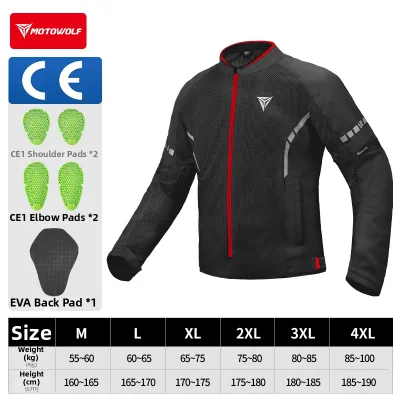
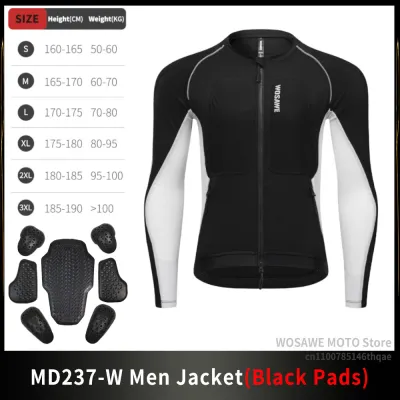
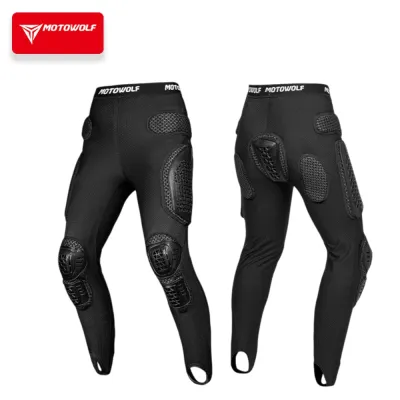
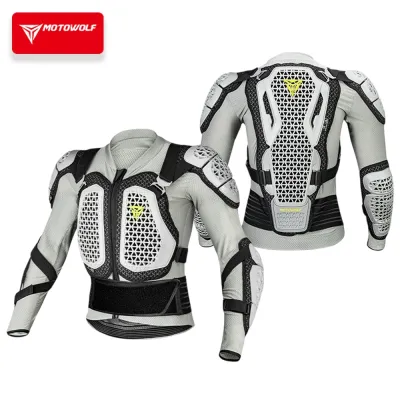
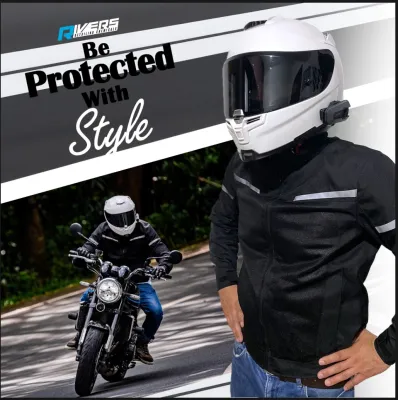
Prices are valid at publication and may change. Please refer to the product page for the latest price.
When selecting a motorcycle protection jacket, you must frame the decision around finding the minimum viable protection that maximizes continuous airflow. It is a common mistake to believe that the heaviest, most heavily layered jacket is the only safe option. In reality, a protective jacket that is too hot to wear will inevitably be left at home. A lightweight, highly ventilated jacket worn on every commute offers infinitely more protection than a premium, heavy-duty jacket sitting in your closet.
Verifying Impact Protection and Safety Certifications
To ensure your motorcycle protection jacket provides genuine safety, you must learn to verify its impact protection and abrasion resistance through official certifications. Do not rely on vague marketing terms like “road-ready,” “heavy-duty,” or “reinforced.” Instead, look for official CE (Conformité Européenne) certification labels sewn into the inner lining or pockets of the garment. These labels prove that the jacket has undergone standardized laboratory testing to withstand real-world crash forces.

The overall jacket construction, including the outer shell fabric, seams, and tear strength, is rated under the European standard EN 17092. This standard classifies garments from Class AAA (highest protection, typical for heavy racing leathers) down to Class A (lightweight protection, ideal for urban riding) and Class B (abrasion-only protection without armor). For tropical riding, a Class A or Class AA jacket offers an optimal compromise, providing sufficient slide protection on paved roads without requiring excessively thick, heat-trapping fabrics.
While the outer shell protects your skin from friction burns, internal armor pads absorb the energy of a direct impact. Look for impact armor certified under standard EN 1621-1 for limbs (shoulders and elbows) and EN 1621-2 for back protectors. This armor is divided into Level 1 and Level 2 performance tiers. Level 1 armor is thinner, lighter, and highly flexible, which allows more air to circulate through the jacket. Level 2 armor absorbs significantly more impact force but is thicker and heavier, which can slightly restrict airflow and add weight to your shoulders.
In the local market, quality entry-level mesh jackets with certified armor typically range from ₱4,000 to ₱8,000, while premium options featuring advanced materials and Level 2 protection can exceed ₱15,000. Be highly cautious of budget jackets that claim to include “free armor” but lack any standardized testing labels. Many low-cost options use unbranded, rigid plastic inserts or cheap foam pads that offer virtually no impact absorption. In a crash, brittle plastic inserts can shatter under pressure, potentially causing puncture wounds or lacerations. Genuine, certified armor is typically made of advanced polymers that remain soft and pliable during normal wear but instantly harden upon impact to distribute force.
Identifying Effective Ventilation Features for High Humidity
To combat high humidity, you must evaluate the structural design and materials of the jacket to ensure they actively facilitate airflow. The most common choice for tropical riders is a dedicated mesh jacket. These garments feature large panels of open-weave polyester or polyamide mesh across the chest, back, and inner arms. This design allows air to pass directly through the fabric, cooling your body even at low city speeds. However, because mesh fabric has lower abrasion resistance than solid textiles, high-quality mesh jackets reinforce high-impact zones—such as the elbows and shoulders—with heavy-duty solid fabrics like 600-denier polyester or Cordura.
Alternatively, some riders opt for textile jackets equipped with zippered ventilation ports. While these jackets offer superior overall durability and better water resistance, their cooling capacity is limited. Zippered vents rely on high-speed riding to force air into relatively small openings. In slow-moving, congested traffic, these vents fail to generate enough airflow, causing heat to build up rapidly. For daily commuting in metropolitan areas, a hybrid mesh jacket is almost always the superior choice compared to a closed textile jacket with limited vents.
When inspecting a jacket’s ventilation layout, pay close attention to the placement of both intake and exhaust vents. Effective cooling requires a continuous path for air to flow through the garment. Look for prominent intake panels on the chest and inner sleeves, paired with large exhaust panels on the back. Without proper rear exhaust vents, incoming air cannot escape efficiently, causing the jacket to balloon and trap hot air against your body. This draft effect is essential for pulling moisture away from your skin and accelerating sweat evaporation.
The interior lining of the jacket also plays a vital role in moisture management. Check the care tags and product specifications for quick-dry, moisture-wicking mesh liners rather than cheap, solid polyester sheets. A high-quality inner lining prevents the outer shell from sticking to your sweaty skin, maintaining a comfortable barrier and allowing air to circulate freely. Additionally, look for jackets with removable windproof or waterproof inner liners. These liners allow you to adapt to sudden afternoon downpours or cooler evening rides without permanently sacrificing ventilation during the hottest hours of the day.
Ensuring Proper Fit and Armor Placement
A motorcycle protection jacket can only protect you if the safety features remain in the correct position during an accident. If a jacket is too loose, the shoulder and elbow armor can easily rotate or slide away from your joints during a fall, leaving your bones exposed to direct impact and friction. Furthermore, excess fabric can catch on the road surface, causing you to tumble violently rather than sliding smoothly, which greatly increases the risk of bone fractures.
To prevent this shifting, look for jackets equipped with robust, built-in adjustability features. High-quality tropical jackets feature Velcro waist adjusters, snap buttons on the biceps and forearms, and adjustable wrist closures. These straps allow you to cinch the sleeves tightly against your arms, locking the elbow and shoulder pads securely over your joints. This customization is particularly important in hot weather, as you will likely be wearing only a thin base layer underneath, leaving more empty space inside the jacket shell.
When trying on a jacket, do not judge the fit solely while standing straight in front of a mirror. Instead, assume your natural riding posture. Lean forward, extend your arms as if reaching for your handlebars, and check the alignment of the armor. The elbow pads should sit comfortably over your joints without pinching, and the sleeves should remain long enough to cover your wrists. Look for jackets with pre-curved sleeves, which are tailored to match the natural bend of your arms while riding, reducing muscle fatigue and preventing the fabric from bunching up.
Always test the fit of the jacket while wearing the specific base layers you plan to use on hot days. A lightweight, moisture-wicking compression shirt or a thin athletic t-shirt is ideal for tropical riding. If the jacket feels excessively tight, restricts your breathing, or limits your range of motion when worn with a simple t-shirt, you should size up. However, ensure that the larger size still allows you to cinch the adjustment straps tightly enough to keep the armor pads perfectly stabilized.
Maintenance and Care in Humid Conditions
The high humidity and frequent rainfall of tropical environments can quickly degrade your riding gear if it is not properly maintained. Sweat contains salts, oils, and acids that can weaken synthetic fibers, corrode metal zippers, and break down the adhesive bonds in seam tapes over time. To preserve the lifespan and safety performance of your jacket, you must establish a consistent post-ride care routine.
Immediately after every ride, hang your jacket on a wide, heavy-duty plastic or wooden hanger in a well-ventilated, shaded indoor area. Never leave your wet or sweaty jacket folded up in a top box, backpack, or a damp, unventilated garage, as these dark, humid spaces are breeding grounds for mold, mildew, and foul odors. Additionally, avoid hanging your jacket in direct sunlight to dry. Prolonged exposure to ultraviolet (UV) radiation can degrade synthetic fabrics, fade colors, and make the internal impact armor brittle and less effective at absorbing shocks.
When the jacket accumulates dirt, road grime, or sweat odors, clean it strictly according to the manufacturer’s care label. Before washing, you must remove all internal armor pads and detach any removable inner liners. Hand washing the outer shell in cool water with a mild, non-biological liquid detergent is highly recommended. Avoid using fabric softeners, bleach, or harsh chemical cleaners, as these can destroy the specialized coatings on technical fabrics and weaken the mesh weave.
Once the outer shell is clean, rinse it thoroughly to remove all soap residue, which can attract dirt and block the breathability of the mesh. Allow the jacket to air dry completely in a shaded, well-ventilated room before reinserting the armor pads. Store your clean, dry jacket in an open closet or a room with consistent airflow. If you must store it for an extended period, avoid sealing it in airtight plastic bags, which can trap residual moisture and trigger mold growth.
Frequently Asked Questions (FAQ)
Can I wear a regular raincoat over a mesh jacket during tropical storms?
While a standard plastic raincoat is highly effective at blocking heavy downpours, it is completely non-breathable. Wearing a non-breathable plastic layer over a mesh jacket in hot weather traps your body heat and sweat, creating an intense greenhouse effect that can lead to rapid overheating, dehydration, and physical exhaustion. For tropical storms, it is far safer to use a dedicated motorcycle rain suit made of breathable, waterproof materials, or to choose a riding jacket that includes a removable, breathable waterproof membrane designed specifically to manage heat while keeping water out.
Is leather ever practical for motorcycle riding in the Philippines?
Traditional, thick, non-perforated leather jackets are highly impractical and potentially dangerous for daily riding in the Philippines due to extreme heat retention and lack of airflow. However, modern perforated leather jackets can be practical for high-speed highway riding or track days, as they offer unmatched abrasion resistance while allowing some air to pass through the tiny perforations. If you choose to ride in perforated leather, you must commit to rigorous maintenance: the high humidity and frequent rain require you to regularly clean, thoroughly dry, and condition the leather with specialized products to prevent mold, rot, stiffness, and cracking.
Community discussion
Share your experience or ask a question. Comments are reviewed before publication.