
Riding a motorcycle or scooter through sudden tropical downpours requires specialized gear that goes far beyond a basic plastic sheet. Standard rainwear quickly fails under the intense wind pressure, heavy road spray, and high humidity typical of wet-season commutes. A proper motorcycle raincoat must keep you completely dry, remain aerodynamically stable at speed, and ensure you stay highly visible to other motorists in low-visibility conditions.
Choosing the right gear involves understanding technical specifications, evaluating design features tailored for a riding posture, and knowing how to maintain the material to ensure long-term performance. By focusing on verifiable quality indicators rather than marketing hype, you can select a raincoat that offers reliable protection on every wet commute.
Essential Features for Safe Motorcycle Rain Gear
When riding in heavy rain, water is forced against your gear by the wind generated by your speed. This pressure easily penetrates standard fabrics and weak seams, making specialized construction a necessity for any motorcycle raincoat.
Products mentioned in this guide
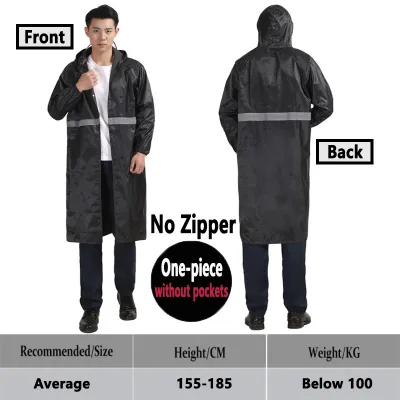
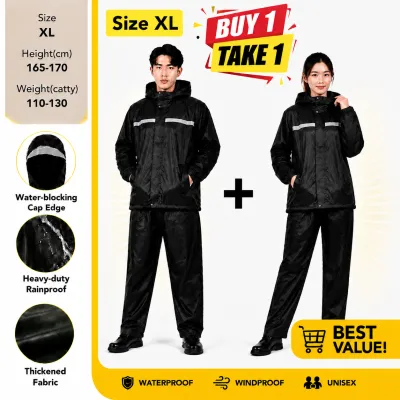
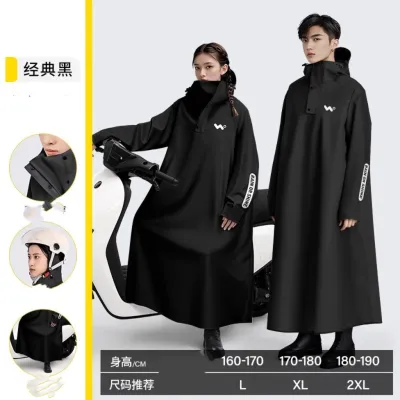
Prices are valid at publication and may change. Please refer to the product page for the latest price.
To ensure a raincoat can withstand these forces, look for manufacturer labels that specify hydrostatic head ratings. This rating, measured in millimeters, indicates how much water pressure the fabric can resist before leaking. For motorcycle riding, a rating of at least 5,000mm to 10,000mm is recommended, as the combination of riding speed and wind pressure mimics high-pressure water exposure.
Fabric alone cannot keep you dry if the construction is weak. Every time a garment is sewn, the needle leaves thousands of tiny holes. High-quality riding gear features fully taped or heat-sealed seams on the interior. This process applies a waterproof tape over the stitched areas, preventing water from seeping through the needle holes under wind pressure.
Your riding posture significantly changes how garments fit and cover your body. When you reach forward to grip the handlebars, your sleeves pull back, your shoulders stretch, and your lower back is exposed. A motorcycle-specific raincoat is tailored with an extended back length (often called a drop tail) to keep your lower torso covered when leaning forward.
Adjustability is critical to prevent water intrusion and aerodynamic flapping. Look for raincoats with elastic cuffs and adjustable hook-and-loop straps at the wrists, ankles, and waist. These allow you to seal the openings over your gloves and boots, preventing water from riding up your limbs.
Zippers are notorious entry points for water. A reliable riding raincoat must feature a wide storm flap that covers the main zipper. Ideally, this flap should fold over the zipper and secure with snap buttons or hook-and-loop fasteners, creating a physical barrier that blocks wind-driven rain from forcing its way through the zipper teeth.
Heavy downpours and gray skies drastically reduce road visibility, making high-visibility elements a critical safety feature. Look for raincoats in bright colors such as neon yellow, high-visibility orange, or vibrant green. These colors stand out against dark asphalt and heavy road spray, helping other drivers spot you from a distance.
In addition to bright colors, retroreflective strips are essential for low-light and nighttime riding. These strips bounce light directly back to its source, such as car headlights. Ensure the raincoat has reflective detailing across the upper back, chest, and sleeves, providing 360-degree visibility on dark roads.
In hot, humid tropical climates, a completely sealed, non-breathable plastic suit quickly turns into a personal sauna. The heat and sweat trapped inside the suit can cause condensation, leaving you just as wet on the inside as you would be from the rain.
To prevent overheating, look for raincoats with dedicated ventilation zones. These are often designed as mesh-lined cape vents on the back or zippered underarm vents. These openings allow hot air and moisture vapor to escape while utilizing overlapping fabric flaps to prevent rain from entering. Breathable polyurethane (PU) or polyester laminate fabrics also help transport sweat vapor away from your body.
Evaluating Move It Raincoat and Alternative Options
When shopping on online marketplaces or at local motorcycle accessory shops, you will encounter various options, including the Move It raincoat and similar budget-friendly brands. Evaluating these options requires a careful inspection of physical details and specifications.

Start by verifying the material composition and construction details on the product tag or the official e-commerce listing. Durable riding raincoats are typically constructed from heavy-duty polyester or nylon taslan with a PVC or PU backing. Avoid ultra-thin, single-layer plastic raincoats, as they tear easily under wind pressure and offer no resistance to the friction experienced during daily use.
Check the product description specifically for the mention of taped seams. If a listing only claims “waterproof fabric” without mentioning seam sealing, water will likely leak through the shoulders and chest during your first heavy downpour.
Choosing between a two-piece riding suit (jacket and pants) and a raincoat poncho depends heavily on your vehicle type, riding speed, and commute distance. A two-piece suit is the standard recommendation for most riders. It offers complete coverage, excellent wind resistance, and does not restrict your leg movement, making it suitable for both manual motorcycles and automatic scooters at any speed.
In contrast, ponchos are highly limited. While some scooter riders use specialized front-draping ponchos for very short, low-speed trips, they are generally unsafe for manual motorcycles and higher speeds. The loose, flapping fabric of a poncho can easily catch in the rear wheel, chain, or exhaust, or blow upward and obstruct your vision.
Budget-friendly raincoats often cut corners to keep prices low, usually retailing between ₱500 and ₱1,200. While they may look appealing, inspect them closely for common limitations. Budget models frequently feature untreated or poorly taped seams that peel off after a few uses.
Other common issues on low-cost models include weak plastic zippers that split under tension, thin elastic bands that lose their stretch, and minimal reflective detailing. If you choose a budget option, be prepared to inspect the interior seams yourself and consider applying a seam-sealer spray if you notice gaps in the factory taping.
To ensure you are purchasing a genuine product with reliable materials, buy directly from official brand stores, flagship digital storefronts, or authorized local dealers. Purchasing from unverified third-party sellers increases the risk of receiving counterfeit items made from inferior, non-waterproof materials.
Buying from official channels also ensures you have access to clear return policies and warranty terms. If you receive a raincoat with a manufacturing defect, such as a broken zipper or untaped seams, authorized retailers are much more likely to honor a replacement or refund.
Pre-Ride Safety Checks and Gear Maintenance
Even the highest-quality motorcycle raincoat will fail if it is not properly maintained. Establishing a regular inspection and care routine ensures your gear remains safe, functional, and ready for sudden downpours.
Before the rainy season begins, and periodically throughout the year, perform a thorough visual inspection of your rain gear. Lay the jacket and pants flat under a bright light and check the interior. Look for peeling, cracking, or lifting of the seam tape, especially around high-stress areas like the shoulders, crotch, and underarms.
Inspect the exterior fabric for delamination, which appears as bubbling or flaking of the inner waterproof coating. Check that all hook-and-loop fasteners are free of lint and debris, and test the zippers to ensure they glide smoothly without catching or splitting.
Never fold up a wet raincoat and stuff it into your motorcycle’s under-seat compartment or a backpack. In humid environments, trapping moisture in a dark, unventilated space leads to rapid mold and mildew growth. This not only causes strong, unpleasant odors but can also chemically degrade the waterproof coatings and fabric fibers.
After every wet ride, hang your raincoat on a wide, padded hanger in a well-ventilated, shaded indoor area. Allow it to dry completely before storing it. Keep the gear away from direct sunlight and heat sources like radiators or exhaust pipes, as extreme heat and UV rays can melt synthetic materials and ruin waterproof laminates.
Knowing when to retire your rain gear is essential for your safety and comfort on the road. If you observe extensive seam tape peeling that cannot be easily repaired, or if the inner waterproof coating is flaking off in large sections, the raincoat has reached the end of its service life.
Using compromised gear will result in water soaking through to your clothes, which can cause shivering, distraction, and reduced focus while riding. When these conditions occur, stop using the raincoat and replace it to ensure you remain protected during your commutes.
Frequently Asked Questions (FAQ)
Can I use a standard walking raincoat for motorcycle riding?
Using a standard walking raincoat for motorcycle riding is highly discouraged due to safety and functional limitations. Walking raincoats are designed for low-speed pedestrian use and lack the structural reinforcement needed to withstand riding speeds. At speeds above 40 km/h, the loose fabric of a pedestrian raincoat will flap violently, causing rider fatigue, distraction, and potential balance issues.
Furthermore, walking raincoats lack the specific tailoring required for a riding posture. When you reach for the handlebars, the sleeves will pull back, exposing your wrists, and the jacket will ride up your back. They also lack the abrasion resistance and secure fastenings of motorcycle-specific gear, meaning they can easily tear or balloon with wind, creating a safety hazard on the road.
How do I clean a motorcycle raincoat without damaging the waterproof coating?
To clean your motorcycle raincoat safely, always start by checking the manufacturer’s care label for specific washing instructions. As a general rule, avoid machine washing and dry cleaning, as the agitation and spinning can peel off interior seam tape and degrade the waterproof membrane. Instead, hand wash the raincoat using cool or lukewarm water.
Use a mild, liquid detergent or a specialized technical wash designed for waterproof outerwear. Never use harsh chemical detergents, bleach, or fabric softeners, as these chemicals strip away the durable water repellent (DWR) coating on the exterior fabric. Gently wipe away dirt and road grime with a soft sponge or microfiber cloth, rinse thoroughly with clean water, and hang the garment to air dry in a shaded, well-ventilated area.
Are raincoat ponchos safe for high-speed motorcycle riding?
Raincoat ponchos are not safe for high-speed motorcycle riding. The loose, open design of a poncho creates immense aerodynamic drag at highway speeds, which can pull on the rider’s neck and shoulders, destabilizing the motorcycle. The excess fabric is highly prone to catching in moving vehicle parts, such as the drive chain, rear wheel, or hot exhaust pipes, which can lead to sudden mechanical failure or a serious accident.
While some riders use specialized ponchos on low-speed automatic scooters during short neighborhood trips, they are unsuitable for manual motorcycles where foot controls must be operated. For any commute involving speeds above 30 km/h, a fitted two-piece riding suit is the only recommended option to ensure aerodynamic stability, physical safety, and complete weather protection.

Community discussion
Share your experience or ask a question. Comments are reviewed before publication.