
Choosing the right motorcycle riding jacket for tropical climates requires balancing the need for maximum airflow with the necessity of impact and abrasion protection. In hot and humid environments, a jacket that traps heat can lead to fatigue and dehydration, while one that prioritizes ventilation at the expense of structural integrity compromises safety. To stay safe and comfortable, look for a hybrid or zoned jacket that places high-durability textile or leather on impact zones like the shoulders and elbows, while using high-airflow mesh panels across the chest, back, and inner arms. This configuration allows the tropical breeze to cool your body while keeping protective armor and abrasion-resistant materials securely in place if you slide.
Understanding the Trade-Off: Airflow vs. Abrasion Resistance
Solid textiles, such as high-denier polyester or nylon, and leather offer excellent slide protection because their tight weave resists friction against asphalt. However, these heavy materials block wind completely, trapping body heat and sweat. In tropical climates, wearing a fully sealed jacket can quickly lead to heat exhaustion, which impairs your concentration and reaction times on the road.
Mesh panels, on the other hand, are highly porous and allow air to pass directly through to cool your skin. The trade-off is that mesh has lower tensile strength and abrasion resistance than solid fabrics. If a jacket were made entirely of lightweight mesh, it might tear quickly during a high-speed slide, leaving your skin unprotected.
Products mentioned in this guide
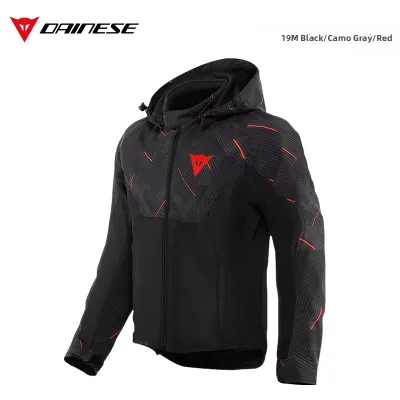
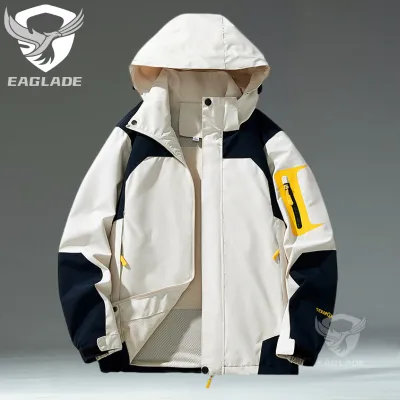
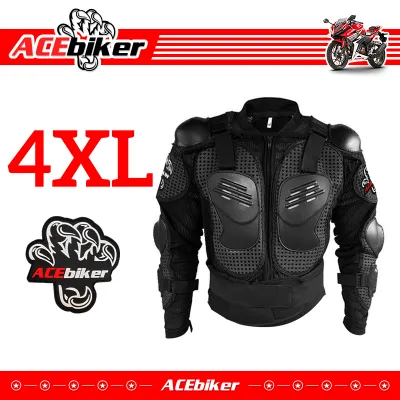
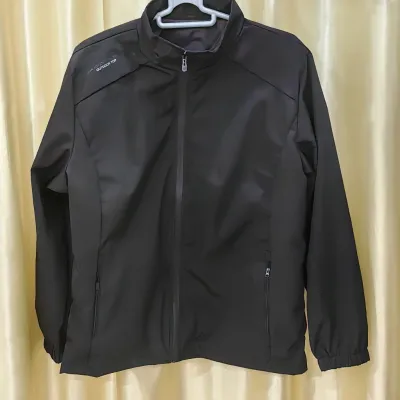
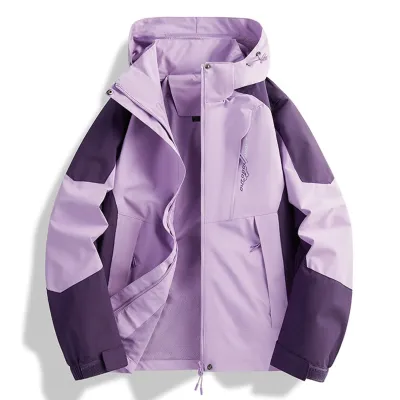
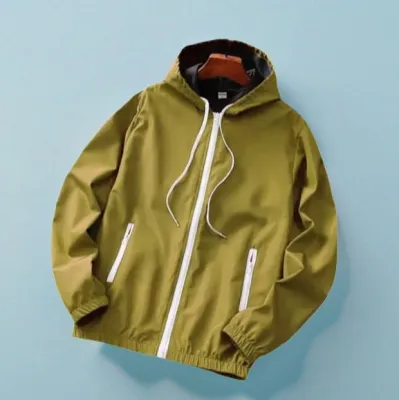

Prices are valid at publication and may change. Please refer to the product page for the latest price.
To solve this dilemma, manufacturers use hybrid or zoned construction. This design places heavy-duty, abrasion-resistant fabrics on the outer arms, shoulders, and upper back—the areas most likely to hit the ground first during a fall. Breathable mesh panels cover the chest, underarms, and lower back, where airflow is most effective for cooling your core.
Modern textile engineering has improved this balance by introducing high-tensile synthetic fibers that offer better tear resistance without adding excessive weight. However, no lightweight mesh can fully match the slide duration of heavy-duty leather, meaning riders must still choose their gear based on their specific risk tolerance and riding environment.
When choosing your balance, consider your typical riding environment. A daily commuter navigating slow, stop-and-go traffic in urban areas may prioritize larger mesh areas to prevent overheating at red lights. A rider frequently traveling on expressways or provincial highways at higher speeds should look for larger solid textile zones to handle high-velocity slides.
Key Features to Look for in a Tropical Riding Jacket
Selecting a motorcycle riding jacket for hot and humid weather requires looking beyond basic aesthetics. You need to identify specific structural elements designed to manage extreme heat while maintaining structural integrity during an impact.

A true tropical-specific jacket differs significantly from standard multi-season or touring gear. Instead of relying on heavy insulation or permanent waterproof membranes, it focuses on direct ventilation, lightweight construction, and secure armor placement that does not block wind.
Ventilation Systems and Mesh Panels
When inspecting a jacket, look closely at the size and placement of the mesh panels. Effective tropical jackets feature large mesh sections across the chest and down the inner sleeves to catch oncoming air, with matching exhaust panels on the back to let hot air escape.
The density of the mesh weave determines both its breathability and its tear resistance. A very open weave allows maximum breeze but may compromise safety, while a highly dense weave protects better but restricts airflow. Look for heavy-duty mesh, often labeled as high-tensile or reinforced mesh, which balances these needs.
Adjustable ventilation features add versatility. Some jackets include zippered intake vents on the shoulders or forearms alongside the main mesh panels, allowing you to fine-tune the airflow. This is particularly useful when riding early in the morning or climbing to cooler elevations.
Mesh quality varies widely across different price points. Check the stitching where the mesh meets the solid textile panels; these seams should be heavily reinforced, as they are common failure points under tension.
Armor and Impact Protection Standards
Ventilation keeps you comfortable, but armor protects your bones from impact. A quality warm-weather jacket must include dedicated pockets for impact protectors at the shoulders, elbows, and back.
Verify the safety certifications by checking the physical labels sewn inside the jacket or the tags attached to the armor inserts. Look for recognized standards, such as CE (Conformité Européenne) Level 1 or Level 2 ratings. Level 2 armor is generally thicker and absorbs more impact energy, though it can be slightly heavier and less flexible than Level 1.
Many jackets come equipped with a basic foam back pad that offers minimal impact protection. It is highly recommended to check if this pad is removable and upgrade it to a certified Level 1 or Level 2 back protector to ensure comprehensive spinal protection.
The armor must remain perfectly positioned to do its job. In lightweight mesh jackets, the fabric can stretch or shift easily. Ensure the jacket features adjustment straps on the sleeves to cinch the elbow armor tightly against your arm, preventing it from twisting away during a fall.
Consider the breathability of the armor itself. Many modern armor inserts feature perforated or lattice designs that allow air to flow directly through them, preventing hot spots on your shoulders and back.
Material Choices for Hot and Humid Climates
The base material of your motorcycle riding jacket dictates how it handles both friction and sweat. Most tropical jackets utilize synthetic textile blends, such as polyester or nylon, measured in denier (D). A higher denier rating, such as 500D or 600D, indicates thicker, more abrasion-resistant threads used in high-impact zones.
When reading product specifications, look for fabrics like Cordura or specialized high-density polyesters, which are engineered to provide superior slide protection compared to standard nylon. Checking these material details on the manufacturer’s official tags ensures you are buying a jacket designed for safety rather than just fashion.
Always check the manufacturer’s specifications and care labels to verify the materials used. Avoid heavy, non-perforated leather for daily tropical riding, as it acts as an insulator and can quickly lead to dehydration and heat exhaustion in slow-moving traffic. Perforated leather is an option for high-speed sport riding, but it remains heavier and less breathable than textile mesh.
Pay close attention to the inner lining of the jacket. A high-quality tropical jacket features a moisture-wicking, hypoallergenic mesh liner. This liner keeps the outer shell from sticking to your sweaty skin, reduces chafing, and helps sweat evaporate more quickly to cool your body.
Be cautious of jackets with permanent waterproof membranes. While sudden tropical downpours are common, a built-in waterproof layer blocks all wind, turning your jacket into a portable sauna. Instead, opt for a highly ventilated outer shell paired with a removable waterproof liner, or carry a separate lightweight rain jacket to wear over your gear when it pours.
Fit, Comfort, and Weather Adaptability
A motorcycle riding jacket can only protect you if it fits correctly. It should fit snugly against your body without restricting your movement or breathing. If a jacket is too loose, the wind will cause it to flap violently at high speeds, causing fatigue, and the protective armor may shift away from your joints during a crash.
To accommodate different body shapes and base layers, look for jackets with multiple adjustment points. Adjustable waist straps, sleeve cinches, and collar snaps allow you to customize the fit. Cinching the sleeves is especially critical to keep the elbow armor locked in place.
Weather adaptability is essential for riding in tropical regions where a sunny morning can instantly turn into a torrential afternoon rainstorm. A jacket with a removable windproof or waterproof inner liner offers the best of both worlds. You can ride with the liner removed for maximum cooling during the heat of the day, and quickly zip it in when the temperature drops or a rain shower begins.
When testing the fit, sit on your motorcycle or mimic your riding position. Ensure the sleeves are long enough to cover your wrists when reaching for the handlebars, and that the back of the jacket does not ride up too high, leaving your lower back exposed.
How to Verify Safety and Quality Before Buying
Before finalizing your purchase, perform a physical inspection of the jacket to ensure it meets basic quality and safety standards. Start by examining the stitching along the main seams. High-quality gear uses double or triple stitching with heavy-duty nylon thread, particularly around the shoulders, elbows, and the seams connecting mesh panels to solid textiles. Loose threads or uneven stitching are warning signs of poor quality control.
Check the zippers and fasteners. Zippers should operate smoothly without catching on the fabric, and main closures should feature sturdy pulls that are easy to grab with gloves on. Look for reputable zipper brands, as a broken main zipper renders the entire jacket useless.
Reflective elements are vital for safety during night rides or heavy rain when visibility drops. Look for retroreflective strips or piping on the chest, back, and sleeves that reflect headlight beams from other vehicles.
Always verify the manufacturer’s official sizing chart rather than relying on generic size labels, as sizing standards vary significantly between European, American, and Asian brands. If possible, try the jacket on with your typical riding shirt or base layer to ensure a perfect fit.
Frequently Asked Questions (FAQ)
Can I just wear a regular denim or windbreaker jacket instead?
While a regular denim jacket or windbreaker might feel lightweight and comfortable, they do not provide adequate protection on a motorcycle. Standard denim wears through in less than a second of sliding on asphalt, and synthetic windbreakers can melt from friction heat, causing severe burns. Dedicated motorcycle riding jackets use specialized abrasion-resistant fabrics and include impact-absorbing armor designed specifically to protect your body during a fall.
How do I clean and maintain a mesh riding jacket?
To maintain your jacket’s protective qualities and airflow, clean it regularly according to the manufacturer’s care label. Always remove all impact armor and removable liners before washing. Hand wash the outer shell in cool water using a mild liquid detergent, or use a gentle machine cycle if the label permits. Avoid bleach, fabric softeners, and high-heat dryers, as they can degrade synthetic fibers and weaken seams. Hang the jacket to air-dry in a well-ventilated area away from direct sunlight to prevent UV damage.
Community discussion
Share your experience or ask a question. Comments are reviewed before publication.