
Navigating the busy streets of Manila, Cebu, or Davao requires not only sharp riding skills but also the right protective gear. When you are commuting daily through unpredictable tropical weather, a lightweight and well-ventilated helmet is often a practical companion. Colloquially known in the local riding community as a “nutshell helmet,” these compact open-face or half-face helmets offer a balance of comfort, ease of use, and affordability. However, finding one that fits your budget while meeting safety standards requires a clear understanding of what to look for.
Choosing the right helmet is not just about picking an appealing design or finding the lowest price tag. In the Philippines, strict road safety laws mandate that every motorcycle rider wears a certified helmet. Whether you have a tight budget or are ready to invest in a premium model, verifying safety certifications and inspecting build quality are the most critical steps before making a purchase. This guide will help you navigate the local market, evaluate different budget tiers, and select a helmet that keeps you both legal and protected on the road.
Understanding Local Safety Certifications for Nutshell Helmets
In the Philippines, riding with an uncertified helmet is not only a major safety hazard but also a legal offense that carries heavy fines. The government regulates motorcycle helmets through the Department of Trade and Industry (DTI) to ensure they meet strict impact-absorption standards. When shopping for a nutshell helmet, the first things you must look for are the official safety marks: the Philippine Standard (PS) mark or the Import Commodity Clearance (ICC) sticker.
Products mentioned in this guide
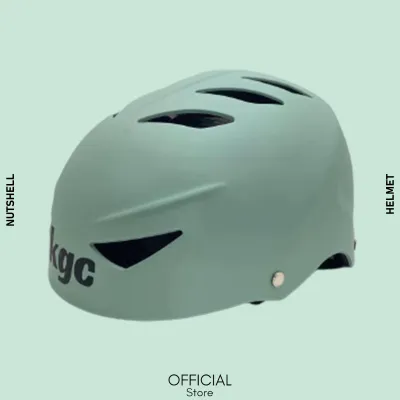
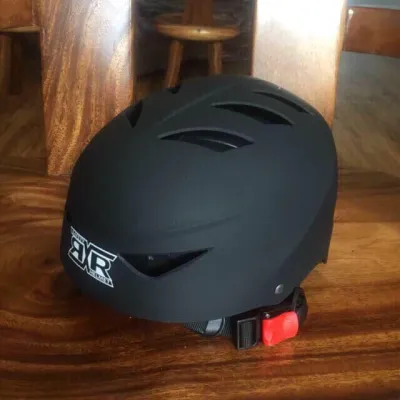
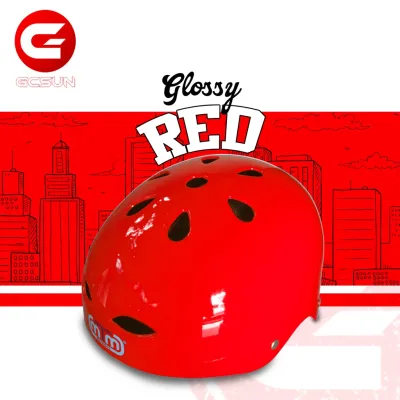
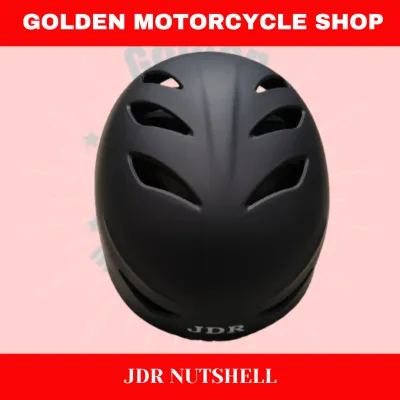
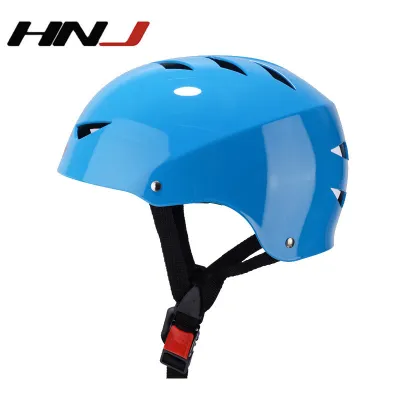
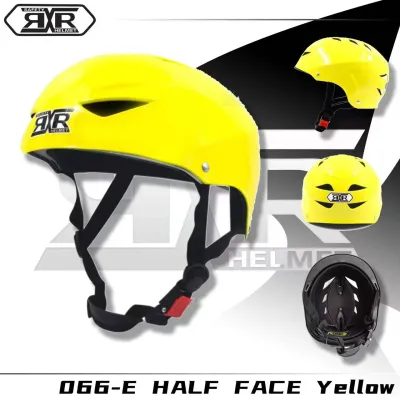
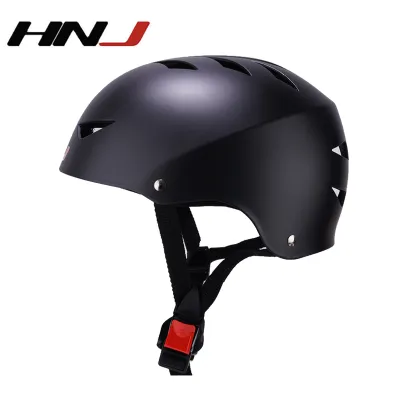
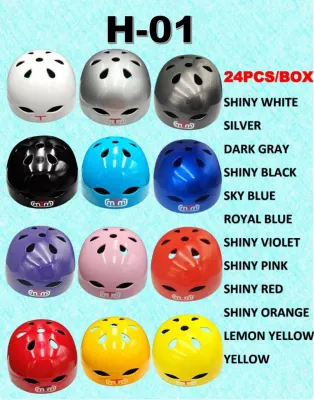
Prices are valid at publication and may change. Please refer to the product page for the latest price.
The PS mark is typically issued to locally manufactured helmets that have passed rigorous quality testing, while the ICC sticker is affixed to imported helmets that comply with international safety standards. These marks are usually found on the rear of the helmet shell, often protected by a clear laminate layer to prevent tampering. On authentic helmets, the ICC sticker features a unique serial number and holographic elements that shimmer when tilted under the light.
Using uncertified or counterfeit helmets poses severe risks. Substandard helmets often use cheap, brittle plastics for the outer shell and low-density packaging foam instead of proper impact-absorbing liners. In the event of a collision, these materials can shatter or compress instantly, transferring the force of the impact directly to your head. Additionally, traffic enforcers actively check for these stickers during routine roadside inspections, and riding without a valid, certified helmet can result in penalties and the confiscation of your license.
To verify the authenticity of an ICC sticker, you can check the serial number against the official registry of the Bureau of Philippine Standards (BPS). Many modern helmets also feature a QR code on the certification sticker that you can scan with your smartphone to verify the importer’s details and the specific model’s certification status. Taking a few minutes to perform this check before purchasing ensures that your helmet is a genuine piece of safety equipment rather than a cheap imitation.
Evaluating Nutshell Helmets Across Different Budget Tiers
The local helmet market offers options for every budget, ranging from highly affordable commuter options to high-end premium gear. Understanding what features and materials are standard in each price bracket helps you set realistic expectations and make an informed decision. Regardless of how much you spend, the helmet must carry a valid safety certification.

Entry-Level Budget
In the entry-level tier, which typically ranges from ₱800 to ₱1,500, you will primarily find basic open-face and half-face nutshell helmets. These models are designed for short city commutes and low-speed riding. The outer shells are usually made of standard ABS (Acrylonitrile Butadiene Styrene) plastic, which provides decent impact resistance but can be relatively heavy.
At this price point, the interior comfort liner is often basic and may not be fully removable for washing. The impact-absorbing layer consists of a single-density EPS (Expanded Polystyrene) liner. While these helmets offer essential protection, you must carefully inspect them to ensure they are not counterfeit. Avoid buying generic, unbranded helmets from roadside stalls that lack proper PS or ICC markings, as these do not offer real protection in a crash.
Mid-Range Budget
Moving up to the mid-range tier, which generally spans from ₱1,500 to ₱4,000, you will find a significant upgrade in comfort, versatility, and safety features. In this bracket, manufacturers offer refined open-face designs as well as entry-level full-face options. The outer shells still utilize ABS plastic, but the manufacturing processes are more refined, resulting in lighter weights and better structural integrity.
One of the most notable upgrades in mid-range helmets is the ventilation system. You can expect multiple intake and exhaust vents that help channel air through the helmet, which is incredibly beneficial during hot, humid afternoon rides. Additionally, these helmets often feature fully removable and washable inner liners made from moisture-wicking fabrics, allowing you to keep your gear fresh and odor-free. Many mid-range models also include a dual-visor system, featuring a drop-down inner sun shield to protect your eyes from intense glare.
Premium/Top-Tier Budget
For riders willing to invest ₱4,000 or more, the premium tier offers advanced materials and cutting-edge safety technologies. Helmets in this category often feature outer shells made from advanced fiberglass composites, Kevlar, or lightweight carbon fiber. These materials provide superior impact resistance while significantly reducing the overall weight of the helmet, minimizing neck strain during long rides.
The interior of a premium helmet utilizes multi-density EPS liners, which are engineered to absorb varying levels of impact energy more effectively than single-density liners. You will also find high-performance comfort liners with antibacterial treatments, emergency quick-release cheek pads for medical personnel, and highly efficient aerodynamic profiles designed in wind tunnels. Visor mechanisms in this tier are typically tool-less and quick-release, often featuring Pinlock-ready shields to prevent fogging during heavy downpours.
Essential Fit and Feature Checklist Before Purchasing
Even a certified helmet will fail to protect you properly if it does not fit your head correctly. Before finalizing your purchase, whether you are buying from a physical store or an online marketplace, you should run through a practical inspection checklist to ensure the helmet is safe, comfortable, and functional.
Crown, Cheeks, and Jawline Fit
A proper fit is a critical factor in helmet safety. When you put the helmet on, it should feel snug all the way around your head, with even pressure on your crown, forehead, and temples. There should be no painful pressure points, but the helmet should not move freely when you shake your head from side to side or nod up and down.
Your cheeks should be slightly compressed against the inner pads, creating what riders often call “chipmunk cheeks.” If you can easily slide your fingers between your forehead and the helmet liner, the helmet is too large. Remember that the inner padding will break in and compress slightly over the first few weeks of use, so a helmet that feels slightly tight in the store is usually the correct size.
Visor Quality and Optical Clarity
The visor is your primary shield against wind, dust, insects, and rain. Inspect the visor to ensure it offers excellent optical clarity without any distortion that could impair your vision. It should operate smoothly, locking securely into different positions, including a slightly cracked position for demisting in slow traffic.
Look for visors that are labeled as scratch-resistant and offer UV protection to shield your eyes from the harsh tropical sun. If you ride frequently during the rainy season, check if the visor is compatible with anti-fog inserts, which prevent condensation from blocking your view when humidity levels spike.
Inner Lining and Breathability
Given the hot and humid climate in the Philippines, a helmet’s inner lining plays a massive role in your daily comfort. Look for hypoallergenic, breathable fabrics that wick sweat away from your skin. A fully removable and washable liner is highly recommended, as it allows you to clean out sweat, oil, and dirt regularly, preventing skin irritation and unpleasant odors.
Chin Strap and Buckle Systems
The chin strap keeps the helmet secured to your head during an accident. Test the fastening mechanism to ensure it is easy to operate but locks securely. The two most common types are the double D-ring system and the micrometric quick-release buckle.
The double D-ring system is widely considered a highly secure fastening method because it requires manual adjustment every time you put the helmet on, ensuring a tight fit. Micrometric buckles, on the other hand, offer excellent convenience for daily commuting, allowing you to secure and release the strap quickly with one hand. Whichever system your helmet uses, ensure the strap is adjusted so that no more than two fingers can fit between the strap and your throat.
Safe Purchasing Channels and Avoiding Counterfeits
The popularity of nutshell helmets has unfortunately led to a flood of counterfeit and substandard products in the local market. Buying a fake helmet to save a few pesos is a dangerous compromise that can have life-altering consequences. To protect yourself, you must be vigilant about where and how you buy your riding gear.
Always prioritize purchasing from authorized physical dealers, official brand stores, or verified flagship stores on reputable e-commerce platforms. Authorized dealers are supplied directly by manufacturers or official distributors, guaranteeing that the products they sell are genuine and compliant with local safety standards. If you are buying online, look for sellers with high ratings, positive customer reviews with real photos, and official store badges.
Be highly suspicious of deals that seem too good to be true. If a helmet model that normally retails for ₱3,000 is being offered on an online marketplace for ₱800, it is almost certainly a counterfeit. Other red flags include poor print quality on the brand logos, misaligned graphics, flimsy plastic ventilation tabs, and a lightweight, hollow feel when you hold the helmet. Genuine certified helmets have a solid, substantial feel due to the high-density EPS liner inside.
Another critical step is to check the manufacturing date of the helmet. This information is typically printed on a small white label located under the comfort liner or stamped onto the chin strap. Helmet materials, particularly the EPS liner and the outer shell, degrade over time when exposed to heat, humidity, and UV radiation. Avoid buying old stock that has been sitting on a shelf for more than three or four years, as the protective capabilities of the materials may already be compromised even if the helmet has never been worn.
Frequently Asked Questions (FAQ)
Can I replace the visor on a Nutshell helmet myself?
Yes, you can generally replace the visor on a nutshell helmet yourself, provided the manufacturer designed it to be user-replaceable. Most modern mid-range and premium helmets feature a tool-less quick-release mechanism that allows you to swap visors in a matter of seconds by pulling a lever or pressing a release button on the side pods.
If your helmet uses a screw-on visor system, you will need to use the correct screwdriver or coin to loosen the pivot screws carefully. Always consult your helmet’s user manual before attempting a replacement, and use only official, certified replacement visors from the same brand. Using third-party, uncertified visors can result in poor fitment, wind noise, water leaks, or a visor that shatters easily upon impact.
How often should I replace my Nutshell helmet?
As a general rule of thumb, you should replace your motorcycle helmet every three to five years of regular use, or seven years from its manufacturing date, whichever comes first. Over time, exposure to sweat, hair oils, cosmetics, extreme heat, and UV rays gradually degrades the protective EPS liner and the outer shell, reducing the helmet’s ability to absorb impacts.
However, this timeline is completely void if the helmet is involved in any form of accident or dropped from a significant height onto a hard surface. The EPS liner is designed to compress and deform to absorb impact energy, and it can only do this once. Even if the outer shell looks perfectly fine after a fall, the internal protective foam may be crushed and useless. If your helmet takes a hard hit, you must replace it immediately to ensure your safety on the road.
Community discussion
Share your experience or ask a question. Comments are reviewed before publication.