
Finding a safe, road-legal motorcycle helmet in the Philippines does not require spending a fortune, but it does require verifying specific local safety marks. Every rider must look for either the Philippine Standards (PS) mark or the Import Commodity Clearance (ICC) sticker. These certifications guarantee that the helmet has undergone rigorous impact and penetration testing to protect your head during a collision. Whether you are looking at entry-level options or high-end carbon fiber models, ensuring these stickers are genuine is the absolute first step before evaluating comfort, style, or extra features.
Understanding PSB and ICC Safety Certifications
Navigating the legal and safety requirements for riding gear in the Philippines begins with understanding local certification marks. The Philippine Standards Board (PSB) and the Import Commodity Clearance (ICC) system are the two primary regulatory frameworks managed by the Bureau of Philippine Standards. These systems ensure that every helmet sold in the local market meets strict safety thresholds designed to withstand real-world crash forces. While the PSB mark is typically issued for locally manufactured helmets or specific long-term certified brands, the ICC sticker is applied to imported helmets that have successfully passed customs verification and batch testing.
An authentic ICC or PSB sticker features distinct visual characteristics that help riders distinguish genuine safety gear from substandard counterfeits. Genuine stickers are designed with holographic elements that shift color and reflect light when tilted. They also display a unique serial number printed in a clean, high-resolution font, which corresponds to the specific import batch or manufacturing run. Furthermore, these stickers are manufactured using tamper-evident materials; attempting to peel them off will cause the sticker to tear or leave a distinct pattern behind, preventing unscrupulous sellers from transferring genuine marks onto uncertified helmets.
Products mentioned in this guide
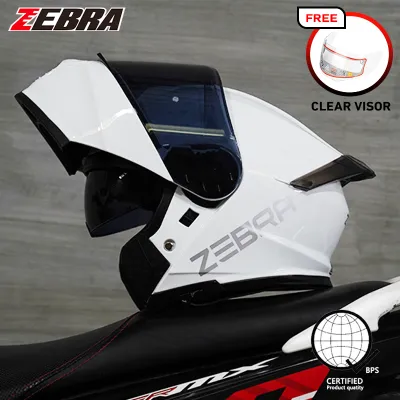
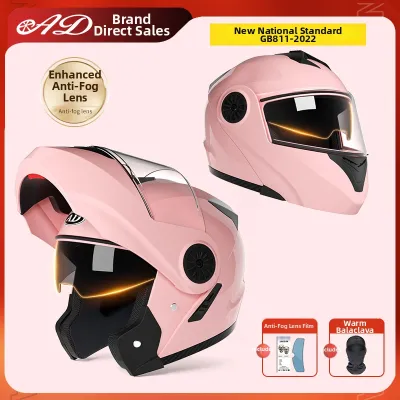
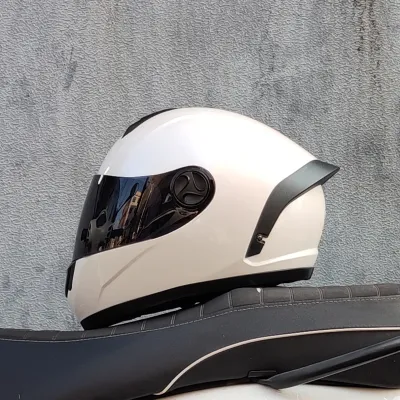
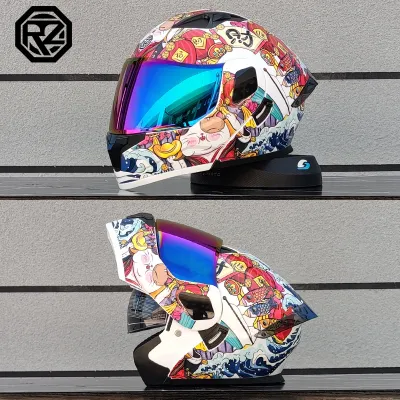
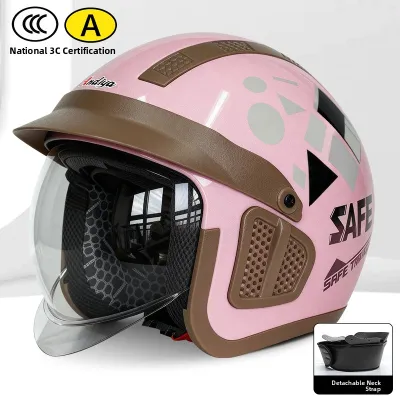
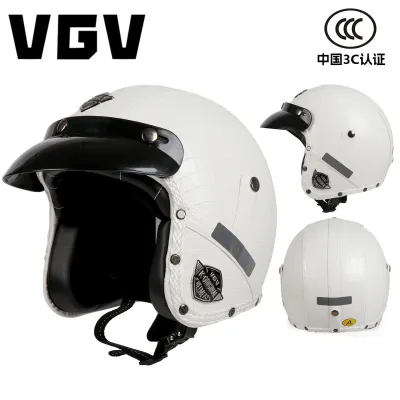
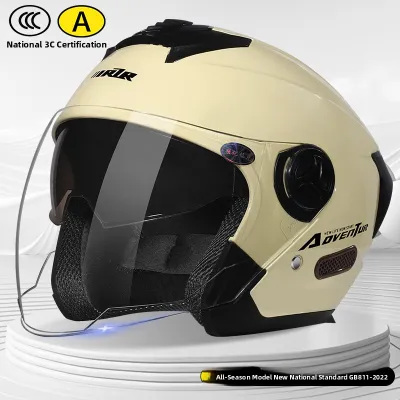
Prices are valid at publication and may change. Please refer to the product page for the latest price.
Relying solely on international safety standards like the United States DOT (Department of Transportation) or European ECE ratings can lead to unexpected legal complications on Philippine roads. While these foreign certifications indicate high-quality engineering, local traffic laws specifically mandate the presence of a physical PSB or ICC sticker. During routine checkpoints conducted by the Land Transportation Office (LTO) or local traffic enforcers, riding with a helmet that lacks these local markings can result in hefty fines, vehicle impoundment, or confiscation of your driver’s license. Therefore, even if you purchase a premium helmet certified abroad, you must verify that it carries the official local sticker before taking it out on public roads.
Aligning Your Budget with Helmet Features
Setting a realistic budget for a motorcycle helmet involves balancing financial constraints with your specific riding needs. In the Philippines, helmet prices generally fall into three distinct tiers: budget-friendly options under ₱3,000, mid-range selections from ₱3,000 to ₱8,000, and premium models exceeding ₱8,000. It is crucial to understand that a higher price tag does not necessarily mean a helmet is fundamentally safer in a basic crash; rather, the increased cost reflects lighter materials, advanced aerodynamics, enhanced ventilation, and superior comfort features. Every helmet, regardless of its price tier, must meet the exact same baseline PSB or ICC safety requirements to be legally sold and used on the road.

Budget-Friendly Tier: Essential Compliance
Riders shopping within the budget-friendly tier can expect reliable, no-frills protection that meets all local safety mandates. Helmets in this price range are almost exclusively constructed with Acrylonitrile Butadiene Styrene (ABS) plastic outer shells paired with a standard single-density Expanded Polystyrene (EPS) inner liner. While ABS plastic is highly durable and excellent at absorbing impact energy, it is inherently heavier than composite materials, which can lead to noticeable neck fatigue during prolonged rides.
Essential features in this tier are straightforward, focusing on basic functionality. You will typically find a single clear polycarbonate visor, a standard micrometric quick-release chin strap, and basic top and chin ventilation ports. The primary trade-offs for this affordability include a heavier overall weight, simpler interior padding that may not be fully removable for washing, and higher levels of wind noise when traveling at highway speeds. However, for daily city commuting and short-distance trips, these helmets offer excellent value without compromising on legal compliance or baseline physical protection.
Mid-Range Tier: Comfort and Durability
Stepping up to the mid-range tier introduces significant improvements in both material quality and daily usability. Helmets in this category often utilize advanced polycarbonate or lightweight thermoplastic shells, which help reduce overall weight while maintaining excellent structural integrity. Additionally, manufacturers in this price bracket frequently employ multi-density EPS liners, which are engineered to absorb and distribute impact forces more efficiently across different areas of the helmet.
Comfort upgrades are highly noticeable in the mid-range tier, making them ideal for riders who spend hours on the road. Interior liners are typically made from moisture-wicking, hypoallergenic fabrics that are fully removable and washable—a critical feature for maintaining hygiene in the hot and humid Philippine climate. Visor systems also receive upgrades, often featuring scratch-resistant coatings, integrated drop-down inner sun visors to combat intense tropical glare, and preparation for anti-fog inserts like Pinlock lenses, which prevent the visor from misting up during sudden afternoon downpours.
Premium Tier: Advanced Materials and Aerodynamics
The premium tier is designed for daily commuters, touring enthusiasts, and sport riders who demand the absolute best in material science and engineering. Helmets in this category are constructed using advanced composite materials such as fiberglass, Kevlar, or pure carbon fiber. These materials offer an exceptional strength-to-weight ratio, resulting in an incredibly lightweight helmet that significantly reduces neck strain during long-distance journeys while providing superior impact dispersion.
In addition to high-end shell construction, premium helmets feature advanced safety and convenience technologies. These include emergency quick-release cheek pads that allow medical personnel to safely remove the helmet in the event of an accident, highly optimized multi-channel ventilation systems that maximize airflow, and secure double-D ring retention systems. Furthermore, these helmets undergo extensive wind-tunnel testing to optimize their aerodynamic profile, which minimizes wind drag, prevents helmet lift at high speeds, and drastically reduces ambient wind noise inside the cabin.
Evaluating Specifications Within Your Price Range
Once you have established your budget, comparing specific helmet models requires a systematic evaluation of key technical specifications. The first and most critical factor is fit and retention. A helmet must fit snugly around your entire head, pressing gently against your cheeks without creating painful pressure points on your forehead or temples. When you shake your head side to side, the helmet should not shift independently of your skin. Additionally, you must evaluate the retention system: micrometric quick-release buckles offer convenient, one-handed operation for daily city commuting, whereas double-D ring systems provide a more secure, customizable fit that is highly resistant to pulling forces, making them the preferred choice for high-speed riding.
Visor quality and optical clarity are equally vital for maintaining situational awareness on busy roads. Look for visors rated for Class 1 optical clarity to prevent visual distortion, which can cause eye strain and headaches during long rides. UV protection is another essential feature to shield your eyes from intense tropical sunlight. Before purchasing, always check the availability and cost of replacement visors and visor mechanisms at local shops, as a damaged visor clip should not render your entire helmet unusable.
Given the tropical climate of the Philippines, ventilation is a critical safety feature rather than a mere luxury. A poorly ventilated helmet traps heat and humidity, leading to rapid rider fatigue and fogged visors. Assess the physical intake vents on the chin bar and forehead, ensuring they are easy to open and close even while wearing gloves. These should be paired with rear exhaust vents that utilize low-pressure zones to actively pull hot air out of the helmet, keeping your head cool during heavy traffic.
Finally, consider the physical weight and balance of the helmet. While a lighter helmet is generally more comfortable, the way the weight is distributed is just as important. A front-heavy helmet will constantly pull your head forward, straining your neck muscles during stop-and-go city riding. When trying on a helmet, pay close attention to how it balances on your head; a well-balanced helmet will feel significantly lighter than its actual weight on a scale.
Verifying Authenticity Before Purchase
With the rise of counterfeit riding gear, verifying the authenticity of a helmet before finalizing your purchase is essential for your physical safety. Start by conducting a thorough physical inspection of the PSB or ICC sticker. Genuine stickers feature crisp, high-resolution printing, clear holographic patterns that shift dynamically under direct light, and unique serial numbers that do not repeat across different helmets. If the sticker appears blurry, lacks a holographic effect, or is easily peeled off without tearing, the helmet is likely a counterfeit and should be avoided.
Beyond the sticker, the overall build quality of the helmet provides immediate clues about its authenticity. Inspect the stitching on the chin strap and comfort liner; genuine certified helmets feature neat, heavy-duty stitching with no loose threads. Test the visor mechanism to ensure it operates smoothly and locks securely into place. You should also inspect the EPS liner by removing the comfort padding; the foam should feel firm, dense, and uniform, rather than soft, crumbly, or easily compressed like cheap packaging material.
When shopping on online marketplaces or ecommerce platforms, verifying seller credentials is your first line of defense. Always purchase from official brand flagship stores or highly rated, authorized local distributors. Read through verified customer reviews, paying close attention to photos uploaded by previous buyers to confirm the presence of genuine ICC or PSB stickers. Avoid listings that feature suspiciously low prices, as high-quality safety gear cannot be manufactured or certified at a fraction of its standard market cost.
If you receive a helmet from an online purchase and suspect it is counterfeit or fails your physical quality check, do not use it on the road. Keep all original packaging, tags, and documentation intact. Take clear, high-resolution photographs and videos of the suspicious markings, loose stitching, or defective components. Immediately initiate a return or exchange request through the platform’s buyer protection program, citing safety concerns and counterfeit goods as the primary reason for the return.
Frequently Asked Questions (FAQ)
Can I use a DOT-certified helmet instead of PSB/ICC in the Philippines? (FAQ)
While a DOT (Department of Transportation) certification indicates that a helmet meets rigorous safety standards established in the United States, it does not grant automatic legal compliance on Philippine roads. Local traffic regulations specifically mandate the use of helmets carrying official PSB or ICC stickers. To ride legally, you must ensure that your imported DOT-certified helmet has been officially cleared and stickered by an authorized local distributor or the Bureau of Philippine Standards.
Do PSB/ICC certifications apply to both full-face and open-face helmets? (FAQ)
Yes, local safety certification requirements apply to all legal motorcycle helmet styles, including full-face, open-face, modular, and dual-sport designs. Every style must pass the relevant impact and penetration tests to receive a PSB or ICC sticker. However, while both styles can be certified, full-face helmets offer significantly superior physical protection for your chin, jaw, and face in the event of a collision.
How often should I replace my certified motorcycle helmet? (FAQ)
As a general safety guideline, you should replace your motorcycle helmet every three to five years, even if it has never been involved in an accident. Over time, exposure to sweat, hair oils, cosmetics, UV rays, and extreme tropical heat gradually degrades the protective EPS liner and outer shell materials. Furthermore, you must replace your helmet immediately after any significant impact or drop, as the EPS liner is designed to deform once to absorb impact energy and cannot protect you a second time.
Community discussion
Share your experience or ask a question. Comments are reviewed before publication.