
Navigating the busy streets of Manila, Cebu, or Davao requires not just riding skill, but also reliable protective gear that can withstand both the tropical heat and sudden downpours. Choosing a half-face motorcycle helmet in the Philippines means balancing daily comfort with strict safety standards. To make an informed decision, you must look beyond aesthetic appeal and focus on official safety certifications—specifically the Philippine Standard (PS) and Import Commodity Clearance (ICC) marks. By understanding what features are available at different budget tiers, you can find a compliant helmet that protects your head without straining your finances.
While full-face helmets offer the maximum level of coverage, many daily commuters prefer the half-face or open-face design for its superior ventilation, wider field of view, and ease of communication. However, the convenience of a lighter helmet should never come at the expense of structural integrity. Ensuring your gear carries a legitimate safety mark is the first and most crucial step before you ever hit the starter button.
Understanding PSB and ICC Certification for Motorcycle Helmets
In the Philippines, motorcycle helmets are legally required to meet stringent safety standards established by the Bureau of Philippine Standards, an agency under the Department of Trade and Industry. These standards ensure that any helmet sold in the local market can absorb and distribute impact forces effectively during a collision. The two primary marks you will encounter are the Philippine Standard quality mark and the Import Commodity Clearance sticker.
Products mentioned in this guide
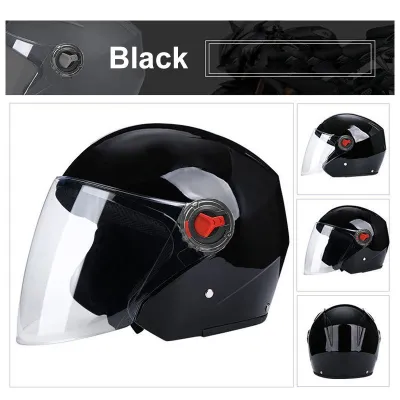
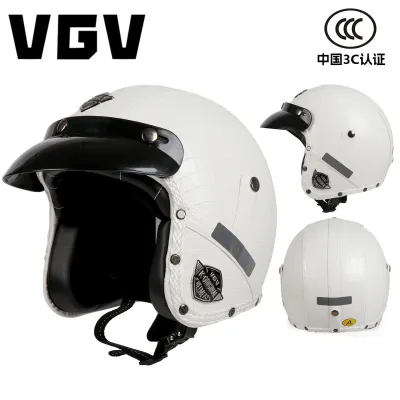
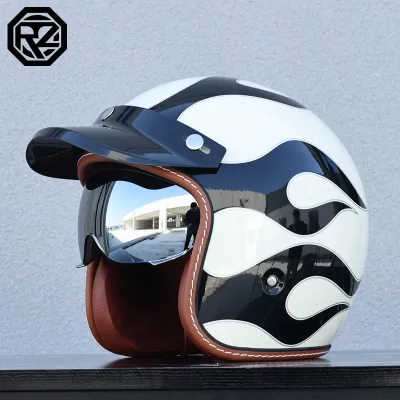
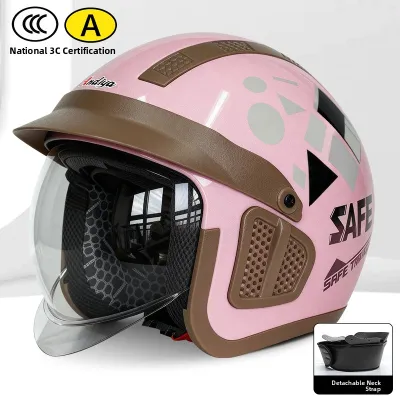
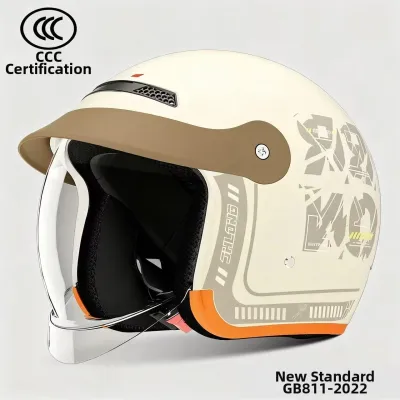
Prices are valid at publication and may change. Please refer to the product page for the latest price.
The PS mark is typically issued to helmets manufactured locally, certifying that the production facility and the products themselves undergo regular quality audits. Conversely, the ICC sticker is affixed to imported helmets that have successfully passed verification testing upon arrival in the country. Both marks serve the same fundamental purpose: they guarantee that the helmet has been constructed to resist penetration, maintain its retention system under load, and absorb shock according to national safety protocols.
Visually inspecting a helmet for authentic certification labels requires a keen eye. Genuine ICC stickers are holographic, meaning they reflect a rainbow spectrum when tilted under direct light, and they feature a unique, traceable serial number. They are designed to be tamper-evident; attempting to peel off a real sticker will cause it to tear or self-destruct, preventing sellers from transferring legitimate marks onto substandard helmets.
To verify the credentials of a helmet brand or importer, you can consult the official databases maintained by the Department of Trade and Industry. Legitimate manufacturers and authorized distributors keep updated records of their import clearances and standard compliance certificates. Checking these resources online before making a purchase helps ensure that the specific model you are considering is fully authorized for road use.
What to Expect at Different Price Points
When shopping for a certified half-face helmet, your budget will largely dictate the materials, weight, and overall refinement of the product. It is a common misconception that cheaper helmets are inherently unsafe; in reality, any helmet carrying a genuine PS or ICC mark has passed the same baseline safety tests. The differences across price points lie primarily in user comfort, long-term durability, and advanced convenience features.

As you move from entry-level options to premium models, manufacturers utilize more sophisticated shell materials and manufacturing techniques. These upgrades reduce the physical strain on your neck during long rides and improve how the helmet handles wind noise and tropical humidity. Understanding these tiers allows you to allocate your funds to the features that matter most for your daily riding conditions.
Entry-Level Budget Options
Entry-level half-face helmets are designed for riders who need reliable, certified protection at the most accessible price point. These models almost exclusively utilize standard thermoplastic or ABS (Acrylonitrile Butadiene Styrene) shells. While ABS is highly impact-resistant and tough, it requires a thicker construction to achieve the necessary strength, making these helmets slightly heavier than their high-end counterparts.
Inside an entry-level helmet, you will find a single-density Expanded Polystyrene liner designed to absorb impact energy. The retention systems are usually straightforward, featuring either a classic double D-ring or a plastic micrometric quick-release buckle. Visors on these models are typically basic, clear polycarbonate sheets that provide standard wind protection but may lack advanced optical refinement.
The primary compromises in this budget tier involve ventilation and long-term comfort. The interior padding is often fixed or only partially removable, making thorough cleaning difficult after sweaty rides in hot weather. Additionally, the ventilation ports are usually basic, which can lead to heat buildup when idling in heavy traffic.
Mid-Range Budget Options
Mid-range half-face helmets represent the sweet spot for daily commuters who ride consistently and require a higher level of comfort. In this tier, manufacturers often upgrade the shell material to advanced polycarbonate blends. These materials offer excellent impact resistance while allowing for a slightly thinner, lighter shell design that reduces neck fatigue.
A significant upgrade in the mid-range category is the inclusion of multi-density EPS liners, which are engineered to manage both high-speed and low-speed impacts more progressively. The interior comfort liners are almost always fully removable and washable, allowing you to maintain hygiene easily despite the humid tropical climate.
Visors in this category frequently feature anti-scratch coatings and improved optical clarity, reducing distortion across your field of view. Airflow management is also noticeably better, with designed intake and exhaust vents that actively draw hot air out of the helmet shell, keeping your head cooler during midday rides.
Premium Budget Options
Premium half-face helmets are engineered for riders who prioritize lightweight performance, advanced aerodynamics, and high-end convenience features. The shells in this tier are often constructed from advanced composite materials, such as fiberglass, aramid fibers, or carbon fiber blends. These materials provide exceptional structural strength while significantly lowering the overall weight of the helmet.
The interior of a premium helmet features high-performance, moisture-wicking fabrics that dry quickly and resist odor-causing bacteria. The aerodynamic profiling of the shell is carefully sculpted to minimize wind buffeting and lift at higher speeds, resulting in a much quieter and more stable riding experience.
Convenience features are abundant in premium models, often including integrated, drop-down inner sun visors that shield your eyes from intense tropical glare without requiring a visor swap. You will also find quick-release visor mechanisms that allow for toolless replacement, dedicated cutouts for Bluetooth communication speakers, and highly adjustable ventilation systems.
Key Features to Evaluate Before Checkout
Before finalizing your purchase, performing a physical inspection and fitment check is essential to ensure the helmet will perform correctly in an emergency. The most critical factor is the fit; a helmet that is too loose can shift during an impact, while one that is too tight will cause painful pressure points. Use a flexible measuring tape to measure the widest part of your head, about two centimeters above your eyebrows, and compare this measurement to the manufacturer’s specific sizing chart.
When trying on the helmet, it should feel snug all the way around your head, pressing gently against your cheeks without causing sharp pain on your forehead or temples. Fasten the chin strap and try to roll the helmet forward off your head; if it slips off or shifts significantly, the size is too large. Remember that the interior padding will compress slightly over the first few weeks of use, so a snug initial fit is desirable.
Next, evaluate the optical quality of the visor by looking through it at straight lines in your environment. If the lines appear warped or wavy, the visor has optical distortion that can cause eye strain and headaches during extended rides. Ensure the visor mechanism operates smoothly and locks securely into place, and check that the rubber gasket around the eyeport creates a tight seal to prevent rainwater from leaking inside during sudden downpours.
Finally, inspect the retention system thoroughly. The chin strap should be securely anchored to the helmet shell with metal rivets, and the buckle mechanism must engage cleanly and lock without slipping. If the helmet uses a micrometric buckle, practice releasing it with one hand to ensure you can operate it easily, even while wearing riding gloves.
Red Flags and Purchasing Traps to Avoid
As you search for the right half-face helmet, being aware of common purchasing traps can save you from acquiring unsafe or counterfeit gear. The most prevalent risk in the local market is the presence of counterfeit safety stickers. Be highly suspicious of sellers who offer to sell ICC stickers separately or those whose helmets feature stickers that are crooked, poorly printed, or lack the characteristic holographic depth.
Another critical trap is purchasing used or second-hand helmets. While a pre-owned helmet might look pristine on the outside, the internal EPS liner degrades over time due to exposure to sweat, hair oils, and ultraviolet radiation from the sun. More importantly, EPS is designed to compress permanently upon impact to absorb energy; even a minor drop onto a hard surface can compromise this liner without leaving any visible marks on the outer shell.
Lastly, avoid purchasing helmets from unauthorized online sellers or unverified listings on ecommerce platforms. These sellers often bypass official distribution channels, meaning they cannot guarantee the authenticity of the product, nor can they provide valid warranty support or replacement parts like visors and cheek pads. Stick to official brand stores or established local motorcycle accessory shops to ensure your investment is genuine and fully backed by the manufacturer.
Frequently Asked Questions (FAQ)
Are half-face helmets as safe as full-face helmets if they have a PSB/ICC mark?
Half-face helmets with a legitimate PS or ICC mark meet the required national safety standards for the specific areas of the head they cover, including the crown, sides, and back. However, they do not offer the same level of overall protection as a full-face helmet. Because half-face designs lack a chin bar, they leave your jaw, teeth, and face exposed to direct impact during a collision. While they are legally compliant and highly convenient for low-speed city commuting, they inherently provide less physical coverage than a full-face alternative.
Can I replace the visor on a budget half-face helmet with an aftermarket tinted one?
While replacing a damaged visor is standard maintenance, installing aftermarket tinted visors requires caution. Under local regulations, riders must maintain clear, unobstructed vision, especially during night riding or heavy rain when visibility drops significantly. Using heavily tinted or mirrored visors during low-light conditions is hazardous and may lead to traffic citations. Furthermore, using non-original aftermarket visors that do not match the manufacturer’s specifications can result in a poor fit, compromising the visor’s retention during an impact or allowing water and wind to enter the helmet.
Community discussion
Share your experience or ask a question. Comments are reviewed before publication.