
Finding a suitable radiator cover for your Yamaha Aerox V2 in the Philippines requires balancing aesthetic appeal, physical protection, and engine cooling performance. The Yamaha Aerox V2, known for its liquid-cooled engine, relies heavily on its radiator to maintain optimal operating temperatures, especially during long commutes in heavy urban traffic or under the intense tropical heat. While an aftermarket radiator cover can shield the delicate aluminum fins from flying gravel, road debris, and mud, selecting the right one requires careful evaluation of fitment, airflow design, and material quality to prevent engine overheating. This guide provides the criteria and safety checks needed to make an informed purchase.
Understanding the Trade-Offs: Protection vs. Cooling Efficiency
The primary function of a radiator cover is to act as a physical shield. As you ride along Philippine highways or unpaved roads, your front tire can kick up loose gravel, small stones, and hard-shelled insects directly into the radiator core. Over time, these impacts bend the fragile aluminum cooling fins, reducing the radiator’s ability to dissipate heat and potentially causing coolant leaks if a sharp stone punctures the tubes.
However, adding any barrier in front of the radiator inevitably alters the aerodynamics of the cooling system. The critical risk with aftermarket covers is airflow restriction. In a tropical climate where ambient temperatures frequently exceed 30°C, your engine relies on a continuous, high-volume stream of air passing through the radiator core to keep coolant temperatures within safe limits. A poorly designed cover with thick solid plates or restrictive decorative patterns can block airflow, leading to elevated engine temperatures, especially in stop-and-go traffic or hot climates.
Products mentioned in this guide
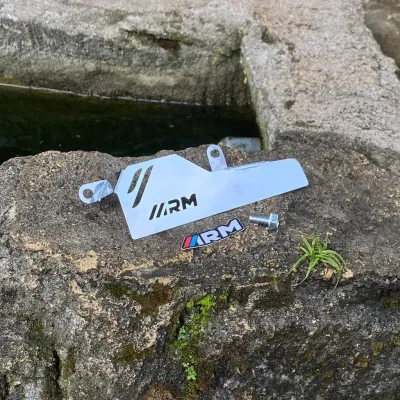
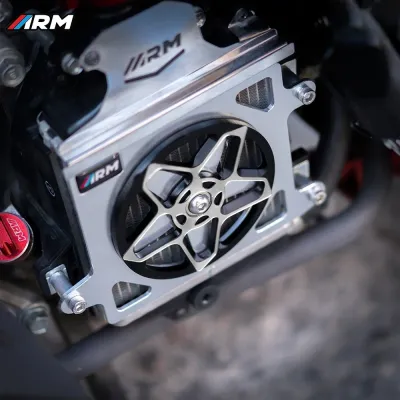
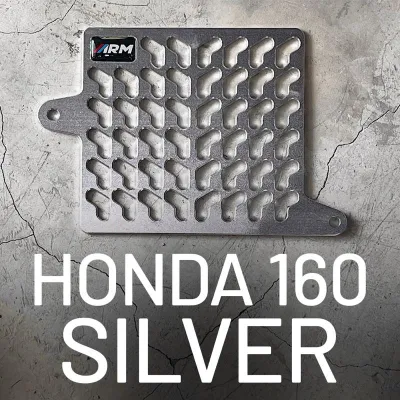
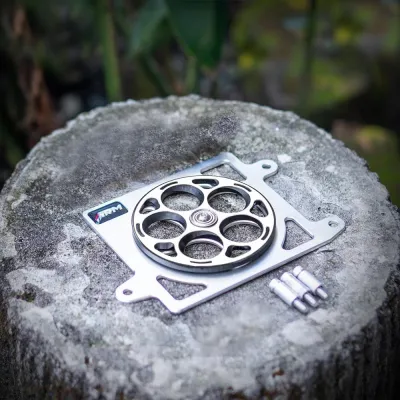
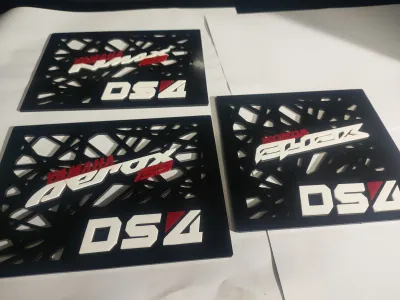
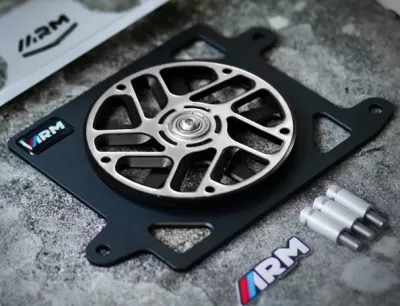
Prices are valid at publication and may change. Please refer to the product page for the latest price.
To mitigate this risk, you must prioritize radiator covers that feature open, high-flow designs. Look for patterns with generous slotting or wide mesh grids that maximize the open-area ratio while still blocking debris larger than a few millimeters. Solid metal plates with small, decorative cutouts might look appealing, but they often trap heat and force the radiator fan to run continuously, accelerating wear on your electrical system.
Monitoring your scooter’s dashboard is vital after installing any aftermarket cooling accessory. If you notice the temperature bar gauge rising higher than its usual operating level during your daily commute, or if the high-temperature warning light illuminates, you must pull over safely and allow the engine to cool. In such cases, the cover must be removed immediately to restore original airflow and prevent severe engine damage, such as a warped cylinder head or blown head gasket.
Core Selection Criteria for Aerox V2 Radiator Covers
Selecting a reliable radiator cover involves more than just picking an attractive design from an online catalog. To ensure your Yamaha Aerox V2 remains reliable, you must evaluate potential products across three main pillars: precise fitment, material durability, and airflow engineering.

A good cover should integrate seamlessly with the scooter’s existing bodywork and radiator housing. It must secure firmly to the factory mounting points without requiring you to drill into the frame, cut the plastic fairings, or make other irreversible modifications that could compromise the structural integrity of your vehicle.
Exact Fitment and Mounting Compatibility
When browsing aftermarket parts, always verify that the radiator cover is explicitly designed and labeled for the Yamaha Aerox V2. The Aerox V1 and V2 share many engine components, but their external fairing geometries, radiator shrouds, and mounting point configurations differ slightly. Attempting to force a V1 cover onto a V2 radiator can lead to improper alignment, leaving gaps where debris can enter or causing the cover to rub against the radiator core.
A properly engineered cover will utilize the existing factory bolt holes on the radiator assembly. Avoid products that rely on universal brackets, zip-ties, or adhesive strips, as these mounting methods can degrade quickly under the high heat of the radiator and the constant vibrations of daily riding. Secure bolt-on designs ensure the cover remains firmly in place even when traversing rough roads or hitting unexpected potholes.
Additionally, check the product specifications to see if the necessary mounting hardware, such as brackets, spacers, or longer bolts, is included or clearly specified in the product listing. Because aftermarket covers add thickness to the mounting area, using the stock factory bolts without spacers can sometimes compress the radiator housing or strip the threads. If the product listing does not clearly state that mounting hardware is included, you may need to source compatible stainless steel bolts and rubber dampers separately to prevent metal-on-metal vibration.
Material Properties and Build Quality
Aftermarket radiator covers for the Aerox V2 are typically manufactured from aluminum alloy, stainless steel, or ABS plastic. Each material presents distinct characteristics regarding weight, structural strength, and environmental resistance that you must weigh based on your typical riding conditions.
Aluminum alloy covers are highly popular because they are lightweight and offer excellent thermal conductivity, helping to dissipate heat away from the mounting points. Stainless steel covers provide superior structural strength and impact resistance against larger road debris, but they are heavier and can place additional stress on the plastic fairing mounts if not properly supported. ABS plastic covers are lightweight and immune to rust, but they may degrade or warp over time when exposed to extreme engine heat and intense UV radiation from the sun.
Given the high humidity, frequent monsoon rains, and coastal salt air in many parts of the Philippines, rust resistance is a critical factor for metal covers. Ensure the product description specifies a rust-resistant finish, such as anodized aluminum, powder-coated steel, or high-grade stainless steel. Uncoated or poorly painted mild steel covers will quickly develop rust, which can bleed onto your radiator fins and cause cosmetic and structural degradation.
Airflow Design and Debris Deflection
To maintain the cooling efficiency of your Aerox V2, you must visually analyze the grille or mesh pattern of any cover before purchasing. The ideal design features a high open-area ratio, meaning the physical gaps or slots make up a significantly larger percentage of the surface area than the solid metal or plastic frame.
The mesh size should strike a balance between protection and airflow. A mesh that is too fine, like a window screen, will quickly clog with road dust, mud, and small insects, acting as a solid wall that blocks air. Conversely, a grille with openings that are too large will allow common road gravel to pass through easily, defeating the purpose of the cover. Look for a medium-sized hexagonal or diamond mesh pattern that deflects damaging stones while allowing unrestricted air passage.
Be cautious of covers that feature large, solid decorative plates, brand logos, or heavy custom lettering directly in the center. The center of the radiator core is where the cooling fan draws the most air when the scooter is stationary or moving slowly in traffic. Avoiding covers with decorative solid logos or heavy plating that block the center of the radiator core is essential to prevent localized heat buildup.
Verifying Model Compatibility Before Purchase
Before committing to a purchase on any e-commerce platform, you must take active steps to verify that the radiator cover will fit your exact scooter variant. Do not rely solely on generic product titles that list multiple motorcycle models in a single string, as these are often auto-generated and can be highly misleading.
Start by cross-referencing the product description with your scooter’s specific model year and engine generation. If your Aerox V2 features aftermarket modifications, such as an upgraded exhaust system, custom crash guards, or modified side fairings, check whether these components occupy the space around the radiator housing. Some wide crash guards or custom exhaust headers run close to the radiator and may interfere with thicker aftermarket covers.
To avoid compatibility issues, use the messaging feature on online marketplaces to contact the seller directly. Ask them to confirm fitment specifically for the Yamaha Aerox V2 and request real-life installation photos from previous customers who have successfully mounted the cover on the same model. Seeing the product installed on an actual scooter can help you identify potential clearance issues with the fairings or coolant hoses.
Finally, always review the seller’s return and refund policies before finalizing your order. Even with careful research, minor manufacturing variances can result in misaligned bolt holes or warped brackets. Choosing a seller that offers a clear, hassle-free return policy ensures you can return the product if it does not align perfectly with your radiator during a physical inspection.
Safe Installation and Post-Install Monitoring
Modifying or adding accessories to your motorcycle’s cooling system carries inherent risks. Before beginning the installation, ensure you have the correct tools, a clean workspace, and that the engine is completely cold. Working on a hot engine can lead to severe burns from the radiator or hot coolant.
As a safety boundary, you must always refer to your Yamaha owner’s manual for specific instructions regarding the radiator assembly and fairing removal. If the installation of your chosen cover requires removing critical body panels, disconnecting electrical connectors, or loosening coolant hoses, and you do not have the proper mechanical experience or tools, you should have the cover installed by a qualified professional mechanic. Forcing a cover into place or overtightening bolts can crack the plastic radiator tanks or strip the mounting threads on the engine case.
During the installation process, perform a dry test-fit by aligning the cover with the mounting holes before inserting any bolts. The cover should sit flush against the mounting points without requiring you to bend, twist, or force the metal. If you must apply significant force to align the holes, the cover may be warped or designed for a different model year; do not proceed with the installation, as a forced fit can transfer engine vibrations directly to the radiator core, leading to stress cracks over time.
Once the cover is securely bolted on, you must perform a post-installation monitoring test before taking the scooter on the road. Start the engine and let it idle in a well-ventilated area while closely watching the temperature gauge on the dashboard. Monitor the scooter until the engine reaches its normal operating temperature and verify that the radiator cooling fan engages automatically. Let it run for several minutes to ensure the temperature remains stable and does not spike.
After the idle test, take the scooter for a short, low-speed test ride, continuing to monitor the temperature gauge. If you observe any abnormal temperature spikes, or if the cooling fan runs continuously without bringing the temperature down, park the scooter safely, let the engine cool completely, and remove the cover immediately. Never ignore an elevated temperature reading, as prolonged exposure to high heat can cause catastrophic engine failure.
Sourcing Options and Delivery Inspection
When sourcing a radiator cover for your Aerox V2 in the Philippines, online marketplaces offer a wide variety of designs, ranging from budget-friendly plastic guards to premium CNC-machined aluminum covers. While it can be tempting to select the lowest-priced option, prioritizing quality and seller reputation will save you from fitment headaches and potential engine damage.
Search for listings on reputable e-commerce platforms and filter the results by high seller ratings and positive customer feedback. Pay close attention to reviews that include physical photos and videos of the installed cover on an Aerox V2. These user-submitted images provide a realistic view of the product’s actual finish, material thickness, and alignment quality, which often differ from polished promotional renders.
Prices for radiator covers vary widely in ₱ depending on the material and manufacturing process. While budget options are widely available, investing slightly more in a cover with verified positive reviews and clear installation photos is highly recommended. A cheap, poorly stamped cover with sharp edges or misaligned holes can end up costing you far more in damaged radiator fins or stripped threads.
When your package arrives, perform a thorough unboxing inspection before attempting installation. Check the cover for any shipping damage, such as bent mesh, warped mounting brackets, or chipped paint that could expose raw metal to rust. Run your fingers carefully along the edges of the cover to check for sharp burrs; sharp metal edges can rub against and slice through nearby coolant hoses or electrical wiring harnesses over time due to engine vibration.
Verify that all promised mounting hardware, spacers, and rubber washers are present in the package. If everything is intact, proceed with a loose test-fit. Thread all bolts in by hand a few turns to ensure they align perfectly with the radiator holes before tightening them down to the manufacturer’s torque specifications.
Frequently Asked Questions (FAQ)
Will a radiator cover void my Yamaha warranty?
Installing an aftermarket radiator cover does not automatically void your entire motorcycle warranty under standard consumer protection practices. However, motorcycle warranties are conditional. If your engine experiences overheating or mechanical failure, and the dealership determines that the damage was directly caused by restricted airflow from an aftermarket cover, the repair costs for that specific failure may not be covered under warranty. To protect yourself, always consult your local authorized Yamaha dealership or carefully review your warranty booklet before installing any aftermarket cooling accessories.
How do I clean a radiator cover without damaging the radiator?
To clean your radiator cover safely, always wait until the engine is completely cool. Use a soft-bristled brush or a low-pressure garden hose to gently dislodge accumulated dust, mud, and insects from the mesh. Never use a high-pressure power washer directly on the radiator or the cover, as the intense water pressure can easily bend the delicate aluminum cooling fins behind the cover or force water into sensitive electrical connectors and sensors. If heavy mud or road grime is deeply embedded in the mesh, the safest approach is to remove the cover entirely, clean it thoroughly with mild soap and water, dry it completely, and then reinstall it.
Community discussion
Share your experience or ask a question. Comments are reviewed before publication.