
Riding a motorcycle at night in the Philippines presents unique challenges, from poorly lit provincial roads to sudden tropical downpours. To stay safe, a high-quality reflective vest is one of the most critical pieces of gear you can wear. Choosing the right vest requires balancing maximum night visibility with the intense heat and humidity of tropical climates. By focusing on retroreflective material quality, breathable mesh construction, and a secure fit that layers over your existing armor, you can ensure you remain highly visible to other motorists without sacrificing comfort.
Key Features to Look for in a Night Riding Vest
Retroreflective materials work by bouncing light directly back to its source, such as a car’s headlights, rather than scattering it. This optical property makes the rider appear exceptionally bright to oncoming traffic, even from a significant distance. When selecting a vest, understanding the technology behind these materials is essential for making an informed decision.
There are two primary types of retroreflective technologies used in safety gear: micro-prismatic and glass bead. Micro-prismatic tape utilizes tiny, man-made prisms sealed inside a durable plastic film. This design tends to return a higher percentage of light and performs exceptionally well in wet conditions because the outer plastic layer prevents water from disrupting the internal prisms. Glass bead technology, on the other hand, uses microscopic glass spheres embedded on the surface of the fabric. While highly reflective when dry, glass beads can lose some efficiency when covered in rainwater, which is an important consideration given the sudden downpours common in tropical regions.
Products mentioned in this guide
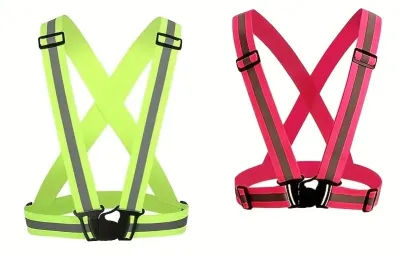
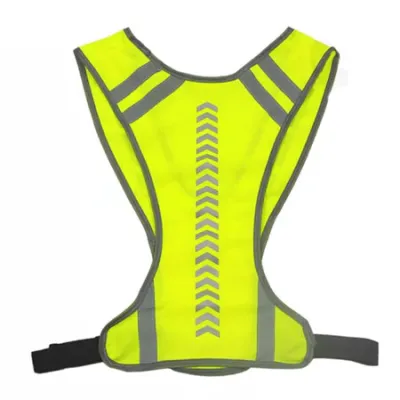
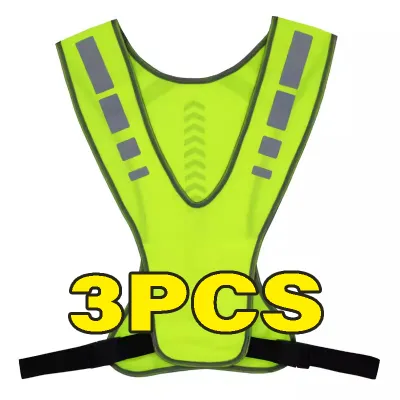
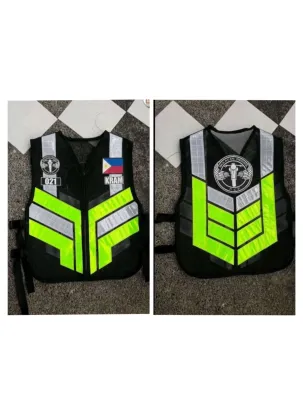
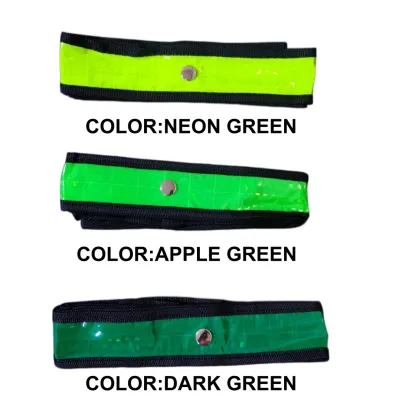
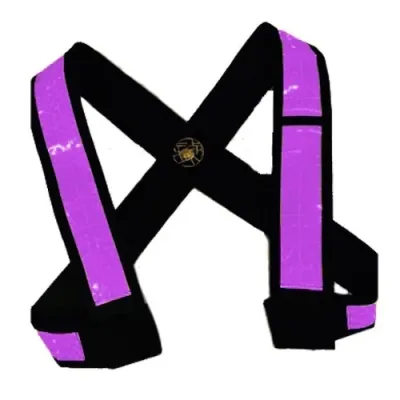
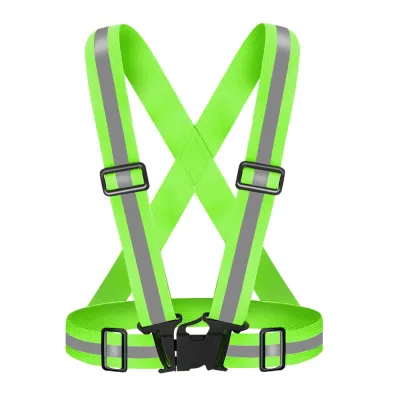
Prices are valid at publication and may change. Please refer to the product page for the latest price.
The width and placement of the reflective strips are just as critical as the material itself. Look for vests featuring reflective bands that are at least 50 millimeters wide. For true 360-degree visibility, these strips must be strategically positioned across the chest, back, shoulders, and waist. This specific layout ensures that whether a driver is approaching you from the front, rear, or side, they can immediately recognize your human form and movement on the road.
While retroreflective strips handle the pitch-black hours, fluorescent background fabrics are essential for the high-risk transitions of dusk and dawn. Colors like neon yellow-green or bright orange react with ultraviolet light to appear incredibly bright during overcast days or twilight hours. This dual-layer safety system provides continuous protection throughout your entire journey, regardless of changing light conditions.
Balancing Visibility and Comfort in Tropical Climates
The tropical climate of the Philippines demands careful material selection to prevent overheating. A heavy, solid-fabric safety vest can quickly turn into a personal sauna, trapping body heat and sweat. This discomfort can lead to rider fatigue, which directly compromises your reaction times and situational awareness on the road.

To combat this, look for vests that utilize high-airflow mesh panels. A hybrid design—featuring solid fluorescent fabric where the reflective strips are stitched and wide-open polyester mesh across the chest and back—offers the ideal balance. This setup allows wind to pass through freely, cooling your core as you ride through humid night air.
Moisture-wicking inner linings are another feature to verify before purchasing. Vests lined with soft, breathable mesh help pull sweat away from your body or your underlying riding jacket, preventing that sticky, uncomfortable feeling during long night tours.
Weight and bulk also play a significant role in long-distance comfort. A lightweight vest that folds down easily is much more likely to be worn consistently. Avoid overly stiff, rubberized materials that add unnecessary weight and restrict your natural riding posture, as they can cause shoulder and neck fatigue over hours of continuous riding.
Fit, Adjustability, and Layering Over Riding Gear
A reflective vest is only effective if it fits properly over your primary protective gear. It should never be worn directly over a t-shirt if you are riding without a protective jacket; instead, it must accommodate your armored mesh jacket, leather jacket, or textile touring gear.
Look for vests equipped with adjustable side straps or elastic expansion panels. These features allow you to customize the fit depending on what you are wearing underneath. For instance, you might need a looser fit when wearing a bulky armored jacket with a thermal liner, and a snugger fit when wearing a lightweight summer mesh jacket.
Secure closure systems are vital for high-speed stability. Heavy-duty zippers are generally preferred over simple Velcro strips for the main front closure, as zippers are less likely to burst open under wind pressure. If the vest uses Velcro, ensure it is industrial-grade and reinforced with stitching.
Pay close attention to how the vest interacts with your other gear. Ensure there is enough clearance so the vest does not interfere with your backpack straps, hydration packs, or the built-in shoulder and back protectors of your riding jacket. A vest that is too tight can compress your armor, reducing its protective capability, while a vest that is too loose will flap violently at highway speeds, causing distraction and premature wear.
How to Verify Safety Claims Before Buying
When browsing online marketplaces or local motorcycle shops, you will encounter countless vests claiming to be “ultra-bright” or “professional grade.” To avoid low-quality products that fail when you need them most, look for specific, verifiable safety standards on the product labels.
Standards such as EN ISO 20471 (the European standard for high-visibility clothing) or ANSI/ISEA 107 (the American equivalent) indicate that the vest has undergone rigorous testing for retroreflectivity, color fastness, and durability. While private riders in the Philippines are not always legally mandated to wear certified gear, choosing a vest that references these standards ensures you are getting genuine safety performance.
Examine the physical construction of the vest closely. Check the stitching around the edges of the reflective tape. High-quality vests use double-stitched seams to prevent the reflective material from peeling away after exposure to wind, rain, and sun. Avoid vests where the reflective elements are merely glued or heat-pressed onto the fabric, as these tend to crack and flake off after a few washes.
Be realistic about the price-to-quality ratio. While it is tempting to purchase the cheapest option available on an ecommerce platform, extremely low-priced vests (often costing under ₱150) frequently use cheap plastic strips that mimic the look of reflective tape but offer almost no retroreflectivity under headlight glare. Investing a bit more—typically in the range of ₱500 to ₱1,500—usually secures a vest with genuine, durable retroreflective materials and robust stitching that will last for years of night riding.
Maintenance and Care for Long-Lasting Reflectivity
The retroreflective elements on your safety vest are sensitive to improper cleaning, which can permanently dull their brightness. Always consult the manufacturer’s care label before washing your vest.
As a general rule, hand-washing in cool water is the safest method to preserve the reflective coatings. If you must use a washing machine, select a gentle cycle, place the vest inside a mesh laundry bag, and use a mild liquid detergent. Never use bleach, fabric softeners, or harsh chemical cleaners, as these substances can chemically break down the microscopic glass beads or plastic prisms.
Air-drying is essential. Never put your reflective vest in a high-heat clothes dryer, as the intense heat can warp, melt, or crack the reflective strips. Instead, hang the vest to dry in a well-ventilated indoor area away from direct, harsh sunlight.
Proper storage is just as important as washing. Avoid folding the vest tightly or stuffing it into a cramped under-seat compartment, as deep creases can fracture the retroreflective material. Instead, hang it flat on a hanger in your closet or roll it loosely if you need to pack it in a tail bag.
Frequently Asked Questions (FAQ)
Do I need a specific certification for a motorcycle reflective vest?
In the Philippines, there is no universal national law requiring private motorcycle riders to wear a vest certified to international standards like EN ISO 20471. However, local government units (LGUs) or specific expressways may occasionally implement localized ordinances regarding high-visibility gear, especially for commercial riders or during nighttime hours. It is always best to check the current guidelines of the Land Transportation Office (LTO) and your local municipality. Even without a strict legal mandate, choosing a certified vest is highly recommended because it guarantees the materials will actually perform under headlight glare, keeping you safe on dark roads.
Can I wear a reflective vest over a bulky riding jacket?
Yes, and you should always prioritize wearing your protective, armored riding jacket underneath your reflective vest. To ensure a proper fit, it is usually wise to size up when purchasing a reflective vest. If your standard jacket size is Medium, a Large or Extra-Large vest may be necessary to prevent the vest from binding or restricting your movement. Look for vests with adjustable side straps, hook-and-loop adjusters, or expandable zippered gussets. These features allow you to expand the vest’s circumference to fit snugly over bulky armor, ensuring you maintain a full range of motion while keeping the vest secure at high speeds.
Community discussion
Share your experience or ask a question. Comments are reviewed before publication.