
Finding a reliable disc brake lock for your motorcycle in the Philippines requires balancing physical compatibility, robust material construction, and resistance to the local tropical climate. With heavy monsoon rains, high humidity, and crowded public parking spaces in urban areas, a lock must do more than just resist physical attacks; it must also withstand corrosion and environmental wear. By focusing on verified pin dimensions, hardened steel alloys, and reliable locking cylinders, you can secure your motorcycle against opportunistic theft.
Key Security Features to Evaluate Before Buying
When shopping for a disc brake lock on local ecommerce platforms or at specialty motorcycle shops, the material composition is your first line of defense. Look for locks explicitly labeled as being made from hardened steel, steel alloys, or high-grade stainless steel. These materials are engineered to resist manual cutting tools, such as hacksaws and standard bolt cutters, which are commonly used in opportunistic theft attempts. A solid monoblock construction—where the lock body is cast from a single piece of metal rather than assembled from multiple parts—offers superior resistance to prying and hammer strikes. In the tropical climate of the Philippines, where coastal salt air and high humidity accelerate rust, choosing a lock with a corrosion-resistant coating, chrome plating, or a rubberized outer body is essential to prevent the metal from degrading over time.
The design of the lock cylinder determines how easily a thief can bypass the lock without using brute force. Disc detainer cylinders offer significantly higher resistance to picking and drilling compared to traditional pin-tumbler designs. These cylinders require a specialized key and are highly difficult to manipulate with standard lock-picking tools. When evaluating product specifications, check for features like a rotating keyway cover, which blocks dust and water from entering the cylinder, and built-in anti-drill plates that spin freely when a drill bit attempts to penetrate the lock. Avoid generic locks with simple, flat keys, as these can often be bypassed with basic tension tools.
Products mentioned in this guide
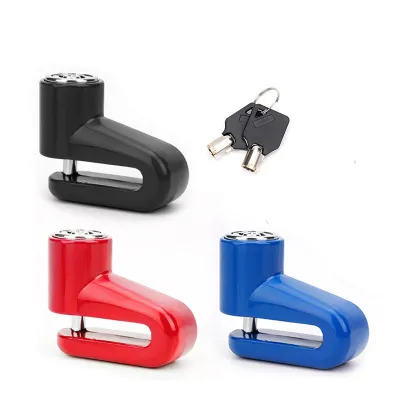
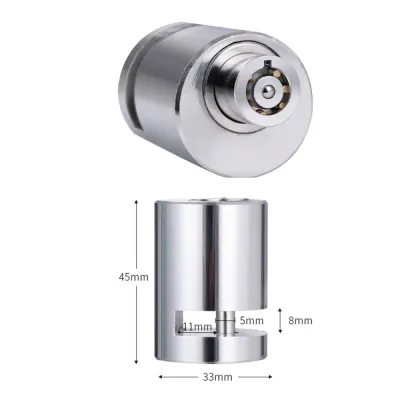
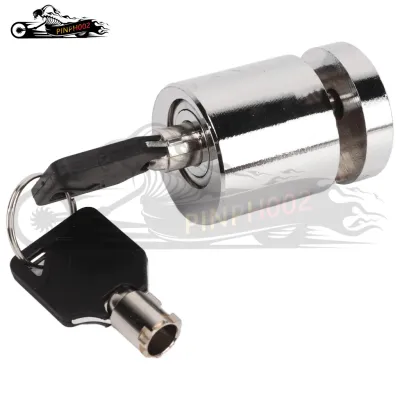
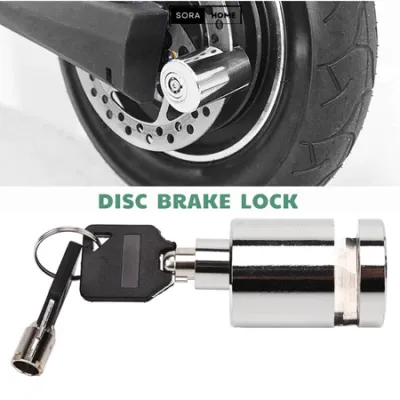
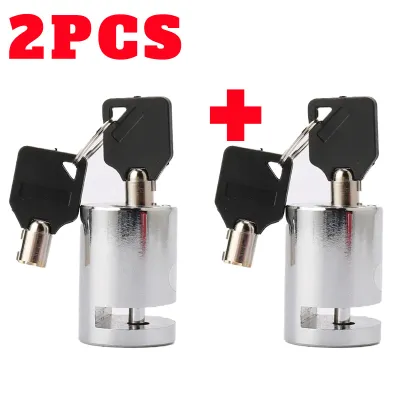
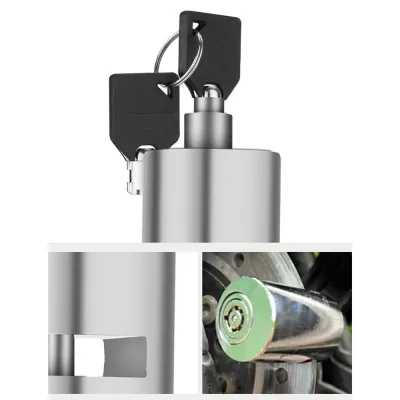
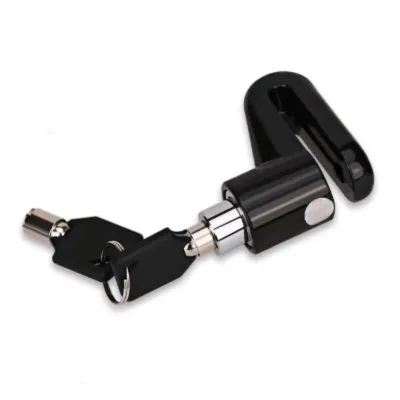
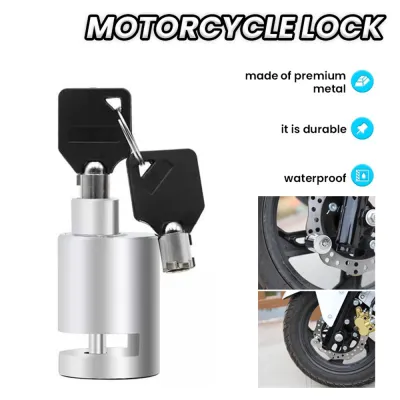
Prices are valid at publication and may change. Please refer to the product page for the latest price.
Alarm mechanisms add an active layer of security by drawing immediate attention to any unauthorized movement of your motorcycle. When comparing alarmed disc locks, look for decibel ratings on the product packaging, which typically range from 110 to 120 decibels. This volume is loud enough to be heard clearly even in noisy urban environments or busy parking structures. Additionally, verify how the motion sensors are calibrated; high-quality locks feature smart sensors that can distinguish between a thief attempting to move the bike and minor vibrations caused by heavy passing traffic or strong winds. The battery compartment must also be deeply recessed and secured with specialized screws that are only accessible when the lock is open, preventing a thief from quickly disabling the siren.
Visual deterrents and physical accessories play a crucial role in preventing both theft and accidental damage. A lock painted in bright, high-visibility colors like neon yellow, orange, or red serves as an immediate warning to potential thieves that your motorcycle is secured, often prompting them to move on. Furthermore, always look for packages that include a high-visibility reminder cable and a dedicated carrying pouch. The reminder cable loops from the lock to your handlebar, serving as a vital visual cue that prevents you from attempting to ride away with the lock still attached to your wheel.
Verifying Fitment and Matching Your Parking Scenario
Before purchasing any disc brake lock, you must verify that the physical dimensions of the lock match your motorcycle’s brake rotor. Use a vernier caliper or a simple ruler to measure the diameter of the cooling holes in your brake disc, as well as the thickness of the rotor itself. The lock’s pin diameter must be slightly smaller than the rotor holes to slide through easily, but snug enough to limit excessive movement. Common pin sizes range from 5mm to 14mm; choosing a pin that is too large means the lock will not fit, while a pin that is too small might allow too much play, potentially damaging the rotor if the bike is pushed.

In addition to the pin diameter, you must evaluate the lock’s throat depth. The throat depth is the distance from the locking pin to the inner back wall of the lock body. This measurement determines how far onto the brake disc the lock can slide. If the throat depth is too shallow, the pin may not align with any of the cooling holes on your rotor, rendering the lock unusable. Conversely, a throat depth that is too deep might allow the lock to slide too far inward, potentially coming into contact with the wheel spokes or the inner carrier of floating brake discs.
Your choice of lock should also align with your typical parking environments and daily routines. For quick stops at local convenience stores or short errands during the day, a compact, lightweight disc lock offers fast deployment and easy storage under your seat or in a pocket. However, if you regularly park your motorcycle overnight in unsecured residential areas or leave it for long hours in busy public transit hubs, a heavier, alarm-equipped lock is highly recommended. For maximum security in high-risk areas, consider combining a heavy-duty disc lock with a high-tensile chain anchored to an immovable object.
The physical limitations of your specific motorcycle type will dictate which lock designs are practical. Scooters and underbone motorcycles often have smaller wheels and compact brake rotors with limited clearance between the disc and the wheel hub. A bulky, heavy-duty lock might not fit in the tight space behind the caliper, making a compact lock with a shorter throat depth necessary. Conversely, larger adventure, sport, or touring bikes have spacious rotors that can easily accommodate thick, heavy-duty lock bodies with larger pin diameters. Always check the manufacturer’s fitment guide or physical clearance measurements before making a purchase.
Safe Installation, Daily Usage, and Maintenance Boundaries
Using a disc brake lock safely requires establishing a strict routine to prevent severe damage to your motorcycle and ensure your personal safety. Always mount the lock close to the brake caliper, preferably just ahead of it in the direction of forward wheel rotation. This positioning minimizes the momentum the bike can gather if you accidentally try to roll forward, reducing the impact force on your caliper, fork, and rotor. Never attempt to mount the lock while the brake discs are hot after a long ride, as the extreme heat can damage plastic components or trigger false alarms on alarmed models.
Never rely on memory alone to remember that the lock is installed on your wheel. Always use a brightly colored reminder cable stretched from the lock to your throttle grip every single time you secure your bike. This simple visual cue prevents ride-away accidents, which can bend your brake rotor, crack your caliper mount, or cause a sudden, dangerous fall right as you start moving. If you do accidentally attempt to ride off with the lock engaged, stop immediately and inspect your braking system for any signs of misalignment, cracks, or fluid leaks before continuing your journey.
When riding, always store your disc lock securely in an under-seat compartment, a tail box, or a dedicated mounting bracket. Avoid carrying the lock in your jacket or pants pocket. In the event of an accidental fall or a minor crash, a heavy metal object pressed against your body can cause severe impact injuries to your ribs, hips, or spine. Ensuring the lock is safely stowed away also protects it from absorbing road vibrations and moisture while you are in transit.
The tropical climate of the Philippines demands regular maintenance of mechanical locks to prevent jamming and corrosion. Dust, road grime, and heavy rainwater can easily penetrate the keyway, leading to internal corrosion and stiff mechanisms. Clean the lock cylinder periodically by blowing out debris with compressed air, and apply a small amount of manufacturer-approved lock lubricant, such as dry graphite spray or specialized lock oil, directly into the keyway. Avoid using heavy, sticky oils or multi-purpose sprays like standard WD-40 unless specifically authorized by the manufacturer, as these can attract dirt and eventually gum up the internal pins.
Inspect your lock regularly for signs of physical wear, corrosion, or internal damage. If you notice deep rust, a loose lock cylinder, or a key that is increasingly difficult to turn, replace the lock immediately. Attempting to use a failing lock risks trapping it on your rotor, which will require professional locksmithing or mechanical intervention to resolve. If the lock does become stuck, do not attempt to force it off with hammers or angle grinders, as this can permanently warp your brake disc and compromise your motorcycle’s braking safety.
Frequently Asked Questions (FAQ)
Can I use the same disc brake lock on multiple motorcycles?
Yes, you can use the same disc brake lock on different motorcycles, but only after verifying the physical compatibility for each individual bike. Do not assume that because a lock fits your daily scooter, it will automatically fit your friend’s sportbike or your second motorcycle.
You must measure the brake disc thickness and hole diameter on every vehicle you plan to secure. The lock pin must pass cleanly through the rotor holes of each bike without forcing, and the lock body must clear the brake caliper and wheel spokes. Using an ill-fitting lock can scratch your wheels, bend the rotor, or fail to provide adequate security.
Are disc brake locks with alarms worth the extra investment?
Alarm-equipped disc locks offer a significant security upgrade, especially in crowded urban parking areas where visual deterrents might be overlooked. The loud siren draws immediate attention to unauthorized movement, deterring opportunistic thieves who prefer to work in silence.
However, they do require more maintenance. You must regularly check and replace the batteries to ensure the alarm remains functional, and choose a model with high weather resistance to prevent water ingress from tropical downpours. If you frequently park in areas with heavy vibrations, such as near construction sites or busy highways, look for models with adjustable sensitivity to avoid annoying false alarms.
What should I do if my disc brake lock gets jammed?
If your lock becomes jammed, do not attempt to force the key or use heavy tools like hammers or pry bars. Applying excessive force can snap the key inside the cylinder or bend your motorcycle’s brake rotor, leading to expensive repairs.
Start by spraying a dedicated lock lubricant or penetrating oil into the keyway and letting it sit for several minutes to loosen any internal rust or debris. Gently wiggle the key back and forth to see if the mechanism releases. If the lock remains stuck, stop and consult a professional locksmith or a qualified motorcycle mechanic to safely remove the lock without damaging your braking system.
Community discussion
Share your experience or ask a question. Comments are reviewed before publication.